白兰金萱

Search documents
雅加达年轻人喝的“茉莉奶白”,和上海静安寺那杯有什么不同?
Ge Long Hui· 2025-12-01 13:49
Core Insights - The article highlights the successful entry of the Chinese tea brand Jasmine Milk White into the Indonesian market, achieving significant sales within a short period, indicating a strong demand for high-quality tea beverages in Southeast Asia [1][2] - The brand's strategy focuses on a "high-quality overseas expansion" approach, differentiating itself from competitors by emphasizing value over scale in a rapidly evolving market [1][3] Market Potential - Indonesia, with a population of 280 million and a median age below 30, presents a vast young consumer market that is open to new experiences and has a high frequency of small purchases [2][3] - The Indonesian tea market is undergoing a consumption upgrade, moving away from low-quality, sugary drinks to a demand for premium tea experiences, with a projected 87% growth in the mid-to-high-end tea market in 2024 [3][9] Competitive Landscape - The entry of Jasmine Milk White into Indonesia disrupts the existing low-price competition dominated by brands like Mixue Ice City, which has over 2,500 stores in the country [1][9] - The brand's pricing strategy positions it in the mid-to-high-end market, with an average customer price of 12-18 RMB, three times that of competitors, demonstrating the potential for premium offerings [9][10] Expansion Strategy - Jasmine Milk White employs a "global standard + local integration" model, ensuring quality through a dual supply chain that combines global sourcing with local partnerships [4][5] - The brand's operational model includes a thorough preparation phase of 6-12 months before entering new markets, focusing on supply chain efficiency and local market adaptation [4][11] Product Adaptation - The brand retains its core product offerings while making localized adjustments to cater to Indonesian tastes, such as increasing sweetness and introducing limited edition flavors [6][10] - This strategy of "classic base + local fine-tuning" allows the brand to maintain its identity while appealing to local preferences, enhancing acceptance among diverse consumer groups [6][10] Cultural Marketing - Jasmine Milk White emphasizes cultural resonance in its marketing, creating immersive experiences that connect consumers with Eastern tea culture, rather than relying solely on product promotion [7][12] - The brand's collaboration with local influencers and cultural events has significantly boosted its visibility and consumer engagement in the Indonesian market [7][12] Long-term Vision - The company plans to establish a local processing facility in Indonesia by 2026 to enhance supply chain localization and reduce dependency on imports [11][12] - The overall strategy reflects a shift in the tea industry from price competition to a focus on quality, culture, and sustainable growth in international markets [11][12]
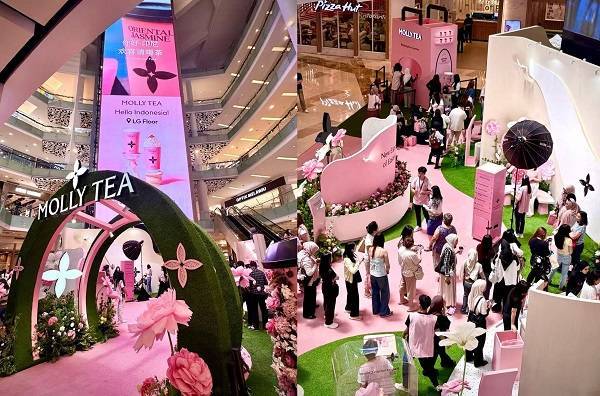
全球化再提速:印尼双店三日GMV超28万元,美国市场连开四店
Sou Hu Cai Jing· 2025-11-27 06:19
Core Insights - The Chinese tea brand, Jasmine Milk Tea, has opened two new stores in Jakarta, Indonesia, marking its entry into the sixth overseas market and demonstrating its global expansion strategy [1][3] - The brand has also opened four new locations in the United States, indicating simultaneous growth in both hemispheres [1] Expansion in Southeast Asia - The entry into the Indonesian market is based on a thorough analysis of the Southeast Asian market, with Indonesia being the largest economy in the region and having a young population that aligns with the brand's target demographic [3] - The brand's rapid expansion into culturally similar markets like Indonesia follows its successful entry into Thailand, showcasing a shift towards a more coordinated regional strategy [3] Localization Strategy - Jasmine Milk Tea emphasizes a "global standard + local integration" operational model, blending Eastern aesthetics with local elements in its store designs and marketing campaigns [5] - The brand's marketing activities, such as the "Molly Tea Garden" pop-up event in Indonesia, aim to immerse consumers in the unique charm of Eastern aesthetics [5] Product Innovation - The brand has adapted its product offerings to cater to North American consumer preferences by adjusting tea extraction ratios to enhance the "tea flavor" experience [7] - It maintains a balance between global quality and local adaptation by offering a selection of proven products alongside its classic tea series [7] Supply Chain Development - Jasmine Milk Tea employs a "cross-border + local" dual-track model for supply chain management, partnering with local suppliers to source ingredients like fresh milk, which helps reduce logistics costs and improve operational efficiency [9] - The brand integrates global quality control standards into its local supply chain to ensure consistent product quality across international locations [9] Global Expansion Progress - The brand's global store count has surpassed 2,000, with over 30 locations outside of China, covering markets such as the United States, Canada, Australia, the UK, Thailand, and Indonesia [9] - The brand's first store in the U.S. has achieved a stable monthly GMV of approximately $500,000, demonstrating sustainable operational capabilities in mature markets [11] Cultural Confidence and Future Plans - Jasmine Milk Tea's global journey represents not only store expansion but also the output of Chinese brand innovation and cultural confidence [11] - The brand plans to continue its steady overseas market development, aiming to introduce more consumers to the unique appeal of Eastern tea beverages [11]

5家消费公司拿到新钱;珀莱雅独家投资国货彩妆品牌花知晓;茉莉奶白和上美影达成联名|创投大视野
36氪未来消费· 2025-09-06 10:48
Group 1 - Huazhixiao, a domestic cosmetics brand, completed a Series B financing round exclusively invested by Proya, aimed at global expansion and supply chain integration [3] - Wei Yi Culture, focusing on immersive panoramic entertainment experiences, secured a multi-million angel round financing to develop key projects and operate its own IP [4] - Craft beer brand TAGSIU raised nearly 10 million in a Pre-A round to expand its retail channels and supply chain [7] Group 2 - INS New Park, a nightlife complex, raised nearly 300 million in Series A funding, achieving a post-investment valuation of 2.6 billion [8] - Health drink brand Haojise received strategic investment from Guoyang Fund, focusing on health food products [9] - ByteDance issued stock options to its Seed department employees, with monthly values ranging from 90,000 to 135,000 yuan, indicating a strong focus on AI business [10] Group 3 - Xiaohongshu is expected to double its annual profit to 3 billion USD, with a valuation reaching 31 billion USD, positioning it as a leader in the visual social platform sector [12] - LeKe, a fitness brand, ranked fifth globally in store count, with over 14 million registered members, reflecting a growing trend in affordable fitness options [14][15] - Pet service brand Pet Home announced its paid membership exceeded 100,000 within five months, indicating a positive trend in the pet economy [18] Group 4 - The summer box office in 2025 reached 11.943 billion yuan, surpassing the previous year's performance [22] - The global market for smart home cleaning robots saw a shipment of 15.352 million units in the first half of the year, a 33% increase year-on-year [23] - The AR market is expected to grow significantly, with global shipments projected to reach 600,000 units by 2025, driven by new product launches and decreasing prices [24]