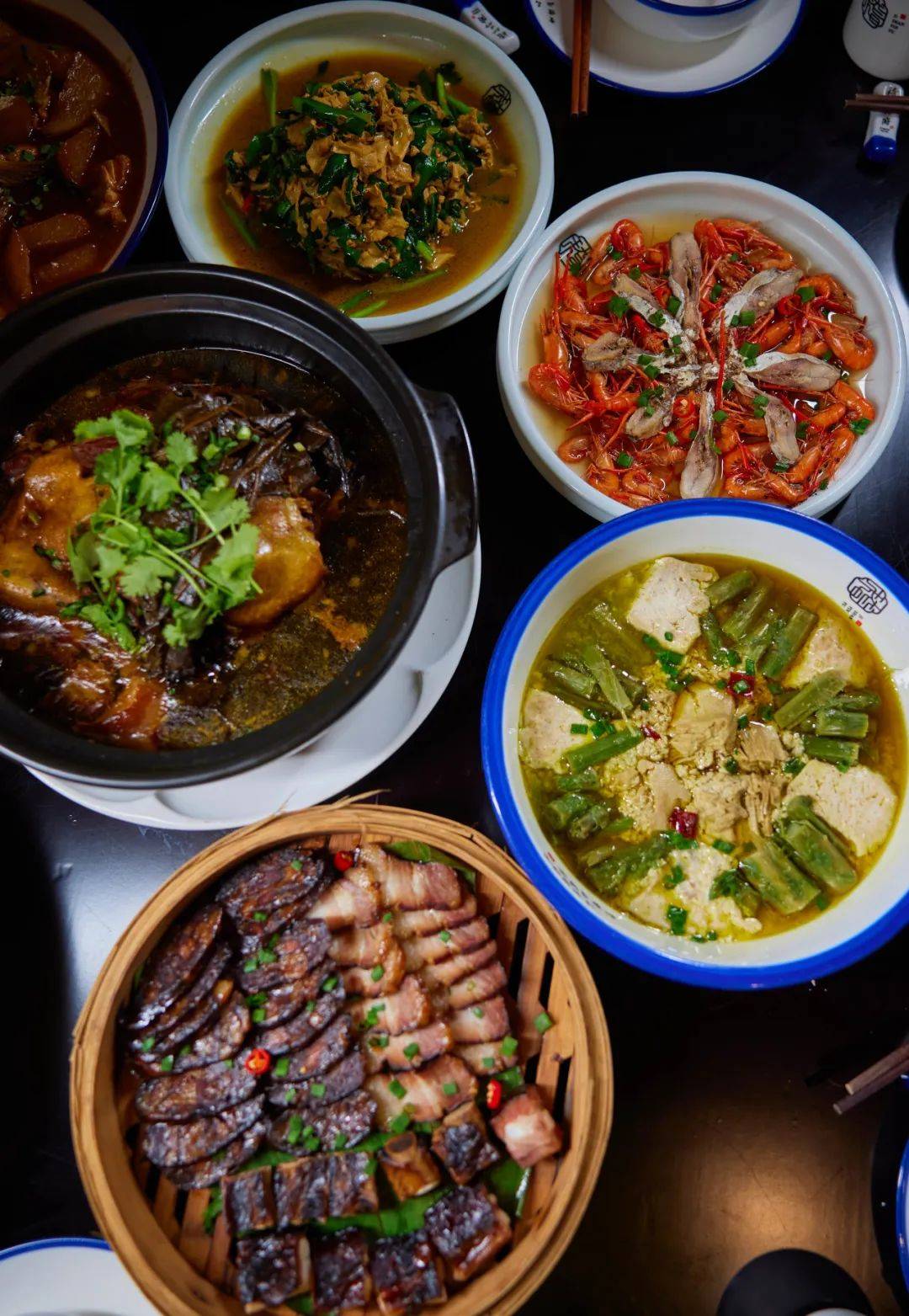
白斩鸡

Search documents
申城消费市场热气腾腾 老字号新品牌吸引中外消费者驻足打卡 新潮活动沉浸体验“磁吸力”十足
Jie Fang Ri Bao· 2026-02-20 01:27
Core Insights - The article highlights the resurgence of traditional food brands and the emergence of new popular dining spots in Shanghai during the Spring Festival, showcasing a vibrant consumer atmosphere and increased foot traffic in commercial areas [2][3][4]. Group 1: Traditional Brands - Established brands like Xiao Shao Xing and De Xing Guan have successfully attracted large crowds, with long queues forming outside their locations on Shanxi South Road, which has become a new hotspot for dining [2][3]. - Xiao Shao Xing has adapted to modern consumer preferences by introducing new menu items such as baked crème brûlée and osmanthus rice milk, appealing to younger customers and international tourists [2]. - De Xing Guan experienced a surge in popularity due to a mention in a popular drama, leading to increased customer traffic and adjustments in operating hours to accommodate demand [3]. Group 2: New Consumption Scenes - New consumption brands in Shanghai are creating innovative shopping experiences, such as the themed pop-up events at BFC Financial Center, which combine traditional elements with modern trends to attract consumers [4]. - The introduction of pop-up stores, like the one by Lao Pu Huang Jin, has significantly increased foot traffic, with customers often waiting hours to enter, benefiting surrounding shops as well [5][6]. - The LV giant "Louis" continues to draw crowds, with all reservation slots for its exhibition fully booked during the Spring Festival, indicating strong interest from both local and international visitors [6]. Group 3: Consumer Behavior - The festive atmosphere and new shopping experiences have encouraged local residents to stay in Shanghai for the holiday, contributing to a vibrant local economy [4]. - Consumers are increasingly engaging with new brands and experiences, leading to a shift in shopping habits and preferences during the festive season [5][6].

当“00后”掌管年夜饭,画风彻底变了……来晒晒你家的年夜饭!
Xin Lang Cai Jing· 2026-02-18 03:55
Group 1 - The article discusses the evolving nature of Chinese New Year dinners, highlighting how younger generations are taking charge of meal preparations and introducing new dishes, referred to as the "ninth cuisine" [1] - Traditional dishes are being complemented with modern twists, such as spicy noodle dumplings and fusion cuisine like Italian pasta with Chinese flavors [4][9] - The essence of family reunion remains unchanged despite the changing flavors and forms of the New Year dinner [9] Group 2 - Regional specialties are emphasized, showcasing unique dishes from various provinces, such as Shanxi's flower steamed buns and yellow millet cakes, and Northeast China's chicken stewed with mushrooms [10][14] - The article highlights the significance of fish in Jiangsu's New Year meals, where it is prepared in multiple ways, symbolizing abundance [19][20] - The culinary traditions from different regions, including Hubei's fish cakes and Guangxi's white-cut chicken, reflect the diverse cultural heritage of Chinese New Year celebrations [37][41][45]


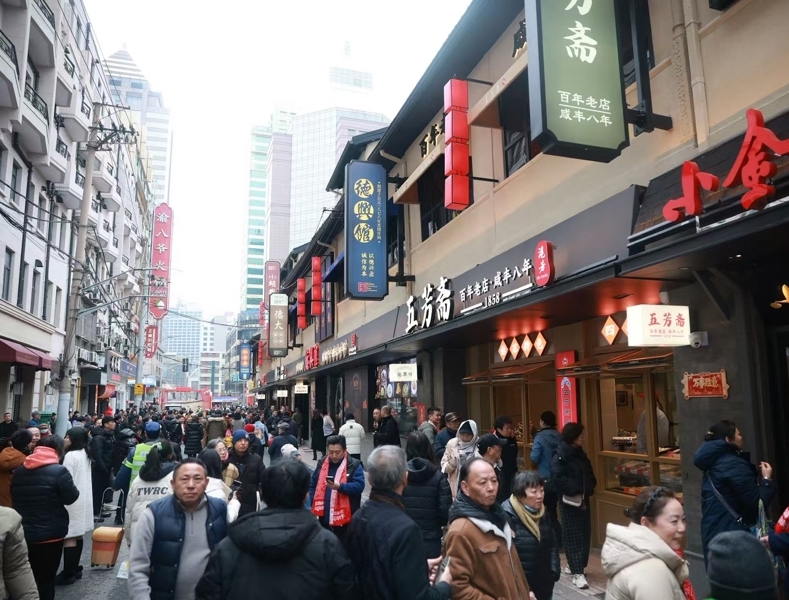
春启新巷 老字号重聚开街 原云南南路8个品牌、9家门店在山西南路、福建中路及江西中路营业
Jie Fang Ri Bao· 2026-02-11 01:43
Core Viewpoint - The reopening of the Yunnan South Road Old Brand Food Street in Shanghai, now named "Spring Starts New Alley," aims to attract both local residents and tourists, offering a nostalgic culinary experience during the Spring Festival [2][8]. Group 1: Business Operations - The new food street features 8 old brand restaurants and 9 stores, maintaining traditional prices while introducing new products to cater to younger consumers [2][6]. - The popular Xiaoshao Xing restaurant has retained its prices, with dishes like chicken porridge at 3 yuan and a full chicken meal at 55 yuan, attracting both old customers and new visitors from the nearby Nanjing Road [3][6]. - The Fresh Come Rib Rice Cake restaurant has extended its operating hours to 1 AM, responding to the high foot traffic in the Nanjing Road area [5][6]. Group 2: Product Offerings - New products have been introduced, such as hot ice cream and edible coffee cups at the De Da Western Restaurant, appealing to younger tourists [4][5]. - The Fresh Come Rib Rice Cake restaurant has launched new items like grilled shrimp chips and the Xiaoshao Xing restaurant has introduced grilled crème brûlée and osmanthus rice milk [6]. Group 3: Marketing and Customer Engagement - The food street will host a series of themed promotions and interactive activities from February 10 to 15 to convert the initial foot traffic into sustained consumer engagement [8]. - Each restaurant has implemented bilingual menus and employed staff fluent in English to better serve foreign tourists [7]. Group 4: Urban Development Strategy - The relocation and reopening of the old brand food street is part of a broader urban development strategy by the Huangpu District, aiming to enhance the environment and functionality of back streets while preserving culturally significant commercial brands [8].
备年货啦!
Xin Lang Cai Jing· 2026-01-31 07:08
Core Viewpoint - The article highlights the significance of traditional and local delicacies in Sanya's New Year celebrations, emphasizing the cultural importance of these foods in enhancing the festive atmosphere. Group 1: Traditional Foods - Red sugar rice cake, known as "Nian Nian Gao," symbolizes good fortune and is a staple in Sanya's New Year celebrations [2][4] - The preparation of red sugar rice cake involves mixing glutinous rice flour with fragrant red sugar, resulting in a soft and chewy texture when steamed [6] - Seafood dishes such as pan-fried mackerel and hot pot with grouper are essential components of the festive meal, showcasing the local culinary culture [11][12] Group 2: Snacks and Sweets - Traditional snacks like "Jing Guo" (sugar-coated snacks) are highlighted as favorites, contributing to the festive joy [24] - Candies, seeds, and dried fruits are considered essential for creating a festive atmosphere during the New Year celebrations [26] - The consumption of sugar tangerines is notably high, with reports of individuals consuming up to 10 kilograms in a day, indicating their popularity [28][30] Group 3: Main Dishes - Chicken is a central dish in Sanya's New Year banquets, with "Bai Zhan Ji" (white cut chicken) being a favorite due to its tender meat and flavorful dipping sauce [34][39] - Duck and goose are also common on the festive table, although they do not hold the same prominence as chicken [41] Group 4: Beverages - Traditional beverages such as Jianlibao, Wanglaoji, coconut juice, and winter melon tea are staples during the New Year, reflecting the local drinking culture [42][46] Group 5: Decorations and Symbolism - The presence of plants like kumquat trees is essential for good luck, symbolizing wealth and prosperity for the coming year [51] - Purchasing auspicious flowers and plants adds vibrancy to homes during the New Year, enhancing the festive spirit and expressing hopes for the new year [54]

萧山滋味养成史
Hu Xiu· 2025-08-02 12:06
Core Points - The article discusses the culinary heritage of Xiaoshan, a region in Hangzhou, highlighting its unique flavors and traditional dishes influenced by local ingredients and historical practices [2][3][19]. Group 1: Culinary Heritage - Xiaoshan's cuisine is characterized by its use of fermented and preserved ingredients, such as salted meat and fermented vegetables, which are essential to its flavor profile [9][18]. - The region's traditional dishes reflect seasonal changes, with specific recipes for each season that utilize local ingredients like river shrimp in summer and preserved vegetables in winter [12][13][17]. Group 2: Historical Context - The historical significance of Xiaoshan is emphasized, tracing its roots back to ancient salt production and its geographical advantages that contributed to its culinary development [6][7][8]. - The influence of various cultural migrations, particularly during the Eastern Jin and Southern Song dynasties, enriched Xiaoshan's culinary landscape, introducing new flavors and cooking techniques [25][28]. Group 3: Key Ingredients - Salt plays a crucial role in Xiaoshan cuisine, not only for flavor but also as a preservative that allows for the fermentation of key ingredients [8][9]. - Yellow rice wine is another essential component, used both as a beverage and a cooking ingredient, enhancing the flavors of various dishes [21][22][27]. Group 4: Modern Developments - The article notes the emergence of modern dining establishments, such as Michelin-starred restaurants, that continue to celebrate and innovate upon Xiaoshan's traditional flavors [36].