直通车

Search documents
什么是淘宝店铺运营?品牌做电商的高效增长解决方案
Sou Hu Cai Jing· 2026-02-24 07:48
Core Insights - The article emphasizes that operating a Taobao store is not just about listing products and using direct advertising; it requires a comprehensive understanding of the consumer ecosystem and data-driven strategies to manage the entire sales process effectively [1][14]. Group 1: Evolution of Taobao Operations - Taobao operations have evolved from a focus on "traffic operation" to a more integrated approach that includes shelf logic, recommendation logic, and content logic, reflecting the shift to a 3.0 operational stage [3]. - A qualified operation service provider must seamlessly integrate these three strategies to optimize performance [3]. Group 2: Key Components of Effective Taobao Management - An efficient Taobao store relies on the precise coordination of five systems, which serve as a benchmark for operational professionalism [6]. - The first impression on consumers accounts for 80% of traffic retention on Taobao [6]. Group 3: Consumer Trust and Retention Strategies - A common pitfall for brands is the blind pursuit of traffic without a solid retention strategy; effective traffic strategies should focus on attracting and retaining customers [7]. - Trust is a critical factor in converting views into purchases; a lack of trust often leads to abandoned carts [8]. Group 4: Targeting and Visual Strategies - Precise targeting of consumer demographics is essential, whether targeting budget-conscious students or quality-focused consumers [10]. - Visual elements play a crucial role in conversion rates, with main images affecting click-through rates and detail pages influencing purchase decisions [10]. Group 5: Traffic Acquisition Strategies - Free traffic can be optimized through title enhancements and category keyword placements, while paid traffic strategies should adapt based on product lifecycle and data feedback [10]. - Effective copywriting should address user pain points and contextualize product usage scenarios [10]. Group 6: Cross-Platform Strategy - The current e-commerce landscape requires brands to leverage platforms like Douyin for "grass planting" and Taobao for "harvesting," necessitating proactive keyword and sales strategy alignment [11]. Group 7: Growth Solutions for Brands - A comprehensive growth solution for brands should include three stages: validating the market, establishing brand recognition, and maximizing profits through repeat purchases [11][12][13]. - Brands should focus on single product explosions rather than broad strategies, utilizing market insights to optimize product presentation and testing [16]. Group 8: Membership and Customer Retention - Building a membership system and utilizing customer service channels can help convert public traffic into private pools [16]. - Regular updates and exclusive offers for existing customers are the most cost-effective growth strategies [16].


2026年电商百科:天猫平台代运营是什么意思?
Sou Hu Cai Jing· 2026-02-05 18:10
Core Insights - The core viewpoint of the article is that by 2026, the Tmall platform has evolved into a critical partner model for brands to efficiently reach consumers and achieve sustainable growth through professional third-party operation services [1][3]. Group 1: Tmall Platform Operations - Tmall's代运营 (third-party operation) has transformed from a basic service of "opening a store and listing products" to a comprehensive e-commerce solution focused on brand growth, integrating data technology, content ecology, and omnichannel strategies [3]. - The role of代运营 companies is likened to that of an "online business unit" or "strategic digital partner," engaging in market positioning, product planning, and real-time strategy adjustments based on data [5]. - The operational foundation relies on a precise understanding of Tmall's latest rules, traffic distribution mechanisms, and strong data analysis capabilities to convert consumer behavior data into actionable operations [5]. Group 2: Service Scope and Content - The modern代运营 service adopts a modular and customized approach, covering essential areas such as store setup, visual design, product and supply chain management, traffic acquisition, and data-driven user asset management [7][8]. - Key service areas include: - Store foundation and visual system setup, ensuring alignment with Tmall's brand tone and enhancing conversion rates [7]. - Collaborative management of products and supply chains, including product planning and pricing strategies [7]. - Flow acquisition and precise marketing through various Alibaba marketing tools [7]. - Comprehensive event planning and execution for major promotional events [7]. - Data-driven operations and user asset management, focusing on user profiling and behavior analysis [7]. Group 3: Collaboration Models and Trends - The collaboration models between brands and代运营 companies include full management, partial module outsourcing, and strategic consulting, each catering to different brand needs [9]. - Key considerations for selecting a合作伙伴 (partner) include past performance, team expertise, data capabilities, and alignment of business models [9]. - The Tmall代运营 industry is expected to evolve with trends such as deeper technology integration, holistic consumer operations, and a focus on brand building, effective marketing, and sales conversion [9].

文体旅产业融合激发城市经济活力
Xin Hua Ri Bao· 2025-12-03 23:07
Core Insights - The integration of culture, sports, and tourism is essential for meeting the spiritual needs of people and driving economic development through related industries such as dining, accommodation, and transportation [1] Group 1: Optimization of Top-Level Design - The integration of the culture, sports, and tourism industries requires systematic planning and strategic oversight to enhance urban economic growth [2] - Government support is crucial, including policy improvements, equipment support, and financial guarantees for the development of integrated cultural, sports, and tourism projects [2] - A leadership group should be established to create a long-term development plan for the integration of these industries, focusing on key development areas and spatial layouts [2] Group 2: Resource Integration - Effective resource integration is necessary to enhance the collaborative effects of the culture, sports, and tourism industries [3] - Establishing an industry alliance can help consolidate scattered resources and improve the overall competitiveness of the sector [3] - A unified big data platform should be created to support decision-making and facilitate collaboration among industry stakeholders [3] Group 3: Enriching Cultural and Sports Activities - Developing comprehensive sports venues and enhancing related facilities can stimulate the synergy between culture and tourism [4] - Organizing regional brand events and integrating sports venue operations with tourism development can attract more visitors [4] - Creating diverse experiential and themed cultural tourism products can maximize resource utilization and appeal to tourists [4] Group 4: Brand Development - Building strong brands is crucial for converting resource advantages into consumer loyalty, requiring a systematic approach [5] - Existing resources should be leveraged to create distinctive brands that align with consumer preferences [5] - A brand management mechanism should be established to evaluate and adjust brand strategies based on data analysis [5] Group 5: Talent Development - The cultivation of interdisciplinary talent is vital for the integration of the culture, sports, and tourism industries [6] - Attracting high-level talent through flexible recruitment strategies and providing comprehensive support services can enhance workforce quality [6] - Collaborating with educational institutions to align talent training with industry needs can improve the overall skill set of the workforce [7]
阿里巴巴国际站开店入驻费用及条件流程
Sou Hu Cai Jing· 2025-08-27 03:27
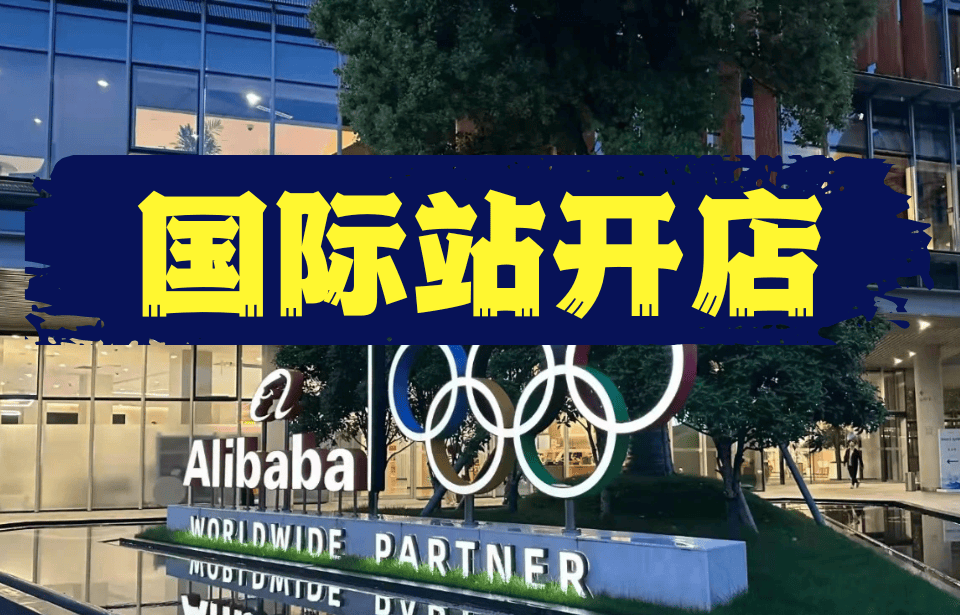
Membership Structure - Alibaba International Station offers three tiers of membership services based on merchant needs and business scale, with significant differences in rights, service support, and applicable scenarios [2][5][6] - The three membership tiers are: - Export Pass: Basic membership at 35,800 yuan/year, providing essential digital foreign trade functions suitable for startups and small foreign trade merchants [5] - Verified: Intermediate membership at 90,000 yuan/year, offering enhanced services including official certification and better traffic allocation for growing merchants [5] - Verified Pro: Highest membership level, integrating all previous benefits with additional top-tier resources and advanced marketing tools for leading merchants [6] Advertising Types - The platform focuses on "precise customer acquisition and traffic locking," with two main types of advertising: Smart Precision Promotion and Brand Advertising [7][11] - Smart Precision Promotion (P4P) operates on a pay-per-click model, utilizing AI to optimize promotional effectiveness and reduce operational barriers for new merchants [11][12] - Brand Advertising includes fixed-position promotions like "Wending" and "Top Position," aimed at long-term brand recognition and traffic acquisition [13][14] Store Registration Process - The store registration process involves several steps: 1. Qualification preparation, ensuring the merchant is a legally registered entity with compliant products [17] 2. Account registration and qualification review, typically taking one to two hours [17] 3. Choosing a membership type and payment, with services activated upon payment completion [17] 4. Store setup and product listing using AI tools for optimization [17] 5. Launching operations and promotions, leveraging data analysis for market strategy [18] Operational Strategies - Effective store operation on Alibaba International Station requires a comprehensive approach focusing on traffic acquisition, conversion enhancement, customer retention, and compliance [25][26] - Key strategies include precise positioning, smart marketing, transaction assurance, customer management, and compliance management [25][26] - The use of AI tools is emphasized for cost reduction and efficiency improvement, aiding in product promotion and customer interaction [26]
参战618,百度电商成为最大“黑马”
Sou Hu Cai Jing· 2025-06-03 14:52
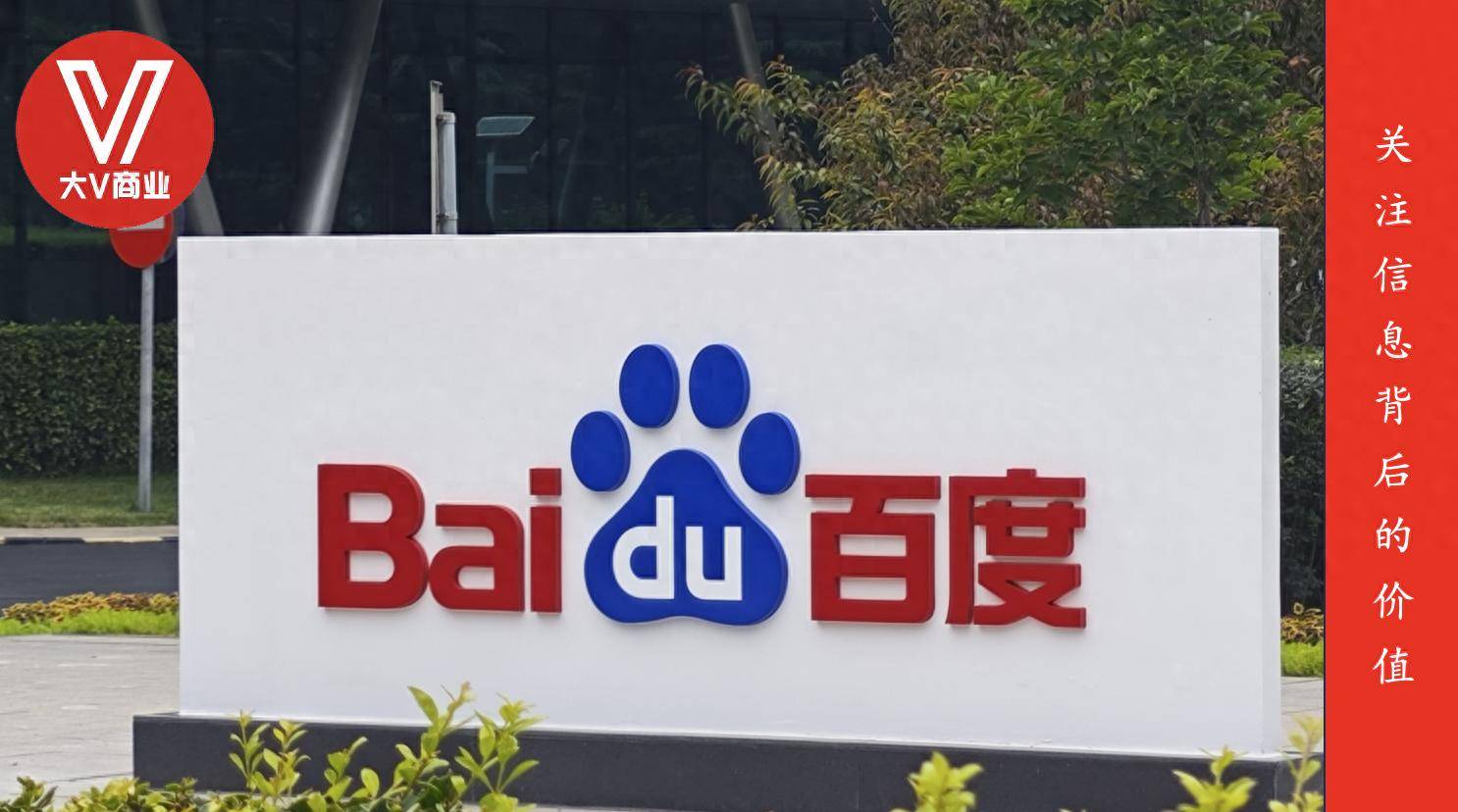
Group 1 - Baidu is strategically re-entering the e-commerce sector, driven by significant changes in the industry structure and technology advancements [4][5][10] - The collaboration with Luo Yonghao for live streaming on Baidu's e-commerce platform "Baidu Youxuan" has generated over 500 million yuan in GMV within four hours, indicating Baidu's initial impact in the e-commerce space [5][6] - Baidu's AI capabilities are being integrated into e-commerce processes, with over 100,000 digital human hosts and a 281% year-on-year increase in monthly live broadcast hosts for "Baidu Youxuan" [9][10] Group 2 - The current e-commerce landscape in China is characterized by an oversupply of goods, making effective product distribution more critical than production [14][15] - The rise of "content e-commerce" reflects a shift in consumer engagement, where brands are increasingly focusing on direct user interaction and community building [16][27] - Baidu's search platform, with 704 million monthly active users, provides a robust foundation for its e-commerce initiatives, leveraging its extensive user touchpoints across various applications [18][19] Group 3 - Baidu's e-commerce strategy does not aim to create a standalone app to compete with platforms like JD or Taobao but instead integrates e-commerce within the existing Baidu App [22][23] - The transition from traditional "shelf e-commerce" to "content e-commerce" highlights the need for higher conversion rates driven by user intent, which Baidu's search capabilities can effectively address [25][26] - Historical context shows that Baidu's previous disconnect with major e-commerce platforms has limited its growth, but current regulatory trends favor a renewed integration of search and e-commerce [31][33]

大通小兑:电商平台发展史与未来趋势分析(二)
Sou Hu Cai Jing· 2025-05-07 10:07
Core Insights - The article discusses the competitive landscape of e-commerce in China, particularly focusing on the rivalry between Alibaba's Taobao and Tencent's Paipai, highlighting key events and strategic decisions that shaped the industry. Group 1: Taobao's Strategies and Challenges - In 2006, Taobao launched the "Zhaocai Jinbao" bidding ranking mechanism to monetize its platform after the competition with eBay's Eachnet [1] - The introduction of "Zhaocai Jinbao" faced significant backlash from sellers, leading to a boycott and a mass migration to Paipai due to issues like the closure of Baidu search access and a 5% commission fee that small sellers found overwhelming [3] - Taobao's initial commitment to a free model was undermined by the introduction of paid ranking tools, which created dissatisfaction among sellers [4] - The transaction dispute resolution system was heavily biased towards buyers, further alienating sellers [6] - The "Zhaocai Jinbao" was eventually canceled within a month, leading to the acquisition of Yahoo China and the launch of the "Zhitongche" ranking tool in 2007, which became a well-known feature of Taobao [6] Group 2: Competitor Dynamics - After the consolidation of the e-commerce landscape, the competition intensified, with companies like JD.com carving out their niche by focusing on B2C self-operated e-commerce and building their logistics systems [8] - JD.com, founded by Liu Qiangdong, evolved from selling CDs to becoming a major player in the e-commerce space, securing financing and expanding its product categories over the years [8] - The partnership with Tencent and the acquisition of Qianxun Network further strengthened JD.com's position in the market, allowing it to diversify into financial services and group buying [8] Group 3: Industry Evolution - The article suggests that the e-commerce battle will continue to evolve, with companies needing to adapt to high-frequency and essential consumer scenarios to remain competitive in a saturated market [8] - The narrative emphasizes the ongoing struggle for dominance in the e-commerce sector, indicating that the competition will only intensify rather than settle [8]