磁流变悬架系统

Search documents
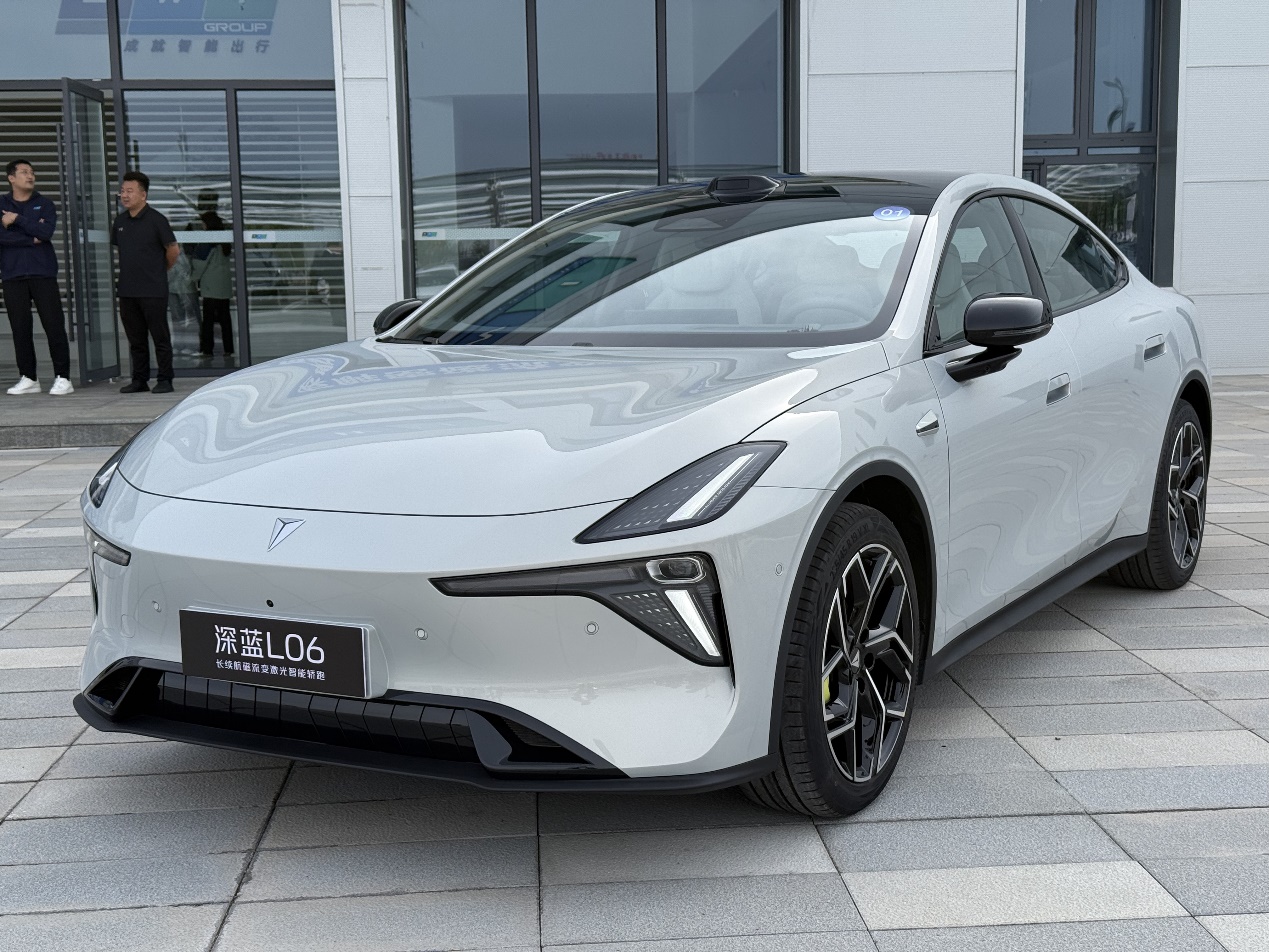
深蓝L06正式预售 媒体沟通会同期举行
Huan Qiu Wang· 2025-11-05 03:39
Core Insights - Deep Blue Automotive's chairman, Deng Chenghao, presented the strategic thinking and development path of the company during the media communication meeting following the pre-sale launch of the Deep Blue L06 [1] Technical Layout: Balancing Forward-Looking Investment and User Experience - The Deep Blue L06 features a magnetorheological suspension system, which offers faster response times compared to traditional CDC suspensions, enhancing driving experience and technical applicability [3] - The vehicle utilizes a 3nm process chip for its smart cockpit, reflecting the company's foresight regarding the increasing computational demands of intelligent cockpit functions and allowing for future feature iterations [3] Market Positioning: Differentiated Competition and User Demand Insights - Deep Blue's product positioning strategy focuses on the mainstream young user demographic, emphasizing technology and driving experience based on in-depth insights into user needs rather than targeting specific competitors [3] Diversified Strategy in Intelligent Driving - The company is developing its own DEEPAL AD system while also collaborating with partners like Huawei, allowing for flexible technology resource allocation based on product positioning and user groups [4] Globalization Strategy: Systematic Outbound and Scale Advantages - Deep Blue has established a presence in over 100 countries and regions, with localized production in Thailand, creating a comprehensive outbound model that integrates brand, product, manufacturing, and service [5] - The company aims for a balanced sales target of 50% domestic and 50% overseas by 2030, leveraging the supply chain and R&D resources of the Changan Group to maintain competitive cost control while ensuring product quality [5] - The platform-based and generalized development model, along with independent R&D capabilities, contribute to the company's cost advantages, allowing for more resources to be allocated to enhancing product performance and user experience [5] Systemic Capability: Outbound System and Scale Advantages - Deep Blue Automotive is committed to strengthening its systemic capabilities while balancing scale and efficiency, focusing on technological innovation and market expansion to provide value insights for the industry [6]

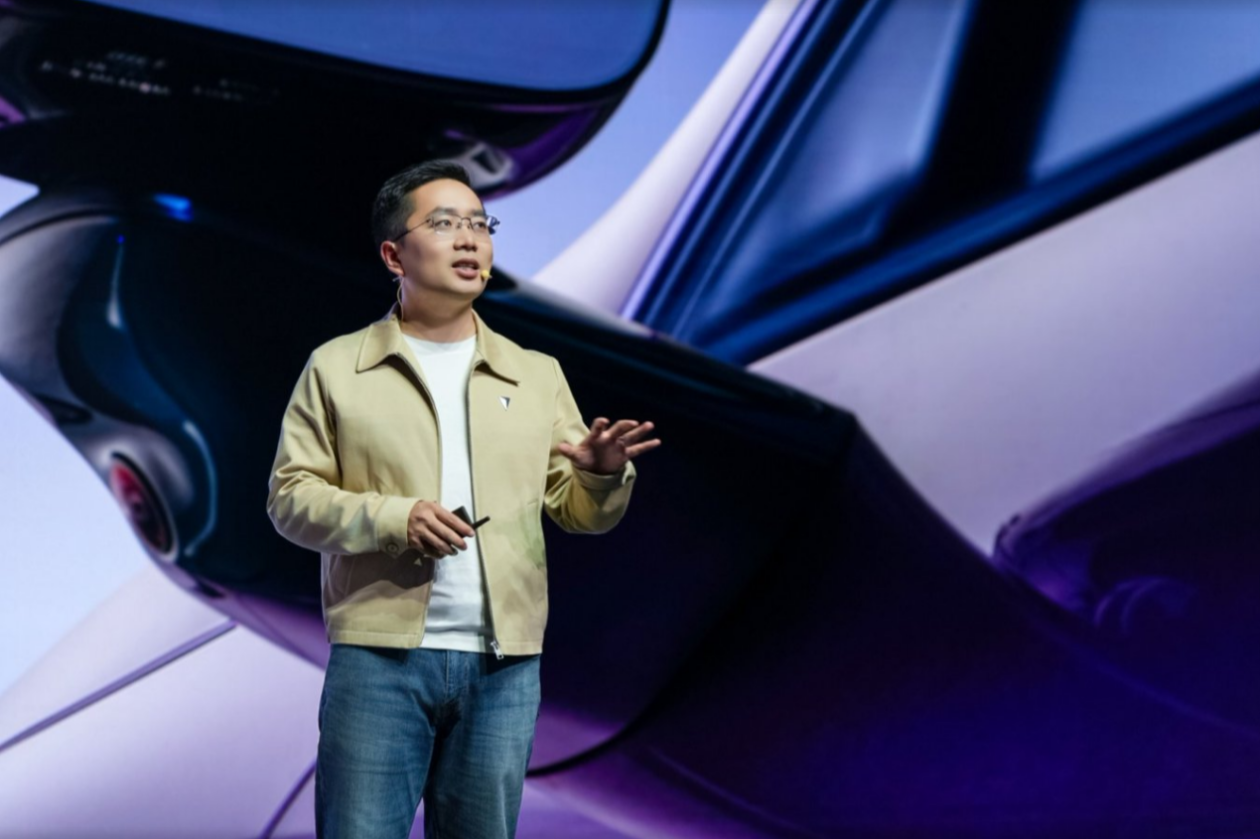
开创全球磁流变悬架元年,京西智行的全球引领与科技惠民之路
Zhong Guo Qi Che Bao Wang· 2025-10-21 06:09
Core Insights - The automotive industry's chassis suspension system performance has long been a benchmark for measuring a company's core technological strength. The emergence of China's Jingxi Zhixing is breaking the long-standing dominance of magnetic suspension technology, previously exclusive to ultra-luxury brands like Ferrari and Lamborghini, marking a new era in the global automotive market [1][2][3]. Group 1: Technological Breakthrough - Jingxi Zhixing's partnership with Deep Blue Automotive to equip the Deep Blue L06 model with a magnetic suspension system signifies a transformation from a "technology follower" to a "global leader" in this field [1][2]. - The magnetic suspension technology, discovered in 1948, allows for rapid and precise damping control, making it suitable for extreme applications in aerospace and military sectors before its adaptation in the automotive industry [2][3]. - The technology was first applied in the automotive sector in 2002, with Cadillac's Seville STS, and has since shown significant advantages over traditional suspension systems, including a response speed over five times faster than conventional systems [3][4]. Group 2: Market Position and Production Capacity - Jingxi Zhixing has established itself as the only company globally capable of large-scale production and delivery of magnetic suspension systems, with over 3 million vehicles equipped with this technology by the end of 2024 [4][5]. - The company has a robust portfolio of over 140 core patents and has developed a comprehensive technological barrier covering materials, structures, control algorithms, and manufacturing processes [5][6]. - The production capacity is set to reach 2 million units annually, with dual production bases in Shenzhen and Zhangjiakou, enhancing its international manufacturing capabilities [17][18]. Group 3: Quality Control and Manufacturing Standards - Jingxi Zhixing employs advanced manufacturing techniques, including AI industrial cameras and high-precision robots, to ensure consistent quality in its magnetic suspension systems [24][25]. - The company has implemented a rigorous six-tier quality control system, ensuring that every component meets high standards of reliability and durability, which has helped change perceptions of domestic automotive parts quality [25][26]. - The production process emphasizes smart manufacturing and lean management, achieving over 95% localization of core components, which reduces costs and enhances supply chain control [18][21]. Group 4: Strategic Collaborations and Market Expansion - The collaboration with Deep Blue Automotive represents a new model of cooperation in the automotive supply chain, focusing on shared risks and benefits, which reduces R&D costs and shortens production cycles by 30% [26][27]. - Jingxi Zhixing's technology is now being adopted by other brands, including Polestar, further solidifying its position in the global market and demonstrating the shift of Chinese automotive technology from niche luxury to mainstream applications [26][28]. - The company's approach to open collaboration reflects a strategic shift in the Chinese automotive industry towards collective growth and innovation, moving away from isolated competition [26][28].

从超豪华专属到国产大规模量产,京西智行携手深蓝汽车开启“磁流变元年”
Zhong Guo Qi Che Bao Wang· 2025-09-28 03:29
Core Insights - The collaboration between Jingxi Zhixing and Deep Blue Automotive marks the introduction of magnetorheological suspension technology into the mainstream Chinese automotive market, signifying the start of a new era for domestic automotive brands [2][6] Group 1: Technology Overview - Magnetorheological technology, discovered in 1948, allows for rapid adjustment of damping force by controlling the arrangement of magnetic particles in a liquid, enabling a switch between liquid and solid states in milliseconds [2] - The technology was first applied in luxury vehicles, with over 3 million units installed globally in high-end models since its debut in the Ferrari 599 GTB in 2006 [2] - The new magnetorheological suspension system can adjust damping up to 1000 times per second, providing enhanced vehicle stability and control in various driving conditions [5] Group 2: Strategic Collaboration - Deep Blue Automotive has been researching magnetorheological technology since 2020, aiming to integrate it into domestic vehicles through a new platform developed in collaboration with Jingxi Zhixing [3] - The partnership focuses on a comprehensive engineering approach to reconstruct the vehicle architecture rather than merely transplanting existing technology [3] - The collaboration is seen as a pivotal moment for the rise of Chinese chassis technology, breaking the dominance of international giants in the suspension system sector [5][6] Group 3: Market Impact and Future Outlook - The launch of the Deep Blue L06 with the magnetorheological suspension system is viewed as a significant milestone, with expectations for the technology to be widely adopted across multiple domestic automakers by 2026, potentially exceeding 300,000 units [6][7] - The CEO of Jingxi Zhixing emphasized the importance of open collaboration and innovation in driving the global competitiveness of the Chinese automotive industry [6][7] - The year 2025 is projected to be a landmark year for the domestic implementation of magnetorheological technology in vehicles [7]
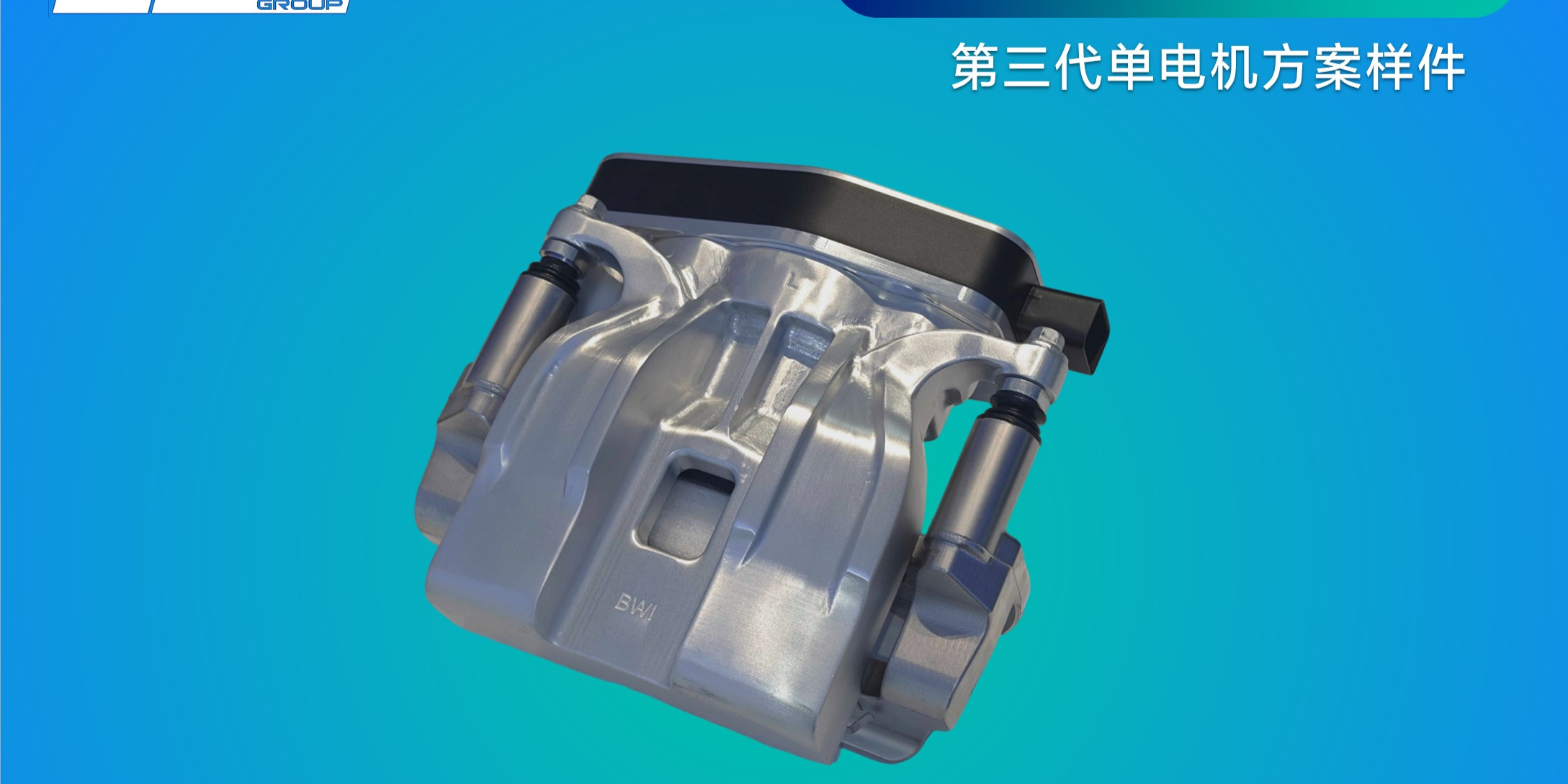
汽车“制动革命”来了?京西智行谨慎应对EMB量产热
Jing Ji Guan Cha Wang· 2025-08-30 05:20
Core Viewpoint - The development of electric smart vehicles is significantly transforming traditional automotive components, particularly in suspension and chassis systems, with a growing focus on new components like Electro-Mechanical Brakes (EMB) [2][3]. Company Overview - Jingxi Zhixing, formerly known as Jingxi Heavy Industry, was established in 2009 through the acquisition of Delphi's global suspension and brake business. It was rebranded in 2025 and is a rare Chinese-controlled global automotive parts company with multiple R&D and production bases in China, North America, and Europe [3]. - The company specializes in advanced products such as magnetorheological suspension systems, air suspension, and EMB, leveraging its prior experience in traditional hydraulic braking systems [3]. EMB Technology Insights - EMB operates by converting electrical signals into mechanical braking force using motors, reducers, and ball screw mechanisms, differing from traditional hydraulic systems. It offers high response speed and control precision but faces challenges like thermal decay and electronic compatibility [5][8]. - The demand for EMB is driven by the need for high performance in electric vehicles, which require precise and efficient braking systems due to their heavier weight and advanced driving features [8]. Market Dynamics - The transition from hydraulic to EMB systems presents technical challenges, including high costs, which currently limit EMB adoption to high-end models. Many manufacturers are still using a mix of braking systems [9][12]. - The competitive landscape for EMB is intensifying, with several players entering the market. Jingxi Zhixing believes its extensive experience in braking systems provides a competitive edge that is difficult for newcomers to match [11][12]. Production and Commercialization Challenges - The high initial investment and long development cycles for EMB technology pose significant barriers to rapid commercialization. The company estimates that the development costs could reach several hundred million yuan over three years, with a cautious approach to mass production timelines [12]. - Jingxi Zhixing anticipates that EMB and hydraulic systems will coexist for at least the next decade, with significant cost reductions expected in the production of non-caliper components within 5 to 7 years [12]. Future Outlook - The company is optimistic about the potential of EMB but remains cautious about the timeline for mass production, predicting that overseas clients may see production by 2029, while domestic clients might achieve it by 2026 [12].
115家工厂入选首批先进级智能工厂
Bei Jing Ri Bao Ke Hu Duan· 2025-05-18 20:45
Group 1 - The first batch of advanced intelligent factories in Beijing has been announced, comprising 115 factories across various sectors including biomedicine, intelligent equipment, automotive transportation, electronic information, urban industries, and materials industries [1] - The newly issued "Beijing Intelligent Factory Recognition Management Measures" upgrades the previous evaluation system, categorizing factories into four levels: basic, advanced, excellent, and leading [1] - The advanced intelligent factories are recognized through a voluntary and competitive selection process, with the Beijing Economic and Information Bureau overseeing the evaluation [1] Group 2 - The automotive manufacturing sector is highlighted as a key area for the application of intelligent manufacturing technologies, with the first batch of advanced factories including both complete vehicle manufacturers and key automotive component producers [1] - Jingxi Zhixing (Beijing) Automotive Electronics Technology Co., Ltd. has established its fifth intelligent factory globally in the Fangshan District, producing 600 intelligent suspension systems annually [2] - Notable companies among the 115 advanced intelligent factories include BOE, Schneider, Qumei Home Furnishing, Beijing Benz, Li Auto, and Beijing Tongrentang Health Pharmaceutical [2]