
花瓣地图

Search documents
翻过三重山:鸿蒙的2025,中国操作系统的关键一跃
Guan Cha Zhe Wang· 2025-12-31 09:53
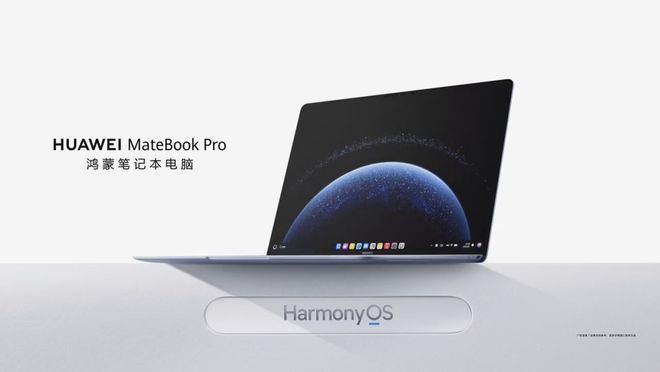
Core Insights - The article highlights the transformation of HarmonyOS into a digital foundation that fosters collaborative innovation among various companies and developers, marking a significant evolution in the operating system landscape in China by 2025 [1][11][20] Group 1: Evolution of HarmonyOS - By 2025, HarmonyOS has transitioned from being a "usable" option to a "must-have" choice for developers and companies, with a wide range of devices fully adopting the system [2][4] - The number of HarmonyOS 5 devices surged from 0 to 10 million in about 10 months, and then doubled to 20 million in just two months, with over 36 million devices now running HarmonyOS 5 and 6 [4][19] - Major applications from Tencent, Alibaba, and ByteDance have accelerated their updates on HarmonyOS, indicating a strong commitment to the platform [5][7] Group 2: Application Innovations - New features such as "Air Transfer" and "Tap to Share" have been introduced by various applications, enhancing user experience and showcasing the unique capabilities of HarmonyOS [8][10] - Over 60 applications have implemented the "Tap to Share" feature, demonstrating a collective effort among Chinese tech companies to innovate on the HarmonyOS platform [10][15] Group 3: Ecosystem Paradigm Shift - HarmonyOS has moved beyond the traditional ecosystem model where applications merely adapt to the operating system; instead, developers are now actively involved in shaping system capabilities [11][12] - This shift allows for a more collaborative approach, where applications and system features evolve together, enhancing the overall user experience [12][17] Group 4: User and Developer Engagement - By 2025, HarmonyOS has seen over 10 million user feedback submissions, with more than 96% of them being addressed quickly, indicating a strong feedback loop between users and developers [18][19] - The open-source HarmonyOS has matured, with over 10,000 contributors and 740,000 code merge requests, establishing a robust ecosystem that supports various industries [20][22] Group 5: Future Outlook - The collective efforts of users, developers, and the open-source community have positioned HarmonyOS as a critical infrastructure for digital transformation in various sectors [22][23] - The focus for HarmonyOS moving forward is on long-term collaboration and enhancing user experience rather than just rapid growth [23]

鸿蒙生态如何打造出境服务新体验?解决出境游"三大难"
经济观察报· 2025-12-26 12:23
Core Viewpoint - Huawei aims to enhance outbound travel experiences by leveraging its HarmonyOS capabilities and fostering partnerships to create a comprehensive service ecosystem for travelers [1][24]. Group 1: Market Trends - By 2025, China's outbound tourism market is projected to experience a robust recovery with an average annual growth rate of 44.3% [2]. - The traditional group travel model is declining, with over 70% of travelers now opting for independent travel, particularly among the "digital natives" of Generation Z [3]. Group 2: User Experience Challenges - Travelers face significant "experience degradation" when transitioning from a highly integrated domestic digital ecosystem to fragmented services abroad [4][5]. - The mismatch in service distribution mechanisms between domestic and international contexts leads to difficulties in accessing essential services while traveling [5]. Group 3: Structural Gaps in Outbound Services - There are three major structural gaps in outbound travel services: 1. **Infrastructure Connection Gap**: Variability in network standards and roaming agreements across countries creates technical barriers [8]. 2. **Information Gap**: The lack of a unified digital intermediary complicates information access and decision-making for travelers [10]. 3. **Local Service Access Gap**: Travelers face high "digital identity costs" when trying to access local services, which are often distributed through traditional app-based models [12][14]. Group 4: Comprehensive Service Integration - Huawei proposes a solution that integrates pre-trip, in-trip, and post-trip services into a seamless experience, addressing the identified gaps [17][18]. - The integration includes features like itinerary management, local service recommendations, and AI-enhanced photo sharing to enhance user satisfaction [20][22]. Group 5: Ecosystem Development - Huawei is building a robust ecosystem by empowering partners and developers to enhance outbound travel services, as seen with the integration of services like Grab and Keeta [25][26]. - The HarmonyOS has launched over 120 outbound service cards, covering essential travel needs such as dining, accommodation, and shopping [27]. - The installed base of HarmonyOS devices has surpassed 32 million, indicating a significant market opportunity for global partners [28].

鸿蒙生态如何打造出境服务新体验?解决出境游"三大难"
Jing Ji Guan Cha Wang· 2025-12-26 11:32
Core Insights - The outbound tourism market in China is experiencing a strong recovery with an average annual growth rate of 44.3% by 2025 [1] - The traditional group tours are declining, with over 70% of travelers now opting for independent travel, primarily driven by the "digital natives" of Generation Z [2] Group 1: Industry Challenges - There is a significant "experience downgrade" for travelers accustomed to a highly integrated digital lifestyle in China when they travel abroad [2][3] - The outbound tourism experience is hindered by three major structural gaps: infrastructure connectivity, information exchange, and local service access [4] - The "infrastructure connectivity gap" arises from differences in network standards, complex roaming agreements, and varying levels of communication infrastructure across countries [5] - The "information exchange gap" is characterized by increased decision-making costs due to fragmented information sources and language barriers, making it difficult for travelers to navigate unfamiliar environments [7] - The "local service access gap" reflects the challenges faced by short-term visitors in establishing a digital identity to access local services, which often requires extensive setup [9][10] Group 2: Solutions Proposed by Huawei - Huawei aims to address these gaps by providing a comprehensive solution that integrates services across the entire travel experience, from pre-trip planning to post-trip sharing [11][12] - The proposed solution includes a unified service platform that aggregates travel information, visa updates, personalized itinerary suggestions, and easy booking options [14] - During the trip, Huawei's services will offer seamless connectivity, navigation, and local recommendations, enhancing the overall travel experience [15][16] - Huawei is also focusing on upgrading its core technologies and services, such as the Petal Maps and Tianji Tong app, to support global connectivity and enhance user experience [17] Group 3: Ecosystem Development - Huawei is building a collaborative ecosystem by empowering partners and developers to enhance outbound travel services, ensuring users have access to high-quality offerings [18][20] - The integration of services like Grab and Keeta into Huawei's ecosystem has significantly improved user experience, with Grab reporting an 18-fold increase in monthly orders after joining [18][19] - As of now, over 120 outbound service cards have been launched within the HarmonyOS ecosystem, covering essential travel needs such as dining, accommodation, and shopping [20] - The number of devices equipped with HarmonyOS has surpassed 32 million, indicating a substantial market opportunity for global partners [21]
从手忙脚乱到游刃有余:2026跨年,有华为手机就够了
Huan Qiu Wang· 2025-12-22 09:10
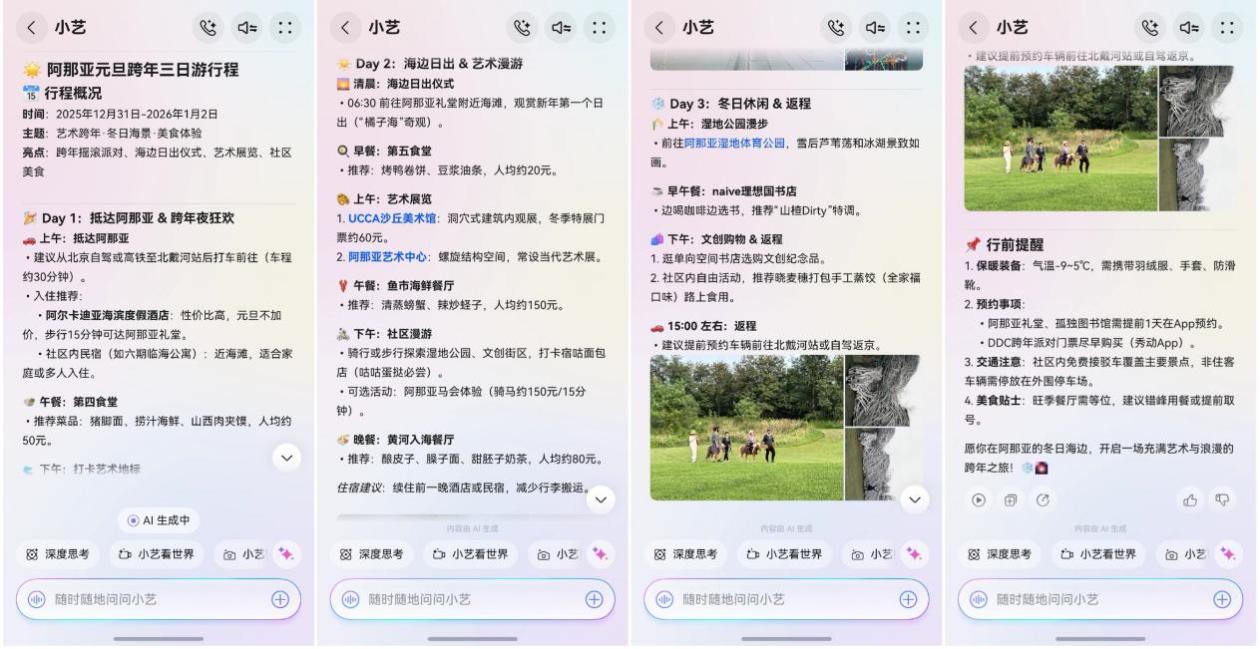
Core Viewpoint - The article emphasizes the importance of utilizing Huawei's HarmonyOS ecosystem and its various applications to enhance the travel experience during the New Year celebrations, addressing user pain points and ensuring a seamless journey [1][2]. Group 1: Pre-Trip Planning - The use of the AI assistant "Xiao Yi" helps users efficiently plan their trips by integrating various travel information such as attractions, hotels, and weather into a customized itinerary [2][3]. - Users can simply request trip planning through voice commands, allowing for a streamlined decision-making process [2]. Group 2: Travel Logistics - Huawei Wallet offers a "Worry-Free Card" that allows users to access public transportation in over 330 cities without needing to worry about balance or local currency, enhancing convenience during travel [4]. - The app supports "pay later" options, making it easier for users to navigate public transport without the need for cash or local apps [4]. Group 3: On-Site Experience - The "Find My Device" feature in Huawei Cloud Space allows users to locate lost devices in crowded areas with high precision, significantly increasing the chances of recovery [6]. - The "Tianjitong" service provides affordable international data plans, allowing users to stay connected without the hassle of changing SIM cards [8]. Group 4: Memory Preservation - Huawei Cloud Space's "Cloud Gallery" feature automatically syncs photos and videos to the cloud, facilitating easy access and editing across devices [15]. - The AI editing capabilities of HarmonyOS allow users to enhance their photos with simple voice commands, making creative expression more accessible [17].
华为手机出境服务全新升级,重新定义旅行体验
Jing Ji Guan Cha Wang· 2025-12-11 22:51
Core Insights - Huawei's "Outbound Experience Ecosystem Forum" held in Shenzhen focuses on enhancing the outbound travel experience through the HarmonyOS ecosystem [1] - The outbound travel market is shifting towards individualized experiences, highlighting the need for integrated services at destinations [1] Group 1: Outbound Experience Service Upgrade - Huawei aims to redefine travel experiences by providing a one-stop solution covering pre-trip, during-trip, and post-trip services [2] - Pre-trip services include efficient access to itinerary information, visa updates, personalized travel suggestions, and easy booking for flights and hotels [2] - During the trip, Huawei offers extensive network connectivity, Chinese navigation, and itinerary management to enhance user convenience and satisfaction [2] Group 2: Continuous Improvement of User Experience - Huawei is enhancing its own products with features like thematic exploration and outdoor navigation in the Petal Map, supporting global exploration [3] - The Tianji Tong app has been upgraded to support high-speed internet access in over 100 countries without the need for SIM card changes [3] - Huawei is empowering partners and developers to co-create new experiences for outbound travel users [3] Group 3: Global Partnership and Ecosystem Development - Grab's integration with HarmonyOS services simplifies the user experience for overseas transportation through features like one-click login and voice activation [4] - Ant Financial's Alipay+ Travel Solution aims to provide precise outbound service recommendations to Huawei phone users [4] - The ongoing development of the HarmonyOS ecosystem is attracting global partners, enhancing the outbound service offerings for Huawei users [4]
华为HMS for Car智行论坛落幕,赋能车企智能化转型与出海新征程
Xin Lang Cai Jing· 2025-12-09 05:19
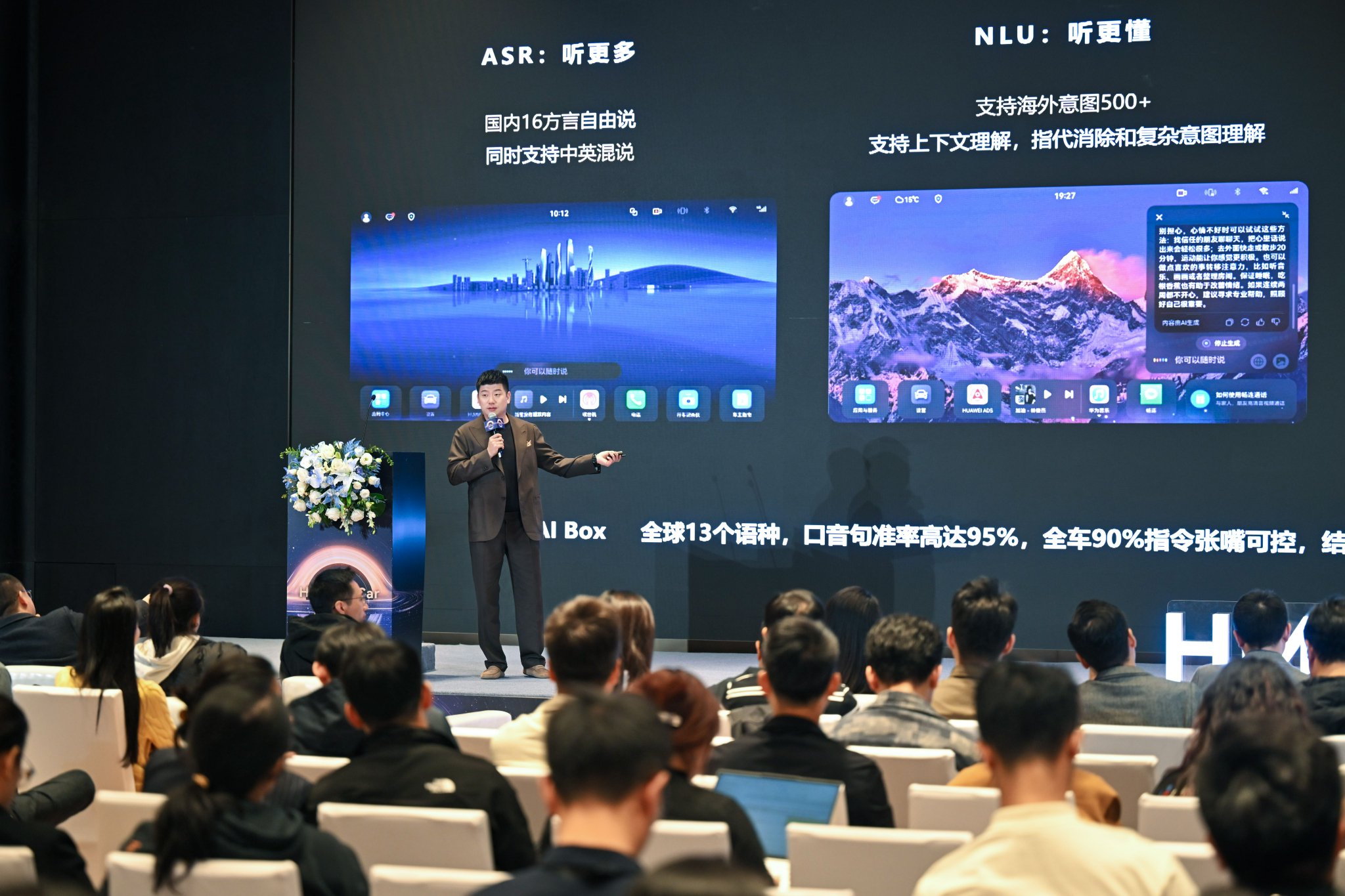
Core Insights - The automotive industry is rapidly transitioning towards digitalization, intelligence, connectivity, and electrification, with a focus on building a globally competitive smart in-car service system [1] - Huawei's HMS for Car aims to enhance the localized experience of smart cockpits to address the diverse user habits and ecosystem applications across different regional markets [2] Group 1: HMS for Car Overview - Huawei has developed the HMS for Car integrated smart in-car solution, which includes four core capabilities: maps, voice, ecosystem, and connectivity services, to help automotive companies establish a differentiated competitive advantage globally [2] - The focus has shifted from merely addressing the "existence" of services to integrating into local ecosystems and enhancing product localization [2][4] Group 2: Core Capabilities - The AI Box upgrade allows for proactive understanding and natural communication, achieving a 90% accuracy rate in recognizing local accents and supporting 16 Chinese dialects and 13 global languages [4] - The Service Box serves as a bridge for localizing in-car ecosystems, adapting top-tier applications based on user habits in different countries [4][5] - The Net Box enhances network stability by leveraging 11 years of technology accumulation and integrating resources from over 150 operators across 100+ countries [5] - The Map Box focuses on real-time updates and local map data accuracy, supported by research centers in Munich and the Netherlands, and integrates over 280 million POI data for precise navigation [5] Group 3: Integration and Collaboration - HMS for Car is evolving into a "personal travel assistant" by integrating multiple business functions and enabling seamless connections between navigation, vehicle control, and services [7] - The system provides compliance and security assurances, having supported over 70 vehicle models globally [8] Group 4: Industry Collaboration and Innovations - The collaboration with automaker Seres has led to the development of a smart automotive ecosystem, enhancing user experience through AI algorithms and multi-scenario intelligent functions [9] - Long-term cooperation with Great Wall Motors has resulted in significant improvements in navigation accuracy and stability, with new capabilities being introduced in upcoming products [11] - Partnerships with content providers like Tencent Music have enabled the creation of an AI music recommendation system that enhances the in-car entertainment experience [13] Group 5: Enhancing User Experience - The collaboration with Shenzhen Shunyi Technology has led to the development of convenient parking services, allowing users to reserve parking spots and pay fees through voice commands [15] - TomTom's integration of dynamic mapping capabilities supports real-time navigation and traffic updates, enhancing the overall driving experience [17] Group 6: Future Outlook - HMS for Car is set to continue its evolution from "going out" to "going in," focusing on systematic capability development and co-creating new smart travel experiences with partners [18]
华为HMSfor Car智行论坛落幕,赋能车企智能化转型与出海新征程
Xin Lang Cai Jing· 2025-12-08 12:25
Core Insights - The Huawei HMS for Car forum held on November 28 in Shenzhen focused on the automotive industry's transition towards digitalization, intelligence, connectivity, and electrification, emphasizing the need for a competitive global smart in-car service system [1][10] Group 1: HMS for Car Overview - Huawei's HMS for Car integrates four core capabilities: maps, voice, ecosystem, and connectivity, aiming to help automotive companies establish differentiated competitive advantages globally [2][11] - The platform has evolved from addressing basic needs to integrating into local ecosystems, enhancing product localization experiences for automotive companies [2][12] Group 2: Core Capabilities - In smart voice technology, the AIBox has been upgraded to understand context and engage in natural conversations, achieving a 90% accuracy rate in local accents and supporting 16 Chinese dialects and 13 global languages [3][12] - The ServiceBox acts as a bridge for localizing automotive ecosystems, adapting top-tier in-car applications to different countries and supporting various interaction methods [3][13] - The NetBox enhances network stability for in-car services, covering over 100 countries and integrating resources from 150 operators [3][13] - The MapBox focuses on providing accurate local map data and real-time updates, collaborating with overseas map providers to offer over 280 million points of interest [4][13] Group 3: Collaborative Practices - The partnership with automaker Seres emphasizes a new paradigm in smart mobility, integrating AI capabilities to create a comprehensive user experience across six key areas: smart travel, smart living, smart entertainment, safety, child companionship, and smart office [5][15] - Long-term collaboration with Great Wall Motors has led to significant advancements in navigation accuracy and stability, with new features set to debut in December [6][16] Group 4: Ecosystem Partnerships - Collaborations with content partners like Tencent Music aim to enhance in-car entertainment experiences through AI-driven music recommendations based on user context [7][18] - The integration of smart parking solutions simplifies the parking process, allowing users to reserve spaces and pay fees via voice commands [9][18] - TomTom's dynamic mapping capabilities support real-time navigation and traffic management, enhancing the overall driving experience [9][19] Group 5: Future Directions - The forum highlighted the evolution of HMS for Car from a basic service provider to a comprehensive travel assistant, with plans for continuous upgrades and deeper integration with partners to create innovative travel experiences [10][19]
华为HMS for Car智行论坛举办,携手全球伙伴探索生态共赢之路
Xin Lang Cai Jing· 2025-12-05 15:14
Core Insights - The automotive industry is rapidly transitioning towards digitalization, intelligence, connectivity, and electrification, with a focus on building a globally competitive intelligent in-car service system [1] - Huawei's HMS for Car aims to enhance the localization experience of smart cockpits to meet diverse regional market needs, moving from merely supporting car companies to integrating into local ecosystems [2] Group 1: HMS for Car Capabilities - HMS for Car integrates four core capabilities: maps, voice, ecosystem, and connectivity services, providing a comprehensive intelligent in-car solution that has already supported multiple car manufacturers [1] - The AI Box upgrade allows for proactive understanding and natural communication, achieving a 90% accuracy rate in recognizing local accents and supporting 16 Chinese dialects and 13 global languages [4] - Service Box acts as a bridge for local ecosystem adaptation, enhancing user familiarity with local applications and supporting diverse interaction methods [4] - Net Box enhances network stability for in-car services, covering over 100 countries and integrating resources from 150 operators [4] Group 2: Navigation and Mapping Enhancements - Map Box focuses on creating a differentiated product experience with real-time updates, supported by local research institutes in Munich and the Netherlands [5] - The collaboration with overseas map providers has resulted in over 280 million Points of Interest (POI) data, improving navigation accuracy and efficiency [5] Group 3: Integration and User Experience - HMS for Car is evolving into a "personal travel assistant," integrating various services such as navigation, vehicle control, and entertainment into a seamless user experience [7] - The system can understand the entire travel cycle, automatically planning routes and recommending services along the way [7] - Over 70 vehicle models globally have successfully integrated HMS for Car solutions [7] Group 4: Collaborative Innovations - The partnership with automaker Seres has led to the development of a smart automotive ecosystem, enhancing user experience through AI algorithms and multi-scenario intelligent functions [8] - Long-term collaboration with Great Wall Motors has resulted in significant improvements in navigation precision and stability, with new capabilities set to debut in December [10] - Collaborations with content partners like Tencent Music have led to the creation of an AI music recommendation system tailored to user travel scenarios [13] Group 5: Parking and Navigation Solutions - The partnership with Shenzhen Shunyi Tong has resulted in a convenient parking experience through features like space reservation and voice-activated payment [15] - TomTom's integration of radar perception and data fusion has enhanced the accuracy and reliability of global map data for the "live map" capabilities [17] Group 6: Future Outlook - The forum highlighted the evolution of HMS for Car from "going out" to "going in," emphasizing ongoing upgrades and partnerships to create new intelligent travel experiences [19]
假期怎么可能和谁过都一样?丨2025年轻人十一假期「赛博搭子」报告
后浪研究所· 2025-10-11 08:39
Core Viewpoint - The article highlights how Huawei's HarmonyOS 5 has become an essential tool for young people during their holidays, enhancing their travel and leisure experiences through various applications and services [3][63]. Group 1: Holiday Activities - During the National Day and Mid-Autumn Festival holiday, many young people chose to travel, while 50% also spent time at home, with 21.1% dedicating time to study [11][12]. - Different industries showed varied holiday preferences: the education sector favored international travel, while finance professionals were more likely to work during the holiday [13]. - Nearly 50% of respondents used Huawei themes to set festive wallpapers, and 40% created holiday wish lists [14][15]. Group 2: Travel Preferences - Among young travelers, 67.3% preferred city tours, followed by 53.4% for scenic tours and 46.2% for cultural tours [20]. - 70% of young people utilized the AI assistant "Xiao Yi" for travel planning, with 60% frequently consulting it for local knowledge and recommendations [21][22]. - The article notes that 50% of respondents had international travel experience, with 5.8% planning future trips [28]. Group 3: Overcoming Travel Barriers - Common barriers to international travel included language barriers (76.9%) and difficulty understanding maps (65.4%) [30]. - Huawei's "Tianji Tong" service helped 69.2% of respondents overcome internet connectivity issues abroad [30]. Group 4: Home Activities - During the holiday at home, 88.5% of young people prioritized sleep, while 78.9% watched shows and movies [41]. - Different professions showed distinct preferences for home activities, with finance professionals favoring video streaming and internet workers exploring new apps [43][44]. Group 5: Work and Study - One-third of young people continued to work or study during the holiday, with many using HarmonyOS 5 to enhance productivity [49]. - The AI assistant "Xiao Yi" was utilized by 70% of working respondents for task management and reminders [53]. Group 6: Future Prospects - Huawei is promoting the HarmonyOS developer incentive program to encourage the development of applications, games, and services, aiming to expand the Harmony ecosystem [64].

四维图新:公司对花瓣地图开发平台及衍生的应用服务提供全面的数据、技术支持和运营服务
Mei Ri Jing Ji Xin Wen· 2025-08-12 01:00
Group 1 - The recent updates to the Petal Map indicate a shift in focus towards domestic operations after a complete global layout [1] - Four-dimensional Map (002405.SZ) confirmed on August 12 that it provides comprehensive data, technical support, and operational services for the Petal Map development platform and its derived applications [1]
