抖音

Search documents
腾讯需要一场“叙事重启”
投中网· 2026-03-24 08:14
Core Viewpoint - Tencent's recent financial report showed an 8% year-on-year revenue growth and over 30% increase in net profit, with strong performance in gaming, advertising, and fintech sectors, alongside substantial cash reserves. However, the stock price fell significantly due to a disconnect between the company's narrative and shareholder expectations [6][7][10]. Group 1: Financial Performance - Tencent reported a revenue increase of 8% year-on-year and a net profit increase of over 30% for the fourth quarter and the entire year of 2024 [6]. - The company has a robust cash flow, with net cash reserves amounting to several hundred billion RMB [6]. Group 2: Shareholder Reaction - Despite the strong financial results, Tencent's stock price dropped nearly 6% intraday and closed down over 4%, resulting in a market value loss of more than 150 billion HKD [7]. - The decline in stock price is attributed to a narrative inconsistency, leading to a cognitive dissonance among shareholders [8][10]. Group 3: Old Narrative - Tencent's previous narrative emphasized a "moat + financial engineering" strategy, highlighting stable cash flows from gaming and social media, the potential of AI, and a commitment to shareholder returns through dividends and buybacks [12][13][15]. - The company had positioned itself as a "core asset" in the Hong Kong stock market, with a price-to-earnings ratio stabilizing between 15-18 times [16]. Group 4: New Signals - The recent financial report included announcements of significant changes: a reduction in the buyback scale for 2025 and a substantial increase in capital expenditures focused on AI infrastructure and development [18][19]. - This shift represents a 180-degree turn in the company's narrative, prioritizing AI investments over shareholder returns [20][21]. Group 5: Shareholder Expectations - Existing shareholders had anticipated stable returns based on Tencent's strong cash flow, expecting annual returns of 150-200 billion HKD through dividends and buybacks [24]. - The sudden pivot to prioritize AI investments has caused frustration among these shareholders, who fear a departure from the previously established financial strategy [25][32]. Group 6: Competitive Landscape - Tencent faces significant competition in the AI space, with rivals like ByteDance and Alibaba already establishing strong positions [28]. - The market perceives Tencent's late commitment to AI as a disadvantage, raising concerns about its ability to compete effectively against established players [30][31]. Group 7: Narrative Consistency - The article emphasizes that the core issue for Tencent is not merely the reduction in buybacks or the amount allocated to AI, but rather the lack of a coherent and credible new narrative from management [38]. - Historical examples illustrate that companies often suffer when their narratives become disconnected from reality, leading to significant market corrections [35][36]. Group 8: Future Outlook - For Tencent to regain investor confidence, it must establish a clear and consistent narrative regarding its AI strategy, including specific commitments to shareholder returns and competitive positioning [43][44]. - The company has the potential to leverage its strong cash flow and user base, but it must articulate a convincing plan to navigate the competitive AI landscape [41][42].



优化胜率而非赔率,把一件事做到理论上该有的样子|42章经
42章经· 2026-03-15 13:09
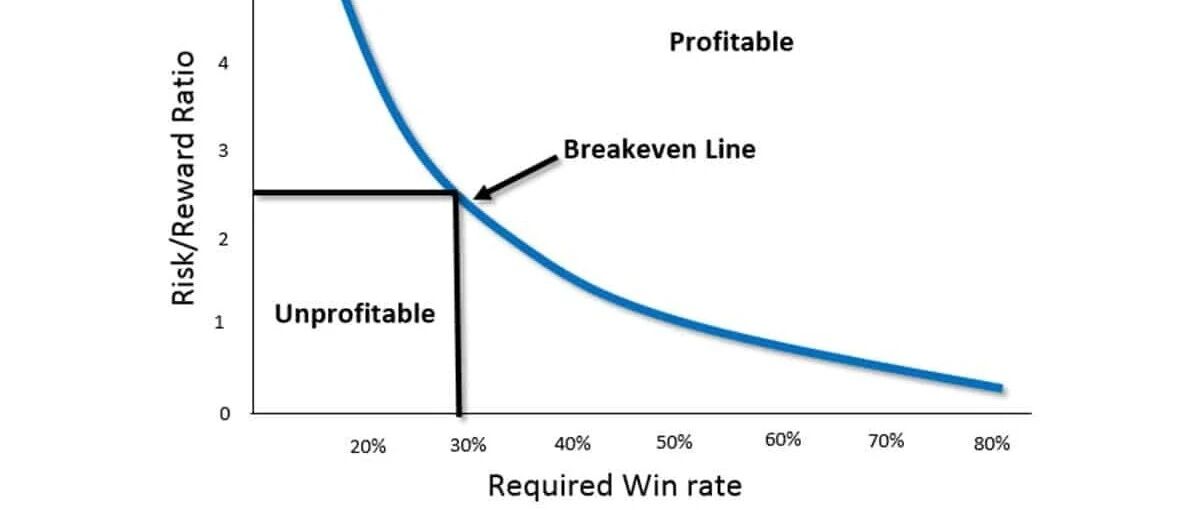
Core Insights - The article discusses the shift from an odds-driven approach to a probability-driven approach in entrepreneurship, emphasizing the importance of understanding user needs and market dynamics [4][7][11] - It highlights the distinction between optimizing for odds, which is akin to gambling, and optimizing for probability, which focuses on solving real user problems [12][14] - The conversation also touches on the evolving landscape of AI, particularly in content creation and user engagement, and the challenges of competing with established platforms [16][19][23] Group 1: Entrepreneurial Strategies - The transition from an odds-driven mindset to a probability-driven mindset is crucial for identifying viable business opportunities [7][11] - Successful entrepreneurs often focus on optimizing for probability by addressing specific user problems rather than chasing high-odds ventures [12][14] - The article contrasts different entrepreneurial philosophies, such as those of Zhang Yiming and Duan Yongping, emphasizing the importance of understanding market dynamics and user needs [15][10] Group 2: AI and Content Creation - AI is categorized into two main types: those that help users save time and those that provide entertainment, with implications for business models [16][17] - The competitive landscape for interactive content is challenging, as established platforms like Douyin and Honor of Kings dominate user engagement [19][20] - The article suggests that the future of AI in content creation will depend on finding new interaction models that resonate with users [19][23] Group 3: Market Dynamics and User Engagement - The success of a product is often determined by the alignment of user demographics, content type, and delivery modality [20][22] - The article argues that the best content will gravitate towards platforms with the highest monetization efficiency, driven by network effects [19][23] - It emphasizes the need for innovative interaction models to capture user attention and engagement in a saturated market [19][23]
网易云危矣?这款亿级黑马App正重构在线音乐格局
猿大侠· 2026-03-14 04:12
Core Viewpoint - Soda Music has emerged as a significant player in the online music industry, becoming the fourth largest platform after Kugou Music, QQ Music, and NetEase Cloud Music, with a monthly active user (MAU) count of 139.82 million as of December 2025, rapidly closing the gap with NetEase Cloud Music [1][2]. User Growth - The user growth of Soda Music has exceeded industry expectations, with its MAU increasing from 50 million in June 2024 to nearly 140 million by the end of 2025, representing a growth rate of over 90% [2]. Market Strategy - The growth of Soda Music is attributed to its unique market strategy and strong support from the ByteDance ecosystem. Over 82% of its user traffic comes from Douyin, allowing seamless transitions for users to listen to full songs from short videos [3][9]. - Soda Music employs a "song-finding" model using Douyin's powerful recommendation algorithm, providing an immersive "song browsing" experience through a short video-style interaction [6]. Content Strategy - Instead of competing in the crowded "exclusive copyright" space, Soda Music focuses on trending songs from Douyin and supports original musicians. Approximately 86% of its Top 1000 songs originate from Douyin [7]. - The platform adopts a "free + advertising" model, allowing users to listen to all songs for free by watching about 80 seconds of ads daily, along with offering a low-cost membership option priced at around 88 yuan per year, which is about half the cost of competitors [7]. Competitive Landscape - Soda Music's rise is reshaping the competitive landscape of China's online music market, attracting users who are less concerned about sound quality and unwilling to pay, thus creating a competitive dynamic distinct from Tencent Music Entertainment Group and NetEase Cloud Music [10]. User Retention Challenges - Despite its large user base, Soda Music faces significant retention challenges, with a paid user conversion rate estimated at only 1% to 2%, which is substantially lower than its main competitors [11][12]. - The platform's low-cost strategy has successfully attracted price-sensitive users but has also deterred high-value users who seek lossless audio quality and exclusive services, which are the primary revenue sources for traditional platforms [12].

诈骗、恶意引流,抖音警示“龙虾”相关安全问题
券商中国· 2026-03-11 23:40
Core Viewpoint - The article highlights the rising popularity of OpenClaw (referred to as "lobster") content on Douyin, which has led to an increase in fraudulent activities and security risks for users, prompting the platform to issue safety warnings [1][2]. Group 1: Fraudulent Activities - Users are being targeted by scammers using phrases like "free lobster training" and "you'll be eliminated by the times if you can't learn" to promote false teaching content, creating anxiety to attract attention and disrupt the normal content ecosystem [1]. - Some accounts are misleading users by offering services under the guise of "installation, debugging, upgrading, and uninstalling," which can lead to consumption disputes and potential leaks of sensitive information [1]. - There are reports of accounts promoting "recommended lobster concept stocks" that deviate from legitimate content, engaging in various fraudulent activities that severely harm user rights [1]. Group 2: Safety Recommendations - Users are advised to avoid downloading unknown installation packages, scanning unfamiliar QR codes, and rejecting non-standard "installation" or "teaching" services [4]. - Caution is urged when adding unknown contacts, and users should not disclose personal information, account passwords, or transfer money to unfamiliar accounts [4]. - Users should manage device permissions carefully, not granting access to sensitive areas like photos or payment systems to unknown programs, and keep their systems and security software updated [4]. - There is a call for users to enhance their information discernment skills, particularly regarding offers that promise "high returns with zero risk" [4].

胡泳:未来企业组织的进化蓝图
经济观察报· 2026-03-10 11:50
Core Viewpoint - Organizations are transitioning from being "containers of resources" to "nodes in an ecosystem" driven by AI and platform economies, with those who successfully complete this paradigm shift likely to seize growth opportunities in the next decade [4][36]. Group 1: Exponential Organizations - The concept of "Exponential Organizations" (ExO) refers to entities that leverage information flow, technology, and network effects to achieve explosive growth at minimal marginal costs [5][6]. - The "SCALE+IDEAS" model outlines five external elements (on-demand workforce, AI and algorithms, leveraged and shared assets, community and participation) and internal elements (experimental culture, data dashboards, user interfaces, decentralized decision-making, social technologies) that characterize ExOs [6]. - The book introduces pathways for traditional companies to transition to exponential growth, providing frameworks like "ExO Sprint" and "ExO Canvas" to facilitate this transformation [6]. Group 2: Platform Organizations - Platform organizations are structured around a technology or service platform, fostering multi-party interactions and value co-creation, which allows for rapid expansion and reduced marginal costs [10][11]. - These organizations emphasize a "light company" approach, focusing on technology architecture and ecosystem governance rather than traditional production or logistics [11]. Group 3: Decentralization and Self-Organization - Decentralization involves weakening or eliminating traditional hierarchical structures, promoting self-driven employees and task autonomy, which can enhance initiative but may also lead to coordination challenges [13]. - Examples include Zappos' "holacracy" model and GitHub's project-centered collaboration structure, which prioritize contribution over hierarchy [14]. Group 4: Dual-Mode Organizations - Dual-mode organizations can flexibly operate between different maturity levels of business, balancing exploitation of existing models with exploration of new strategies [18][19]. - This concept addresses the structural tension organizations face, allowing them to maintain competitiveness and adaptability in changing environments [20]. Group 5: Hacker Culture - Hacker culture emphasizes creative problem-solving and experimentation, becoming a mainstream organizational culture in tech companies like Google and Facebook [21][22]. - This culture encourages rapid iteration and innovation, exemplified by practices such as Facebook's "move fast and break things" and Google's "20% time policy" [22]. Group 6: Case Studies of Exponential Organizations - ByteDance exemplifies ExO characteristics through its modular design, data-driven culture, and rapid experimentation processes [26][28]. - Alibaba's growth trajectory showcases the transition from a small internet startup to a leading digital ecosystem, leveraging external resources and platform rules to drive expansion [29][30]. Group 7: Implications for Chinese Enterprises - The insights from "Exponential Organizations" highlight the need for structural transformation in organizations, moving beyond mere tool upgrades to fundamental growth model changes [36]. - The frameworks provided can guide organizations in executing systematic transformations, addressing the urgency for speed and adaptability in competitive environments [36].


QuestMobile2025中国移动互联网年度大报告:大变局,AI 原生APP 总时长增 177%,吞噬垂类APP用户时长;腾讯、抖音、阿里企业流量均超12亿
QuestMobile· 2026-03-10 01:55
Core Viewpoint - The article emphasizes the significant growth and transformation of the mobile internet landscape in China by 2025, driven by advancements in AI technology and changing user demographics, leading to new competitive dynamics among major internet companies. Group 1: Mobile Internet Growth - By December 2025, the monthly active user (MAU) count for mobile internet reached 1.276 billion, with average daily usage time increasing to 7.96 hours, reflecting a year-on-year growth of 6% [4][18] - The user engagement metrics, including daily usage frequency of 112.9 times, also saw a year-on-year increase of 2.1% [4][18] - The growth is attributed to improved user quality, with 73.3% of users coming from tier-three cities and above, and significant increases in specific sectors like AIGC and audiobooks, which saw usage time growth of 176.7% and 64.4% respectively [4][5] Group 2: User Demographics and Spending Power - The user base is segmented into three age groups: 21.2% under 24 years, 51% between 25 to 50 years, and 27.8% over 51 years, indicating a strong consumer potential among the 25 to 50 age group [5] - The proportion of users with a spending capacity of over 1,000 yuan reached 72.4%, while those in the mid-to-high price segment (over 2,000 yuan) accounted for 70.2% [5] - The aging population trend is leading to an increase in the "silver economy," with older users becoming a significant consumer group [5] Group 3: Competitive Landscape - The competition among major internet companies has intensified, with Tencent, Douyin, and Alibaba leading the user base, each exceeding 1.2 billion MAUs [7][27] - Tencent remains the largest player with 1.275 billion users, while Douyin and Alibaba are rapidly closing the gap with growth rates of 11.9% and 3.7% respectively [7] - The competition has shifted from merely acquiring users to leveraging AI technologies for deeper user engagement and ecosystem development [27][30] Group 4: AI Integration and Application - By December 2025, the overall scale of AI on mobile platforms reached 722 million, with AI-native apps showing a significant increase in user engagement, averaging 143.2 minutes per user [6][30] - AI applications are increasingly replacing traditional apps, with user time on AI-native apps growing by 22.3% from January to December 2025 [6] - Major companies are investing heavily in AI-native applications, with the top 50 AI apps dominated by Alibaba, Baidu, Douyin, and Tencent, which collectively account for 64% of the user base [6][30] Group 5: Marketing and Advertising Trends - The internet advertising market in China reached 793.08 billion yuan in 2025, growing by 4.6% year-on-year, driven by AI marketing and emotional marketing strategies [50] - The advertising strategies are evolving, with a focus on emotional and experiential marketing, particularly in sectors like tourism and lifestyle [50][61] - The integration of online and offline marketing channels is becoming increasingly important, with brands leveraging local consumption scenarios to enhance engagement [75][79]



大厂总部扎堆落子深圳
21世纪经济报道· 2026-03-08 10:09
Core Viewpoint - Shenzhen is experiencing a surge in headquarters projects, with a total of 832 major projects planned for 2026, amounting to an investment of 3.2 trillion yuan, highlighting the city's focus on developing a robust headquarters economy [1][15]. Group 1: Local Enterprises Expanding Headquarters - Major local companies are significantly increasing their investments in headquarters projects, including Tencent's "Internet+" Future Technology City and DJI's Global Headquarters for Intelligent Aviation Systems [1][5]. - The "Internet+" Future Technology City by Tencent is set to cover an area of 809,000 square meters, with a total built area exceeding 3 million square meters, expected to accommodate over 80,000 employees [4]. - DJI's new headquarters project, located in the Shenzhen Bay Super Headquarters Base, aims to create a hub for intelligent aviation systems, enhancing the company's R&D and operational capabilities [6][8]. Group 2: External Enterprises Establishing Presence - External companies are increasingly establishing headquarters in Shenzhen, with notable projects including Douyin's (TikTok) Pan-Video Technology R&D Headquarters and JD Group's comprehensive headquarters project [10][13]. - Douyin's project will support the development of core products and services, including AI and SaaS platforms, contributing to the digital economy in Shenzhen [10]. - JD Group's headquarters project is expected to attract around 200 upstream and downstream enterprises, creating nearly 10,000 high-end jobs and fostering an e-commerce ecosystem [13][15]. Group 3: Strategic Importance of Shenzhen - Shenzhen's complete hard technology ecosystem and efficient resource allocation make it an attractive location for companies to establish headquarters, facilitating rapid and effective resource mobilization [2][8]. - The city's strategic position and favorable business environment are recognized by both local and external enterprises, driving significant investments in headquarters projects [15].




抖音拆出“抖省省”,正面截胡美团
Sou Hu Cai Jing· 2026-03-07 18:35
Core Viewpoint - Douyin has launched an independent group buying app called "Dou Sheng Sheng," marking a significant shift in its local life services strategy, aiming to enhance transaction efficiency while separating content from commerce [1][3]. Group 1: Business Strategy - The launch of "Dou Sheng Sheng" is seen as a necessary step for Douyin, driven by impressive performance metrics, including a projected GMV of 850 billion yuan for 2025, representing a 59% year-on-year growth [3]. - The app focuses on high-value offers, such as "9.9 yuan for a drink" and "19.9 yuan for a meal," contrasting with Douyin's traditional content-heavy approach [4][6]. - Douyin aims to address the challenges of user experience by separating entertainment from transaction flows, which have been causing user dissatisfaction [3][4]. Group 2: Market Competition - Douyin faces significant competition from Meituan, which has a well-established delivery network covering 2,800 counties and cities, over 800 million annual transaction users, and more than 50% market share [4]. - The reliance on algorithmic recommendations has left Douyin lacking in offline fulfillment capabilities, making it difficult to compete with Meituan's operational experience [4]. - Douyin's previous high subsidy strategy has eroded its profits, creating a pressing need to balance growth and profitability [4]. Group 3: Financial Backing and Future Outlook - Douyin's valuation has soared to $550 billion (approximately 3.8 trillion yuan), positioning it as the highest-valued private tech company globally, second only to Tencent [4]. - The anticipated revenue of approximately $155 billion for 2024 and the success of AI products like Doubao, which has over 100 million daily active users, contribute to a positive outlook for Douyin's local life services [4].


Dola能成为下一个TikTok吗?
创业邦· 2026-03-07 10:24
Core Viewpoint - Doubao has emerged as one of the most prominent AI applications in China over the past two years, leveraging ByteDance's strengths in entertainment interaction and content sharing to achieve rapid user growth and high retention rates [5][6]. Group 1: Doubao's Market Position - By Q3 2025, Doubao reached 172 million monthly active users, becoming the top AI application in China, with a peak of 145 million daily active users during the Spring Festival collaboration [5]. - Doubao's emotional interaction is more natural and user-friendly compared to other AI applications, making it suitable for personal short video creation [5]. Group 2: Dola's Development and Strategy - Dola, initially launched as Cici in overseas markets, has low brand recognition in China and is often inaccurately referred to as Doubao's overseas version [6]. - Dola's user base reached 55 million monthly active users by the end of 2025, establishing a stable reputation among young users in Southeast Asia and Latin America [9]. - Dola's strategy focuses on low barriers to entry and impressive image capabilities, targeting emerging markets with high demand for practical tools [7][19]. Group 3: ByteDance's AI Strategy - ByteDance plans to invest 160 billion RMB in AI by 2026, with half allocated for high-end computing chips to support large model development [12]. - The company aims to integrate Doubao and Dola into a cohesive AI assistant strategy, enhancing user experience and leveraging existing services [10][14]. - ByteDance's competitive edge lies in its recommendation algorithms, content scenarios, and user operations, which need to be adapted for AI applications [14]. Group 4: Market Challenges and Opportunities - The AI landscape is increasingly competitive, with major players like OpenAI and Google dominating, necessitating a differentiated approach for Dola [18]. - Dola is positioned as a "one-stop creative assistant," focusing on everyday needs like writing, translation, and image generation, rather than competing directly with high-end AI solutions [19]. - The strategy involves leveraging TikTok's traffic to drive user acquisition for Dola while maintaining a focus on user experience and practical applications [20].

张一鸣第一个IPO,要来了?
创业家· 2026-03-07 10:18
Core Viewpoint - The article discusses the potential IPO of Dongche Di, a car information platform under ByteDance, which aims to raise between $1 billion and $1.5 billion and could become the first publicly listed company under Zhang Yiming's leadership [4][6][7]. Group 1: Company Overview - Dongche Di, originally a part of the Toutiao automotive channel, became an independent app in 2017 and has since grown to be one of the largest automotive information platforms in China, alongside Autohome and Yiche [5][6]. - The platform has expanded its services beyond information to include online and offline transactions for new and used cars, as well as involvement in the automotive aftermarket and services [5]. Group 2: IPO Significance - If successful, Dongche Di's IPO would mark a significant milestone for Zhang Yiming, as he has not previously led any publicly listed companies despite ByteDance's growth into one of China's internet giants [6][7]. - The IPO is seen as a response to increasing pressure from investors for ByteDance to enter the public market, especially as the company has completed multiple funding rounds totaling over $7 billion, with a current valuation of $550 billion [7][8]. Group 3: Market Context - The article highlights the competitive landscape of the automotive information sector, noting that while Dongche Di has a solid user base, the overall growth potential in the industry is limited due to a significant increase in online leads compared to actual car sales [20][21]. - The platform's business model primarily revolves around generating leads for car manufacturers and dealerships, which has faced challenges due to market saturation and competition [13][15]. Group 4: Strategic Positioning - Dongche Di's relative independence from ByteDance's core businesses allows it to pursue an IPO without directly impacting the parent company's operations, making it a suitable candidate for public listing [12][17]. - The platform's established relationships with automotive manufacturers and consumers provide valuable data and insights that could enhance ByteDance's AI initiatives in the automotive sector, particularly in developing AI-driven in-car technologies [26][27]. Group 5: Future Prospects - The article suggests that Dongche Di's IPO could serve as a testing ground for ByteDance's future public offerings, allowing the company to refine its approach to splitting off smaller business units for independent listings [35]. - As the automotive information market evolves, Dongche Di's ability to leverage AI technologies and its existing user base may position it favorably for growth and investor interest post-IPO [20][24].