蚂小财

Search documents
从支付到健康,蚂蚁的下一站
盐财经· 2026-01-28 10:29
Core Insights - Ant Group is shifting its focus from financial services to health management, aiming to address both wealth and health concerns of the public, as articulated by CEO Han Xinyi [3][6] - The company is investing heavily in its health AI assistant "Afu," which aims to provide comprehensive health management services, indicating a strategic pivot towards the health sector [6][19] Group 1: Strategic Shift to Health - Ant Group's decision to enter the health sector is driven by a combination of technological advancements, societal needs, and its corporate DNA, marking a significant strategic choice for the next decade [2][3] - The health sector is seen as a vast market with long-tail demands that have not been effectively digitized, contrasting with previous internet healthcare models that focused narrowly on selling medications [8][10] Group 2: Market Dynamics and Demand - There is a strong policy push from the government to integrate AI into healthcare, with multiple initiatives aimed at enhancing health services through technology [10] - Health is identified as a fundamental need that persists through economic cycles, with increasing public anxiety about health management, particularly in the context of uneven healthcare resource distribution [10][12] Group 3: Technological Advancements - The rise of AI technology is expected to enhance traditional healthcare services, making them more efficient and personalized, which aligns with Ant Group's strategy to leverage its technological capabilities in a specialized field [12][19] - Over a thousand doctors have already created AI avatars on Afu, indicating a proactive approach to enhancing healthcare delivery and expanding service capacity [12] Group 4: Investment and Commitment - Ant Group is committing substantial financial resources to the health sector, with projected annual investments reaching "tens of billions" in 2024 and 2025, reflecting a serious commitment to succeed in this domain [15][16] - The company views its health initiative as a critical component of its identity in the AI era, aiming to replicate its successful financial service model in the healthcare space [16][18] Group 5: Future Vision and Ecosystem - Afu is designed to evolve into an open health data and service ecosystem, integrating with various health monitoring devices to provide continuous health management services [19] - The ultimate goal is to create a comprehensive health service platform that not only addresses immediate health concerns but also builds long-term user trust and engagement [18][19] Group 6: Competitive Landscape - The health sector is becoming increasingly competitive, with major tech companies like Amazon and Anthropic also entering the AI health space, indicating a broader industry trend towards digital health solutions [23][24] - Ant Group's strategic investments and innovations are positioned to capitalize on this trend, suggesting a well-defined roadmap for future growth in the health sector [24]


2025年金融科技回望:AI大模型正在重构金融价值链
Mei Ri Jing Ji Xin Wen· 2025-12-31 13:16
Core Insights - The rapid integration of AI into the financial sector is transforming traditional business models and creating new opportunities for growth and efficiency [1][2][3] - Financial institutions are facing challenges of "growth stagnation" and "high-quality development" amid economic pressures, prompting a search for AI-driven solutions [1][2] - The adoption of AI technologies is expected to significantly enhance operational efficiency, with examples showing reductions in processing times and improvements in accuracy [1][3] Policy and Market Dynamics - Regulatory frameworks are encouraging the integration of AI and other advanced technologies in finance, emphasizing their role in supporting the real economy [2] - The demand for financial technology services is evolving, with over 1 billion personal users and 76.3% actively using these services, particularly among younger demographics [2] - Traditional financial models are becoming less effective, leading fintech companies to explore innovative AI solutions to meet changing market demands [2][3] Technological Advancements - The focus of financial institutions is shifting towards advanced reasoning models capable of complex logical deductions, moving beyond basic generative AI [4][5] - Companies like Du Xiaoman are pioneering the development of financial reasoning models to enhance risk assessment and decision-making processes [5] - The integration of AI is not just about technology but also about creating value through understanding customer needs and improving service delivery [6] Social Impact and Consumer Protection - Financial technology platforms are increasingly focusing on consumer protection and fraud prevention, utilizing AI to build comprehensive anti-fraud systems [7] - Initiatives in inclusive finance are being accelerated, with companies leveraging technology to translate government subsidies into tangible benefits for consumers [7][8] - The growth of microfinance is evident, with outstanding loans for small and micro enterprises increasing significantly, reflecting a shift towards quality in financial services [8] Future Outlook - The anticipated changes by 2025 suggest a return to the essence of financial services, with a focus on understanding and meeting customer needs more effectively [9]
浙江企业“研发之王”:一年投入267亿元,领先蚂蚁集团、网易
Sou Hu Cai Jing· 2025-11-23 18:52
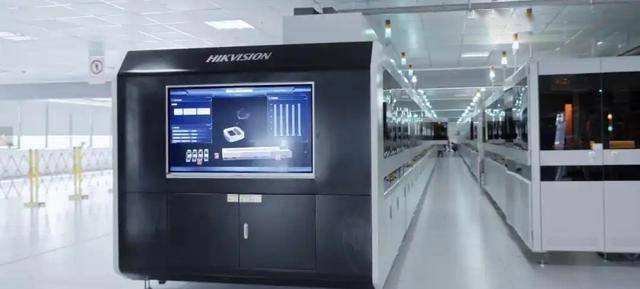
Core Insights - The annual list of top 100 enterprises in Zhejiang serves as an important indicator of the development of local companies, with total revenue exceeding 10 trillion yuan for three consecutive years, and 33 companies reporting revenues over 100 billion yuan, an increase of 2 from the previous year [1] - The growth of Zhejiang enterprises is driven by continuous investment in technological innovation, with 89 companies holding a total of 178,180 patents, marking an increase of 17,811 patents (11.11%) from the previous year [1] Group 1: Revenue and Rankings - Alibaba Group leads the list with a revenue of 996.35 billion yuan, followed by Rongsheng Holding Group at 658.60 billion yuan and Geely Holding Group at 574.83 billion yuan [12] - The top 10 companies by revenue include notable names such as Hikvision, NetEase, and Ant Group, with revenues ranging from approximately 924.96 million yuan to 996.35 billion yuan [12][13] Group 2: R&D Investment - Geely Holding Group ranks first in R&D investment with 266.65 billion yuan, a 16.3% increase from the previous year, and has committed over 100 billion yuan for R&D from 2021 to 2025 [9][10] - Ant Group follows with an R&D investment of 234.59 billion yuan, a 10.7% increase, and leads in patent holdings with 23,550 patents [7][10] - NetEase ranks third with an R&D investment of 175.25 billion yuan, reflecting a 6.3% year-on-year growth, and has focused on AI technology to enhance user experience in various sectors [5][10] - Hikvision, the largest security company globally, invested 118.64 billion yuan in R&D, maintaining a research expense ratio exceeding 10% for five consecutive years [3][10] Group 3: Technological Innovation - The manufacturing sector dominates patent holdings, with 65 companies owning 137,551 patents, while the service sector holds 37,859 patents [1] - Companies like Ant Group and NetEase are heavily investing in AI technologies, with Ant Group launching three AI assistants that have served over 130 million users [7] - Geely has been recognized for its innovation in hybrid power control technology, leading the industry in several patent metrics [9]



蚂蚁CTO何征宇:蚂蚁有三个“灵”,后续还会有灵波的发布会
Xin Lang Ke Ji· 2025-11-20 07:13
Core Insights - Ant Group's CTO He Zhengyu announced the launch of the Lingguang App, which was initially considered to be named Lingfan but ultimately chose a more widely accepted name [1] - The company has three key components: the Bailin large model, Lingbo robots, and future releases related to Lingbo, indicating a cohesive strategic direction [1] - The Lingguang App builds on prior technological advancements and aims to be a representative product in the AGI era, with aspirations for AQ to serve as a health manager and Ant Xiaocai to be a personal assistant akin to Warren Buffett [1] Summary by Categories Product Development - The Lingguang App was officially launched after a three-month project initiation, leveraging existing technological foundations [1] - The app is positioned to highlight the technological capabilities of Ant Group, which have been overshadowed by its business successes [1] Strategic Vision - Ant Group aims to explore various directions in the AGI era, with the Lingguang App being a key part of this vision [1] - The company emphasizes the importance of having a representative product that embodies its technological ambitions [1] Future Plans - Ant Group plans to hold a release event for Lingbo, indicating ongoing development and innovation in its product lineup [1] - The company envisions AQ as a health management tool and Ant Xiaocai as a personal financial assistant, showcasing its diverse product strategy [1]
杭州连发两张王牌:阿里千问对标ChatGPT,蚂蚁灵光同频Gemini3.0
财联社· 2025-11-18 06:28
Core Viewpoint - The article highlights the emergence of Hangzhou as a significant player in the AI industry, showcasing the launch of major AI applications like Alibaba's Qianwen and Ant Group's Lingguang, which are positioned to compete with global leaders like ChatGPT and Gemini 3.0 [1][3][7] Group 1: AI Applications and Market Dynamics - Alibaba launched the Qianwen app, directly competing with ChatGPT, while Ant Group introduced the Lingguang AI assistant, which can generate daily life applications in 30 seconds on mobile devices [1][7] - The AI industry in Hangzhou is rapidly developing, with the AI sector's annual output value in Zhejiang province expected to exceed 570 billion yuan in 2024, with Hangzhou contributing over 70% of the profits [3] - According to QuestMobile's report, three of the top ten native AI applications in China by monthly active users are from Hangzhou, indicating a strong local presence in the AI market [3] Group 2: Talent and Salary Trends - The average monthly salary for AI product managers in China reached 19,459 yuan in Q3 2023, with Hangzhou leading the nation at 28,659 yuan, reflecting the high demand for AI talent in the region [4] Group 3: Ecosystem and Competitive Landscape - The success of Hangzhou's AI ecosystem is significantly supported by the "Alibaba system," which has established a strong industrial and ecological foundation over the past two decades [5] - The competitive landscape is characterized by a "South Alibaba, North Byte" dynamic, with Hangzhou and Beijing emerging as the two main hubs for AI development in China [5] Group 4: New Frontiers in AI - The AI industry is shifting from a focus on technology competition to exploring application deployment, with the AI assistant market viewed as the next battleground [6][7] - Ant Group's Lingguang differentiates itself by generating interactive and editable tools for complex needs, marking a shift towards personalized and professional AI services [9][10] - The article emphasizes the transition of AI from a dialogue tool to a productivity tool, with Lingguang's capabilities aligning with the broader trend of AI applications becoming more integrated into daily life [10]
QuestMobile2025年三季度AI应用行业报告:移动端AI应用规模突破7亿大关,模型升级加速,MCP助推产业开放
QuestMobile· 2025-10-28 02:01
Core Insights - The AI application market is experiencing rapid growth, with mobile and PC active user counts reaching 729 million and 200 million respectively by September 2025 [3][4][20] - Major companies are shifting focus from parameter competition to ecosystem collaboration, optimizing models to meet customer needs and expand application scenarios [4][9] - The In-App AI plugin model has become the leading growth driver, with 31 out of the top 50 AI applications being plugins [4][5][24] Market Overview - By September 2025, the mobile AI application market has surpassed 700 million users, with native apps, In-App AI, and mobile manufacturer AI assistants reaching 287 million, 706 million, and 535 million users respectively [20][9] - The growth of mobile applications is supported by a stable head of native apps, while the PC web applications face challenges, with over 75% experiencing growth difficulties [5][60] User Engagement - The average usage time for native AI applications is 117.7 minutes, significantly higher than In-App AI plugins at 31 minutes and mobile manufacturer AI assistants at 5.3 minutes [6][24] - The top AI applications show a stable user base, with notable growth in vertical applications like AQ and Doubao, which have seen substantial increases in active users [6][38] Competitive Landscape - The competitive landscape is solidifying, with nearly 60% of native apps experiencing negative growth, indicating a narrowing window for new entrants [31][34] - Vertical applications are thriving, with AQ, Doubao, and Jimeng AI showing impressive growth rates of 83.4%, 15.7%, and 12.1% respectively [38][40] Ecosystem Development - The MCP services have reached 9,384, facilitating ecosystem collaboration and marking a new phase of commercialization in the AI industry [4][9][80] - Companies are focusing on integrating AI into business scenarios, enhancing user experience through seamless service delivery [70][72] Future Trends - The AI market is transitioning from a focus on broad capabilities to specialized, efficient solutions, with a significant increase in model updates and iterations [16][18] - The integration of payment capabilities is seen as a key milestone for the commercialization of AI applications, paving the way for an "AI as a service" economy [85][87]

科技云报到:找到真场景,抓住真需求,这样的具身智能才是好AI
Sou Hu Cai Jing· 2025-10-10 05:10
Core Insights - The article discusses the emerging concept of embodied intelligence, which is seen as the next frontier for AI, enabling machines to not only think but also act in the physical world [1][3] - Despite the potential, the commercialization of embodied intelligence is facing challenges such as high costs, inefficiencies, and data bottlenecks, with significant advancements needed to bridge the gap between technical feasibility and commercial success [1][3] - The global humanoid robot market is projected to reach $17.3 billion by 2027, with a compound annual growth rate (CAGR) of 63.5%, and could potentially grow to $7 trillion by 2050 [3][4] Industry Developments - Various companies, including Apple, Huawei, and Xiaomi, are investing in the embodied intelligence sector, with significant government support through the establishment of investment funds [3][4] - The application of embodied intelligence is gaining traction in traditional industries such as manufacturing, healthcare, retail, energy, logistics, and construction, showcasing its potential to deliver tangible benefits [3][4] Technological Advancements - The article highlights the need for AI to integrate seamlessly into existing industry processes, moving from being a tool to becoming an essential infrastructure that enhances productivity [4][6] - Ant Group's Robbyant-R1 humanoid robot exemplifies advancements in multi-modal perception and interaction, capable of performing various tasks in real-world scenarios [6][10] Market Trends - The shift from "selling tools" to "selling outcomes" is evident in the AI industry, with companies like Ant Group focusing on delivering measurable business results rather than just AI functionalities [14][16] - The introduction of AI digital employee teams by Ant Group aims to enhance operational efficiency and reduce costs for businesses, demonstrating the growing importance of AI in driving business growth [16][17]

美国私人财富管理协会|财富管理AI,上新
Sou Hu Cai Jing· 2025-09-29 06:26
Core Insights - The launch of the first wealth management AI assessment benchmark "FinMCP-Bench" and the advisory AI model "Dianjin-Qieman-FA-Agentic" aims to address the need for specialized AI applications in the wealth management sector [1][4][6] - The "FinMCP-Bench" focuses on quantifying the tool utilization capabilities of AI models specifically for wealth management, differentiating it from general financial AI benchmarks [4][6] - The "Dianjin-Qieman-FA-Agentic" model is designed to effectively tackle common challenges in financial vertical AI models, enhancing decision-making capabilities in complex scenarios [5][6] Group 1: AI in Wealth Management - The financial services sector has high demands for the professionalism, rigor, and accuracy of AI, necessitating a specialized evaluation standard for AI models [4] - The assessment benchmark utilizes real user interaction data from the "Qieman" app, reflecting diverse and personalized wealth management needs [4][6] - The model emphasizes not only semantic understanding but also the accuracy of tool utilization and the standardization of advisory service processes [4][6] Group 2: Industry Trends and Developments - AI is increasingly seen as a valuable tool in wealth management, providing 24/7 availability, lowering service barriers, and offering personalized advice [8] - Recent upgrades in AI wealth management assistants, such as "蚂小财" and "京小贝," have significantly improved user engagement and satisfaction metrics [8][9] - The industry is witnessing a shift towards more practical and efficient AI applications, with platforms like Ant Group's open platform enhancing service capabilities for financial institutions [9]

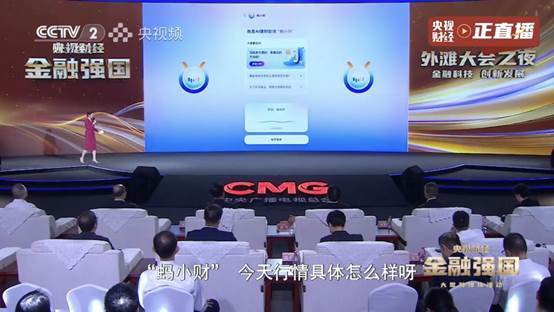
理财AI助理“蚂小财”登上央视,现场解答行情和理财疑问
Zheng Quan Shi Bao Wang· 2025-09-24 03:55
Core Insights - The article highlights the significant advancements in financial technology in China, particularly focusing on the AI application "Ma Xiao Cai" from Ant Wealth, which serves as an AI assistant for personal finance management, demonstrating capabilities comparable to professional analysts [1][2]. Group 1: AI Application and User Engagement - "Ma Xiao Cai" has over 70 million users, ranking first among professional AI applications in China according to Quest Mobile's report [1]. - In August, the inquiry volume for "Ma Xiao Cai" increased by 42%, with the AI assistant issuing 8.32 million rational investment alerts to users amid market volatility [2]. - The AI assistant offers features such as "monitoring" and "fund diagnosis," which help users understand market events and assess fund performance, thereby enhancing user experience and accessibility [2]. Group 2: Professional Use and Market Position - "Ma Xiao Cai" is also utilized by financial institutions and academic professionals, with the PRO version available to over a hundred partner institutions for market research and analysis [3]. - The underlying model of "Ma Xiao Cai," known as Finix, has been recognized for its superior performance in financial rigor, ranking first in the FinEval 6.0 evaluation report by Shanghai University of Finance and Economics [3]. - Experts believe that the integration of AI in finance will significantly contribute to the development of inclusive and digital finance in China, enhancing service accessibility and quality [3].
理财AI助理蚂小财登上央视:AI让专业理财服务更普惠
Huan Qiu Wang· 2025-09-24 03:03
Core Insights - The article highlights the advancements in financial technology in China, particularly focusing on the AI application "Ma Xiao Cai" from Ant Wealth, which serves as an AI assistant for personal finance management, demonstrating capabilities comparable to professional analysts [1][6]. Group 1: User Engagement and Growth - "Ma Xiao Cai" has surpassed 70 million users, ranking first among professional AI applications in China [3]. - Since August, the inquiry volume for "Ma Xiao Cai" has increased by 42%, coinciding with market fluctuations as the Shanghai Composite Index surpassed 3,800 points [3]. - The AI assistant has issued 8.32 million rational investment alerts to users, warning against risky trading behaviors such as chasing highs and cutting losses [3]. Group 2: Features and Functionality - Users of the AI service primarily seek market interpretation, fund analysis, and asset allocation methods [5]. - "Ma Xiao Cai" offers specialized features like "watching the market" and "fund diagnosis," which provide detailed insights into market events related to users' holdings and comprehensive analyses of funds [5]. - The app has introduced an interactive feature allowing users to easily access assistance by pressing and holding on the screen, making professional financial services more accessible, especially to users from lower-tier cities [5]. Group 3: Professional Adoption and Performance - "Ma Xiao Cai" is also being utilized by financial institutions and academic professionals, with the PRO version available to over a hundred partner organizations for research and daily operations [6]. - The underlying model of "Ma Xiao Cai," known as Finix, has been recognized for its superior performance in financial rigor, ranking first among mainstream models in a recent evaluation [6]. - The integration of AI in finance is seen as a crucial area for innovation, contributing to the development of inclusive and digital finance in China, which is expected to enhance economic and social growth [6].