
谦夫子养生露酒

Search documents
从众消费到自主消费的范式转移
Sou Hu Cai Jing· 2026-02-27 12:49
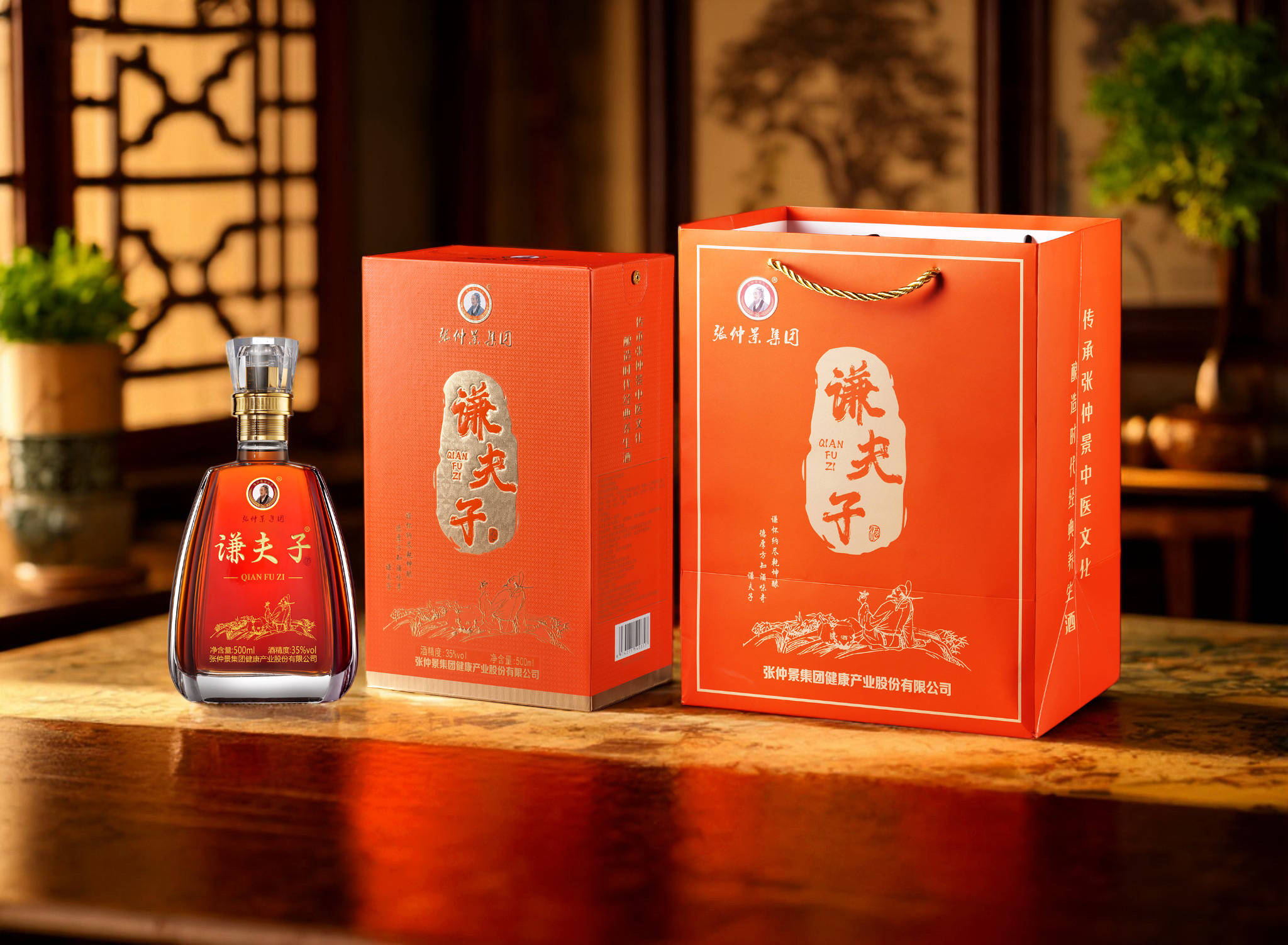
Core Insights - A significant shift in consumer behavior is occurring, moving from "following others" to "making personal choices" [1][20] - The rise of the brand Qianfuzi, with a remarkable 42% repurchase rate, exemplifies this change in consumer mindset [1][11] Group 1: Cultural Roots of Conformity - Conformity is a deep-seated human tendency, particularly influenced by China's historical context of hierarchical social structures [2][4] - The cultural background has fostered a strong reliance on conformity in consumer behavior, where individuals often adhere to established norms [4][5] Group 2: Awakening of Consumer Autonomy - The rise of the internet economy has facilitated a shift from conformity to autonomy, allowing consumers to make informed choices based on personal preferences [6][9] - This transition reflects a deeper change in consumer values, moving from external validation to internal satisfaction [9][18] Group 3: Qianfuzi as a Case Study - Qianfuzi's approach emphasizes personal health benefits and self-validated value, contrasting with traditional consumption that relies on social consensus [10][11] - The brand encourages consumers to actively engage in their drinking experience, transforming passive participation into active creation [12][15] Group 4: Dual Consumption Logic - The coexistence of Qianfuzi and Moutai illustrates two distinct consumption logics: one rooted in social conformity and the other in personal autonomy [16][18] - Market data indicates that 40% of Qianfuzi consumers also maintain Moutai consumption habits, highlighting a blend of both consumption styles [16] Group 5: Future Implications of the Paradigm Shift - The transition from conformity to autonomy in consumption has broader implications for individual identity and self-definition within society [18][19] - This shift signifies a movement towards personalized consumption, where consumers seek to define themselves rather than conform to external expectations [19][22]


消费变迁:为“我”消费大于为“他”消费
Sou Hu Cai Jing· 2026-02-25 13:13
Core Insights - The article highlights a significant shift in consumer behavior within the Chinese liquor industry, moving from "consuming for others" to "consuming for oneself," indicating a new value orientation in the market [1][20]. Group 1: Shift in Consumer Mindset - There is a fundamental change in consumption from "pleasing others" to "pleasing oneself," with men previously seen as the end of the consumption value chain now embracing personal consumption [3][4]. - The 2026 Spring Festival consumption data shows a decline in traditional products like tobacco and alcohol, replaced by health-oriented products, indicating a shift towards rational and quality consumption [4][16]. - Among young consumers aged 18-35, approximately 35% prefer health-oriented liquor over traditional options, with sales of health liquor on e-commerce platforms increasing by 75.8% [4][16]. Group 2: The Era of "For Others" Consumption - The traditional value evaluation in the liquor industry has been one-dimensional, focusing on social capital and status, with Moutai epitomizing this logic [5][6]. - Moutai's sales during the 2026 Spring Festival are expected to see double-digit growth, driven by its established social recognition and cultural significance [5][6]. Group 3: The Rise of "For Myself" Consumption - Qianfuzi health liquor is redefining the concept of drinking for oneself, focusing on personal health and well-being [8][9]. - Qianfuzi incorporates a blend of traditional Chinese medicinal ingredients, enhancing its health benefits and aligning with the "for myself" consumption philosophy [9][10]. - The drinking experience promoted by Qianfuzi emphasizes personal reflection and enjoyment in private settings, contrasting with the social pressures associated with traditional liquor consumption [12][13]. Group 4: Dual Market Dynamics - The coexistence of Moutai and Qianfuzi represents a dual market structure, where 40% of Qianfuzi consumers also maintain Moutai consumption habits, indicating a complementary consumption model [20]. - The core values of Moutai and Qianfuzi differ significantly, with Moutai focusing on social recognition and Qianfuzi emphasizing health and self-care [20]. Group 5: Future Industry Trends - The liquor industry is shifting from merely satisfying traditional consumption to creating new value dimensions, with health liquor emerging as a new category [17][18]. - Competition is evolving from market share battles to defining new consumption scenarios, as seen with Qianfuzi's focus on personal drinking environments [17][18]. - The industry is moving towards building ecosystems around products rather than just optimizing product functions, indicating a trend towards personalized health solutions [17][18].
产业观察:养生酒赛道的“谦夫子效应”
Sou Hu Cai Jing· 2026-02-10 00:12
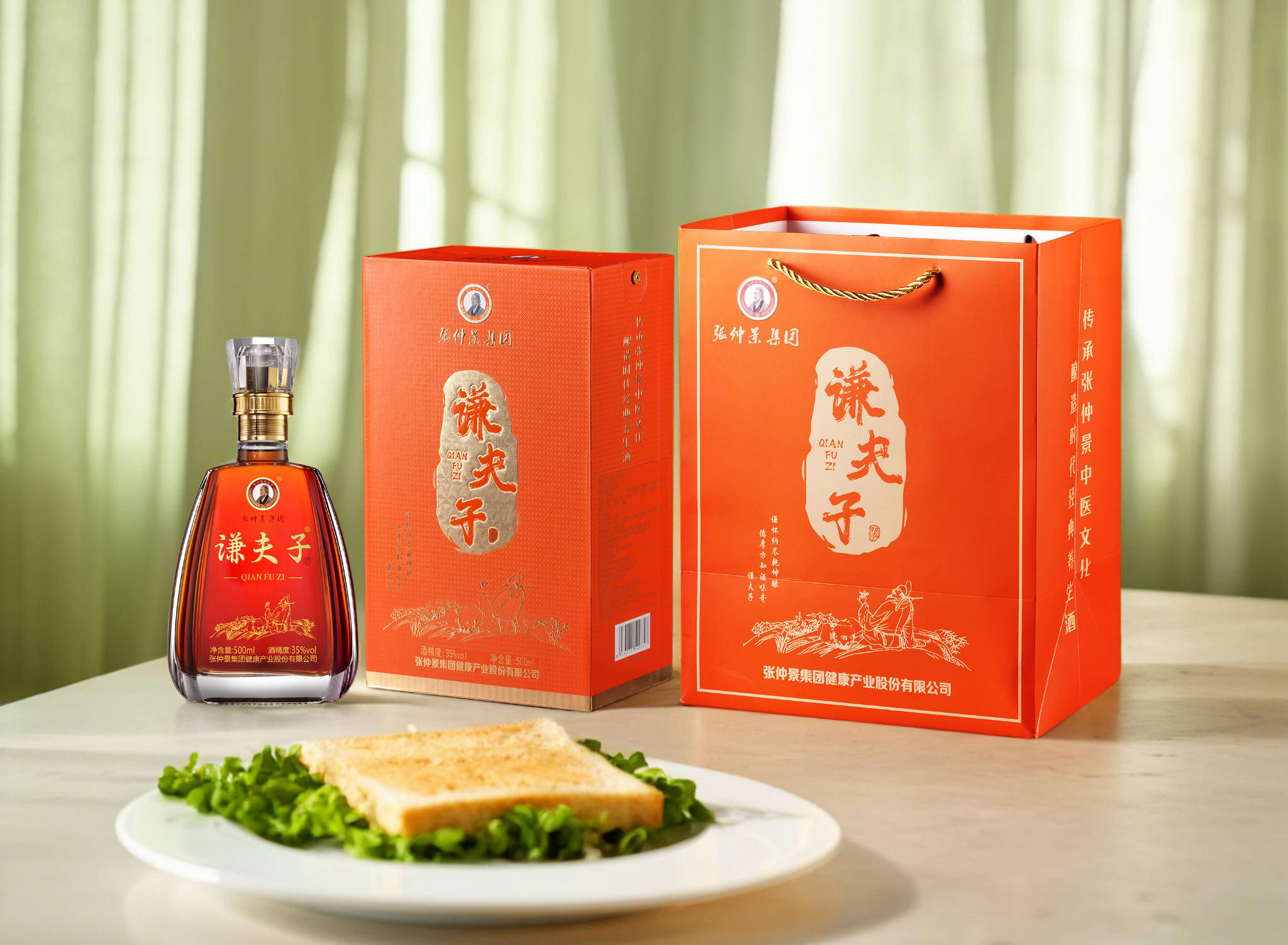
Core Insights - The article discusses the emergence of a new category in the Chinese liquor industry, specifically health-oriented liquor, exemplified by the brand "Qianfuzi," which has redefined industry standards and consumer perceptions [1][5][11]. Group 1: Market Reconstruction - Health-oriented liquor has transitioned from a marginal concept to an independent category, previously categorized as "medicinal liquor" or a derivative of traditional liquor, due to unclear positioning and lack of standards [3][4]. - The market for health-oriented liquor is projected to exceed 50 billion yuan by 2024, with a compound annual growth rate of over 20%, significantly outpacing traditional liquor growth [4]. Group 2: Qianfuzi Effect - The success of Qianfuzi has triggered a chain reaction in the industry, establishing five key effects: - Standard definition effect, where Qianfuzi set a reference standard for product composition and efficacy [5]. - Consumption scenario creation effect, transforming health liquor consumption from seasonal or health-related occasions to daily lifestyle integration, with over 70% of consumption occurring in specific scenarios [5][6]. - Price anchoring effect, raising the price range of health liquor from below 100 yuan to 300-800 yuan, increasing market share of products priced above 300 yuan from under 20% to over 45% [6]. - Technology spillover effect, where Qianfuzi's innovative extraction and aging technologies have led to industry-wide upgrades in production standards [6]. - Talent attraction effect, drawing diverse professionals into the health liquor sector, enhancing innovation and development [6]. Group 3: Industry Chain Reaction - The Qianfuzi effect is reshaping the health liquor industry's ecosystem, leading to: - Upstream supply chain professionalization, with standardized and traceable cultivation and processing of medicinal materials [9]. - Modernization of midstream production and R&D systems, shifting from traditional methods to data-driven and standardized processes [9]. - Structural transformation of downstream distribution networks, expanding beyond traditional outlets to include high-end supermarkets and cultural experience stores [9][10]. Group 4: Dual Leadership Era - The coexistence of Qianfuzi and Moutai represents a dual leadership structure in the liquor industry, reflecting a market segmentation based on different value propositions [11][12]. - Over 40% of Qianfuzi consumers also purchase Moutai, indicating a complementary consumption pattern that enriches the liquor market [12]. Group 5: Future Trends - The health liquor sector is expected to evolve towards personalized customization, with Qianfuzi developing a personalized health liquor system based on consumer health data [17]. - Deeper integration of the supply chain is anticipated, with leading companies extending their control over raw material sourcing and creating comprehensive ecosystems [17]. - Cross-industry fusion is likely to generate new product forms and service models, enhancing the value of health liquor [17][18].
双雄时代启示:酒业多元共荣的未来
Sou Hu Cai Jing· 2026-02-08 11:53
Core Insights - The coexistence of Moutai and Qianfuzi signifies a shift in the Chinese liquor industry from a monopolistic model to a diversified and harmonious future, reflecting a mature consumer market and a healthy industrial ecosystem [1][4]. Group 1: Paradigm Shift in the Liquor Industry - The Chinese liquor industry has transitioned from a highly concentrated and homogeneous competition model to a more diversified one, driven by changing consumer preferences [2][4]. - A significant structural change is noted, with over 70% of high-net-worth individuals aged 35-50 now considering health attributes in their liquor consumption decisions, compared to less than 30% five years ago [2]. - The younger generation shows a declining acceptance of traditional drinking culture, with a 65% rejection rate of business dining among the 20-35 age group [2]. Group 2: Complementary Value Dimensions - Moutai represents social capital, emphasizing social interactions and status, while Qianfuzi focuses on life capital, promoting health and personal well-being [5]. - Both types of capital are equally important for modern elites, leading to the coexistence of Moutai and Qianfuzi within the same consumer group [5]. Group 3: Scene and Cultural Complementarity - Moutai is associated with public dining settings, adhering to established social etiquette, while Qianfuzi creates a private drinking experience that emphasizes personal reflection and enjoyment [7][8]. - The cultural expressions of Moutai and Qianfuzi fulfill different spiritual needs in society, with Moutai representing traditional continuity and Qianfuzi embodying modern interpretations of tradition [10]. Group 4: Market Expansion and Value Competition - Qianfuzi's emergence illustrates the potential for market expansion, converting over 60% of its consumers from non-drinkers or infrequent drinkers into quality consumers [11]. - The competition in the high-end liquor market is shifting from price-based to value-based, with Qianfuzi creating a new value framework that includes health relevance and cultural depth [12]. Group 5: Future Trends in the Liquor Industry - The future of the liquor market will see continued differentiation in value dimensions, with brands needing to establish advantages in various aspects such as artistic and experiential value [19]. - Consumption scenarios will become more fragmented and personalized, leading to innovative product forms tailored to specific occasions [21]. - The integration of technology with traditional practices will deepen, enhancing product offerings and consumer experiences [22]. - Liquor companies will evolve into lifestyle providers and health management service providers, expanding their roles beyond mere product sales [23]. - Chinese liquor brands will increasingly express their cultural values globally, requiring effective cultural translation to resonate with international consumers [24].
从“一超多强”到“双雄并立”的变局
Sou Hu Cai Jing· 2026-02-07 16:12
Core Insights - The article discusses the evolving landscape of the Chinese liquor industry, highlighting the contrasting success of two prominent products: Moutai and Qianfuzi, which represent different consumer values and market segments [2][12]. Group 1: Market Dynamics - The Chinese liquor industry is undergoing a structural transformation, shifting from a concentrated market dominated by a few major players to a more diversified landscape with Moutai and Qianfuzi emerging as dual leaders [3][18]. - Moutai's market share increased from 36.37% in 2022 to 38% in the first half of 2025, indicating its strong position in the market [3]. - The overall revenue of the top six liquor companies accounts for nearly 90% of the total revenue of listed liquor firms, showcasing a high level of market concentration [3]. Group 2: Consumer Trends - There is a notable shift in consumer demographics, with younger generations (80s, 90s, and Z generation) driving changes in consumption patterns, moving away from traditional drinking culture [3][5]. - 83% of young consumers prefer low-alcohol beverages, and sales of health-oriented liquor on e-commerce platforms surged by 75.8% year-on-year [5]. Group 3: Moutai's Strategy - Moutai is implementing a market-oriented transformation, including direct sales through the "i Moutai" platform to engage younger consumers [5][6]. - The company plans to adjust its product offerings by reducing high-value products and focusing on its core offerings, aiming for a pyramid-shaped product structure [7]. - Moutai's management emphasizes price stability and market-driven pricing strategies to maintain order in the market [7]. Group 4: Qianfuzi's Innovation - Qianfuzi's success is attributed to its innovative integration of traditional Chinese medicine, Confucian values, and modern drinking culture, creating a unique product offering [9][10]. - The company employs advanced extraction techniques that enhance the efficacy of its ingredients by 37% compared to traditional methods [10]. - Qianfuzi targets a new market segment by positioning itself as a "health wine" for personal consumption, moving away from traditional social drinking contexts [10][12]. Group 5: Market Growth and Future Trends - The health-oriented liquor market is experiencing robust growth, with 68% of adults expressing a strong interest in health, a 12 percentage point increase since 2019 [16][17]. - The market for health-oriented liquor is diversifying, with brands like Jinpai also gaining traction, indicating a broader acceptance of health-focused products across various demographics [16]. - The rise of health-oriented liquor reflects a cultural shift towards "food and medicine homology" and the emergence of a new Chinese health culture [17]. Group 6: Implications for the Industry - The dual success of Moutai and Qianfuzi offers valuable insights for the liquor industry, suggesting that companies can thrive by either optimizing existing advantages or innovating through cultural integration [18][19]. - The future of the health-oriented liquor market may involve personalized solutions, as companies explore AI and big data for tailored health products [19][20]. - The evolution from a concentrated market to a dual-leader model signifies a broader trend of value diversification within the Chinese liquor industry [20].
从产品到生态:左手茅台右手谦夫子,一个完整酒饮消费圈层的已然构成
Sou Hu Cai Jing· 2026-01-15 10:51
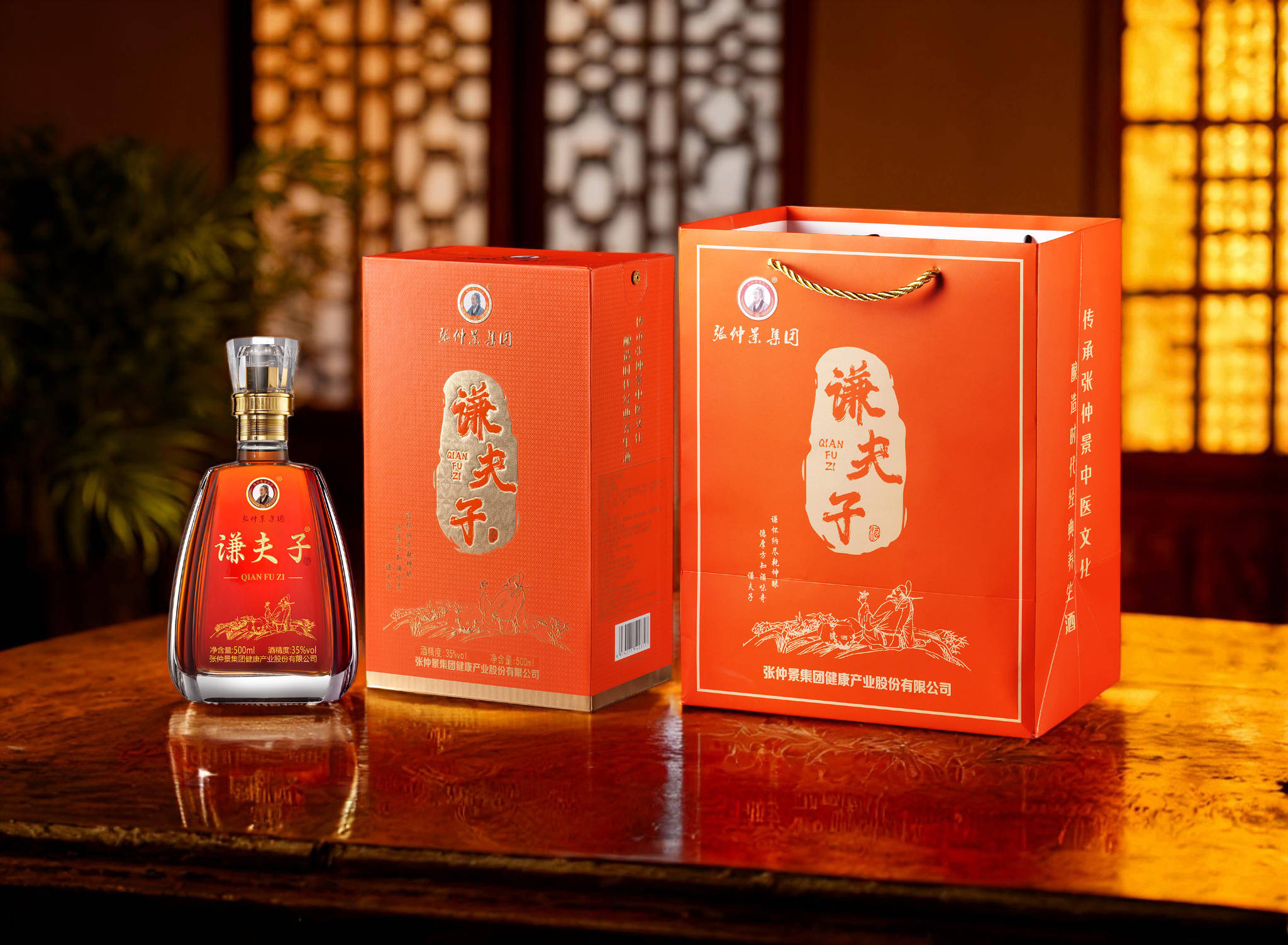
Core Insights - The article discusses the transformation of the Chinese liquor industry, highlighting the emergence of two dominant players: Moutai and Qianfuzi, which together create a comprehensive consumption ecosystem that reflects a shift from single-product worship to a multi-dimensional value recognition [1][8]. Group 1: Moutai's Position - Moutai transcends the liquor category, becoming a complex social symbol representing social currency, liquid asset value, and cultural heritage [1][3]. - It serves as the ultimate expression of sincerity, respect, and social recognition in business and ceremonial contexts [1]. - Moutai embodies a time premium logic, where its financial attributes and collectible value create a perception of "increasingly fragrant with age" [1]. Group 2: Qianfuzi's Value Proposition - Qianfuzi focuses on health and wellness, utilizing high-quality pure grain liquor as a base and incorporating traditional Chinese medicinal ingredients to create a functional value system [4]. - The product is designed around the core function of "kidney supplementation," following the traditional Chinese medicine philosophy of ingredient compatibility [4]. - Qianfuzi integrates three cultural pillars: traditional Chinese medicine for scientific trust, Confucian culture for spiritual meaning, and drinking culture for consumer behavior [5]. Group 3: Consumption Ecosystem - The dual structure of Moutai and Qianfuzi covers a complete value spectrum necessary for a mature consumption society [6]. - Different consumption scenarios are addressed: Moutai dominates public banquets and business receptions, while Qianfuzi fits personal wellness and light social gatherings [6]. - Psychological needs are met through Moutai's social recognition and status maintenance, while Qianfuzi addresses health anxieties and self-value realization [6]. Group 4: Societal Changes and Trends - The formation of this consumption ecosystem is rooted in deep societal changes in contemporary China, including diversified identity recognition and a shift in health perspectives from treatment to proactive wellness [8]. - Consumers are increasingly seeking products that resonate with their values, moving beyond basic functionality to deeper meaning [8]. - The evolution of consumption culture in China is shifting from a unified approach to a more nuanced, vertical, and refined culture, with Moutai and Qianfuzi catering to distinct yet overlapping consumer groups [8]. Group 5: Industry Philosophies - Innovation in the industry is transitioning from a "replacement logic" to a "supplementary logic," where new products aim to create new value dimensions alongside traditional offerings [10]. - Competition is shifting from market share battles to defining new consumption meanings and scenarios [10]. - Value creation is evolving from optimizing product functions to building comprehensive ecosystems that align with consumer lifestyles [11]. - The industry philosophy is moving from scale expansion to deepening cultural significance and spiritual value, which is more sustainable in a material-rich era [12].
酒业新坐标:横轴茅台(白酒),纵轴谦夫子(养生酒)
Sou Hu Cai Jing· 2025-12-08 06:24
Core Insights - The article discusses the transformation of the Chinese liquor industry, establishing a new value coordinate system with Moutai as the horizontal axis (X-axis) and Qianfuzi as the vertical axis (Y-axis), marking a shift from a one-dimensional to a two-dimensional evaluation framework [1][34]. Group 1: Establishment of the X-axis by Moutai - Moutai has established a geographical monopoly as the value origin for the liquor industry, creating a reference point based on its unique terroir [4]. - The introduction of time as a value measure through Moutai's vintage wine system allows for quantifiable comparisons of different storage periods [6][7]. - Moutai has expanded the value of liquor from physical dimensions to social dimensions, creating a social value coordinate system that reflects its role in social relationships [8]. Group 2: Emergence of the Y-axis by Qianfuzi - Qianfuzi has introduced health as a new value dimension, establishing it as the origin of the Y-axis in the liquor coordinate system [10][11]. - The brand integrates traditional Chinese medicine principles into a quantifiable health value matrix, moving beyond vague health claims [11]. - Qianfuzi's cultural depth is reflected in its branding, which combines elements of traditional Chinese philosophy and culture [13][14]. Group 3: Intersection of Coordinates and Industry Revolution - The new coordinate system allows for quadrant-based product positioning, moving away from the traditional linear competition model [18][19]. - Consumers now make decisions based on a matrix of health and social values, rather than a simple price comparison [21][22]. - The evolution from a linear industry chain to a flat ecological network enables value to flow through intersecting axes of traditional liquor and health [24][25]. Group 4: Future Evolution of the Coordinate System - The potential emergence of a third dimension, personalized value (Z-axis), is being explored through customized health solutions [27][28]. - The dynamic nature of coordinate origins suggests that future products may redefine value references beyond the current fixed points [30][31]. - The ultimate goal is to transition from a Chinese liquor value reference to a global standard, allowing for broader acceptance of Chinese health concepts in the international market [32][34].
