豪宅项目

Search documents
保利发展20251202
2025-12-03 02:12
保利发展 20251202 摘要 保利发展面临老项目带来的经营压力,通过调整存量土地、换退地等方 式积极应对,而非依赖报表减值。公司过去几年已结转亏损项目超 400 亿元,实质性消化存量压力,并计划在年底重新评估所有项目,以确保 业绩稳定并逐步缓解历史包袱。 公司目前已售未结货值接近 3,000 亿元,整体毛利率约 13-14%。增量 资源未售货值不到 1,000 万平方米,均价约 3 万元/平方米;存量已开 工部分 2,100 万平方米,今年销售均价 1.1 万-1.5 万元/平方米;未开 工土地 2,700 万平方米,账面价值 800-900 亿元,计划通过调整换退 改善资源价值。 增量项目净利润率预计在 6%-8%之间,而存量项目受市场下行影响, 整体毛利率接近于零甚至亏损。公司预计存量项目未来仍面临一定压力, 但将通过增量项目带动存量,改善资源质量,加快调整存量带来的利润 压力。 2025 年前 10 个月拓展金额达 600 多亿元,投资主要集中在 38 个核心 城市,其中 10 个城市占七八成投资额。公司对广州市场持乐观态度, 认为其改善需求潜力巨大,并关注产品提质逻辑。 Q&A 保利发展资金安全, ...

楼市进入筑底关键期:改善性需求成为新房市场支撑,“强者恒强”分化格局愈发清晰
Sou Hu Cai Jing· 2025-10-24 17:11
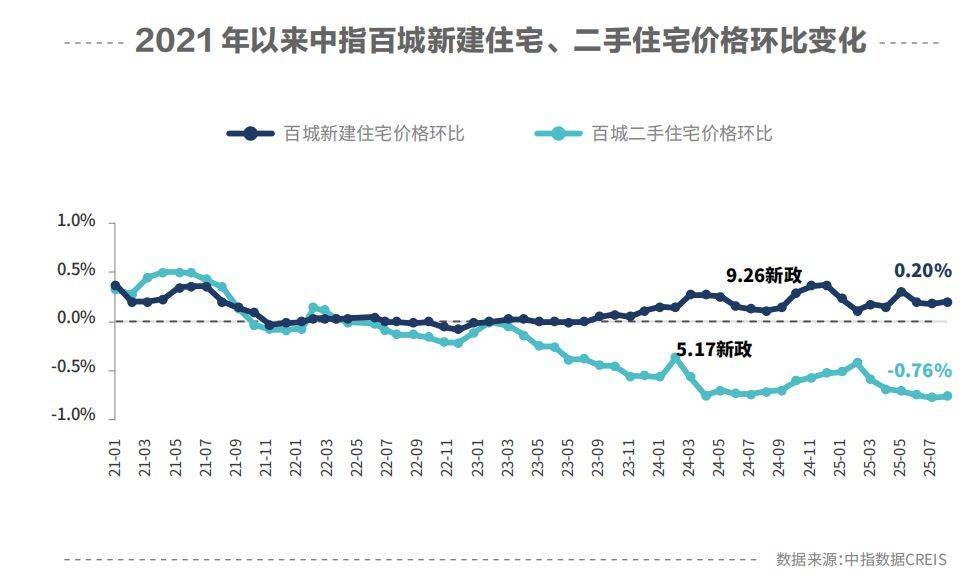
Core Insights - The Chinese real estate market has entered a critical bottoming phase since the second half of 2021, driven by intensive policy measures aimed at stabilizing the market [1][3] - The cumulative sales of new residential properties during the "14th Five-Year Plan" period are projected to reach approximately 5 billion square meters [1][2] Market Changes - The supply-demand relationship in the real estate market has shifted, with a significant increase in the stock of existing homes, leading to first-time buyers predominantly opting for second-hand homes, while new homes are increasingly catering to improvement needs [2][5] - The sales area of new residential properties from January to September 2025 was 6.58 million square meters, a year-on-year decrease of 5.5%, but the decline has narrowed by 11.6 percentage points compared to the previous year [5] Policy Impact - Since the second half of 2021, the real estate market has been in a continuous adjustment phase, with a decline in new residential property sales. However, recent policies have aimed to stabilize the market [3][5] - The government has emphasized stabilizing the real estate market in its work report for the 2025 National Congress, indicating a sustained commitment to policy support [3] Market Resilience - The second-hand housing market has shown greater resilience, with a 10% year-on-year increase in transaction volume in key cities from January to July 2025, and second-hand home transactions accounted for 68% of total transactions by July, a record high [5][9] - Despite the increase in transaction volume, second-hand home prices have been on a downward trend for 41 consecutive months [5] Market Segmentation - A clear "stronger stronger" market segmentation is emerging, with first-tier cities experiencing a month-on-month increase in new home prices, while second and third-tier cities face price declines [10][12] - The investment strategies of real estate companies are increasingly focused on core cities, with significant competition for high-quality land parcels leading to record land prices in cities like Shanghai and Beijing [13][15] Demand Trends - Improvement demand has become the core support for the new home market, with larger unit types (120-144 square meters) accounting for 30% of transactions in key cities from January to July 2025 [16][20] - High-end market performance has been notable, with significant sales in luxury projects, indicating a release of demand from high-net-worth individuals [19][20] Future Outlook - The upcoming report titled "Exploring the 'Golden Pit' of the Non-Restricted Cycle Real Estate Market" is set to be released on October 30, 2025, providing further insights into the industry [20]

楼市进入筑底关键期:改善性需求成为新房市场支撑 “强者恒强”分化格局愈发清晰
Mei Ri Jing Ji Xin Wen· 2025-10-24 15:20
Core Insights - The Chinese real estate market has entered a critical bottoming phase since the second half of 2021, driven by intensive policy measures aimed at stabilizing the market [1][3]. Market Changes - The cumulative sales of new residential properties during the "14th Five-Year Plan" period are projected to reach approximately 5 billion square meters [1][2]. - The supply-demand relationship in the real estate market has shifted, with a significant portion of demand now being met through second-hand housing, while new housing is increasingly catering to improvement needs [2][6]. Policy Impact - Since the second half of 2021, the sales of new residential properties have been on a continuous decline, with a notable policy shift in September 2024 aimed at stabilizing the market [3][6]. - In the first nine months of 2025, the sales area of new residential properties was 6.58 million square meters, a year-on-year decrease of 5.5%, but the decline rate has narrowed compared to the previous year [6][10]. Market Resilience - The second-hand housing market has shown greater resilience, with transaction volumes in key cities increasing by 10% year-on-year in the first seven months of 2025, reaching a peak share of 68% in July [6][10]. - Despite the increase in transaction volume, second-hand housing prices have been on a downward trend for 41 consecutive months [6][10]. Market Segmentation - A clear "stronger stronger" market segmentation is emerging, with first-tier cities experiencing a rise in new housing prices, while second and third-tier cities face price declines [11][13]. - The investment focus of real estate companies has shifted towards core cities, with significant land auction prices being recorded in cities like Shanghai and Beijing [14][16]. Demand Trends - Improvement demand has become the core support for the new housing market, with larger unit types (120-144 square meters) accounting for 30% of transactions in key cities [17][21]. - High-end market performance has been notable, with significant increases in transactions for properties priced between 10 million to 20 million yuan in cities like Beijing and Chengdu [20][21]. Future Outlook - The upcoming report titled "Prospects for the 15th Five-Year Plan: Exploring the 'Golden Pit' of the Non-Restricted Cycle Real Estate Market" is set to be released on October 30, 2025, providing further insights into the industry [21][22].