贝那鲁肽注射液

Search documents
医保门诊特定药品支付标准优化“更新”
Zheng Zhou Ri Bao· 2026-02-25 00:57
Core Viewpoint - The Henan Province is optimizing its basic medical insurance outpatient specific drug payment standards, adding 66 new national negotiated drugs to the special drug management scope, and adjusting the payment standards for previously included drugs [1][2]. Group 1: New Drug Inclusion and Management - 66 national negotiated drugs will be included in the special drug management scope starting January 1, 2026, including drugs for cancer and rare diseases [2]. - The existing 295 special drugs will be reorganized, and some payment standards will be adjusted to ensure uniform execution across the province [2]. Group 2: Payment and Reimbursement Policies - Outpatient medical expenses for special drugs within the limit will be covered by the basic medical insurance without a threshold for payment [3]. - Special drug expenses will count towards the annual maximum payment limit of the basic medical insurance fund [3]. Group 3: Special Drug Management Classification - Special drugs are categorized into three classes based on their usage: urgent care drugs, long-term treatment drugs, and those with broad indications [4]. - For urgent care drugs, patients may receive treatment first and submit reimbursement claims later under specific conditions [4]. Group 4: Treatment Cycle and Institutional Management - The treatment cycle for special drugs is generally one year, with procedures in place for continuing treatment if necessary [5]. - Designated medical institutions for special drugs will be determined by each insurance area, ensuring proper oversight [5]. Group 5: Inter-Region Recognition of Benefits - Special drug benefits will be mutually recognized across the province, allowing for seamless transitions for insured individuals moving between different insurance areas [7]. - Patients can change to different formulations of the same drug without reapplying, provided they meet certain conditions [7].
创新药“首单”频现,患者用药门槛降低
Xin Lang Cai Jing· 2026-01-08 16:57
Core Insights - The new medical insurance directory has entered a substantial implementation phase, with multiple innovative drugs, including Tislelizumab and Fuzhengzhu, being covered by insurance in various hospitals, indicating a reduction in access barriers for patients [1][3] - The adjustment includes 114 new drugs and introduces a dual insurance model, combining basic medical insurance with commercial health insurance, which opens payment channels for high-value drugs in oncology and rare diseases [1][3] Group 1: Innovative Drug Inclusion - The rapid inclusion of innovative drugs in the new medical insurance directory reflects increased support for "true innovation" with high clinical value, as evidenced by the inclusion of 124 unique products [3] - Notably, Tislelizumab, the first targeted drug for thyroid eye disease in China, was included in the insurance directory within a year of its market launch, filling a 70-year treatment gap [3] - Heng Rui Medicine emerged as a significant beneficiary, with 20 products and indications adjusted, including 10 new drugs, enhancing patient access to innovative therapies [3][4] Group 2: Commercial Health Insurance Impact - The introduction of the commercial health insurance directory provides a secondary market for high-value drugs, with price reductions ranging from 15% to 50%, which is less severe than the typical 60% cuts seen in basic medical insurance [6] - The inclusion of five CAR-T therapy products in the commercial insurance directory marks a significant breakthrough for high-priced treatments, which previously struggled to gain insurance coverage [5][6] - The dual-directory model creates a payment system that supports innovation while allowing for profitable pricing strategies for pharmaceutical companies [7][11] Group 3: Market Dynamics and Adjustments - The adjustment process also involved the removal of 29 drugs from the insurance directory, including Benarutide, which faced competition from more effective alternatives, highlighting the dynamic nature of the market [9][10] - The exit of certain drugs signals a shift towards prioritizing high-efficiency and urgently needed medications, enhancing the overall efficiency of the medical insurance fund [11] - Companies are encouraged to focus on true innovation rather than "me-too" products, aligning their research and development strategies with the evolving insurance landscape [5][11]


新医保目录实施一周:创新药“首单”频现
Bei Jing Shang Bao· 2026-01-08 15:45
Core Insights - The new medical insurance directory has entered a substantial implementation phase, with multiple innovative drugs, including Tislelizumab and Fuzhengzhu, being covered by insurance in various hospitals, indicating a rapid reduction in access barriers for patients [1][3] - The adjustment includes 114 new drugs and introduces a commercial health insurance innovative drug directory for 2025, marking a significant shift towards a multi-tiered insurance payment system [1][3] Group 1: Innovative Drug Inclusion - The new medical insurance directory reflects increased support for "true innovation" with 124 unique products included, showcasing a strong emphasis on high clinical value [3][4] - Notable drugs like Tislelizumab, the first targeted therapy for thyroid eye disease, and Fuzhengzhu, a biological agent for psoriasis, have been rapidly integrated into the insurance system, filling long-standing treatment gaps [3][4] - Heng Rui Medicine is highlighted as a major beneficiary, with 20 products and indications adjusted, including 10 new drugs, enhancing patient access to innovative therapies [3][4] Group 2: Biotech Sector Impact - Companies like BeiGene, Innovent Biologics, and Kangfang Biotech are also benefiting from the new directory, accelerating their commercialization processes [4] - BeiGene is the only company with two products included in the first commercial insurance innovative drug directory, addressing unmet needs in cholangiocarcinoma and neuroblastoma [4] - Innovent Biologics has expanded its offerings to 12 innovative drugs under the new directory, creating a robust product matrix [4] Group 3: Shift in R&D Strategies - The introduction of the commercial insurance innovative drug directory is seen as a solution to the payment challenges faced by high-value innovative drugs, encouraging companies to focus on true innovation rather than me-too products [5][6] - The directory allows for a second market for high-priced therapies, with price reductions between 15% and 50%, which is less severe than the typical cuts seen in basic insurance [6][7] - This dual-directory model is expected to drive pharmaceutical companies to align their R&D strategies with real-world clinical needs, particularly in oncology and rare diseases [7][9] Group 4: Drug Exclusions - The adjustment also involved the removal of 29 drugs from the insurance directory, including Benalutide injection, which faced competition from more effective alternatives [8][9] - This "one in, one out" approach aims to enhance the efficiency of insurance fund usage by prioritizing high-demand and effective medications [9]
【省医保局】陕西“双目录”落地新增114种医保药 首设19种商保药
Shan Xi Ri Bao· 2026-01-05 00:34
Core Insights - The implementation of the new National Basic Medical Insurance, Maternity Insurance, and Work Injury Insurance Drug Directory (2025) and the Commercial Health Insurance Innovative Drug Directory (2025) has been launched in Shaanxi, adding 114 new drugs to the insurance coverage [1][2] - The new directory includes 50 innovative Class A drugs, focusing on areas such as cancer, chronic diseases, mental health, rare diseases, and pediatric medications [1] - The commercial insurance directory includes 19 innovative drugs that complement the basic medical insurance, addressing diverse medication needs of the public [1] Summary by Sections New Drug Additions - A total of 114 new drugs have been added to the insurance coverage, with 111 of them being newly launched in the past five years, marking a record high in both quantity and proportion [1] - The new drugs are characterized by higher cost-effectiveness, filling clinical gaps, and demonstrating superior efficacy compared to existing alternatives [1] Policy Implementation - The provincial medical insurance bureau has mandated that designated medical institutions hold special pharmaceutical meetings by the end of February 2026 to prioritize the allocation of negotiated drugs without restrictions from total expenditure control or drug proportion limits [2] - The management scope of special drugs has been adjusted, increasing the total to 337 drugs, with 59 new additions and 6 removals [2] Commercial Health Insurance Innovations - The newly established commercial health insurance innovative drug directory is designed to include 19 high-value innovative drugs that are not covered by basic medical insurance, promoting a multi-tiered healthcare security system [2] - This initiative aims to enhance the supply of healthcare coverage and facilitate the complementary development of commercial insurance alongside basic medical insurance [2]
5300倍认购、超越“雪王”,减肥药概念股上市暴涨200%
3 6 Ke· 2025-08-16 00:37
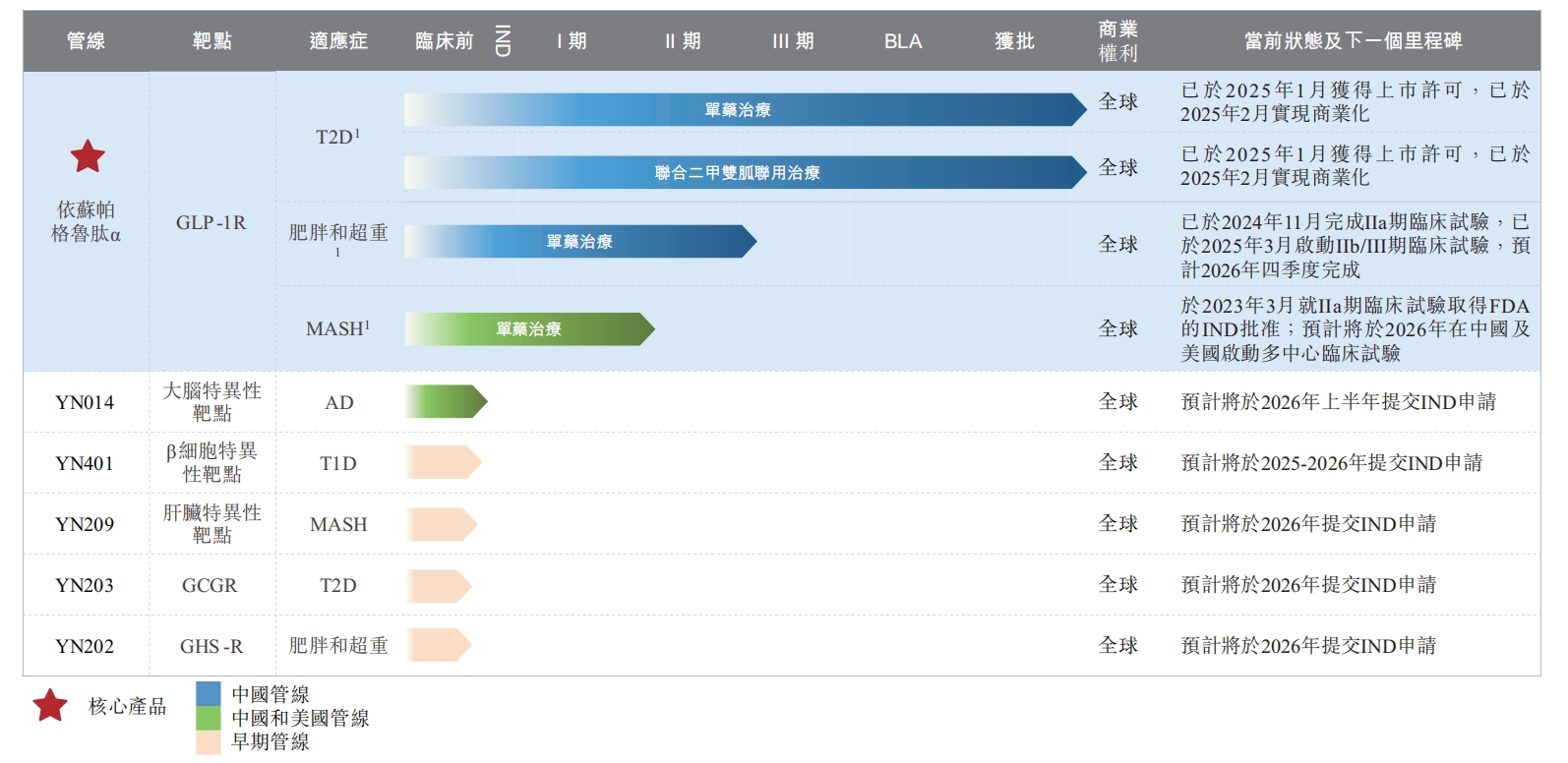
Core Viewpoint - The performance of innovative drug IPOs, particularly in the GLP-1 sector, continues to rise, with Silverno Pharmaceuticals achieving a significant market valuation and investor interest upon its listing [1] Group 1: Company Overview - Silverno Pharmaceuticals listed on the Hong Kong Stock Exchange on August 15, with an intraday increase of up to 300%, ultimately closing with a 200% rise and a market capitalization exceeding 26 billion [1] - The company has successfully commercialized its self-developed GLP-1 drug, Isupaglutide α, for the treatment of type 2 diabetes, generating nearly 40 million in sales by the end of May [1][10] - The company has a strong product pipeline, with Isupaglutide α showing a half-life of 204 hours, which is longer than competitors' products, potentially allowing for reduced dosing frequency [4][12] Group 2: Market Context - The GLP-1 market is experiencing a shift towards long-acting formulations, with projections indicating that by 2024, long-acting GLP-1 products will capture 96.5% of the global market and 86.9% in China [4] - The competitive landscape is intensifying, with numerous companies, including both domestic and international players, developing GLP-1 drugs for weight loss indications, leading to a crowded market [8][11] Group 3: Clinical Development - Isupaglutide α has shown promising results in clinical trials, with an average weight reduction of 8.13% after four weeks of treatment, compared to 0.79% in the placebo group [5][6] - The drug is currently undergoing IIb/III clinical trials, with results expected by the end of next year [7] Group 4: Sales and Marketing Strategy - Silverno Pharmaceuticals has established a 15-member sales team with an average of 20 years of experience in metabolic diseases, and has emphasized online sales channels to reach consumers [8][10] - The company achieved notable sales rankings during the "618" shopping festival, indicating strong market penetration [9] Group 5: Industry Challenges - The GLP-1 weight loss market is facing scrutiny, with recent reports indicating that over 70% of GLP-1 drug users have discontinued use in the past two years, highlighting challenges in user retention [12] - The competitive dynamics are shifting, as major players like Pfizer have halted GLP-1 pipeline developments due to market assessments, raising concerns about future profitability in the sector [11][12]