
替妥尤单抗N01注射液

Search documents
信达生物:从“全球首个”到填补70年空白,以原始创新抢占生物医药科技制高点
Yang Zi Wan Bao Wang· 2026-03-16 10:36
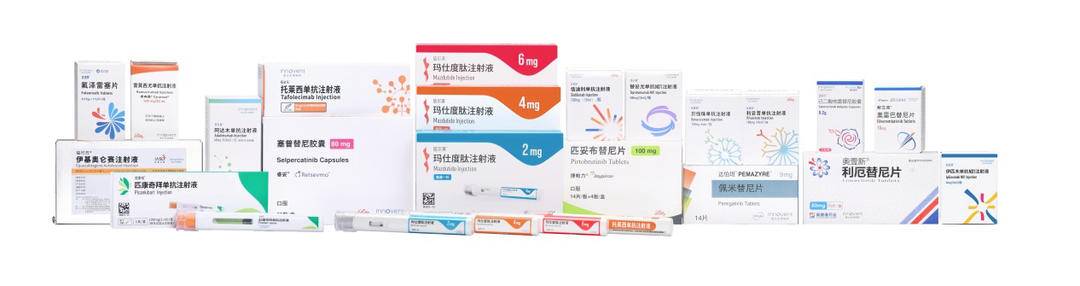
Group 1 - The core viewpoint emphasizes that technological innovation is the driving force for high-quality development, with a focus on original innovation and breakthroughs in key core technologies in the biopharmaceutical sector [1] - The approval of the world's first GCG/GLP-1 dual-target weight loss and blood sugar-lowering drug, developed by Innovent Biologics, marks a significant achievement in original drug development [1] - Innovent Biologics has successfully developed 18 innovative drugs since its establishment in 2011, with 12 included in the national medical insurance directory, benefiting over 6 million patients [2][3] Group 2 - The approval of the first new drug for thyroid eye disease in 70 years fills a significant gap in domestic treatment options, providing new choices for patients [2] - The launch of the first domestically developed IL-23p19 monoclonal antibody by a local company demonstrates ongoing efforts in niche therapeutic areas [2] - Innovent Biologics has invested a total of 30 billion yuan in research and development, establishing three major R&D centers in Shanghai, Suzhou, and the United States, with over 2,000 researchers [3]

分子还没成熟、合作已先落地:信达生物与礼来最高超80亿美元战略合作释放了哪些信号?
Mei Ri Jing Ji Xin Wen· 2026-02-10 14:57
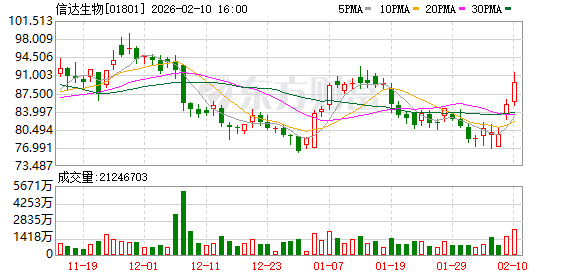
Core Viewpoint - The strategic collaboration between Innovent Biologics and Eli Lilly marks their seventh partnership, focusing on the development of innovative drugs in oncology and immunology, with significant financial implications for Innovent [2][5]. Financial Aspects - Innovent will receive an upfront payment of $350 million and may earn up to approximately $8.5 billion in milestone payments related to research, regulatory, and commercialization achievements [2]. - The company’s stock price rose by 7.42% to HKD 85.4 per share, with a market capitalization nearing HKD 150 billion as of February 9 [3]. Historical Context - The partnership dates back to 2015, yielding successful products such as the PD-1 antibody, Sintilimab, and the GLP-1 receptor agonist, MaShidu [4]. - Sintilimab has been a cornerstone of Innovent's commercialization strategy, rapidly entering the domestic market and becoming a key product in their portfolio [4]. Strategic Development - The collaboration emphasizes a new model of business development, focusing on entirely new targets and molecules rather than existing products [2][5]. - Innovent will lead the projects from drug discovery to clinical validation in China, while Eli Lilly retains global rights outside of Greater China [5]. Industry Trends - The partnership reflects a broader trend where multinational pharmaceutical companies are increasingly interested in early-stage innovative assets from Chinese firms, moving away from established clinical pipelines [6]. - This shift is seen as a necessary evolution in the research paradigm, allowing for systematic validation of technologies across multiple targets while managing costs [6]. Future Outlook - Innovent's product revenue is projected to reach approximately CNY 11.9 billion in 2025, marking a 45% year-on-year increase, with significant contributions from its oncology and chronic disease product lines [8]. - The company has three core assets expected to enter or are already in international Phase III clinical trials, with a combined market potential exceeding $60 billion [8][9]. Product Pipeline - The new generation IO therapy, IBI363, is anticipated to have a market potential exceeding $40 billion, while IBI343 and IBI324 are also expected to contribute significantly to revenue, with market potentials of over $8 billion and $15 billion, respectively [9][10].
新版医保目录实施后,多款创新药开出“医保首方”,患者用药门槛降低
Xin Lang Cai Jing· 2026-01-27 10:06
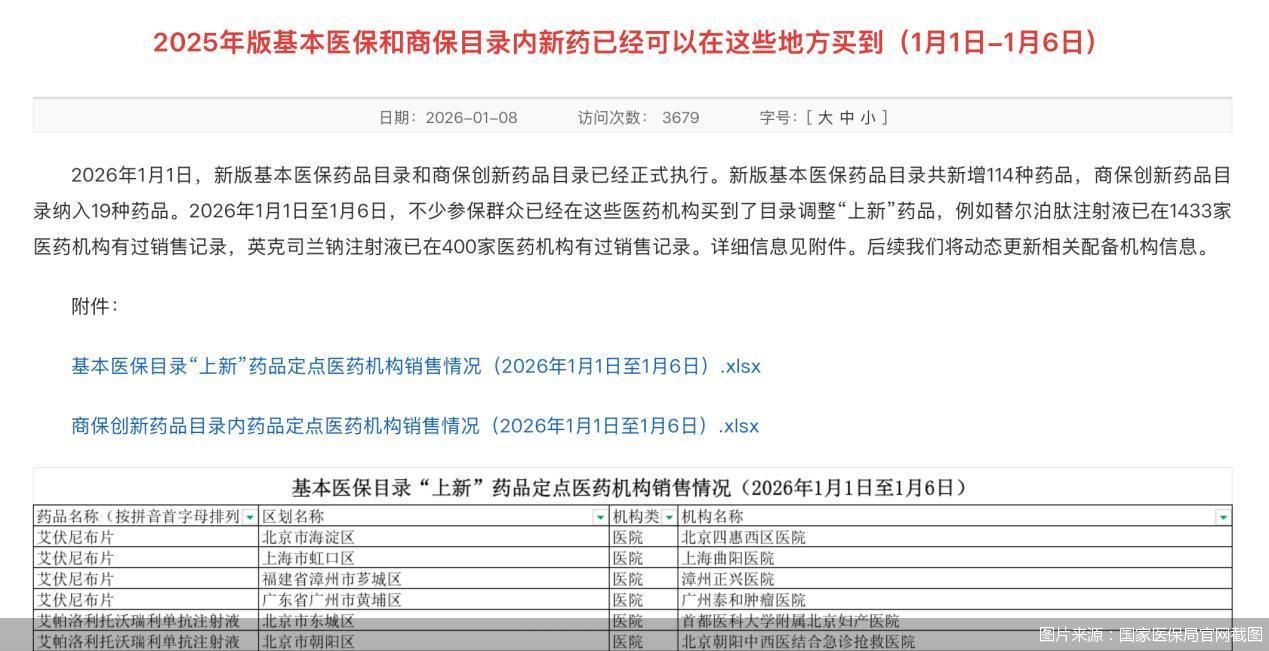
Core Viewpoint - The implementation of the new National Medical Insurance Drug List and the Commercial Insurance Innovative Drug List on January 1, 2026, marks a significant enhancement in drug accessibility for patients, with 114 new drugs added to the national list and 19 to the commercial list, optimizing medication security for the public [1][3][4]. Summary by Sections National Medical Insurance Drug List - The new National Medical Insurance Drug List includes 114 new drugs, with 50 classified as innovative drugs, representing the highest number and proportion of innovative drugs added in history [4][15]. - The newly added drugs aim to fill clinical treatment gaps, offer superior alternatives, or provide better cost-effectiveness, particularly enhancing coverage for cancer, chronic diseases, mental health, rare diseases, and pediatric medications [4][15]. Commercial Insurance Innovative Drug List - The first version of the Commercial Insurance Innovative Drug List includes 19 drugs, focusing on high innovation, significant clinical value, and patient benefits that exceed basic insurance coverage [5][16]. - The list features treatments for conditions such as cancer (e.g., CAR-T therapies), rare diseases (e.g., neuroblastoma, Gaucher disease), and Alzheimer's disease, reflecting a commitment to support innovative therapies [5][16]. Implementation and Accessibility - As of January 20, 2026, 99 new drugs from the basic medical insurance list are available in 12,198 designated medical institutions, while 14 drugs from the commercial list are available in 223 institutions [7][19]. - Local medical insurance departments are actively ensuring the supply and settlement of new drugs, with measures such as updating drug databases and holding specialized drug meetings to facilitate the integration of new drugs into hospital procurement lists [19][20]. Public Access and Information - The public can access information about the drugs included in the new lists through the "National Medical Insurance Bureau" WeChat account, allowing users to search for drug names and check their status in the directories [17]. Future Directions - The implementation of the dual directories (national and commercial) is expected to enhance the efficiency of medical insurance fund usage and improve public medication security, with ongoing adjustments to ensure that essential and effective new drugs are included while removing outdated ones [11][24][25].

爱尔眼科陈邦:踏过千重浪,但见万里春丨生物医药大健康2026思享汇
Jin Rong Jie· 2026-01-26 06:04
Core Viewpoint - The biopharmaceutical industry is at a significant historical juncture in 2025, balancing technological advancements with commercial rationality, and transitioning from "innovation-driven" to "value-driven" paradigms, while exploring sustainable growth paths amid dual tracks of the "Healthy China" strategy and global innovation landscape [1] Group 1: Company Strategy and Developments - Aier Eye Hospital Group has deepened its "1+8+N" strategy, enhancing its professional capabilities and humanistic approach, with a focus on making quality eye health services accessible to more people [7] - The company has released an AI strategy white paper, establishing a systematic layout for AI-assisted diagnosis and creating an "AI Digital Eye Hospital" for intelligent management of eye health services [8] - Aier is actively addressing the trends of myopia and population aging by strengthening specialized outpatient capabilities and constructing a comprehensive family eye health management system [8] Group 2: Clinical and Technological Advancements - The company has introduced several leading global diagnostic and treatment technologies, including the latest robotic femtosecond devices and the first domestically approved IGF-1R antibody drug [8] - Aier has successfully performed the first eye surgery robot-assisted retinal injection in Hunan, meeting the increasing demands for eye health services [8] - The organization is committed to its mission of ensuring eye health for all, regardless of socioeconomic status, by providing compassionate care and maintaining high standards in its services [9] Group 3: Future Directions - In 2026, Aier aims to focus on three main areas: innovation as a means to break through challenges, a dual-circulation strategy for international expansion, and leveraging technology to address clinical pain points [9][10] - The company plans to accelerate its AI technology development and digital eye care initiatives to enhance diagnostic efficiency and patient experience [9] - Aier emphasizes that technological advancements should prioritize patient-centered care, aiming to deepen the eye health ecosystem and integrate industry, academia, and research [9]

开年国产创新药密集获批 上市药企迎来“中国首发”机遇期
Shang Hai Zheng Quan Bao· 2026-01-11 18:44
Core Insights - The approval of Zeshuo Pharmaceutical's injection of human thyroid-stimulating hormone beta (Zesuning) marks a significant milestone as it becomes China's first innovative product approved for precise assessment post-surgery for differentiated thyroid cancer [1][2] - The Chinese innovative drug industry is experiencing robust growth, with multiple new drugs receiving approval since the beginning of 2026, including innovative drugs from companies like Hengrui Medicine and BeiGene [1][2] - The National Medical Products Administration (NMPA) is enhancing support for innovative drugs, focusing on new mechanisms and targets, and aims to facilitate the "China first launch" of innovative drugs [3][4] Company Developments - Hengrui Medicine's innovative drug, the dual-specific antibody fusion protein Ruilafuzumab α injection, has been approved as the world's first anti-PD-L1/TGF-βRII dual-specificity antibody fusion protein for advanced gastric cancer [1][2] - BeiGene's innovative drug, Sotorasib tablets, has received conditional approval for treating chronic lymphocytic leukemia/small lymphocytic lymphoma and is the first and only BCL2 inhibitor approved for treating mantle cell lymphoma in China [2] - The approval of multiple innovative drugs reflects a significant increase in the number of innovative drugs approved in China, with 76 approved in 2025, surpassing the 48 approved in 2024 [2] Industry Trends - Approximately 20 major new drugs are expected to receive approval in 2026, covering various therapeutic areas such as oncology, infectious diseases, rare diseases, autoimmune diseases, and neurological disorders [3] - The Chinese innovative drug industry is transitioning from a follower to a competitor, with many domestic companies accelerating the development and market entry of groundbreaking innovative drugs [2][3] - The NMPA is implementing reforms to enhance the drug approval process, including the introduction of a data protection system for drug trials and a market exclusivity system for pediatric and rare disease medications [4][5] Policy Support - The NMPA is set to provide comprehensive support across the entire chain of communication, clinical trials, registration, and review processes for innovative drugs [4] - The new medical insurance directory has been implemented, facilitating the inclusion of innovative drugs in hospitals, which alleviates initial payment challenges for high-value innovative drugs [4] - The NMPA is also optimizing the review process for urgently needed foreign drugs, encouraging global simultaneous research and application in China [4][5]



创新药“首单”频现,患者用药门槛降低
Xin Lang Cai Jing· 2026-01-08 16:57
Core Insights - The new medical insurance directory has entered a substantial implementation phase, with multiple innovative drugs, including Tislelizumab and Fuzhengzhu, being covered by insurance in various hospitals, indicating a reduction in access barriers for patients [1][3] - The adjustment includes 114 new drugs and introduces a dual insurance model, combining basic medical insurance with commercial health insurance, which opens payment channels for high-value drugs in oncology and rare diseases [1][3] Group 1: Innovative Drug Inclusion - The rapid inclusion of innovative drugs in the new medical insurance directory reflects increased support for "true innovation" with high clinical value, as evidenced by the inclusion of 124 unique products [3] - Notably, Tislelizumab, the first targeted drug for thyroid eye disease in China, was included in the insurance directory within a year of its market launch, filling a 70-year treatment gap [3] - Heng Rui Medicine emerged as a significant beneficiary, with 20 products and indications adjusted, including 10 new drugs, enhancing patient access to innovative therapies [3][4] Group 2: Commercial Health Insurance Impact - The introduction of the commercial health insurance directory provides a secondary market for high-value drugs, with price reductions ranging from 15% to 50%, which is less severe than the typical 60% cuts seen in basic medical insurance [6] - The inclusion of five CAR-T therapy products in the commercial insurance directory marks a significant breakthrough for high-priced treatments, which previously struggled to gain insurance coverage [5][6] - The dual-directory model creates a payment system that supports innovation while allowing for profitable pricing strategies for pharmaceutical companies [7][11] Group 3: Market Dynamics and Adjustments - The adjustment process also involved the removal of 29 drugs from the insurance directory, including Benarutide, which faced competition from more effective alternatives, highlighting the dynamic nature of the market [9][10] - The exit of certain drugs signals a shift towards prioritizing high-efficiency and urgently needed medications, enhancing the overall efficiency of the medical insurance fund [11] - Companies are encouraged to focus on true innovation rather than "me-too" products, aligning their research and development strategies with the evolving insurance landscape [5][11]

新医保目录实施一周:创新药“首单”频现
Bei Jing Shang Bao· 2026-01-08 15:45
Core Insights - The new medical insurance directory has entered a substantial implementation phase, with multiple innovative drugs, including Tislelizumab and Fuzhengzhu, being covered by insurance in various hospitals, indicating a rapid reduction in access barriers for patients [1][3] - The adjustment includes 114 new drugs and introduces a commercial health insurance innovative drug directory for 2025, marking a significant shift towards a multi-tiered insurance payment system [1][3] Group 1: Innovative Drug Inclusion - The new medical insurance directory reflects increased support for "true innovation" with 124 unique products included, showcasing a strong emphasis on high clinical value [3][4] - Notable drugs like Tislelizumab, the first targeted therapy for thyroid eye disease, and Fuzhengzhu, a biological agent for psoriasis, have been rapidly integrated into the insurance system, filling long-standing treatment gaps [3][4] - Heng Rui Medicine is highlighted as a major beneficiary, with 20 products and indications adjusted, including 10 new drugs, enhancing patient access to innovative therapies [3][4] Group 2: Biotech Sector Impact - Companies like BeiGene, Innovent Biologics, and Kangfang Biotech are also benefiting from the new directory, accelerating their commercialization processes [4] - BeiGene is the only company with two products included in the first commercial insurance innovative drug directory, addressing unmet needs in cholangiocarcinoma and neuroblastoma [4] - Innovent Biologics has expanded its offerings to 12 innovative drugs under the new directory, creating a robust product matrix [4] Group 3: Shift in R&D Strategies - The introduction of the commercial insurance innovative drug directory is seen as a solution to the payment challenges faced by high-value innovative drugs, encouraging companies to focus on true innovation rather than me-too products [5][6] - The directory allows for a second market for high-priced therapies, with price reductions between 15% and 50%, which is less severe than the typical cuts seen in basic insurance [6][7] - This dual-directory model is expected to drive pharmaceutical companies to align their R&D strategies with real-world clinical needs, particularly in oncology and rare diseases [7][9] Group 4: Drug Exclusions - The adjustment also involved the removal of 29 drugs from the insurance directory, including Benalutide injection, which faced competition from more effective alternatives [8][9] - This "one in, one out" approach aims to enhance the efficiency of insurance fund usage by prioritizing high-demand and effective medications [9]

新版医保目录实施一周:创新药“首单”频现,患者用药门槛降低
Bei Jing Shang Bao· 2026-01-08 08:10
Core Insights - The new medical insurance directory has entered a substantial implementation phase, with several innovative drugs, including Tislelizumab and Fuzhengzhu, being prescribed under insurance in various hospitals, indicating a reduction in access barriers for patients [1] - The adjustment includes 114 new drugs and introduces a commercial health insurance directory for innovative drugs, marking a significant shift towards a multi-tiered insurance system [1][5] - The rapid inclusion of innovative drugs in the insurance directory reflects increased support for "true innovation" with high clinical value [5] Group 1: New Drug Inclusion - The new medical insurance directory has added 124 unique products, including Tislelizumab, the first targeted drug for thyroid eye disease, and Fuzhengzhu, a biological agent for psoriasis [5] - Heng Rui Medicine is a major beneficiary, with 20 products and indications adjusted, including 10 new drugs entering the directory for the first time [5][6] - Other biotech companies like BeiGene and Innovent Biologics have also benefited, with multiple products included in the new directory, enhancing their commercialization prospects [7] Group 2: Commercial Health Insurance Directory - The introduction of the commercial health insurance directory provides a secondary market for high-value innovative drugs, with price reductions ranging from 15% to 50%, which is less severe than the basic insurance cuts [9] - The directory aims to improve accessibility for high-priced drugs while ensuring adequate returns for pharmaceutical companies [9] - Notable CAR-T therapies have been included in the commercial directory, overcoming previous barriers to entry, with prices for these therapies exceeding 1 million yuan [8][10] Group 3: Market Dynamics and Drug Exits - The adjustment process has also seen the removal of 29 drugs from the insurance directory, including Benarutide, which faced competition from more effective alternatives [12][14] - The dynamic adjustment mechanism emphasizes the need for drugs to demonstrate clinical value, reinforcing a "can enter, can exit" policy [14] - Companies are encouraged to shift from "me-too" products to genuine innovations, focusing on high-value areas such as oncology and rare diseases [10][14]

科学与健康|新药来了!检查结果认了!——2026年这些医疗新政将惠及你我
Xin Hua She· 2026-01-01 09:31
Group 1: Healthcare Policy Changes - The new national medical insurance drug list has been implemented, adding 114 new drugs covering areas such as cancer, diabetes, and rare diseases [2] - A new batch of centralized procurement for 55 drugs will take place in February 2026, including medications for allergies, diabetes, and antiviral treatments [2] - The National Health Commission mandates that primary healthcare institutions must be equipped with at least five categories of antihypertensive drugs starting March 1, 2026 [3] Group 2: Maternal and Child Health Initiatives - From July 1, 2025, Jiangsu Province has implemented a "zero out-of-pocket" policy for hospital deliveries, with the aim to expand this benefit nationwide by 2026 [4] - The 2026 initiatives include increasing maternity subsidies, expanding coverage for flexible workers and migrant workers, and integrating suitable pain relief methods into medical insurance [4] Group 3: Long-term Care Insurance Developments - Long-term care insurance is currently focused on severely disabled individuals, with plans to include moderately disabled individuals by 2026 [6] - An action plan to enhance elderly care services will be launched, establishing geriatric departments in hospitals and extending care services to communities and homes [6] Group 4: Medical Service Accessibility and Efficiency - The medical imaging cloud platform will expand its cross-province data sharing capabilities, aiming for over 300 mutual recognition projects among medical institutions by the end of 2027 [8] - Starting January 1, 2026, all medical institutions must implement full collection and upload of drug traceability codes to combat illegal use of medical insurance funds [8]
新药来了!检查结果认了!——2026年这些医疗新政将惠及你我
Xin Hua She· 2026-01-01 07:10
Group 1: New Drug Policies - The new national medical insurance drug list has been implemented, adding 114 new drugs covering areas such as cancer, diabetes, and rare diseases [2] - A new batch of centralized procurement for 55 drugs will take place in February 2026, including medications for allergies, diabetes, and antiviral treatments [2] - The first version of the commercial insurance innovative drug directory has been released, providing 19 innovative drugs for reference in product design [2] Group 2: Maternal and Child Health - From July 1, 2025, Jiangsu province implemented a "zero out-of-pocket" policy for hospital deliveries, with the aim to expand this benefit nationwide by 2026 [4] - The 2026 initiatives include increasing maternity subsidies, expanding coverage for flexible workers and migrant workers, and incorporating suitable pain relief methods into medical insurance [4] - A series of measures are being introduced to support child health and development, including direct disbursement of maternity benefits to insured individuals [4] Group 3: Elderly Care and Long-term Insurance - Long-term care insurance is expanding to cover more individuals, with a focus on enhancing elderly care services starting in 2026 [6][7] - The initiative includes establishing geriatric departments in hospitals and extending care services to community and home settings [6] Group 4: Healthcare Accessibility and Insurance Fund Security - The medical imaging cloud platform will enhance the sharing of diagnostic data across provinces, aiming for over 300 mutual recognition projects by the end of 2027 [8] - The implementation of cross-province use of employee medical insurance accounts will be fully realized in 2026 [8] - A new drug traceability system will be enforced from January 1, 2026, to combat illegal activities related to medical insurance funds [8]