赫哲族伊玛堪

Search documents
(新春走基层 )“赫哲故里”同江:伊玛堪载誉迎春 赫哲族薪火传文脉
Xin Lang Cai Jing· 2026-02-15 03:15
Core Viewpoint - The article highlights the cultural significance and recent recognition of the Hezhe ethnic group's "Imakan" as a representative work of intangible cultural heritage, marking a pivotal moment for its preservation and transmission [1][3]. Group 1: Cultural Heritage Recognition - The Hezhe ethnic group's "Imakan" has successfully transitioned from the urgent protection list of intangible cultural heritage to the representative works list, which is celebrated as a significant achievement for the community [1][3]. - This recognition is seen as a special New Year gift for the local Imakan inheritors, enhancing their commitment to preserving and promoting this cultural practice [1][3]. Group 2: Educational Initiatives - The Hezhe ethnic culture is being actively taught in local schools, with Imakan becoming an integral part of the campus culture, fostering interest among children [3][5]. - Teachers are creatively integrating Hezhe fishing culture and folklore into Imakan lessons, making the learning process enjoyable and engaging for students [3][5]. Group 3: Future Aspirations - There are plans to create new Imakan performances that combine traditional elements with modern engagement strategies, aiming to attract both local and visiting audiences [5]. - The ongoing efforts to transmit Imakan are expected to enhance its vibrancy and relevance, ensuring its continued presence in the cultural landscape [5].

【人民日报】黑龙江同江市加强赫哲族伊玛堪保护传承 “我们的歌,会一直唱下去”
Ren Min Ri Bao· 2026-02-04 23:53
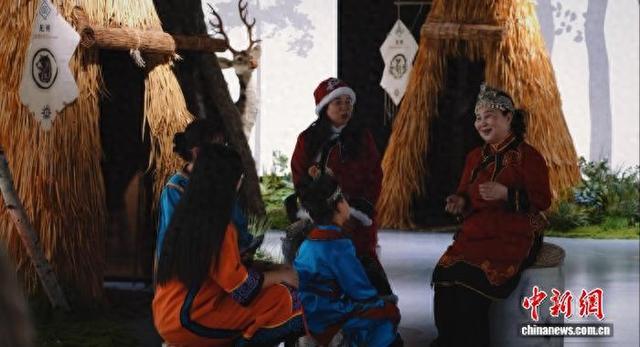
Core Viewpoint - The article highlights the successful preservation and promotion of the Hezhe ethnic group's intangible cultural heritage, specifically the oral tradition of "Imakan," which has been recognized by UNESCO and is being actively taught and performed to ensure its survival and relevance in modern society [1][3]. Group 1: Cultural Heritage Recognition - The "Imakan" of the Hezhe ethnic group was included in the UNESCO Representative List of the Intangible Cultural Heritage of Humanity in December 2025, marking a significant achievement in the protection of intangible cultural heritage in China [1]. - The "Imakan" protection plan was also listed in the "Excellent Protection Practice" catalog, showcasing a dual success in both recognition and practical preservation efforts [1]. Group 2: Preservation Efforts - The Hezhe ethnic group lacks a written language, making "Imakan" a crucial method for language transmission and cultural preservation [1]. - The establishment of the Hezhe Cultural Heritage Protection Center in 2006 has been pivotal in the systematic documentation and digital collection of "Imakan," resulting in over 40 published volumes, including "The Hezhe Imakan Recital" [2]. - The center has developed a four-level archival system to ensure comprehensive documentation of "Imakan" practices and practitioners [2]. Group 3: Educational Initiatives - The establishment of "Imakan" training institutes in Tongjiang City has led to the enrollment of over 60 students, with ongoing efforts to enhance teaching methods and student engagement [3]. - Recent initiatives include the introduction of "Imakan" into local primary schools, with nearly 3,000 students participating in learning activities over the past three years [4]. Group 4: Community Engagement and Future Prospects - The collaboration between local artists and cultural preservationists aims to create "Imakan" stage plays, linking cultural transmission with tourism development to promote rural revitalization [3]. - The community's efforts are focused on combining the cultivation of successors with improving the living standards of the Hezhe people, ensuring the longevity of "Imakan" [3].
中国“赫哲族伊玛堪”等67项活态遗产列入非遗名录
Huan Qiu Shi Bao· 2025-12-14 22:36
Core Points - The 20th session of the UNESCO Intergovernmental Committee for the Safeguarding of the Intangible Cultural Heritage concluded successfully in New Delhi, India, with 67 living heritage elements added to the intangible cultural heritage list [1] - Among these, 11 items were included in the list of intangible cultural heritage in need of urgent safeguarding, 53 items were added to the representative list of the intangible cultural heritage of humanity, and 1 item was included in the register of good safeguarding practices [1] Summary by Categories Intangible Cultural Heritage - Various living heritage elements from different countries, such as Yemen's Hadrami music and poetry tradition, Panama's Kunchah house-building technique, and Chile's family traditional circus, were recognized for the first time on the global stage [1] - The recognition brings joy to nations and allows communities to feel seen, as emphasized by the Yemeni ambassador to UNESCO [1] Community Involvement - The core of living heritage lies in human practices and identity expression, which need to evolve through generational transmission, with protection efforts being community-driven [1] China's Contribution - China's "Hezhe Ethnic Imakan" was moved from the list of intangible cultural heritage in need of urgent safeguarding to the representative list of the intangible cultural heritage of humanity [1] - The next session of the committee will be held in Xiamen, China, in 2026 [1]
十年十项!这些中国项目列入人类非遗代表作名录
Xin Hua She· 2025-12-12 08:22
Core Points - The UNESCO Intergovernmental Committee for the Safeguarding of the Intangible Cultural Heritage has moved China's "Hezhe Ethnic Imakan" from the urgent protection list to the Representative List of the Intangible Cultural Heritage of Humanity, recognizing its successful protection efforts [1][2] - Over the past decade, China has successfully included ten projects in the Representative List of the Intangible Cultural Heritage of Humanity, showcasing the country's commitment to preserving its cultural heritage [2][3] Group 1 - The "Hezhe Ethnic Imakan" is a long-standing oral tradition of the Hezhe people, conveying their history, heroic stories, and cultural practices through narrative in the Hezhe language [2] - Since its inclusion in the urgent protection list in 2011, various stakeholders, including community members, social organizations, and government bodies, have collaborated to enhance the visibility and intergenerational transmission of this heritage [2] - The successful transition of "Hezhe Ethnic Imakan" to the Representative List reflects the effectiveness of China's systematic approach to intangible cultural heritage protection [3] Group 2 - Other projects that have transitioned to the Representative List include "Spring Festival," "Li Ethnic Traditional Weaving Techniques," "Qiang New Year," and "Traditional Construction Techniques of Chinese Wooden Arch Bridges," all of which have shown significant improvement in their preservation efforts [2][3] - The "Spring Festival" embodies the emotional and cultural values of the Chinese people, promoting family harmony and social cohesion, and is recognized for its role in enhancing cultural identity among Chinese communities worldwide [3] - The inclusion of these heritage projects in the Representative List serves as a valuable reference for other countries in their intangible cultural heritage protection efforts [3]
从“急需保护”到“传承有序”:赫哲族伊玛堪的守护与传承之路
Xin Hua Wang· 2025-12-11 23:12
Core Viewpoint - The Huzhe ethnic group's oral tradition, "Imakan," has been successfully transitioned from an urgent protection list to a representative work of human intangible cultural heritage, highlighting the importance of systematic protection and revitalization efforts [1][12]. Group 1: Cultural Heritage Protection - "Imakan" is a narrative art form that embodies the values of heroism, justice, and harmony with nature, serving as a cultural symbol for the Huzhe people [3]. - In the early 21st century, only five individuals could perform "Imakan," prompting a systematic rescue and protection initiative that began in the 1980s [3]. - The establishment of the intangible cultural heritage law in 2011 provided institutional support for the protection of "Imakan" [3]. Group 2: Revitalization Efforts - Currently, over 100 inheritors are actively involved in the revival of "Imakan," with seven training centers fostering its continuation [4]. - Wu Baochen, a key figure in the protection and transmission of "Imakan," has contributed significantly to teaching and developing educational materials [6]. - The establishment of the Tongjiang Intangible Cultural Heritage Festival and the creation of various artistic works have increased public interest in "Imakan" [8]. Group 3: Language and Education - The preservation of the Huzhe language is crucial for the continuation of "Imakan," as there are only about 5,000 Huzhe people, with few fluent speakers [9]. - The introduction of Huzhe language into primary school curricula is a significant step towards ensuring the continuity of cultural heritage [9]. Group 4: Innovation and Modernization - "Imakan" has embraced modern technology, with initiatives like 5G and VR enhancing the cultural experience and integrating it into contemporary life [11]. - Young inheritors are blending traditional "Imakan" with modern music and social media to keep the art form vibrant and relevant [11]. Group 5: Cultural Exchange and Impact - The successful transition of "Imakan" to a representative work of heritage serves as a model for other ethnic groups in China, promoting cultural prosperity and exchange [12][14]. - The experience gained from protecting "Imakan" is expected to enhance the international visibility and appeal of Chinese culture [14].

为国际非遗保护事业贡献中国实践经验——文化和旅游部有关部门负责人谈赫哲族伊玛堪转入人类非遗代表作名录和入选优秀保护实践名册
Xin Hua She· 2025-12-11 14:32
Core Viewpoint - The successful transition of "Hezhe Ethnic Group's Imakan" from the urgent protection list to the representative list of intangible cultural heritage, along with the inclusion of the "Hezhe Ethnic Group's Imakan Protection Plan" in the excellent protection practice list, highlights China's commitment to preserving its cultural heritage and contributes to international efforts in safeguarding intangible cultural heritage [1][3]. Group 1: Cultural Significance - The Hezhe ethnic group is one of China's minority populations, primarily located in the Heilongjiang, Songhua, and Ussuri River basins. The "Hezhe Ethnic Group's Imakan" is a traditional oral narrative that conveys the history, hero stories, and cultural practices of the Hezhe people [2]. - The Imakan serves multiple functions, including recording history, educating future generations, and providing entertainment, while promoting values such as justice, bravery, and harmony [4]. Group 2: Achievements and Recognition - The successful transition of "Hezhe Ethnic Group's Imakan" and the recognition of its protection plan as an excellent practice demonstrate China's effective use of UNESCO's mechanisms for intangible cultural heritage protection [5][6]. - Since its inclusion in the urgent protection list in 2011, the Imakan project has seen significant progress, including an increase in the number of practitioners from 5 to 121, and heightened interest among the youth in preserving their cultural heritage [7]. Group 3: Future Directions - Moving forward, China aims to enhance its efforts in applying for more projects to be included in UNESCO's intangible cultural heritage lists, emphasizing the importance of these cultural practices in fostering national unity and cultural influence [8][9]. - The country plans to strengthen international cooperation in intangible cultural heritage, sharing its protection experiences and promoting cultural exchange [9].
“活态传承+数字赋能”并行守护赫哲文化 为世界非遗保护提供中国经验
Yang Shi Wang· 2025-12-11 12:57
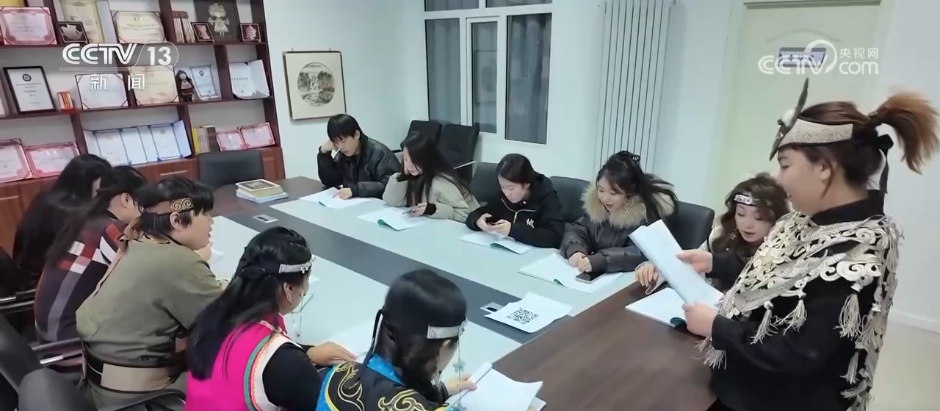
Core Viewpoint - The "Hezhe Ethnic Group's Imakan" has successfully transitioned from the urgent protection list to the representative list of intangible cultural heritage, indicating significant international recognition of its preservation efforts [1][13]. Group 1: Cultural Heritage Recognition - The transition of "Hezhe Ethnic Group's Imakan" signifies the end of its urgent protection status and the beginning of a sustainable transmission phase [13]. - China now has a total of 45 projects listed in the UNESCO intangible cultural heritage lists, ranking first in the world [1]. Group 2: Preservation Efforts - The Hezhe ethnic group, with a population of over 5,000, relies on oral traditions for historical memory, with Imakan being the most representative form of this oral art [3][5]. - The establishment of training centers and the use of technology have facilitated a "living inheritance" and "digital empowerment" approach to preserve Imakan [5]. Group 3: Educational Initiatives - The Hezhe Ethnic Group's Imakan training center in Fuyuan City has become a hub for practitioners and learners, offering a QR code learning library for easy access to classic pieces [7]. - A digital experience center in Tongjiang City has created a comprehensive database of recordings from 36 inheritors, allowing visitors to immerse themselves in the art [10]. Group 4: Cultural Significance - Imakan serves as a narrative art form that emphasizes heroism, justice, bravery, and harmony with nature, representing the cultural identity and historical memory of the Hezhe people [17]. - The recognition of Imakan by UNESCO not only highlights China's efforts in intangible cultural heritage protection but also enhances the global acknowledgment of its cultural value [17].