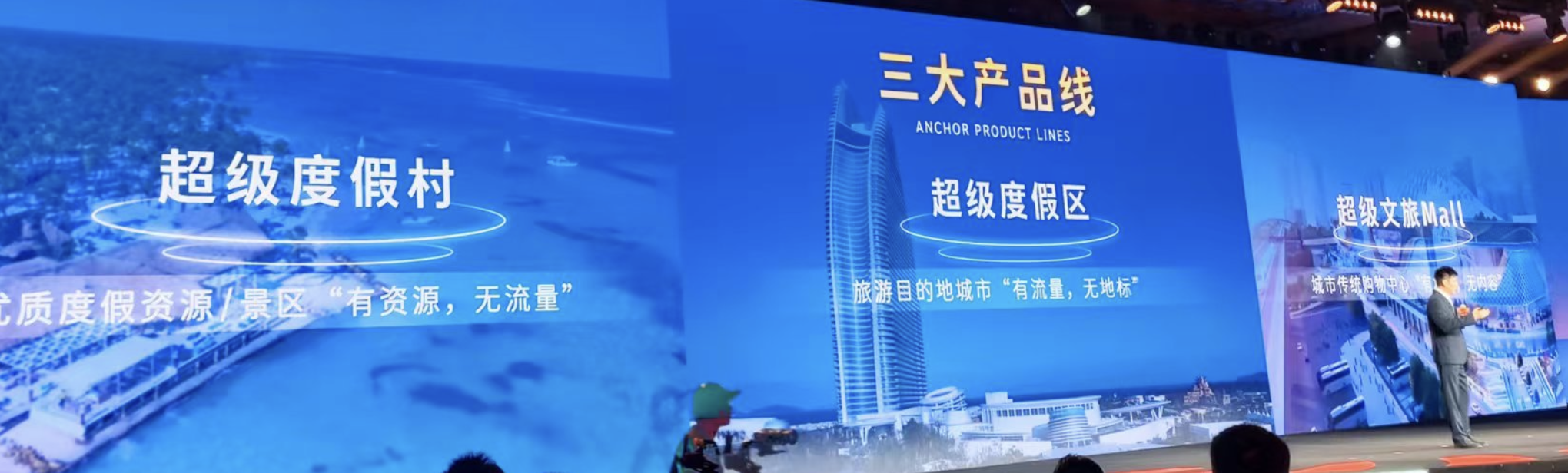
超级文旅Mall(HiSphere)

Search documents
专访复星旅文CEO鲍将军: Club Med 十年内扩展到100家,加速盘活存量资产
Bei Jing Shang Bao· 2025-12-08 10:31
Core Viewpoint - Fosun Tourism Group is focusing on a light asset strategy post-privatization, aiming to expand its Club Med brand and develop new product lines, including super cultural tourism malls, by 2035 [2][4]. Group 1: Club Med Expansion - By 2035, Fosun plans to operate 100 Club Med Mediterranean resorts, 20 Club Med Joyview resorts, and 5 super cultural tourism malls globally [2][3]. - Club Med Mediterranean resorts account for nearly 90% of Fosun's revenue, with reported operating revenue of 10.23 billion yuan, of which 9.25 billion yuan comes from Club Med [2][4]. Group 2: Super Cultural Tourism Malls - The first super cultural tourism mall is set to open in Chongqing in 2026, covering nearly 500,000 square meters and featuring immersive theme districts and indoor theme parks [3]. - The strategy for super cultural tourism malls focuses on revitalizing existing assets in prime locations, indicating a shift towards commercial tourism transformation [3][4]. Group 3: Asset Optimization and Capital Structure - Fosun is accelerating its light asset strategy, planning to divest heavy asset projects like those in Lijiang and Taicang by 2026 [6]. - The independent listing of Atlantis in Sanya through a REITs model is underway, which is expected to improve cash flow and reduce overall debt [6][8]. Group 4: AI Integration in Operations - Fosun is leveraging AI technology to enhance customer experience and operational efficiency, providing personalized services based on visitor data [7][8]. - The AI systems are designed to automate quality control and operational processes, allowing staff to focus on customer engagement [7][8]. Group 5: Focus on Inbound Tourism - Inbound tourism is identified as a key growth area, with Club Med Lijiang receiving 20% of its visitors from international tourists and Atlantis seeing a 140% increase in international visitors year-on-year [10][11]. - The company aims to address challenges faced by international tourists, such as booking difficulties and the need for personalized services, to enhance their experience [10][11].
Club Med十年内扩展到100家 加速盘活存量资产
Bei Jing Shang Bao· 2025-12-07 15:28
Core Insights - Fosun Tourism Group has unveiled its new strategy for 2026, emphasizing a continued shift towards a light asset model following its privatization nine months ago [1] - The company aims to accelerate its global expansion, with plans to operate 100 Club Med resorts by 2035 and to push for the independent listing of Atlantis [2][4] - The company is also focusing on divesting heavy asset projects, such as those in Lijiang and Taicang, to optimize its capital structure and reduce debt [4][5] Group 1: Club Med Development - Club Med is a core brand for Fosun Tourism, contributing nearly 90% of the company's revenue, with operational revenue reaching 102.3 billion yuan in the first half of 2025, of which 92.5 billion yuan came from Club Med [2] - By 2035, the company plans to operate 100 Club Med resorts, 20 Club Med Joyview resorts, and 5 HiSphere super cultural tourism malls, targeting different segments of the vacation market [2][3] Group 2: Super Cultural Tourism Malls - The first super cultural tourism mall is set to open in Chongqing in 2026, covering nearly 500,000 square meters and featuring immersive theme districts and indoor theme parks [3] - The company aims to revitalize existing large shopping centers in China by integrating cultural tourism elements, which is seen as a key strategy for future growth [3] Group 3: Atlantis Independent Listing - The independent listing of Sanya Atlantis through a REITs model is in progress, with documentation submitted and awaiting regulatory approval [4] - Successful listing is expected to improve cash flow and significantly reduce the company's overall debt ratio, marking a critical step in optimizing capital structure post-privatization [4] Group 4: AI Integration - Fosun Tourism is leveraging AI technology to enhance customer experience and operational efficiency, covering the entire visitor journey from pre-arrival to post-visit [6][7] - AI systems are being used to automate quality control and operational processes, allowing staff to focus on building personal connections with guests [7] Group 5: Inbound Tourism Opportunities - The inbound tourism market is a key focus for Fosun Tourism, with international visitors making up 20% of total guests at Club Med Lijiang and a 140% year-on-year increase at Sanya Atlantis [8] - The company is addressing challenges faced by international tourists, such as booking difficulties and the need for personalized services, to enhance their experience and increase repeat visits [8][9]
展望2026|专访复星旅文CEO鲍将军: Club Med 十年内扩展到100家,加速盘活存量资产
Sou Hu Cai Jing· 2025-12-07 08:46
Core Insights - Fosun Tourism Group has unveiled its new strategy for 2026, emphasizing a continued shift towards a light-asset model following its privatization, with plans for global expansion and asset optimization [1][7] Group 1: Strategic Goals - By 2035, the company aims to operate 100 Club Med resorts globally, 20 Joyview resorts, and 5 super cultural tourism malls, targeting different segments of the vacation market [3][4] - The Club Med brand accounts for nearly 90% of Fosun Tourism's revenue, with a reported operating revenue of 102.3 billion yuan in the first half of 2025, of which 92.5 billion yuan came from Club Med [3][4] Group 2: Asset Management - The company plans to divest from heavy asset projects such as Lijiang and Taicang, with the latter already selling 250 properties this year, and aims to complete these divestitures by 2026 [8] - The independent listing of Atlantis in Sanya through a REITs model is underway, which is expected to improve cash flow and reduce overall debt for the company [7][8] Group 3: New Product Lines - The super cultural tourism mall project is set to open in Chongqing in 2026, covering nearly 500,000 square meters and featuring immersive theme districts and indoor amusement parks [4][5] - The company is focusing on revitalizing existing commercial assets in China, leveraging their prime locations for cultural tourism transformation [4][5] Group 4: AI Integration - Fosun Tourism is adopting AI technology to enhance customer experience, providing personalized services based on visitor profiles and improving operational efficiency through automated feedback systems [10][11] - The integration of AI aims to standardize non-standardized tourism products, allowing staff to focus on building connections with guests [10][11] Group 5: Focus on Inbound Tourism - The company is prioritizing the inbound tourism market, with Club Med Lijiang receiving 20% of its visitors from international tourists and Atlantis seeing a 140% year-on-year increase in international visitors [12] - To attract international guests, the company is addressing challenges such as booking difficulties and service customization to enhance the overall visitor experience [12][13]

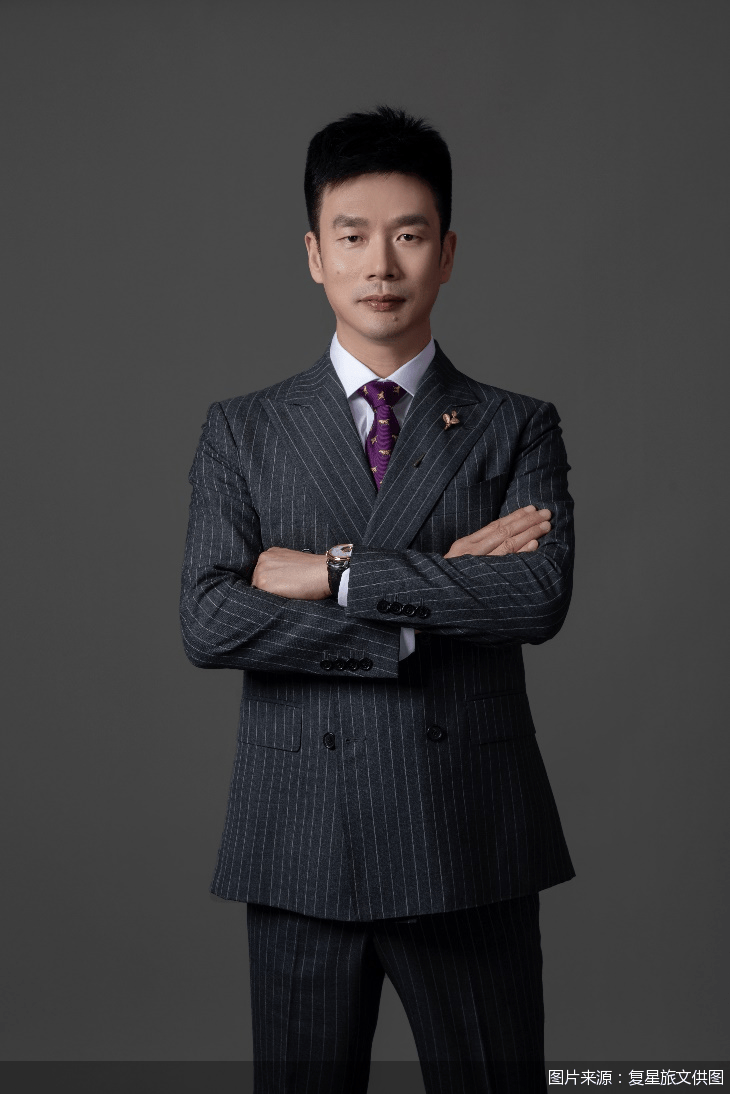
复星旅文轻资产模式入轨
Bei Jing Shang Bao· 2025-11-30 15:43
Core Viewpoint - Fosun Tourism Group is accelerating its transition to a light asset model following its privatization, with significant improvements in cash flow and debt structure, and plans to clear heavy asset projects by 2026 [1][5]. Group 1: Product Lines - The company launched three core product lines targeting different segments of the vacation market, including Club Med Joyview and Club Med Urban Oasis, aimed at addressing issues of short visitor stays and single attraction offerings [3]. - The Super Resort area leverages operational experience from projects like Atlantis Sanya and Taicang Alps International Resort to create multi-faceted vacation destinations in key tourist cities [3]. - The newly introduced Super Cultural Tourism Mall (HiSphere) focuses on urban commercial space renewal, integrating cultural experiences and entertainment elements, with the first project confirmed in Chongqing, expected to open in the second half of 2026 [4]. Group 2: Transition to Light Asset Model - Following privatization, the company is expediting its shift to a light asset model, optimizing its debt structure and selling off heavy asset properties, with a target to clear these by 2026 [5]. - The company has already sold 250 properties in Taicang and is working on revitalizing assets in Lijiang through brand partnerships and management output [5]. - The light asset model aims to reduce financial pressure while enhancing brand value through standardized operations and local cultural integration, allowing for horizontal and vertical growth [5][6]. Group 3: Strategic Partnerships and Projects - Fosun Tourism has signed 18 key projects across major urban clusters, including Guangzhou, Chongqing, and Hangzhou, in collaboration with various research institutions and well-known brands [4]. - The focus on strategic partnerships is intended to leverage existing brand resources and external collaborations to empower the company in its new development phase [6].

200亿复星旅文 一举拿下14个度假地标
2 1 Shi Ji Jing Ji Bao Dao· 2025-11-29 00:25
Core Insights - Fosun Tourism Group has announced the development of 14 new projects, setting a record for contract signings, with locations in cities such as Guangzhou, Chongqing, and Hangzhou [1][8] - The company reported a revenue of 9.53 billion yuan and a net profit of 460 million yuan for the first half of the year, marking a historical high [1][20] - The CEO indicated that the company aims to return to the capital market in the future but is currently focused on expanding its scale and density [2][3] Business Strategy - Following privatization, the management team has re-evaluated the business strategy, deciding to exit marginal businesses and concentrate on the vacation sector [4] - The company has identified three core vacation product lines: Super Resorts, Super Vacation Zones, and Super Cultural Tourism Malls [5] - The Super Resorts aim to transform traditional scenic spots into comprehensive vacation destinations, while Super Vacation Zones will integrate various entertainment forms in tourist cities [5][6] Financial Performance - The company is projected to generate around 20 billion yuan in revenue for the entire year [2] - Atlantis in Sanya is reported to generate over 1.5 billion yuan annually, making it the highest-grossing single hotel in China [7] - The tourism operation revenue reached 10.2 billion yuan, contributing nearly all of the company's income, while property sales are decreasing [18] New Business Initiatives - The company is launching two new business lines: Mediterranean Neighbor and Mediterranean Daydream, focusing on urban micro-vacations and enhancing existing commercial properties [12][14] - The Mediterranean Neighbor targets hotel supply around 4A/5A scenic areas, with plans to open two new resorts in Xi'an and Hangzhou by next year [13] - The Mediterranean Daydream project in Chongqing will combine cultural tourism and shopping, with a total area of 500,000 square meters [14] Operational Changes - The company is transitioning to a light-asset model, reducing self-owned resorts and properties while increasing the proportion of leased and managed resorts [16][17] - The average daily room rate has risen to 2,021 yuan, reflecting improved operational efficiency [17] - The company has completed an 800 million euro syndicated loan to optimize its debt structure [19] Future Outlook - The company plans to open 100 Club Med resorts by 2035, with a focus on maintaining a balance between natural and cultural elements [11] - The CEO expressed confidence in the company's operational capabilities, aiming to enhance profitability as the light-asset strategy is implemented [20][21] - There are no immediate plans to introduce strategic investors for core assets like Atlantis and Club Med, as current returns are deemed satisfactory [23]
18项合作集中签约,复星旅文CEO详解私有化后新战略
Di Yi Cai Jing· 2025-11-28 10:35
Group 1 - The core focus of the company's future vacation projects will be on three main product lines: super resorts, super vacation zones, and super cultural tourism malls [2][4] - The company aims to expand its super resort projects globally, leveraging its 75 years of experience in the leisure vacation sector, with a target of reaching 100 resorts by 2035 [2] - The super vacation zones will be developed in key domestic tourist cities, featuring comprehensive theme resort complexes that include dining, entertainment, and performances, with a notable example being the "super Mediterranean" project in Sanya [4] Group 2 - The company is adopting a light asset operation model, with many of the signed projects involving the transformation and management of existing projects, including five super resorts, eight super vacation zones, and one super cultural tourism mall [4] - The first super cultural tourism mall is expected to open in the second half of 2026 in Chongqing, aiming to revamp traditional shopping centers into cultural and entertainment hubs [4] - The company has applied for a separate listing of its Sanya Atlantis project as a REIT on the Shanghai Stock Exchange, which is seen as an effective tool to promote light asset operations while retaining management rights [5]