
金龙鱼调和油

Search documents
家家关心!北京1月粮油菜价最新清单来了
Bei Jing Ri Bao Ke Hu Duan· 2026-02-13 09:48
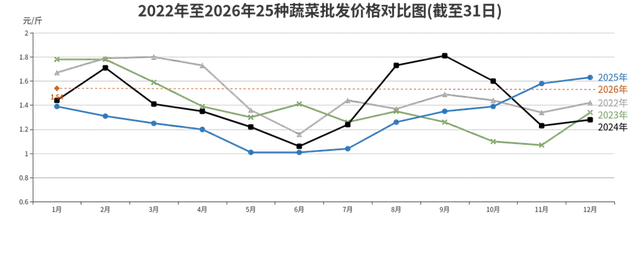
Core Viewpoint - In January, the prices of various agricultural products in Beijing showed a mixed trend, with most prices increasing except for a slight decrease in vegetable prices, indicating stable market conditions and sufficient supply [1][2]. Price Trends - **Vegetable Prices**: Slight decrease in January due to stable production in northern regions and increased supply from southern areas. However, year-on-year prices showed a significant increase, with tomatoes, spinach, and bok choy seeing notable rises [3]. - **Pork Prices**: Wholesale pork prices rebounded in January due to holiday demand, although they remain at a five-year low. Prices at different market levels were reported, with a notable increase in wholesale prices [5]. - **Egg Prices**: A slight increase in egg prices was observed due to reduced production and increased demand for the holiday season, with prices still at a five-year low [7]. - **Beef and Lamb Prices**: Both beef and lamb prices experienced a slight increase, influenced by changes in import tariffs and holiday demand, remaining at mid-levels over the past five years [9]. - **Rice Prices**: The price of japonica rice showed a slight increase as demand for high-quality rice rose ahead of the Spring Festival, while wheat auction results indicated stable supply [11]. - **Cooking Oil Prices**: Prices for cooking oil remained stable, with slight fluctuations noted in specific brands, and overall prices are at five-year lows [16][18]. Comparative Analysis - **Price Rankings**: In January, the prices of vegetables, pork, and eggs in Beijing ranked 33rd, 25th, and 21st respectively among 36 major cities, all below the national average [2].

《人民日报》头版报道爱国侨企金龙鱼:揭开38年千亿投资背后的创新故事
Jin Rong Jie· 2026-02-09 09:18
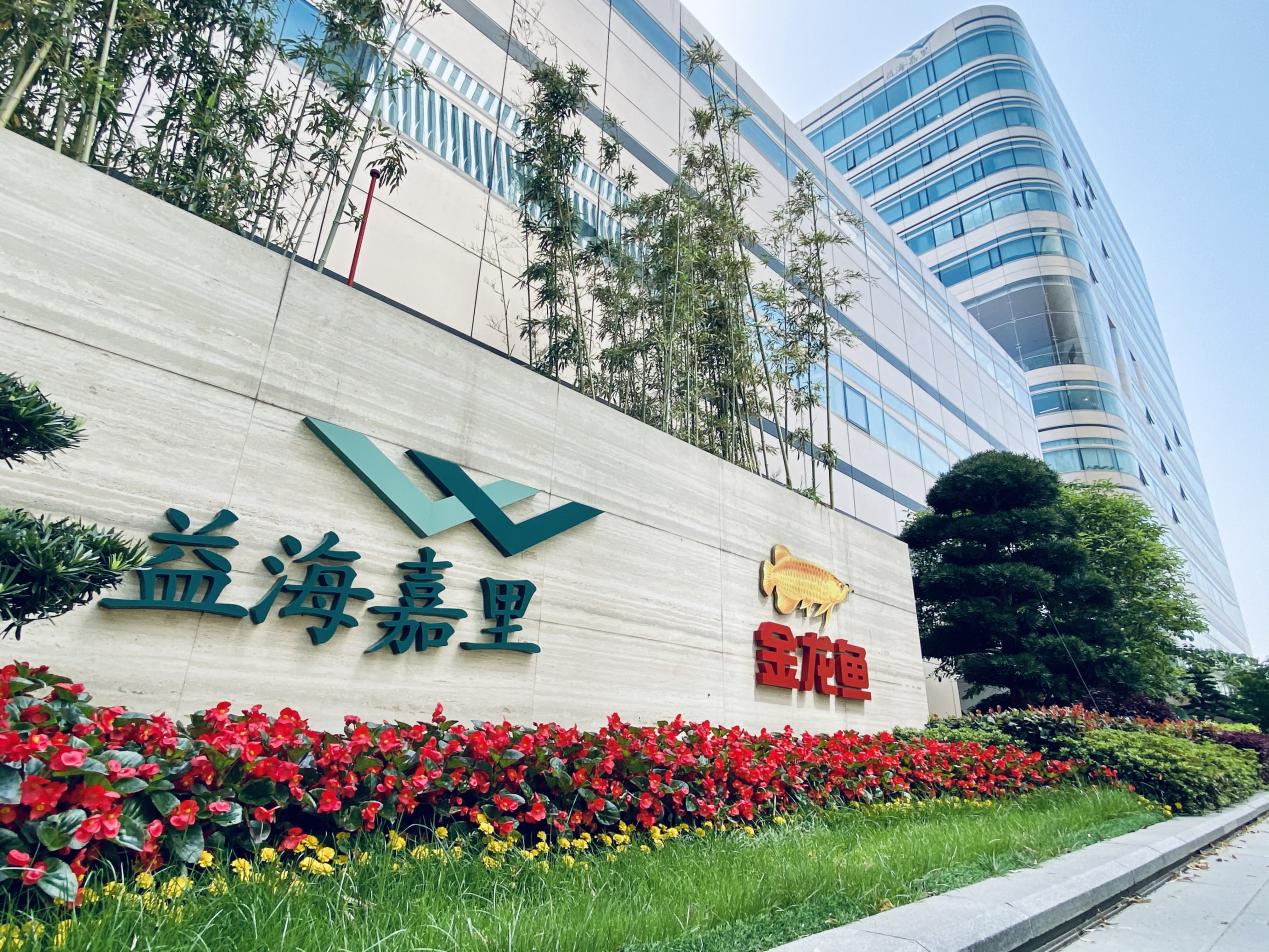
Core Insights - The core message of the articles is that Yihai Kerry Arawana Group, known for its brand Jinlongyu, has transformed industry challenges into opportunities through a systematic "self-revolution" focused on food safety, technological innovation, and a circular economy model [1][6]. Food Safety - Food safety is the foundation for grain and oil enterprises, and Jinlongyu's commitment to food safety exceeds industry standards, aiming for EU-level controls [3][4]. - The company has developed proprietary control technologies to keep harmful substances like 3-MCPD and GE below EU standards, establishing a robust safety barrier [3]. - Jinlongyu's food safety management is structured within a "food safety pyramid," integrating national regulations and globally recognized standards, with 89 factories certified by AIB standards by the end of 2024 [4]. Product Innovation - Jinlongyu's product innovation has evolved from merely satisfying hunger to addressing health concerns, with a focus on creating health-oriented products [6][7]. - The company has introduced various innovative products, including glycerol diester oil, which reduces unhealthy triglyceride levels in cooking oils [6]. - The combination of scale and technology allows Jinlongyu to develop functional foods, leveraging its significant processing capacity and research capabilities [6]. Circular Economy Model - Jinlongyu has shifted from linear production to constructing an ecological industry model, maximizing resource utilization across the supply chain [9][11]. - The company has successfully transformed by-products like rice bran and husks into valuable resources, enhancing the overall value of the supply chain [9][11]. - This circular economy model not only boosts the company's profitability but also benefits farmers and promotes environmental sustainability [11]. Commitment to Development - Jinlongyu's continuous innovation and investment of over 100 billion yuan reflect its strong confidence in the Chinese market and its commitment to high-quality development in the grain and oil industry [11].

金龙鱼子公司卷入18.81亿诈骗案,股价十日跌12%市值蒸发222亿
Sou Hu Cai Jing· 2025-12-04 02:04
Core Viewpoint - The recent controversies surrounding the company, including involvement in a contract fraud case and removal from the MSCI China Index, have led to a significant decline in its stock price and market capitalization. Group 1: Stock Performance and Market Impact - The company's stock price has dropped over 12% from November 13 to November 26, resulting in a total market value loss of approximately 22.2 billion [5] - As of December 1, 2025, the company's total market capitalization stands at 161.1 billion, a decrease of about 62.5 billion from its historical peak of 786.1 billion in January 2021 [6] Group 2: Legal Issues and Company Response - The contract fraud case dates back to a tripartite cooperation from 2008 to 2014, where the company's subsidiary was found guilty of being an accomplice in fraud, leading to a penalty of 1 million and a compensation responsibility of 1.881 billion [4] - The company has publicly stated its intention to appeal the court's decision and has held an investor briefing to clarify its position, asserting that it did not participate in the fraud [4][5] Group 3: Business Operations and Financial Performance - The company reported a revenue of 184.27 billion for the first three quarters of 2025, reflecting a year-on-year growth of 5.02%, with a net profit of 2.749 billion, up 92.06% [11] - The company's business segments include kitchen foods and feed raw materials, with significant growth in both revenue and profit in the third quarter of 2025 [12][11] - Despite being a market leader in revenue, the company operates on thin profit margins, with a long-term sales gross margin around 5% and a net margin of approximately 1.1% [15][14] Group 4: Company Background and Expansion - The company is part of a larger conglomerate, with its ultimate controlling entity being Wilmar International, which reported revenues of 479.6 billion in 2024 [16] - The company has been expanding its business footprint, including a recent investment in Shandong Luhua Group, acquiring a 10.95% stake, indicating a strategy of resource integration within the industry [20]
请问广东人,为什么水池里养的是银龙鱼?
Hu Xiu· 2025-07-25 04:56
Core Viewpoint - The article discusses the viral success of the song "大展鸿图" (Great Ambitions), highlighting its cultural significance and the phenomenon of internet songs in contemporary society [10][11][12]. Group 1: Song Popularity and Impact - "大展鸿图" has gained immense popularity, with over 20 billion plays across platforms, leading to an estimated 60 billion written versions by the artist [2][11]. - The song's dance challenge on TikTok contributed significantly to its viral spread, resulting in over 1 million likes and 500,000 shares on Douyin [11]. - The song's success has led to a notable increase in the artist's monthly listeners, surpassing 3.02 million on Spotify, overtaking well-known artists like Jay Chou [12]. Group 2: Cultural Significance - The song's lyrics and themes reflect cultural nuances, such as the preference for "银龙鱼" (Silver Arowana) over "金龙鱼" (Golden Arowana) in Guangdong, indicating regional tastes and economic status [15][18]. - The title "大展鸿图" is often confused with "大展宏图," showcasing the evolving usage of language and the impact of internet culture on traditional expressions [20][21][22]. - The song's lyrics and their interpretation highlight the cultural differences in understanding concepts like "研墨下笔" (grinding ink), emphasizing the need for cross-cultural explanations [27][29]. Group 3: The Dual Nature of Internet Songs - The article explores the dual nature of "大展鸿图" as both a local and trendy song, illustrating how perceptions change based on audience exposure [38][39]. - The rise of short video platforms has accelerated the cultural exchange and popularity of various music genres, including rap and jazz, indicating a shift in how music is consumed [40].
下半年粮油价格预计稳中有降
Sou Hu Cai Jing· 2025-07-20 20:23
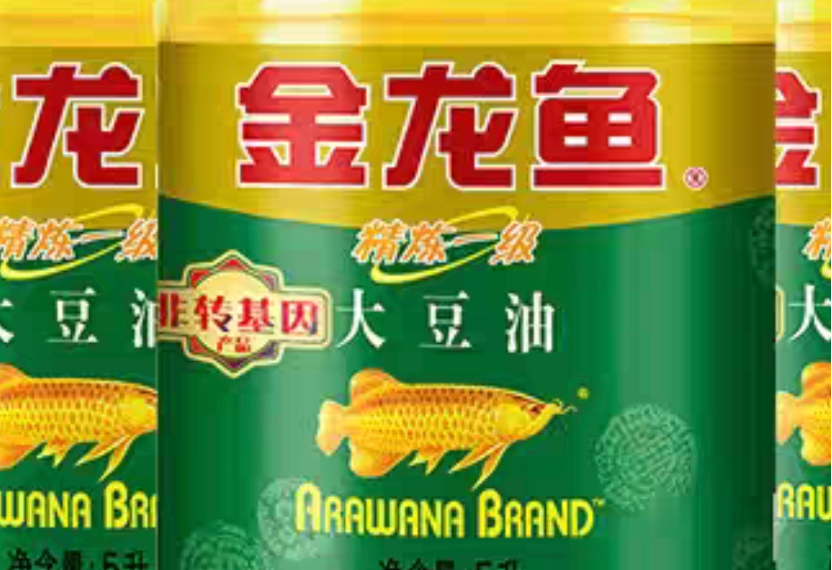
Core Insights - The supply of various agricultural products in the city is sufficient, with prices generally lower than the same period last year [1] - Vegetable wholesale prices have decreased significantly, with a cumulative drop of 27.34% in the first half of the year [2] - The prices of pork and eggs have also shown a downward trend, while grain and oil prices are expected to remain stable with slight decreases [4] Vegetable Market - Vegetable wholesale prices in Beijing have seen a continuous decline, with a cumulative decrease of 27.34% in the first half of the year [2] - The average wholesale price of vegetables was 1.19 yuan per jin, with community and supermarket prices at 3.18 yuan and 3.62 yuan respectively, showing year-on-year declines of 13.14%, 8.09%, and 6.46% [2] - Seasonal and weather factors are expected to cause vegetable prices to fluctuate upwards in the second half of the year [4] Pork Market - Pork prices have been fluctuating downwards, with a year-on-year decrease of 21.96% by June [3] - The average wholesale price of pork was reported to be lower due to increased supply from the release of reserve meat and a rise in the number of breeding sows [3] Egg Market - The wholesale price of eggs reached its lowest level in five years, with an average price of 3.51 yuan per jin, reflecting a year-on-year decrease of 8.36% [3] - Egg prices are expected to remain low due to sufficient market supply [4] Grain and Oil Market - Grain and oil prices have shown stability with slight decreases; for instance, the average price of japonica rice was 2.29 yuan per jin, down 8.03% year-on-year [4] - The price of blended oil has also seen a minor decline, with the average price for a 5-liter bottle at 58.27 yuan, down 5.53% [4]