
金龙鱼1:1:1调和油

Search documents
从舆论漩涡到全球抢单!金龙鱼45亿瓶爆款背后的破局密码
Sou Hu Cai Jing· 2025-12-27 06:10
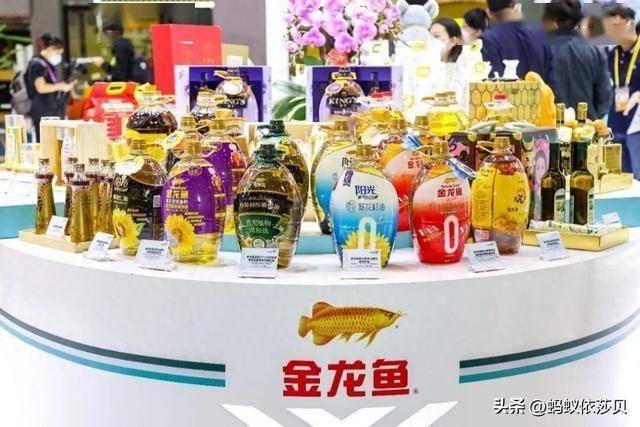
Core Insights - The company, Jinlongyu, has successfully turned around its fortunes after facing a significant public relations crisis and declining market performance, achieving a remarkable profit increase of 92.06% year-on-year in the first three quarters of 2025, with a net cash flow from operating activities reaching 27.597 billion yuan [1][3]. Group 1: Product Innovation - Jinlongyu's strategy focuses on classic product iteration and technological breakthroughs, exemplified by the 1:1:1 blended oil, which has sold over 4.5 billion bottles globally since its launch in 2002, maintaining its position as the top-selling oil worldwide [3][4]. - The company has also innovated in other core categories like rice and flour, introducing products such as low GI rice and black quinoa noodles, enhancing both quality and value [5]. Group 2: Health-Oriented Products - Jinlongyu has capitalized on the growing health consciousness among consumers by launching a new health brand, Fengyitang, which includes products like glycerol ester oil and plant sterol protein milk, targeting the high-end health food market [7][8]. - The introduction of these health-focused products aligns with national health initiatives and has significantly contributed to revenue growth, with high-end cooking oil now accounting for 12% of total sales [8]. Group 3: Customized Collaborations - The company has established strategic partnerships with major retailers like Costco and Sam's Club, creating customized products that meet specific consumer demands, such as black bean soy sauce and various oils [9][10]. - This approach has allowed Jinlongyu to enhance its market share and ensure rapid product delivery to targeted consumer groups, demonstrating effective supply chain management [10]. Group 4: Brand Resilience and National Commitment - Jinlongyu's recovery is attributed to its commitment to continuous innovation and consumer-centric strategies, reflecting a deep-rooted national sentiment and dedication to food security in China [13][14]. - The brand's evolution from a crisis to a global player serves as a lesson for national brands, emphasizing that true competitive advantage lies in product quality rather than marketing alone [14].

“金龙鱼丰益堂”进博会首秀,这些健康惊喜别错过
Zhong Guo Xin Wen Wang· 2025-11-06 08:20
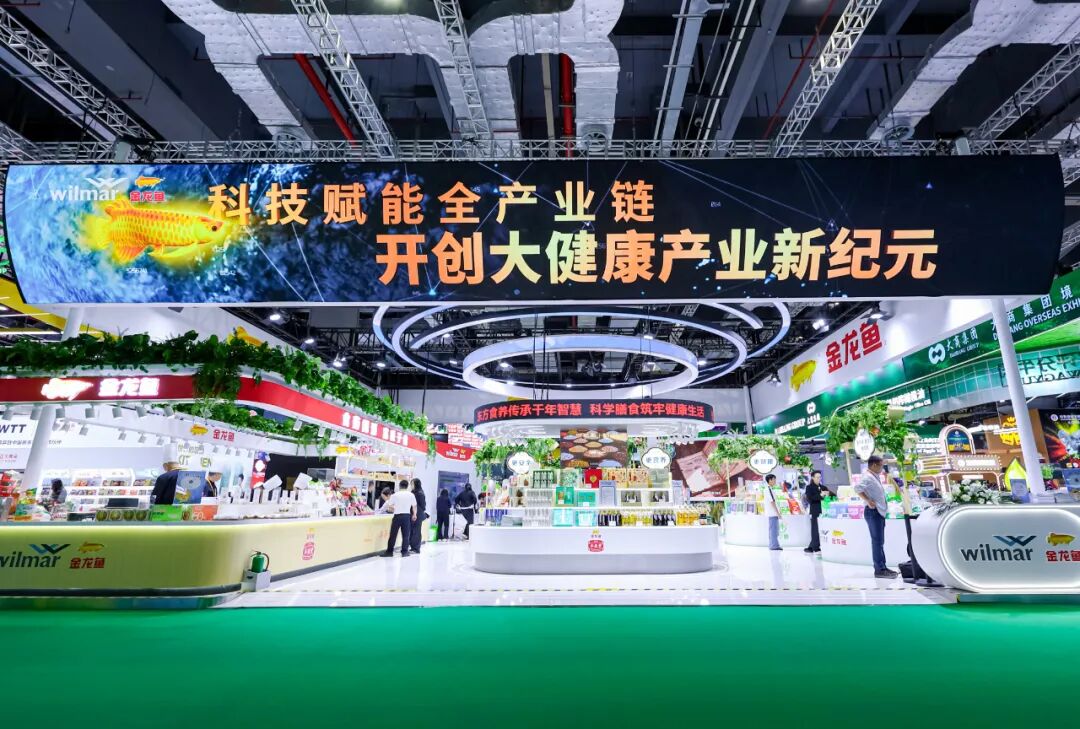
Core Viewpoint - The company, Yihai Kerry, showcases its commitment to health and innovation at the 8th China International Import Expo, emphasizing its full industry chain and technological advancements in the health food sector [1][3][4]. Group 1: Health and Product Innovation - Yihai Kerry has been participating in the Import Expo for eight consecutive years, presenting its theme of "Empowering the entire industry chain with technology to create a new era of health" [1]. - The company highlights its focus on safety and quality, ensuring that its products meet international standards, such as the "3-MCPD&GE compliant with EU standards" for its small-packaged cooking oils [3]. - The introduction of the "Jinlongyu Fengyitang" brand, which focuses on functional health products, addresses the urgent health needs of the population, particularly in response to the high rates of obesity and chronic diseases in China [4][6]. Group 2: Technological Advancements and Sustainability - Yihai Kerry emphasizes the importance of a circular economy in agriculture, showcasing its innovative rice oil and fresh rice products that maximize the value of rice and reduce waste [9][11]. - The company has developed a "6-step fresh rice precision control technology" to enhance the freshness and taste of rice, significantly reducing losses during production [11]. - The establishment of central kitchen parks aims to streamline the supply chain and enhance collaboration among upstream and downstream enterprises, demonstrating the company's commitment to industry innovation [13]. Group 3: Digital Transformation and AI Integration - Yihai Kerry is investing in smart factories to improve operational efficiency and resource utilization, addressing the challenges of traditional grain processing [14][16]. - The implementation of AI technology in various business processes, including procurement and production, aims to enhance operational efficiency and market competitiveness [16]. - The company’s efforts in digital transformation position it as a leader in the industry, showcasing its ability to adapt to new technological trends [14][16].
狂砍成本,Keep走向盈利丨消费参考
2 1 Shi Ji Jing Ji Bao Dao· 2025-08-26 00:27
Summary of Keep's Financial Performance - Keep reported a revenue decline of 20.8% year-on-year to 821 million yuan in the first half of 2025, but achieved a net profit of 10.34 million yuan, a turnaround from a loss of 160 million yuan in the same period last year [1][2] - The company's self-branded sports product revenue fell by 20.9% to 400 million yuan, attributed to the scaling down of low-margin product categories [2] - Online membership and paid content revenue decreased by 22.9% to 340 million yuan, primarily due to reduced income from online sports events [2] - Advertising and other income dropped by 11.0% to 88 million yuan, influenced by the gradual shutdown of the Keepland business [2] Cost Management and Profitability - Keep's overall costs decreased by 29.9% to 390 million yuan, leading to a gross profit of 430 million yuan and a gross margin increase of 6.2 percentage points to 52.2% [3] - The gross margin for online membership and paid content rose to 71.3%, up 3.4 percentage points, due to an increase in subscription revenue and improved operational efficiency [3] - The gross margin for self-branded fitness products improved to 34.8%, up 3.3 percentage points, driven by product mix optimization and better pricing strategies [3] - Marketing and market expenses fell by 30.9% to 220 million yuan, while R&D expenses decreased by 17% to 160 million yuan [3] Financial Position - As of June 30, 2025, Keep had total available funds of 1 billion yuan, including cash, cash equivalents, and short-term investments [3] Market Context - Keep's case illustrates that even in a saturated market, there is potential for profitability through pragmatic cost-cutting measures [4][5]