面板级封装(FOPLP)

Search documents
先进封装,为何成2nm后的关键
半导体芯闻· 2026-01-30 11:22
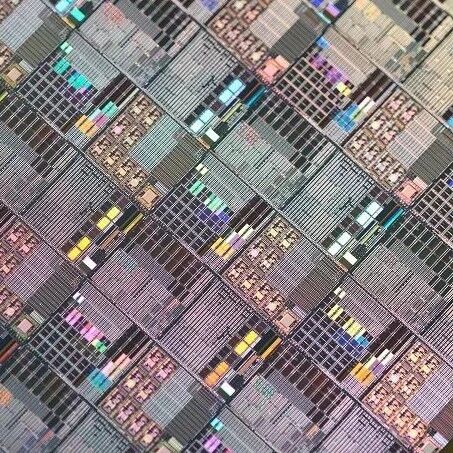
Core Viewpoint - The semiconductor industry is entering a new phase with the mass production of 2nm processes, where advanced packaging technology is becoming a focal point due to its critical role in chip performance enhancement beyond mere transistor scaling [1]. Group 1: Advanced Packaging - Advanced packaging is not a single technology but a series of solutions aimed at enhancing chip integration, connectivity, and system performance, evolving from traditional packaging to more complex structures like 2.5D and 3D stacking [2]. - This technology does not directly increase chip computation speed but allows for more efficient utilization of computational power, akin to equipping characters with suitable gear to maximize their potential [2]. Group 2: Performance Impact of Connectivity - The layout of connections within advanced chips significantly affects performance, as data movement can consume more power than computation itself; inefficient routing leads to delays and energy waste [3]. - Advanced packaging improves thermal management, which is crucial as chip stacking density increases; effective heat dissipation is essential for maintaining performance levels [3]. Group 3: Differentiated Needs in Applications - Different application scenarios have distinct packaging requirements; AI and data center chips prioritize maximum output and bandwidth, while mobile device chips focus on compactness and power efficiency [4]. - AI chips are designed for high performance, while mobile chips must balance integration and power consumption, reflecting a divergence in packaging strategies [4]. Group 4: Innovations in Materials and Techniques - The industry is exploring glass substrates to replace traditional plastic materials, offering benefits such as finer signal lines and better thermal stability, which can lower production costs by allowing more chips to be packaged simultaneously [5]. - Panel-level packaging (FOPLP) represents a shift towards efficiency by utilizing square packaging instead of circular wafers, maximizing space usage and reducing costs [5].

台积电痛失订单!
半导体芯闻· 2025-05-27 10:21
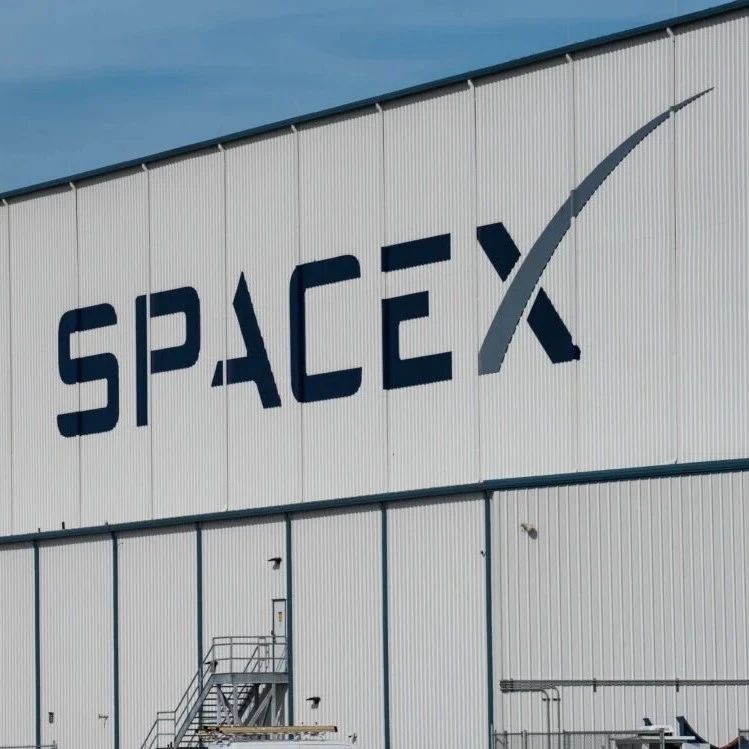
Core Viewpoint - SpaceX, led by Elon Musk, is betting on Fan-Out Panel Level Packaging (FOPLP) to meet the production demands of its low Earth orbit satellites, requiring suppliers to expand their FOPLP production lines [1][2]. Group 1: SpaceX and FOPLP Development - SpaceX has signed a Non-Recurring Engineering (NRE) contract with Innolux, which is expected to secure significant orders for power management chips and aims for FOPLP mass production this year [1]. - SpaceX is also building its own FOPLP production line in Malaysia, with a substrate size of 700mm x 700mm, the largest in the industry, targeting RF chips and power management chips for integrated packaging [1]. Group 2: Innolux's Position and Strategy - Innolux, a supplier for Tesla, is extending its collaboration into semiconductors, aiming to develop analog chips for mass production this year [2]. - The company is utilizing its existing 3.5-generation glass substrate for FOPLP, which, while not competitive for panel production, offers significant size advantages for packaging efficiency [2]. Group 3: Clarifications on Technology Capabilities - Following a report suggesting that the display industry's precision standards are insufficient for advanced chip packaging, Innolux clarified that it has not received negative feedback regarding its technical capabilities and that the overlap between display technology and advanced packaging processes is significant [3][4]. - Innolux emphasized that its G3.5 factory can produce the largest substrate size currently applicable for advanced packaging, and it can adjust processes for smaller substrate sizes without technical challenges [4][5]. Group 4: Market Trends and Future Focus - The trend towards larger chip sizes is driving the economic benefits of larger packaging substrates, which Innolux plans to focus on to enhance process efficiency and provide reliable packaging solutions for clients [5].
台积电痛失特斯拉FOPLP订单?
半导体行业观察· 2025-05-26 00:50
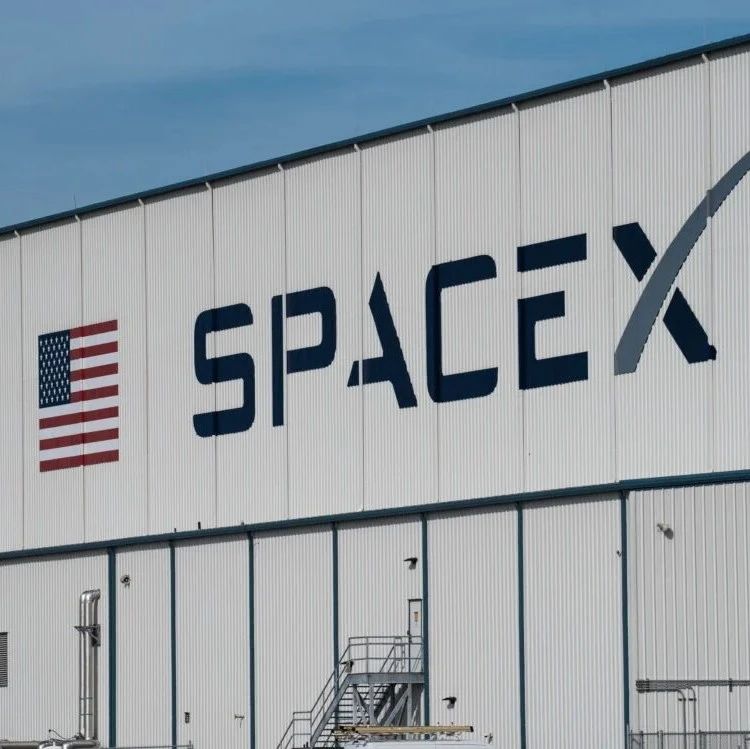
Core Viewpoint - SpaceX, led by Elon Musk, is betting on Fan-Out Panel Level Packaging (FOPLP) to meet the production demands of its low Earth orbit satellites, requiring suppliers to expand their FOPLP production lines [1][2]. Group 1: SpaceX and FOPLP Development - SpaceX has signed a Non-Recurring Engineering (NRE) contract with Innolux, which is expected to secure significant orders for power management chips and aims for FOPLP mass production this year [1]. - SpaceX is also establishing its own FOPLP production line in Malaysia, with a substrate size of 700mm x 700mm, the largest in the industry, to enhance vertical integration capabilities in satellite systems [1][2]. Group 2: Innolux's Position and Strategy - Innolux, a supplier for Tesla, is extending its collaboration with SpaceX into semiconductors, aiming to develop analog chips for mass production this year [2]. - The company is utilizing its existing 3.5-generation glass substrate for FOPLP, which, while not competitive for panel production, offers significant advantages in mass production efficiency due to its large size [2]. Group 3: Technical Development and Clarifications - Innolux is developing three main process technologies for FOPLP: chip first, RDL first, and TGV, with chip first and RDL first progressing as planned, while TGV is still in the development phase [4]. - The company emphasizes that the display technology and advanced packaging processes share about 60% of their procedures, indicating a strong potential for entering the packaging field [4][5]. Group 4: Market Perception and Misunderstandings - Innolux has clarified misunderstandings arising from reports suggesting that the display industry's precision standards are insufficient for advanced chip packaging, asserting that such claims could mislead the market and affect its reputation [3][4]. - The company has the capability to produce the largest substrate size currently applicable in advanced packaging, and it can adjust processes for smaller substrate sizes without technical challenges [4][5].