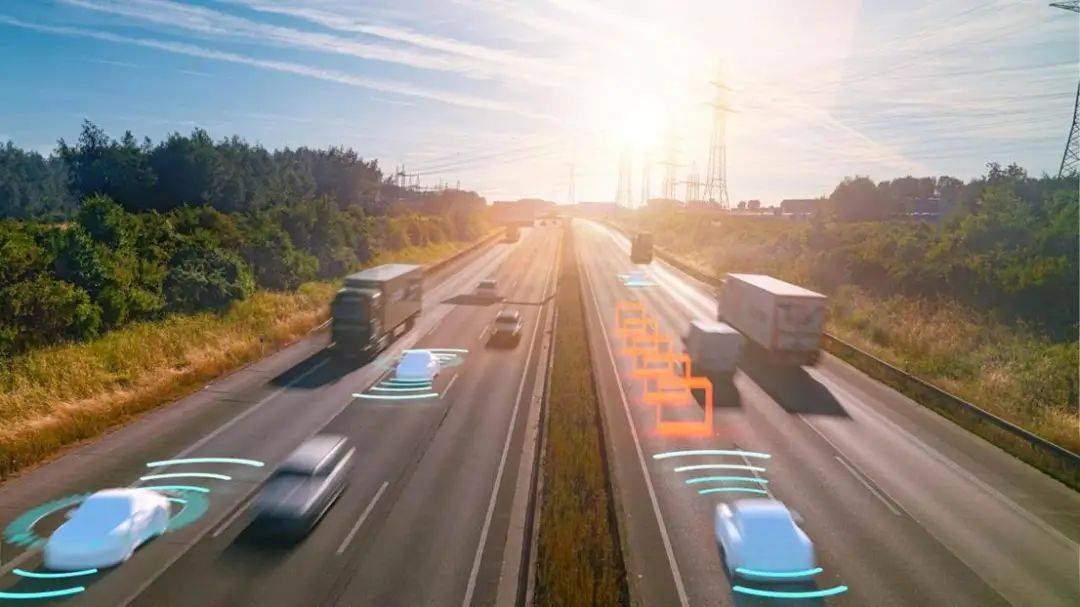
领航辅助驾驶功能

Search documents
观车 · 论势 || 疾风知劲草,新局自此开
Zhong Guo Qi Che Bao Wang· 2026-01-05 01:24
Core Viewpoint - The Chinese automotive industry in 2025 is characterized by a "reversal," with a shift from irrational competition and price wars to a more regulated and innovative landscape [1][5]. Group 1: Industry Regulation and Order - The internal forces seeking order have awakened, leading to a collective consensus against "involution" in the industry, with various government departments implementing measures to regulate competition [1][2]. - The Ministry of Industry and Information Technology and other agencies have introduced comprehensive governance measures to address irrational competition, resulting in a significant reduction in promotional pricing and discounts in the passenger car market [1][2]. Group 2: Corporate Integration and Efficiency - Major automotive companies are undergoing integration to enhance efficiency and reduce costs, as seen with Geely's integration of Zeekr and NIO's consolidation of brands [2]. - The trend of corporate integration reflects a consensus among automakers to pool resources and strengthen their competitive positions in the market [2]. Group 3: Innovation and Technology - Innovation is driving the industry forward, with advancements in technology making features like assisted driving more accessible, as evidenced by a 64% penetration rate of combined assisted driving vehicles in the new car market [3]. - The automotive industry's boundaries are blurring as companies expand into areas like robotics and smart devices, indicating a long-term evolution of technology and business models [3]. Group 4: Market Expansion and Globalization - Incentive policies such as trade-in programs are effectively stimulating the existing market, while the expansion of charging networks and sales channels is awakening the potential of county-level markets [4]. - China's automotive exports reached 6.343 million units in the first 11 months of the year, marking an 18.7% year-on-year increase, with a shift towards new export models like technology and localized production [4]. Group 5: Future Outlook - The automotive industry is expected to continue addressing "involution" in 2026, with new guidelines being introduced to ensure compliance in pricing behavior [5]. - The industry aims to achieve stable growth while navigating uncertainties such as policy changes and international market conditions, striving for a more competitive and resilient automotive landscape [6].
雷军低谷的背后,智驾降温了?市场数据里隐藏着什么信号?
Sou Hu Cai Jing· 2025-05-18 11:50
Group 1 - The recent period has been challenging for Xiaomi, particularly due to the trust crisis triggered by the fatal accident involving the Xiaomi SU7, prompting a reevaluation of smart driving technology in the industry [1] - The market for smart driving features remains strong, with a survey indicating that nearly 30% of consumers are willing to pay over 10,000 yuan for advanced driving assistance systems [3] - The penetration rate of L2 and above driving assistance features in the new energy passenger car market reached 66.3% in early 2025, indicating a growing consumer focus on smart driving capabilities [3] Group 2 - The penetration rate of new energy vehicles in China surpassed that of fuel vehicles, reaching 51.5% in April, with predictions suggesting it will exceed 70% by 2030 [6] - The competition among new energy vehicle manufacturers is intensifying, with Leap Motor achieving a 173% year-on-year increase in deliveries, becoming the top seller in April [10] - The Leap B10 model, which features a lower price point for laser radar technology, significantly contributed to its sales, highlighting the importance of competitive pricing in the smart driving market [12] Group 3 - The smart driving market is characterized by a split between safety ethics and rising consumer demand, leading to a search for balance within the industry [9] - The market is dominated by three main models: third-party solutions like Momenta, vertical integration by Huawei, and in-house development by companies like XPeng [18] - Momenta holds a 60% market share in the urban NOA supply chain, while Huawei's HI model accounts for nearly 30%, indicating the strong position of domestic suppliers in the smart driving sector [19][20] Group 4 - Traditional automotive giants are recognizing new opportunities in the smart driving space, particularly in safety, which has become a competitive advantage [23] - The competition in the smart driving sector is evolving from merely stacking features to a multidimensional battle focusing on safety experience, scale, and ecosystem [23]