
饮料冷却机

Search documents
高物价、收入下滑,美国关税政策不断加剧自身民生压力
Ren Min Ri Bao· 2026-01-15 01:06
Core Insights - The U.S. tariff policy is exacerbating domestic economic pressures, leading to declining consumer confidence and increased inflation [3][4][6] - A recent survey indicates that the consumer confidence index for December 2025 is at 53.3, significantly down from 74 in December 2024, reflecting growing concerns over economic stability [3][4] - The holiday shopping season saw a 26% average price increase for popular gifts compared to the previous year, with specific categories like home goods and electronics experiencing even higher price hikes [3][5] Consumer Impact - Many American families are feeling the financial strain from tariff policies, leading to reduced purchasing power during the holiday season [4][5] - A survey revealed that 87% of respondents believe grocery prices have risen, and about two-thirds reported increased expenses for utilities and holiday gifts [4][6] - Approximately 40% of families have cut back on the number of gifts purchased, and nearly one-third have reduced the number of gift recipients due to rising costs [5][6] Tariff Effects on Pricing - The majority of tariff costs (70.5%) are being passed on to consumers, with retailers absorbing the remaining 29.5% [6] - Retailers are incorporating tariff costs into product pricing, leading to higher expenses for consumers [6][7] - The analysis indicates that from March to September 2025, imported goods prices rose by about 4%, while domestic goods saw a 2% increase due to tariffs [6][7] Broader Economic Implications - The ongoing tariff policy is expected to suppress overall demand in the U.S., with a forecast of continued pressure on trade volumes and slowing household consumption growth [7] - The OECD has reported that the value of imported goods subject to tariffs has significantly decreased compared to non-tariffed imports, indicating a broader economic impact [7]


美国关税政策不断加剧自身民生压力
Sou Hu Cai Jing· 2026-01-14 23:33
Group 1 - The core viewpoint of the articles highlights the ongoing impact of U.S. tariff policies on both the U.S. economy and global economy, with consumer confidence significantly declining due to rising prices and inflationary pressures [1][2][4] - The University of Michigan's preliminary consumer confidence index for December 2025 is reported at 53.3, down from 74 in December of the previous year, indicating a lack of confidence among consumers [1] - A report from the "Foundation for Consumer Advocacy" indicates that popular holiday gift prices increased by an average of 26% compared to the previous year, with specific categories like home goods and kitchen items rising by 38% and electronics by 34% [1] Group 2 - Many American families are feeling the financial strain from tariff policies, leading to reduced purchasing power during the holiday season, which is typically a peak time for consumer spending [2] - A recent poll shows that 87% of respondents believe grocery prices have risen, with about two-thirds reporting increased expenses for utilities and holiday gifts [2] - The impact of tariffs is evident as 45% of surveyed consumers feel pressured in their holiday shopping plans due to these policies [3] Group 3 - The majority of tariff costs are being passed on to consumers, with 70.5% of the tariff burden transferred to them, while retailers absorb the remaining 29.5% [3] - The Harvard Business School's pricing lab analysis indicates that from March to September 2025, import prices rose by approximately 4% and domestic goods by 2% due to tariffs [4] - The OECD's latest economic outlook suggests that the imposition of tariffs is suppressing overall demand in the U.S., leading to a forecasted slowdown in household consumption growth and prolonged inflation [4]
美国关税政策不断加剧自身民生压力(深度观察)
Sou Hu Cai Jing· 2026-01-14 22:52
Group 1: Consumer Confidence and Spending - The University of Michigan's survey indicates a decline in the U.S. consumer confidence index, with a preliminary value of 53.3 for December 2025, down from 74 in December 2024 [2] - High prices and declining incomes are causing frustration among consumers, leading to concerns about economic stability [2] - A report from consumer advocacy organizations shows that popular holiday gifts saw an average price increase of 26% compared to the previous year, with home and kitchen goods rising by 38% and electronics by 34% [2] Group 2: Impact of Tariff Policies - Tariff policies are identified as a major factor affecting retail prices and consumer spending, with 45% of surveyed consumers feeling pressured in their holiday shopping plans due to tariffs [4] - The majority of tariff costs (70.5%) are passed on to consumers, with retailers absorbing the remaining 29.5% [4] - The U.S. government's claim that tariff costs will be borne by other countries is contradicted by evidence showing that tariffs are increasing the financial burden on American households [5] Group 3: Consumer Behavior Changes - Many consumers, particularly those from middle and low-income households, are becoming more cautious in their spending, focusing on value for money [3] - Approximately 87% of respondents in a recent poll reported that grocery prices have risen, with about half seeking lower-priced items or postponing large purchases [3] - To cope with rising costs, 40% of families are reducing the number of gifts they buy, and nearly one-third are cutting back on the number of gift recipients [4]
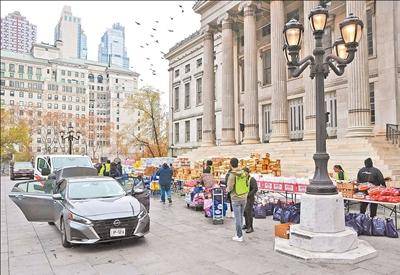
美多家机构报告显示——美国关税政策不断加剧自身民生压力(深度观察)
Ren Min Ri Bao· 2026-01-14 22:19
Group 1 - The core viewpoint of the articles highlights the ongoing impact of U.S. tariff policies on both the U.S. economy and global economy, particularly affecting consumer confidence and spending during the holiday season [1][2][4] - The preliminary consumer confidence index for December 2025 is reported at 53.3, a significant drop from the previous year's final value of 74, indicating a decline in consumer sentiment [1] - A report indicates that popular holiday gift prices have increased by an average of 26% compared to the previous year, with specific categories like home and kitchen goods rising by 38% and electronics by 34% [1] Group 2 - Many American families are feeling the financial pressure from tariff policies, leading to reduced purchasing power during the holiday season, with 87% of respondents in a recent poll noting higher grocery prices [2][3] - Approximately 40% of households have reduced the number of gifts they purchase, and nearly one-third have cut back on the number of gift recipients due to rising costs [3] - The burden of tariffs is largely passed on to consumers, with 70.5% of tariff costs being transferred to them, while retailers absorb the remaining 29.5% [3] Group 3 - The U.S. government's assertion that tariff costs will be borne by other countries is contradicted by evidence showing that these policies are increasing the financial burden on American citizens [4] - The economic outlook suggests that the volume of imports subject to tariffs has significantly decreased, indicating a suppression of overall demand in the U.S. economy, which is expected to continue affecting consumer spending and inflation [4]