饮料零食

Search documents
“比200万高很多”,李亚鹏公开为董宇辉发声,连续两天直播销售破亿
Hua Xia Shi Bao· 2026-02-08 14:45
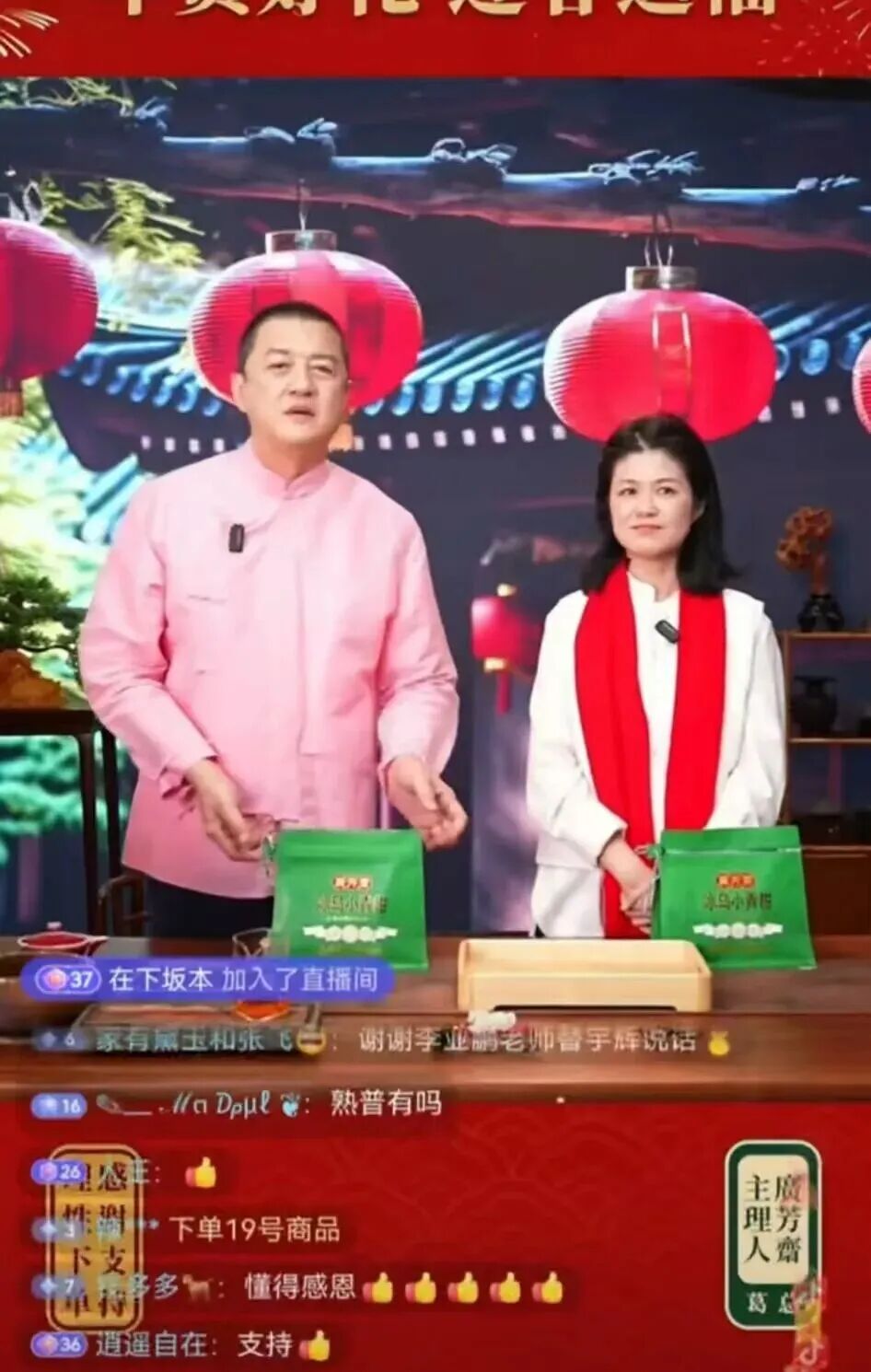
Core Viewpoint - Li Yapeng publicly confirmed that Dong Yuhui made a significant donation to the Yanran Angel Children's Hospital during a crisis, emphasizing that the amount was substantial and not publicly disclosed due to Dong's request for confidentiality [1][5]. Group 1: Donation and Support - Dong Yuhui donated a large sum to the Yanran Angel Children's Hospital, which was facing closure due to financial difficulties [1][8]. - Li Yapeng expressed gratitude towards various individuals, including Dong Yuhui, for their immediate support in donating to the hospital [8]. Group 2: Live Streaming Performance - Li Yapeng's live streaming sessions on February 6 and 7 generated over 1 billion yuan in sales, with one session alone exceeding 1.8 billion yuan [7]. - The live streams attracted significant viewer engagement, with over 400,000 online viewers at one point, and resulted in a substantial increase in Li Yapeng's follower count on social media [13][15]. Group 3: Public Reaction and Engagement - There was a mixed public reaction regarding Dong Yuhui's low-profile donation, with some criticizing the lack of transparency while others defended the notion of discreet philanthropy [5]. - Li Yapeng's approach during the live streams focused on rational consumption, avoiding aggressive sales tactics, which resonated well with the audience [11][13].

“十五五”规划分析及产业投资机遇展望
Ping An Securities· 2025-11-12 10:27
Group 1: Economic Strategy - The "15th Five-Year Plan" emphasizes economic construction as the core focus, aiming to build a modern industrial system centered on advanced manufacturing[9] - Key industrial development lines include "hard technology," advanced manufacturing, domestic circulation, and energy resource security[3] - The plan aims to create a market space of 10 trillion yuan by optimizing traditional industries and fostering emerging sectors over the next five years[8] Group 2: Hard Technology and Advanced Manufacturing - The plan highlights the importance of original innovation and key core technology breakthroughs, particularly in AI and digital technologies[12] - The automotive industry is expected to see accelerated commercialization of L3/L4 autonomous driving technologies during the "15th Five-Year Plan" period[34] - The focus on advanced manufacturing aims to enhance the global competitiveness of traditional industries like chemicals and machinery, with a push towards smart and green manufacturing[8] Group 3: Domestic Circulation and Consumption - The plan stresses the need to boost consumption and expand effective investment, particularly in the real estate sector, to support high-quality development[3] - The "anti-involution" policy is expected to improve the operational environment for construction materials and consumer goods, benefiting companies in these sectors[3] Group 4: Resource Security - The plan calls for strengthening the exploration and development of strategic mineral resources, particularly rare earths, to enhance their strategic importance[3] - It emphasizes the need for a new energy system, focusing on clean and efficient utilization of fossil energy while promoting renewable energy sources[3] Group 5: Market Outlook and Risks - The equity market is expected to maintain high volatility, with a focus on sectors benefiting from industrial recovery and performance superiority[3] - Key risks include macroeconomic fluctuations, lower-than-expected corporate profit growth, and geopolitical uncertainties[3]
单店日销超50万,“超市界优衣库”如何做到的?
3 6 Ke· 2025-05-20 03:36
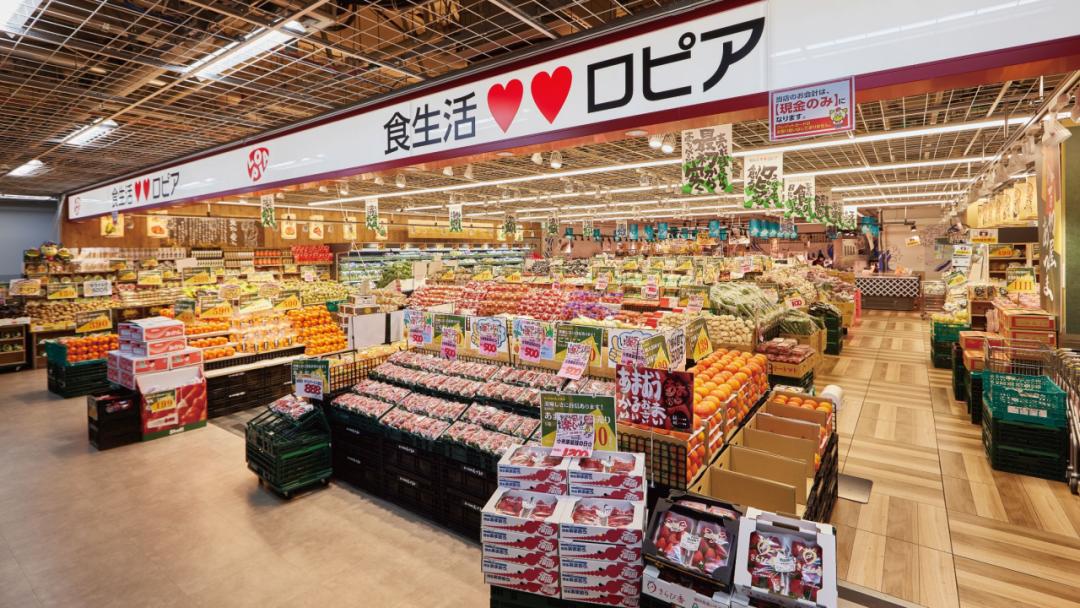
Core Viewpoint - LOPIA has emerged as a significant player in the Japanese supermarket industry, achieving remarkable growth and redefining the retail experience by focusing on customer engagement and innovative product offerings [1][19]. Group 1: Company Overview - LOPIA's revenue reached 521.3 billion yen (approximately 25.9 billion RMB) for the fiscal year ending February 2025, marking a sixfold increase over the past decade [1][8]. - The supermarket chain has opened 123 stores, including 116 in Japan and 7 in Taiwan, where it has quickly established a strong market presence [8][19]. Group 2: Business Model and Strategy - LOPIA transitioned from a meat specialty store to a discount supermarket in 2009, emphasizing the sale of quality products at lower prices [2][19]. - The company adopts a "selling experience" approach, transforming stores into engaging environments that encourage customer exploration and interaction [4][19]. - LOPIA's store layout and product offerings are designed to enhance customer experience, with a focus on fresh produce, meats, and unique food items [6][16]. Group 3: Target Market - The primary customer base consists of middle-income families, particularly dual-income households, with a significant proportion of customers aged 30-40 [8][19]. - Customers typically visit LOPIA 1-2 times a week for bulk purchases of fresh food [8]. Group 4: Operational Structure - LOPIA employs a decentralized management model, allowing individual departments within stores to operate with autonomy, akin to independent businesses [9][13]. - Each department is responsible for its own procurement, pricing, and staffing, fostering a competitive environment that drives innovation [9][13]. Group 5: Product Strategy - The company focuses on a "food SPA" model, integrating production and retail, with a significant portion of stores being company-owned [14][19]. - LOPIA's product strategy includes a four-tier pricing structure that balances loss leaders with high-margin items, maintaining an overall gross margin of around 20% [14][16]. Group 6: Profitability and Growth - LOPIA's unique approach to profitability emphasizes cost reduction through vertical integration and encourages higher customer spending through strategic product placement [18][19]. - The company has successfully positioned itself as a low-cost provider while maintaining quality, leading to a competitive advantage in the market [18][19].