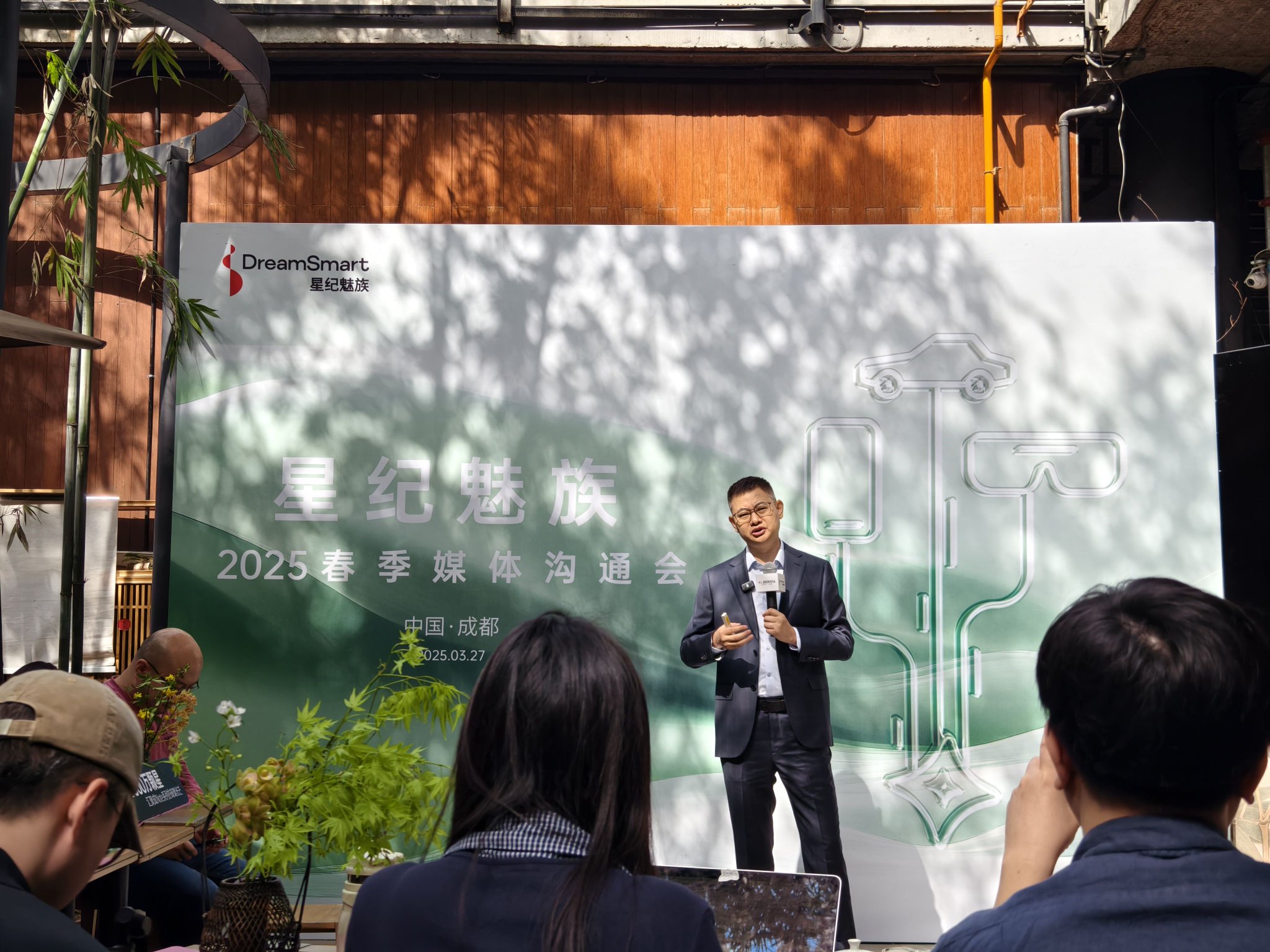
FlymeAuto车机系统

Search documents
魅族出局了,手机小厂加速大逃亡
Xin Lang Cai Jing· 2026-02-27 10:11
Core Viewpoint - Meizu, once a prominent player in the smartphone market, is set to delist, marking the end of an era for the brand that once aimed to return to the top five in the domestic mid-to-high-end market within three years after being acquired by Geely's Xingji Times [2][5]. Group 1: Company Developments - Rumors of Meizu's delisting surfaced in January 2023, with the cancellation of the Meizu 22 Air launch due to rising memory prices [3][5]. - Official announcements confirmed that Meizu's mobile business has effectively ceased operations, with plans to delist by March 2026, while its FlymeAuto business will operate independently [6]. - Financial difficulties have plagued Meizu, with many suppliers unable to settle payments since April 2022, leading to significant bad debts and a likely bankruptcy application [6]. Group 2: Historical Context - Meizu was once a flagship in the domestic smartphone market, launching the Meizu M8 in 2009, which achieved sales of over 500 million yuan within five months [6]. - The company faced a pivotal moment in 2015 when it shifted from Android to Alibaba's YunOS after a significant investment, which ultimately harmed its reputation and market position [11][20]. - Following a return to Android, Meizu engaged in a patent dispute with Qualcomm, which further eroded its market share as it opted not to pay licensing fees, resulting in a reliance on less competitive chipsets [20][26]. Group 3: Market Trends - The smartphone market is experiencing rising costs, particularly in memory, which is expected to lead to price increases of up to 2000 yuan for high-storage versions [30][33]. - Smaller manufacturers are struggling to survive amid rising costs and declining market shares, with predictions of a 2.1% drop in global smartphone shipments by 2026 [33]. - The market is likely to consolidate into a few dominant players, with major brands expected to capture over 90% of the market share, signaling the end of an era where smaller brands could thrive on craftsmanship and fan loyalty [30][33].

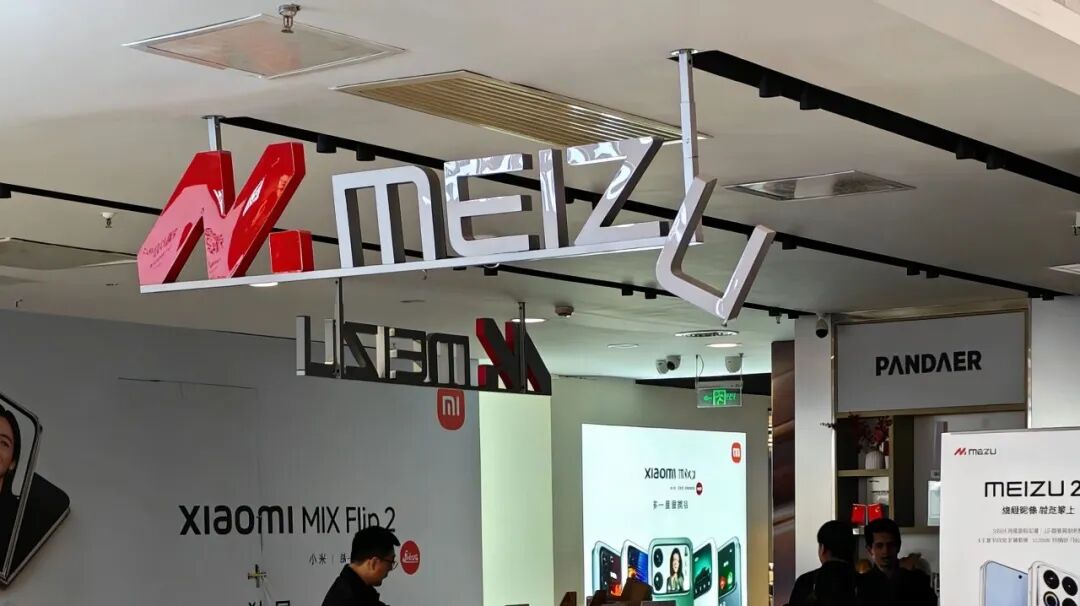
魅族手机业务“停摆”:转型与未来展望
Jing Ji Guan Cha Wang· 2026-02-27 05:05
Group 1 - The core strategy of Meizu Technology is shifting from self-research hardware projects for domestic mobile phones to collaborating with third-party hardware partners, while existing business operations remain unaffected [1] - The domestic smartphone market is highly competitive, leading many brands, including Meizu, to consider strategic contraction. Despite challenges, Meizu aims to maintain normal iterations of its smartphones [1] - The continuous surge in memory prices has made the commercialization of new products increasingly difficult, with DRAM chip prices soaring by 75% year-on-year in Q4 2025, causing storage costs for low-end models to rise from 5% to 20% [1] Group 2 - Meizu's decline is attributed to multiple factors, including slow product innovation, ineffective marketing strategies, and deficiencies in supply chain management and channel development [2] - Although Meizu's mobile phone business is set to exit the market, its FlymeAuto vehicle machine business will operate independently, gaining traction with car manufacturers like Geely's Zeekr [2]
雷军曾青睐的魅族手机为何“停摆”?
Jing Ji Guan Cha Wang· 2026-02-27 04:55
Core Viewpoint - Meizu's mobile business is facing a significant decline, with plans to cease operations by March 2026, marking a dramatic shift for a once-prominent brand in the smartphone market [1][2]. Group 1: Business Status - Meizu's mobile business has effectively entered a state of suspension, with the planned launch of the Meizu 23 series halted and a team-wide layoff implemented [1]. - The company announced a pause on domestic new product hardware development while seeking third-party hardware partnerships, claiming existing operations remain unaffected [1]. - In 2025, Meizu's market share in China is projected to fall below 1%, indicating a severe loss of presence in the competitive landscape [5]. Group 2: Historical Context - Founded in 2003, Meizu initially thrived in the music player market before transitioning to smartphones with the launch of the M8 in 2007, which gained significant consumer traction [2]. - The brand's decline began after failing to capitalize on critical market opportunities during the smartphone industry's evolution, leading to a series of strategic missteps [3]. - Meizu's attempts to reposition itself through various strategies, including the launch of the Meilan brand and a focus on high-end products, did not yield the desired results [3][4]. Group 3: Financial and Operational Challenges - The company has faced increasing financial losses, prompting its parent company, Geely, to halt further investments due to unsustainable losses [5]. - Reports indicate that Meizu has struggled with supplier payments, leading to significant outstanding debts and contributing to its potential bankruptcy [5]. Group 4: Future Prospects - Despite the impending closure of its mobile division, Meizu's FlymeAuto vehicle system will continue to operate independently, with existing partnerships and potential future collaborations with automotive brands [6]. - The Meizu brand may persist within Geely's ecosystem, with some employees transitioning to roles in Geely's Zeekr automotive brand [6]. Group 5: Industry Insights - The decline of Meizu serves as a cautionary tale about the necessity for continuous innovation and strategic planning in a highly competitive market [7].
吉利也救不活,魅族手机复兴中道崩殂
3 6 Ke· 2026-02-26 11:28
Core Viewpoint - The news highlights the termination of the smartphone business by Xingji Meizu, with the Meizu 23 series being halted and significant layoffs occurring, leaving only the Flyme Auto car machine business to operate independently [1][2][5]. Group 1: Business Termination - Multiple sources indicate that Xingji Meizu will completely cease its smartphone operations, with the Meizu 23 series effectively discontinued and a potential official exit from the market by March 2026 [2][5]. - The Flyme brand will remain within the Geely system, but its car machine business will operate independently, with many employees already leaving or transitioning to Geely's Zeekr brand [2][4]. Group 2: Historical Context and Challenges - The smartphone division's struggles have been evident since early 2023, with reports of internal turmoil and the cancellation of the Meizu 22 Air due to rising costs [5][11]. - By 2025, Meizu's smartphone sales fell below one million units, and the brand was absent from the top five market share rankings [11][13]. Group 3: Strategic Shift - The acquisition by Geely aimed to integrate Meizu's Flyme operating system into smart vehicle ecosystems, indicating that the smartphone business was not the primary focus [9][16]. - Flyme Auto has become a strategic asset for Geely, with over 2 million units sold across more than 26 models, suggesting a successful pivot towards smart automotive technology [16][18].

闻泰科技回应安世半导体控制权进展;英伟达业绩再超预期
2 1 Shi Ji Jing Ji Bao Dao· 2026-02-26 03:35
Group 1 - The Supreme People's Court ruled in favor of Yuzhu Technology in a patent infringement case against Luweimei, allowing Yuzhu to proceed with its IPO plans [2] - Tencent's Yuanbao team apologized for generating inappropriate content in user-created New Year greeting cards, addressing the issue and optimizing the model [2] - Hillhouse Capital plans to reduce its stake in Gree Electric Appliances by up to 112 million shares, with proceeds used to repay bank loans, marking its first reduction since becoming the largest shareholder [3] Group 2 - WeChat introduced new features for users to quickly locate images in chats and to receive photos and files face-to-face, enhancing user experience [4] - Yonyou Network clarified that its AI products are not intended to fully replace existing software but to enhance enterprise operations, focusing on knowledge workers [5] - Blue Arrow Aerospace announced plans to conduct recovery tests for its reusable rocket, Zhuque-3, in the second quarter of this year [6][7] Group 3 - Meizu's mobile business is reportedly ceasing operations, with plans to delist by March 2026, while its FlymeAuto division will operate independently [8] - Shunhao Co. announced that its subsidiary, Treadlight, plans to mass-produce satellites and establish a large-scale space data center between 2031 and 2035 [8] - The International Star Alliance updated its organizational structure to enhance technology implementation and scene promotion in smart home and terminal industries [9] Group 4 - Wingtech Technology is actively addressing the control rights issue of Anshi Semiconductor, focusing on maintaining business stability and communication with clients [10] - NVIDIA reported a revenue of $68.127 billion for Q4 of fiscal year 2026, a 73% year-over-year increase, with a net profit of $42.96 billion, reflecting a 94% growth [11] - Jiangsu Hongwei Technology announced a price increase for IGBT and MOSFET products due to rising manufacturing costs driven by fluctuations in core metal material prices [12][13] Group 5 - TrendForce predicts that the combined capital expenditure of eight major cloud service providers will exceed $710 billion by 2026, driven by AI server investments [14] - Manycore Tech Inc. updated its prospectus, reporting a revenue of 820 million yuan in 2025, with a gross margin of 82.2% [15] - Canaan Inc. completed the acquisition of several mining assets from Cipher Mining Technologies, shifting its strategy towards systematic upstream development in the U.S. power assets [16] Group 6 - Zhiyang Innovation plans to invest 300 million yuan in Lingming Photon Technology, acquiring a stake of approximately 9.09% to 10% [17]


【独家】魅族手机或将成为历史:业务实质性停摆,3月正式退市
Xin Lang Cai Jing· 2026-02-25 10:32
Core Viewpoint - Meizu's mobile phone business is effectively ceasing operations and is expected to officially delist by March 2026, while its FlymeAuto business will operate independently within the Geely system [1][2]. Group 1: Business Operations - Meizu's mobile phone operations have been significantly halted, with many suppliers unable to settle payments since April of the previous year, leading to substantial bad debts [2]. - The FlymeAuto business will continue to exist under Geely, although many employees have already left or transitioned to other roles within Geely's Zeekr automotive division [1][2]. - The company had previously aimed to return to the top five in the mid-to-high-end smartphone market within three years, but this goal has not been realized [3][4]. Group 2: Leadership Changes - Several high-level executives have departed, including the former CEO Shen Ziyu, who resigned in May 2024, leading to a shift in focus towards AR glasses and overseas markets [7][9]. - The recruitment of experienced executives from other tech companies did not reverse the company's declining fortunes, as evidenced by the departure of key figures like COO Liao Qinghong and others [7][9]. Group 3: Financial Performance - Meizu has reported significant financial losses, with over 10 billion yuan in losses attributed to its mobile phone business, prompting Geely to reconsider further investments [11][12]. - The company's strategy to focus on low-cost models like the Note22 did not yield the expected results, leading to a decline in overall performance [8][11]. Group 4: Market Position and Future Prospects - Meizu, once a leader in the music player market and a notable smartphone manufacturer, has struggled to maintain its market position against competitors like Xiaomi and Honor since 2014 [10][11]. - The acquisition by Geely in 2022 was intended to leverage Meizu's FlymeOS for smart driving technology, but the anticipated synergies have not materialized, leading to a reassessment of the acquisition's value [11][12]. - The company is now facing an uncertain future, with the potential for bankruptcy looming as it awaits a final decision on its fate [2][12].