
麻糖

Search documents
为春节“预先准备的菜”吃不完,根本吃不完
Xin Lang Cai Jing· 2026-02-16 10:55
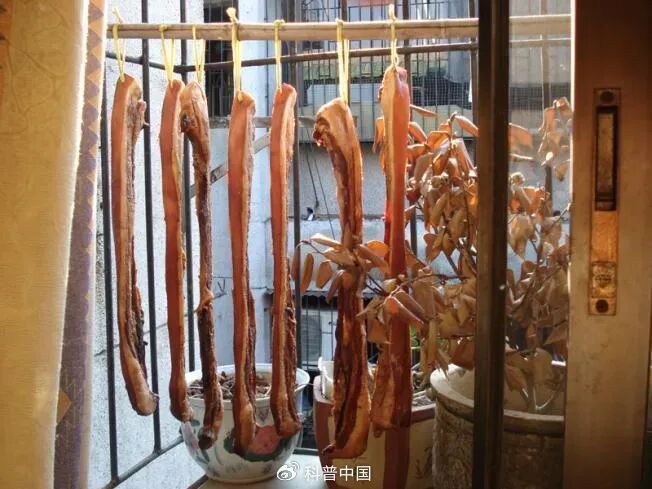
Group 1 - The article discusses the traditional Chinese New Year dinner, emphasizing the importance of preparing various dishes in advance, a practice rooted in historical customs and resource scarcity [1] - Different regions have unique specialties for the New Year, such as hanging sausages and cured meats in Sichuan and Hunan, which are prepared to enhance flavor through drying and smoking [1][3] - The preparation of fried foods is a common practice across China, with various types of meatballs and snacks being made to symbolize completeness and prosperity during the festive season [4][7] Group 2 - Specific dishes like egg dumplings and various fried snacks are highlighted as essential components of the New Year feast, showcasing regional variations in preparation methods [6][10] - The article mentions the significance of large communal dishes, such as the "su guo" (crispy pot), which is a hearty mix of meats and vegetables, symbolizing abundance and hospitality [10] - The "pen cai" (basin dish) is described as a festive dish that combines multiple ingredients, each carrying auspicious meanings, reinforcing family bonds during the New Year celebrations [11] Group 3 - The article emphasizes the importance of vegetarian dishes like "ten vegetable dish," which is a colorful mix of various vegetables, symbolizing good fortune and health [14] - Dumplings are highlighted as a staple in northeastern China during the New Year, with families preparing large quantities to celebrate the occasion [16] - The preparation of traditional staples like steamed buns and rice cakes is noted, with each carrying auspicious meanings related to prosperity and good fortune [18][19]

简单的幸福
Xin Lang Cai Jing· 2026-02-13 22:47
Core Viewpoint - The article reflects on the nostalgic memories associated with the traditional Chinese festival of "Little New Year," emphasizing the significance of family love and simple joys through the act of sharing sweets like sesame candy [1][2]. Group 1: Cultural Significance - "Little New Year" is a traditional day for worshipping the Kitchen God, highlighting cultural practices and family traditions [1]. - The act of offering sesame candy to the Kitchen God symbolizes a wish for good fortune and sweet words in the coming year [1]. Group 2: Personal Memories - The author reminisces about childhood experiences, particularly the joy of receiving sesame candy from parents, which evokes feelings of happiness and warmth [1]. - The description of different types of sesame candy illustrates the sensory pleasures associated with these memories, reinforcing the emotional connection to family [1].
列车上的文化之旅
Xin Lang Cai Jing· 2026-02-11 19:49
Group 1 - The article highlights the festive atmosphere on the G380 train during the Spring Festival, showcasing cultural activities and decorations that enhance the travel experience for passengers [1][2] - The train staff organized various interactive cultural experiences, such as sugar painting and fan painting, allowing passengers to engage in traditional crafts while traveling [2] - The G380 train crew provided thoughtful services, including distributing sweet treats and fruits, aiming to create a warm and welcoming environment for travelers during the busy Spring Festival travel period [2] Group 2 - The initiative reflects the company's commitment to enhancing passenger experience by integrating cultural elements into the travel journey, making it more than just transportation [2] - The train service aims to maintain a safe, orderly, and warm travel experience, emphasizing the importance of customer service during the Spring Festival [2]
新消费“呼”之欲出
Jing Ji Ri Bao· 2026-01-30 22:19
Group 1 - The Hahsu Lake Winter Fishing Festival has increased tourist attendance, with around 50,000 participants on the opening day and total revenue of approximately 3 million yuan [1] - The festival integrates cultural, sports, tourism, and commerce, enhancing local economic activity and attracting more visitors to surrounding businesses [1] - The event features over 10 vendors and offers discounts at local restaurants, contributing to a positive consumer experience [1] Group 2 - The recent New Year’s Eve activities in Hohhot, including performances and promotional discounts, have significantly boosted consumer engagement and sales [2] - The local supermarket reported increased daily foot traffic and sales due to the festive events, highlighting the effectiveness of promotional strategies [2] - The Yuquan District has hosted various engaging activities, enhancing the cultural experience for visitors and promoting local products [2] Group 3 - Hohhot's tourism and consumption landscape is diverse, with initiatives like issuing consumption vouchers and creating winter-themed attractions to stimulate spending [3] - During the New Year holiday, Hohhot welcomed 1.71 million domestic tourists, generating a total tourism expenditure of 1.098 billion yuan [3] - The city plans to continue promoting consumption through various initiatives, including issuing nearly 1 billion yuan in consumer vouchers to stimulate spending in key sectors [3] Group 4 - The 2026 New Year shopping night event aims to engage various business sectors, achieving over 15% year-on-year sales growth and exceeding 100 million yuan in consumer spending [4] - Future plans include implementing policies to encourage consumption, collaborating with cultural and sports sectors, and focusing on popular consumer trends like ice tourism and local cuisine [4]
毕节城的叫卖声(我与一座城)
Ren Min Ri Bao· 2025-07-04 21:56
Core Viewpoint - The article highlights the unique selling sounds and food culture in Bijie City, showcasing the local delicacies and the nostalgia associated with traditional street vendors [1][2][3][4]. Group 1: Local Food Culture - The selling sounds in Bijie City, such as "酸汤苞(嗷)饭" and "麻辣卤豆腐卤鸡蛋," are integral to the local identity and evoke a sense of nostalgia among residents [1]. - Traditional foods like "炒米糖" and "蜂窝煤" reflect the local culinary heritage, with vendors using distinctive sounds to attract customers [2][3]. - The preparation and selling of "炒米糖" and "开水" illustrate the craftsmanship and cultural significance of these local delicacies [3][4]. Group 2: Evolution of Street Vendors - The article notes the transition of street vendors from using manual carts to more modern transportation methods, indicating a shift towards more efficient and eco-friendly practices [2]. - Despite the introduction of modern food options like ice cream and coffee, traditional vendors continue to hold a place in the community, maintaining their unique selling sounds and methods [3][4].