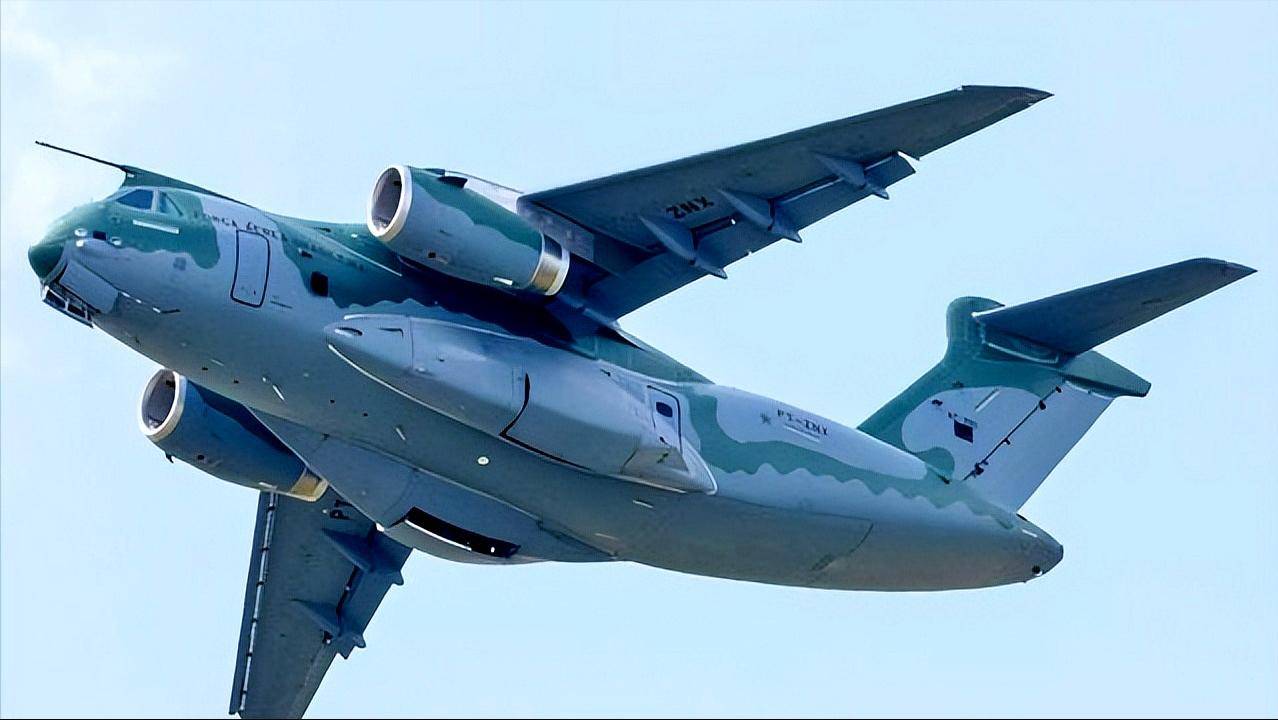
A400M运输机

Search documents
从汽车业挖人!德国军工业带动招聘潮 能挽救经济吗?
Di Yi Cai Jing· 2026-01-13 15:35
Group 1 - The German defense industry has seen a recruitment surge, with employment increasing by nearly one-third over the past four years, reflecting a significant shift in Germany's defense spending and strategy due to geopolitical changes [1] - As of now, the largest defense companies in Germany employ approximately 83,000 people globally, up from 63,000 before the Russia-Ukraine conflict, marking a 30% increase [1] - The German government has signed weapon contracts worth €207 billion since 2022, with €83 billion signed in the last year alone, significantly higher than the €23 billion in 2021 [2] Group 2 - The German defense budget is set to increase to approximately €108 billion by the end of 2024, with plans to reach €152.8 billion by 2029, which would account for 3.5% of the GDP [2] - Rheinmetall, a key player in the defense sector, has seen its workforce grow from about 15,400 in 2021 to 23,500 currently, with expectations to reach 70,000 in three years [3] - Startups in the German defense sector are also thriving, with companies like Helsing experiencing an 18-fold increase in employees over four years, transitioning from AI software to hardware production [3] Group 3 - Despite the growth in the defense sector, the ability to recruit from the struggling automotive industry has been limited, with companies like Hensoldt and Arx Robotics only hiring a small number of employees from that sector [5] - The German economy is projected to grow by only 0.2% to 0.3% in 2025, indicating challenges in stimulating domestic demand despite increased defense spending [6] - The reliance on exports remains high, with exports accounting for approximately 45% of Germany's GDP, a unique structure among EU member states [6]
从汽车业挖人!德国军工业带动招聘潮,能挽救经济吗?
Di Yi Cai Jing· 2026-01-13 12:04
Group 1 - The German defense industry has seen a significant increase in employment, with a nearly one-third growth in workforce over the past four years, driven by geopolitical changes and a large-scale defense initiative launched by Germany [1][3] - As of now, the defense sector employs approximately 83,000 people globally, up from 63,000 before the Russia-Ukraine conflict, reflecting a 30% increase [1] - The German government has signed weapon contracts worth €2.07 trillion since 2022, with €83 billion signed in the last year alone, a substantial increase from €23 billion in 2021 [3] Group 2 - The largest employer in the German defense sector is the European Aeronautic Defence and Space Company (EADS), which has around 38,000 employees, with over half based in Germany [4] - Rheinmetall, the second-largest employer, has seen its workforce grow from approximately 15,400 in 2021 to 23,500 currently, with expectations to reach 70,000 in three years [4] - Startups in the defense sector are also thriving, with companies like Helsing experiencing an 18-fold increase in employees over the past four years [4] Group 3 - The German Defense Industry Association (BDSV) anticipates accelerated growth in the coming years as procurement processes are expedited, allowing companies to better plan their capacities [5] - Despite the interest from defense manufacturers in hiring from the struggling automotive sector, the data suggests that the defense industry's expansion may not fully compensate for the decline in the automotive industry [6] - The German economy is projected to grow by only 0.9% in 2026, with concerns about the government's focus on defense spending at the expense of social governance and environmental initiatives [7]

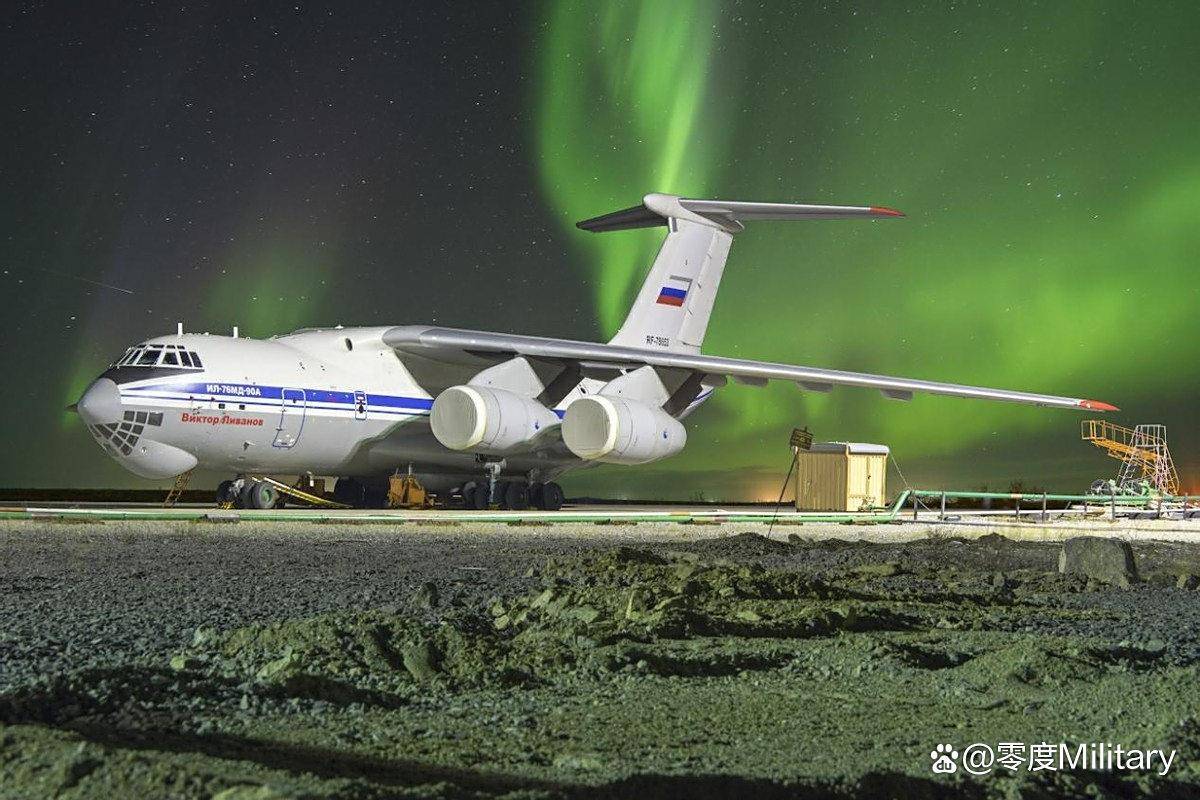
俄罗斯航空工业算是废了,人家都造够停产了,他还庆祝造出来了呢
Sou Hu Cai Jing· 2025-09-05 06:04
Core Viewpoint - The recent delivery of the IL-76MD-90A transport aircraft by the Russian Ministry of Defense highlights the deep-seated crisis facing the Russian aviation industry, as the announcement of a single aircraft delivery is treated as a significant achievement, reflecting the industry's struggles [1][6]. Group 1: Historical Context - The collapse of the Soviet Union dealt a devastating blow to the Russian aviation industry, severing the integrated supply chains across former republics, leading to a loss of critical suppliers and skilled personnel [3]. - The development of the IL-76MD-90A project exemplifies this crisis, as initial ambitions for a new transport aircraft were curtailed by a lack of core technologies and a weak industrial base, forcing reliance on limited upgrades of existing designs [3]. Group 2: Quality and Reliability Issues - Significant quality concerns have emerged, including revelations of systematic fraud at a key supplier for the IL-76 project, which involved falsifying quality inspection documents and sourcing substandard products [3]. - The reliability of Russian military products is now under scrutiny due to these foundational issues within the industry [3]. Group 3: Comparative Analysis - In contrast to Russia, other aviation powers like the United States, Europe, and China have demonstrated more robust production capabilities, with Boeing's C-17 and Airbus's A400M maintaining stable deliveries, while China's Y-20 has achieved rapid deployment [4]. - The stark difference in performance raises questions about the current state of the Russian aviation industry, where even the delivery of a single transport aircraft is celebrated as a major accomplishment [4]. Group 4: Future Outlook - Rebuilding a complete aviation industrial system in Russia is projected to take at least 15-20 years, yet the government continues to project a façade of strength through public relations efforts, masking the underlying decline [6]. - The delivery of the IL-76MD-90A is not a milestone in military modernization but rather a symbol of the degradation of Russia's industrial capabilities, suggesting that this trend of superficial achievements may persist in the foreseeable future [6].
俄罗斯运输机生产能力受到质疑:今年首架伊尔-76MD-90A才刚刚交付
Sou Hu Cai Jing· 2025-09-03 20:09
Core Insights - The delivery of the new Il-76MD-90A strategic transport aircraft marks a significant event for the Russian Aerospace Forces, being the first public delivery since December 2024 [1] - The production rate of the Il-76MD-90A is lagging behind planned targets, with only 5 units delivered in 2023 and 6 in 2024, compared to the planned 8 units for each year [5] - The current delivery pace is unsatisfactory for Russia, which has claimed to be actively expanding production capacity to meet growing military demands, yet no confirmed export contracts have been established [7] Production Challenges - The production output of the Il-76MD-90A is significantly lower than that of Western competitors, such as Airbus's A400M, which delivered 8 units in 2023 and 7 in 2024 [5] - The slow delivery rhythm reflects broader issues within the Russian aerospace industry, including order shortages, corruption scandals, and prolonged development projects [9] - The Il-76MD-90A features significant design upgrades, but many critical components may still originate from Western countries, raising concerns about supply chain reliability [10] Development Timeline - The Il-76MD-90A project has experienced delays, with the prototype first flying in 2012 and the first production unit delivered in 2015, but mass deliveries did not commence until 2019 [10] - The prolonged development and delivery timeline has set a "slow burn" tone for the project's future, indicating challenges ahead for capacity enhancement [10]