
ABF薄膜

Search documents
AI热潮带飞马桶厂?不起眼的日企,控制了芯片命脉
创业邦· 2026-02-06 00:08
Core Viewpoint - The article discusses how traditional companies, such as TOTO, have successfully transitioned into the semiconductor industry by leveraging their existing technologies and expertise, particularly in ceramics, to meet the growing demands of the AI and semiconductor markets [6][19]. Group 1: TOTO's Transformation - TOTO, a Japanese bathroom products company, saw its stock price surge by 11% due to its involvement in the semiconductor industry, despite its primary business being unrelated to AI [8]. - The company's success is attributed to its expertise in producing high-density, low-porosity ceramics, which are essential for semiconductor manufacturing processes [11][12]. - TOTO's pivot to semiconductor precision ceramics has become a significant growth engine, contributing 42% of its revenue with a profit margin of 40%, far exceeding the average of 7% across all departments [19]. Group 2: Broader Industry Trends - The semiconductor industry is increasingly adopting electrostatic chucks, which TOTO has developed, due to their ability to provide uniform force and reduce contamination risks during wafer processing [12][17]. - Other traditional Japanese companies, such as Ajinomoto and Kao, have also successfully transitioned into the semiconductor sector by utilizing their existing technologies to create essential materials for chip manufacturing [22][30]. - The article highlights that Japan's historical industrial strength and technological reserves have allowed these companies to adapt and thrive in the semiconductor market, even as their traditional businesses face challenges [34][37]. Group 3: China's Potential - The article suggests that China's industrial sectors are beginning to mature, with companies like Xingfa Group and Huitian New Materials emerging as players in the semiconductor supply chain by developing high-purity materials and specialized adhesives [39][43]. - The narrative emphasizes that China's industrial development, although historically delayed, is now gaining momentum, and the accumulated technological expertise will eventually lead to significant advancements in the semiconductor industry [49].


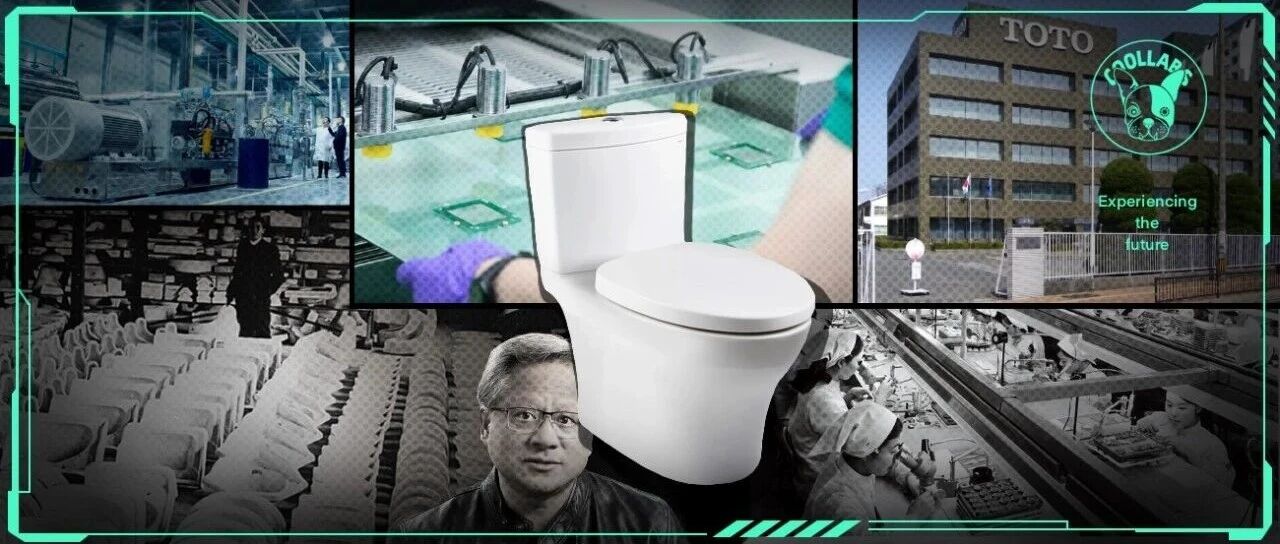
AI热潮带飞马桶厂?不起眼的日企,控制了芯片命脉
3 6 Ke· 2026-02-02 04:05
Group 1 - The article highlights the unexpected rise of TOTO, a Japanese toilet manufacturer, whose stock surged by 11% due to its involvement in the semiconductor industry, particularly through its production of specialized ceramics used in semiconductor manufacturing [3][21]. - TOTO's new business in precision ceramics now accounts for 42% of its revenue, with a profit margin of 40%, significantly higher than the average of 7% across all departments [21]. - The company has leveraged its long-standing expertise in ceramics to develop electrostatic chucks, which are crucial for maintaining the precision required in semiconductor manufacturing [11][19]. Group 2 - The article discusses the broader trend of traditional Japanese companies successfully transitioning into the semiconductor industry, citing examples like Ajinomoto, which developed a specialized film for high-performance CPUs from its food production waste [26][28]. - Other companies, such as Kao and Fujifilm, have also found niches in the semiconductor supply chain, with Kao producing cleaning agents for wafers and Fujifilm supplying photoresists and chemicals necessary for semiconductor production [32][38]. - The narrative emphasizes that Japan's historical industrial strength and technological reserves have allowed these companies to adapt and thrive in the high-tech semiconductor market, despite their origins in seemingly unrelated industries [40][42]. Group 3 - The article suggests that China's semiconductor industry is on a similar path, with emerging companies developing high-purity materials and specialized products that could fill gaps in the supply chain, akin to Japan's historical industrial evolution [46][54]. - Companies like Xingfa Group and Huitian New Materials are highlighted for their successful transitions from traditional industries to high-tech sectors, indicating a growing trend of innovation and adaptation within China's industrial landscape [48][51]. - The overall message conveys optimism for China's future in the semiconductor industry, suggesting that with time and continued development, the country can achieve significant advancements [56].
手机芯片的关键组件,缺货了
半导体行业观察· 2025-10-09 02:34
Group 1 - The core viewpoint of the article highlights the significant impact of the ongoing demand for AI GPUs and ASICs on the broader semiconductor supply chain, particularly leading to a shortage of key components used in smartphone SoCs [1] - Goldman Sachs has released a report indicating that the high demand for Ajinomoto Build-up Film (ABF) substrates has monopolized most of the current supply of T-glass, which is essential for manufacturing [1] - The report warns of a potential "double-digit percentage shortage" of T-glass supply for Bluetooth substrates in the coming months to quarters, raising concerns for the smartphone market as it prepares for a vibrant 2026 [1] Group 2 - Ajinomoto plans to invest at least 25 billion yen (approximately 166 million USD) by 2030 to increase its semiconductor material production capacity by 50%, aiming to strengthen its revenue base beyond its core food business [2] - The company holds over 95% market share in the data center and CPU sectors, producing ABF, an insulating material crucial for the latest GPUs and CPUs [2] - Ajinomoto's functional materials business, including ABF, is expected to account for 20% of its total operating profit for the fiscal year ending March 2024, with a projected 35% profit growth this year [3] Group 3 - The ABF film is essential for producing high-efficiency semiconductor products and has become a critical insulating material in the semiconductor packaging process [5] - Ajinomoto's ABF film has gained significant traction in the PC market, with major clients including Intel and AMD, and it dominates the global PC market share [5] - The ongoing demand for ABF is driven by rapid advancements in smartphones, personal computers, servers, and automotive technologies, leading to a supply-demand imbalance [6]
