AI物流机器人

Search documents
叉车1月内销外销大增,龙头公司智能化持续突破
Zhong Guo Neng Yuan Wang· 2026-02-26 01:25
Group 1 - The overall forklift sales in January 2026 reached 141,700 units, representing a year-on-year increase of 51.4% [1][2] - Domestic sales accounted for 89,700 units, with a significant growth of 63.3%, while overseas sales were 52,000 units, increasing by 34.4% [1][2] - Cumulative forklift sales for 2025 totaled 1,451,800 units, marking a year-on-year growth of 12.9%, with domestic sales at 906,800 units (up 12.6%) and export sales at 545,000 units (up 13.4%) [1][2] Group 2 - The strong growth in domestic forklift sales in January 2026 is attributed to a low base from the previous year due to the early Spring Festival [3] - The demand for forklifts is closely linked to the manufacturing and logistics sectors, with social logistics showing a steady growth of 5.1% year-on-year in December 2025 [3] - The manufacturing PMI new orders index for January 2026 was 49.20, indicating a gradual improvement in manufacturing sentiment [3] Group 3 - Anhui Heli showcased its advancements in smart logistics at the 2025 Smart Logistics Development Conference, achieving over 100% revenue growth in its smart logistics business [4] - Hangcha Group's affiliate, Henan Jiachen, passed the listing review on the Beijing Stock Exchange, which could enhance Hangcha's capabilities in core components and forklift product intelligence [4] - The domestic forklift market is expected to benefit from the recovery of the manufacturing sector and increased logistics volume, with leading companies actively expanding into smart logistics and robotics [5]
东海证券:叉车1月内销外销大增 龙头公司智能化持续突破
Zhi Tong Cai Jing· 2026-02-25 08:53
Core Viewpoint - The forklift industry is experiencing strong growth driven by the recovery of manufacturing and increased logistics demand, with domestic companies expanding their global presence and focusing on smart logistics and robotics [1][2][3]. Group 1: Industry Overview - Forklift sales in January 2026 reached 141,700 units, a year-on-year increase of 51.4%, with domestic sales at 89,700 units (up 63.3%) and overseas sales at 52,000 units (up 34.4%) [2]. - Cumulative forklift sales for 2025 were 1,451,800 units, reflecting a 12.9% year-on-year growth, with domestic sales at 906,800 units (up 12.6%) and export sales at 545,000 units (up 13.4%) [2]. - The demand for forklifts is closely linked to the manufacturing and logistics sectors, with a steady growth in social logistics and a positive trend in manufacturing PMI [3]. Group 2: Company Developments - Anhui Heli's smart logistics division achieved over 100% revenue growth in 2025, showcasing advancements in AI logistics robots and a diverse product matrix [4]. - Hangcha Group's affiliate, Henan Jiachen, passed the listing review on the Beijing Stock Exchange, which will enhance Hangcha's capabilities in core components and forklift product intelligence [5].


京东押注、顺丰菜鸟抖音入局,快递成AI机器人“黄金试验场”?
Xin Lang Cai Jing· 2026-01-14 05:40
Core Insights - The logistics and express delivery industry is increasingly focusing on automation and AI robotics, with major players like SF Express and JD Logistics leading the charge in technological transformation [1][3][12] Group 1: Industry Trends - The logistics industry is recognized as a "golden testing ground" for AI robotics due to its physical and standardized nature, allowing for clear execution interfaces and evaluation standards [9][10] - The global AI logistics robot market is projected to grow significantly, with the market size expected to reach 118.3 billion yuan in 2024 and 344.1 billion yuan by 2030, reflecting a compound annual growth rate of 19.5% [12] - The Chinese market is anticipated to perform even better, with a projected size of 44 billion yuan in 2024 and 133.9 billion yuan by 2030, at a growth rate of 20.4% [12] Group 2: Company Strategies - JD Logistics is leading with an aggressive strategy of "full-chain self-research + ecological investment," planning to purchase 3 million robots over the next five years to enhance its supply chain [4][5] - SF Express is focusing on "AI large models + green intelligence," establishing a dedicated technology company for AI and robotics [4][5] - Alibaba's Cainiao is leveraging "cloud computing + AI" to enhance its robotic ecosystem and international expansion, with plans to release new logistics technologies by 2025 [6][7] Group 3: Competitive Landscape - Major players like ByteDance are entering the logistics space, developing their own logistics robots and investing in core components to strengthen their market position [7] - Other companies such as ZTO, YTO, and Yunda are taking on the role of "application followers," focusing on practical implementations rather than upstream investments [7] Group 4: Economic Considerations - The logistics industry faces rising labor costs, making cost reduction through technology upgrades a critical need, where even a 0.1 yuan decrease in cost per package can lead to significant profit margins [10][11] - AI robots have already demonstrated their value in reducing labor needs and increasing efficiency, with JD's robots reportedly reducing workforce requirements by 58% and improving picking efficiency by 270% [11] Group 5: Future Developments - The industry is exploring new business models such as "Robots as a Service" (RaaS) to alleviate long-term investment pressures and adapt to fluctuating demand [17] - Future trends indicate a shift from "replacing human labor" to "human-robot collaboration," and from being a "cost center" to a "value center" that leverages data for supply chain optimization [17]



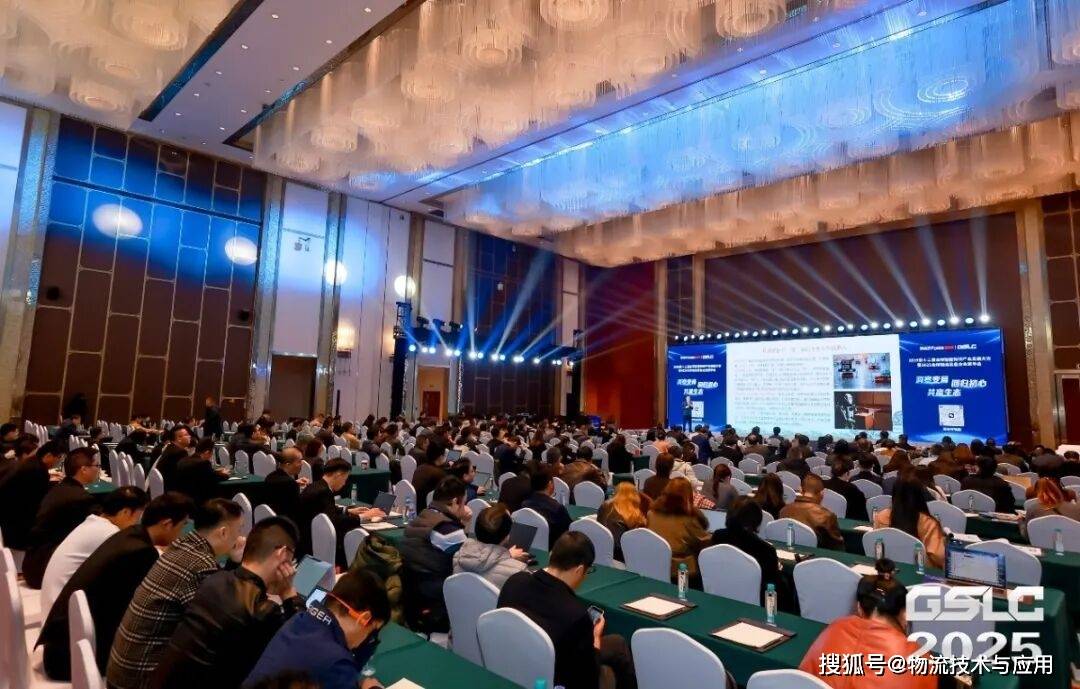
第十三届全球智能物流产业发展大会暨2025全球物流装备企业家年会圆满落幕!
Sou Hu Cai Jing· 2025-12-16 08:16
Core Insights - The smart logistics industry is undergoing significant transformations due to rising global economic and geopolitical uncertainties, shifting from high-speed growth to a medium-low growth cycle, necessitating industry consolidation and differentiation among companies [2] - The industry faces intensified competition, requiring a return to value creation and a long-term strategic approach, while technological advancements, particularly in artificial intelligence, are reshaping the industry ecosystem [2][3] Industry Trends - The logistics equipment market is transitioning from high-speed growth to a medium-low development cycle, driven by structural adjustments in market demand and intensified competition [3] - Companies are encouraged to focus on customer service, value orientation, and technological innovation to achieve quality upgrades rather than mere scale expansion [3][6] Keynote Addresses - Industry leaders emphasized the importance of leveraging advancements in new energy and digitalization to empower logistics equipment upgrades [6] - The need for logistics companies to deepen their technical research, product innovation, and service quality was highlighted, particularly in the context of the complex international environment [8] High-Level Dialogues - Discussions focused on navigating the challenges and opportunities presented by the evolving smart logistics landscape, with an emphasis on long-term sustainable development [13] - Key topics included the balance between maintaining core values and adapting to necessary changes in business strategies [16][19] Innovation in Technology - The core logic of intelligent logistics equipment evolution is centered around machine intelligence, with a focus on software-defined hardware [11] - Companies are encouraged to adopt modular functionality, flexible systems, intelligent scheduling, and open innovation in their technological advancements [11] Global Market Expansion - Chinese logistics equipment companies are accelerating their international expansion, with a focus on localizing operations and understanding market-specific needs [44] - Successful strategies include building local delivery networks and collaborating with local partners to enhance market penetration [45][47] Future Outlook - The industry consensus is that only by keenly observing changes, adhering to core values, and fostering collaborative efforts can companies navigate the dual challenges of differentiation and consolidation [89] - The upcoming "15th Five-Year Plan" period is seen as a critical time for the industry to advance towards greater intelligence, integration, and sustainability [91]

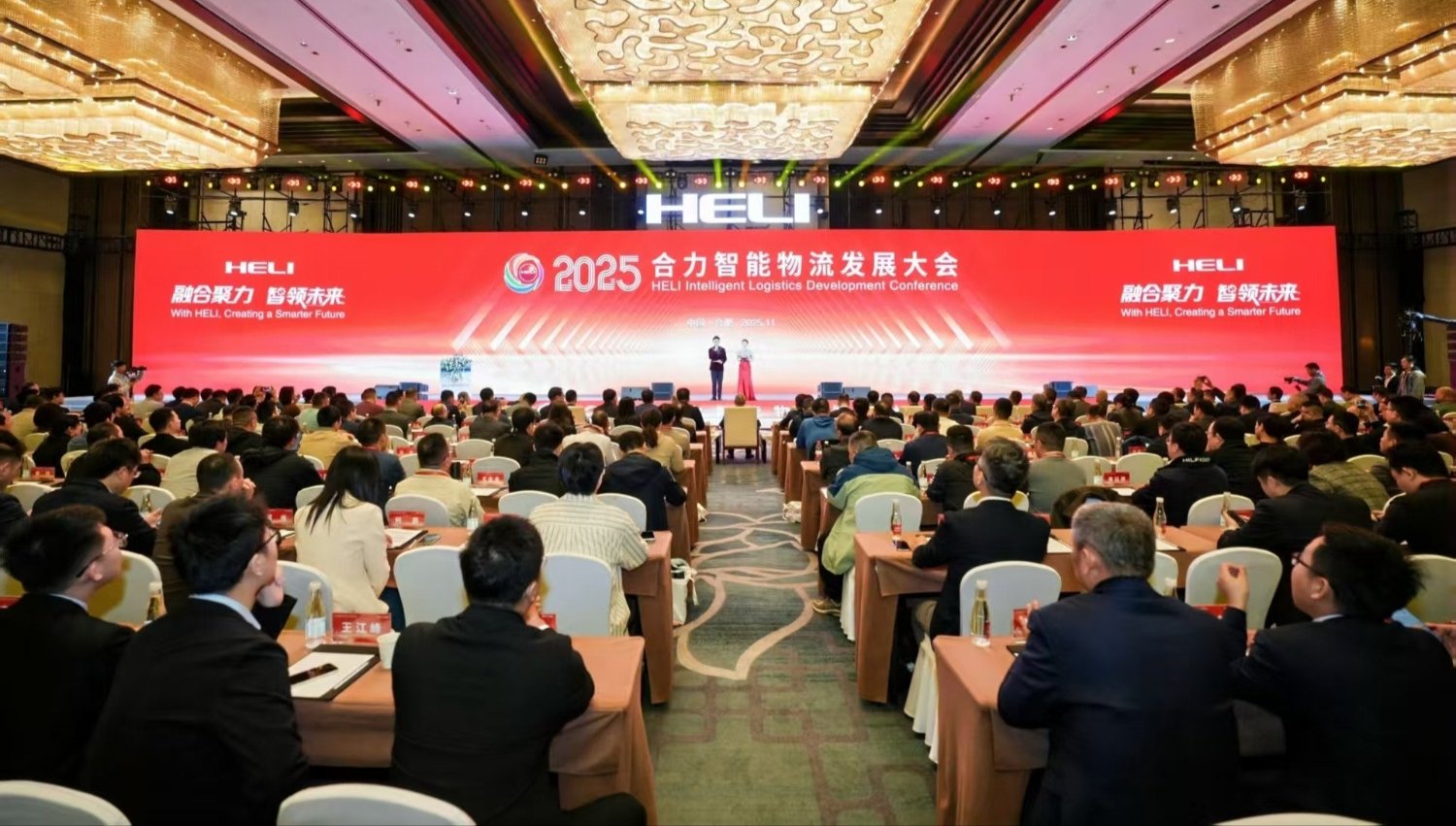
融合聚力 智领未来——2025合力智能物流发展大会召开
Zhong Guo Jin Rong Xin Xi Wang· 2025-11-08 11:09
Core Insights - The 2025 Collaborative Intelligent Logistics Development Conference was held in Hefei, focusing on the theme "Integration and Empowerment for a Smart Future" with over 500 participants from various sectors discussing cutting-edge technologies and collaboration opportunities in intelligent logistics [1][3] Company Developments - Anhui Heli Co., Ltd. (referred to as "Heli") reported that its intelligent logistics business revenue grew over 100% year-on-year as of Q3, establishing a product matrix covering 8 categories, 22 varieties, and over 100 models [3] - Heli aims to enhance its capabilities through deep integration of research, production, supply, sales, and service, creating an efficient closed loop from technology research and development to practical application [3] Future Strategies - Heli plans to focus on technological breakthroughs in core areas such as intelligent driving and digital twins, aiming to fully automate logistics equipment and develop "embodied intelligent handling robots" as a new main business [4] - The company emphasizes ecological collaboration to address industry challenges, deepen partnerships with upstream and downstream players, and expand into global markets [4] Industry Trends - The conference featured discussions on the development paths and innovation trends in China's smart logistics sector, with insights from industry leaders on topics such as smart warehousing and integrated logistics solutions [5][7] - Heli signed strategic cooperation agreements with 8 leading industry enterprises, amounting to nearly 400 million yuan, focusing on smart logistics systems and technology development [7] Exhibition Highlights - The conference showcased Heli's capabilities in intelligent logistics through various themed exhibition areas, including embodied intelligent robots and smart factories, presenting over 70 exhibits [9] - The event provided an immersive experience demonstrating the application of embodied robots and humanoid robots in complex interaction scenarios, highlighting Heli's product strength and technological capabilities [9]