
AI药师

Search documents
“薄利”的微医:第三次冲击港交所,被AI巨头“抢生意”
Sou Hu Cai Jing· 2026-02-09 05:08
Group 1 - The core viewpoint of the article is that WeDoctor's AI foundation appears unstable, as it relies on third-party foundational models and has seen a decline in R&D expenses, raising concerns about its future in the competitive AI healthcare market [2][21][30] - WeDoctor's IPO attempts have faced challenges, with the recent withdrawal of its coordinator, CMB International, raising questions about its future prospects despite a booming IPO market in Hong Kong [2][4] - The company has reported significant losses, with a cumulative loss of nearly 1.8 billion RMB from 2022 to the first half of 2025, and has not yet achieved profitability [4][6][15] Group 2 - WeDoctor's revenue has shown explosive growth, reaching 30.8 billion RMB in the first half of 2025, a year-on-year increase of 69.43%, but it remains deeply unprofitable [6][8] - The company's business model, which relies on earning from healthcare fund surpluses, is described as a "hard business" with low margins and challenges in scalability [8][11][15] - The health management services segment has seen a nearly tenfold increase in revenue, but its profit margins are extremely low, with a profit margin of only 0.7% in the first half of 2025 [9][10] Group 3 - Major competitors like Ant Group, Baidu, and iFlytek are entering the G-end market, intensifying competition for WeDoctor, which is struggling to establish itself [5][25][29] - WeDoctor's reliance on third-party AI models and reduced R&D spending has raised concerns about its ability to innovate and compete effectively in the AI healthcare space [21][30] - The company has expanded its operations to cities like Shanghai and Hangzhou, but remains heavily dependent on its primary market in Tianjin, which accounted for 77.6% of its revenue in the first half of 2025 [14][15]


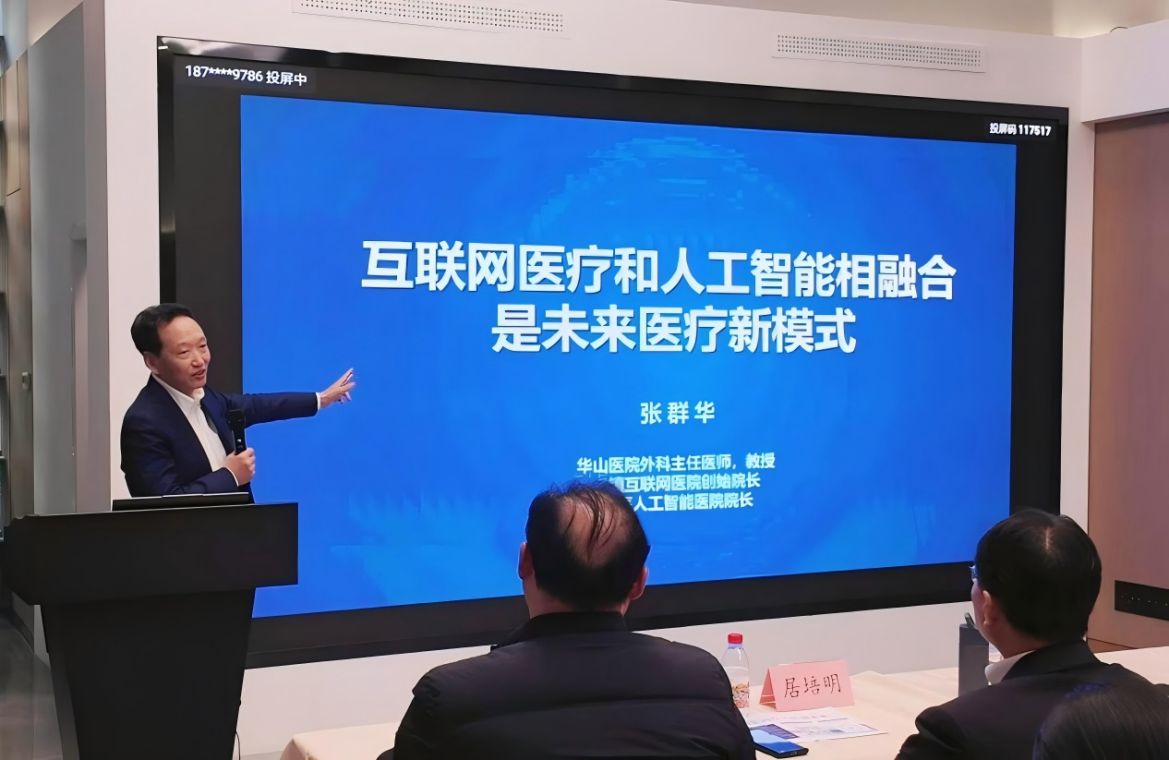
微医张群华:政策与技术双驱动 微医深耕AI+医疗重构全病程管理
Huan Qiu Wang· 2025-12-08 06:14
Core Insights - The forum focused on the deep integration of artificial intelligence (AI) and healthcare, highlighting the challenges faced by traditional medical services in China and the potential of AI to enhance service quality and efficiency [1][4] Group 1: AI and Healthcare Integration - The integration of AI into healthcare is seen as a crucial direction for the industry, addressing issues such as uneven distribution of medical resources and the increasing burden of chronic diseases [1][4] - AI is not merely a technological upgrade but a core driver for enhancing the value of internet healthcare, enabling precise diagnosis, matching, and treatment [2][5] - The combination of AI and internet healthcare allows for comprehensive health management throughout a patient's life cycle, providing intelligent solutions from prevention to rehabilitation [2][4] Group 2: Strategic Collaborations and Developments - A strategic partnership was formed between WeDoctor, Hainan Boao Lecheng International Medical Tourism Pilot Zone, and Qionghai Municipal Government to create a medical resource platform leveraging remote healthcare and AI technology [2][4] - WeDoctor's journey reflects the broader development of China's "Internet + Healthcare" sector, with the establishment of the first internet hospital in 2015 marking a significant milestone [4][5] Group 3: Future Directions and Innovations - WeDoctor plans to launch an AI-driven tumor management platform and a skin disease management platform, further integrating AI with clinical specialties [6] - The Chinese government has issued guidelines to promote AI in healthcare, aiming for widespread implementation of intelligent applications by 2030 [6][7] - The future of AI in healthcare will focus on patient health outcomes, creating an integrated service ecosystem that enhances operational capabilities [7]
AI医生等“数字员工”迎来首个京东11.11,用户好评率超98%
Sou Hu Cai Jing· 2025-11-12 14:14
Core Insights - JD Health achieved record-breaking sales during the 2025 11.11 shopping festival, with over 7,000 brands doubling their transaction volume year-on-year, driven by a surge in health consumption and services [1][2] - The integration of a "super pharmaceutical supply chain" and advanced digital technologies, including medical AI models, has positioned JD Health as a powerful engine for the health industry, enhancing sales across various categories and solidifying its leading position in online health consumption [1][6] Health Consumption Trends - The overall health consumption awareness among consumers has significantly increased, leading to a diverse, refined, and intelligent consumption trend [2] - Over 2,500 pharmaceutical brands saw their transaction volumes double year-on-year, with original innovative drugs also experiencing similar growth, highlighting JD Health's role in improving accessibility to these products [2] Nutritional and Medical Device Sales - Nutritional consumption is undergoing a transformation towards scientific nutrition, with over 2,500 health supplement brands doubling their sales, and nearly 100 subcategories seeing over 100% growth [4] - Medical devices also saw substantial growth, with over 2,000 brands achieving over 100% year-on-year sales increase, and specific categories like dynamic blood glucose meters and respiratory machines also experiencing significant sales growth [4] Professional Health Services - The demand for professional health services is rising, with JD Health leveraging its "medical testing, diagnosis, and treatment" service model to meet diverse consumer needs [5] - The JD Internet Hospital has enhanced its online consultation services, achieving rapid response times and high user satisfaction rates, with over 90% of nutrition consultations handled by AI nutritionists [5] Expansion of Health Services - JD Health opened its first self-operated medical beauty store during the 11.11 event, attracting over 11,000 participants, and also expanded its health check centers and orthopedic clinics, with overall order volumes increasing significantly [6] - The company continues to link global health brands with Chinese consumers, aiming to make high-quality medical and health products more accessible [6]
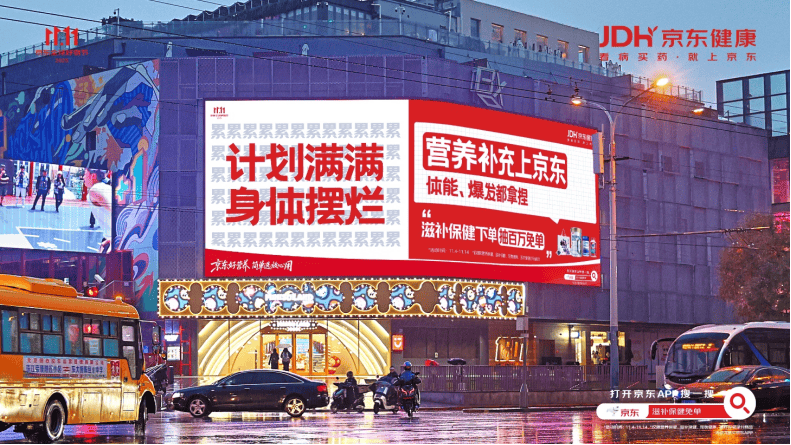
京东11.11超级医药供应链价值凸显 超2500个常备药和慢病用药品牌成交额同比翻倍
Zheng Quan Ri Bao Wang· 2025-11-12 11:45
Core Insights - JD Health achieved record high sales during the 2025 11.11 shopping festival, with over 7,000 brands doubling their transaction volume compared to the previous year [1] - The integration of a "super pharmaceutical supply chain" and advanced digital technologies has positioned JD Health as a key player in the health industry, enhancing sales and creating a win-win ecosystem [2] Group 1: Health Consumption Trends - There is a significant increase in health consumption awareness among consumers, leading to a diverse and intelligent consumption trend [3] - Over 2,500 pharmaceutical brands saw their transaction volume double, with innovative original drugs also experiencing a doubling in sales [3] - Nutritional consumption is undergoing a transformation, with over 2,500 health and nutrition brands doubling their sales, and specific categories like health supplements seeing over 200% growth [3] Group 2: Professional Health Services - The demand for professional health services is rising, with JD Health leveraging its "medical testing, diagnosis, and treatment" service model to meet diverse consumer needs [4] - The JD Internet Hospital has improved online consultation services, with over 90% of video consultations being completed within 9 seconds [4] - AI-driven services, including AI doctors and nutritionists, are providing around-the-clock support, with a significant increase in user engagement and satisfaction [4] Group 3: Future Outlook - JD Health aims to continue enhancing its role as the primary online health consumption entry point, making quality medical products and services more accessible [5]
我国医疗健康行业未来十大发展趋势
Sou Hu Cai Jing· 2025-08-04 12:29
Group 1 - The healthcare industry in China is poised to become one of the largest industries due to factors such as aging population, chronic disease prevalence, rising health awareness, and the national health strategy [3][4] - The shift from a "disease-centered" approach to a "health-centered" model is necessary, emphasizing preventive care and comprehensive health management [4][5] - Traditional healthcare business models are undergoing disruptive reconstruction, with a need for new value creation models and organizational structures [5][6] Group 2 - The healthcare industry is returning to its public welfare roots, with a focus on genuine health outcomes rather than profit-driven motives [6][7] - AI and emerging technologies are expected to create a divide in the industry, favoring institutions that can integrate technology effectively [7][8] - Market-oriented AI applications are more sustainable than government procurement models, driving efficiency and innovation in healthcare services [8][9] Group 3 - Commercial health insurance is becoming a crucial component of the multi-tiered healthcare system, with potential market value exceeding trillions [9][10] - Private healthcare institutions are expected to undergo structural upgrades rather than decline, focusing on quality over quantity [10][11] - Public hospitals are facing increased scrutiny and cost control measures, leading to heightened survival pressures for third-party service providers [11][12] Group 4 - There is a fundamental shift in public health consciousness, moving from treatment to prevention and self-management, particularly among younger and older demographics [12]

国新健康(000503) - 2024年度业绩说明会活动记录
2025-05-12 10:16
Group 1: Company Overview and Strategy - Guoxin Health is focused on building a multi-level medical security system based on the "1+3+N" framework, addressing the needs for supplementary insurance and the pain points in commercial health insurance [2] - The company is implementing a "Digital Intelligence Innovation" strategy and has initiated the "AI in ALL" action to enhance its data processing capabilities and integrate AI technology across various medical fields [3] Group 2: Financial Performance - In 2024, the company achieved a revenue of approximately 356.9 million RMB, representing a year-on-year growth of 8.11%, while the net profit was approximately -11.5 million RMB, showing a reduction in losses by 85.72% [12] - The company’s revenue in 2024 compared to 2020 increased by about 150 million RMB, a growth rate of approximately 72% [8] Group 3: Market Position and Growth Potential - Guoxin Health has served over 70 regions under the DRG payment reform and maintains a leading market share in the DIP payment implementation across 40 regions [8] - The company is actively expanding its innovative services in health management, commercial insurance, and pharmaceutical innovation, which are expected to be new growth points [10] Group 4: Shareholder Engagement and Future Plans - As of March 31, 2025, the company had 70,199 shareholders, indicating a broad base of investor support [6] - The major shareholder plans to increase their stake in the company by investing between 100 million RMB and 200 million RMB within the next six months [13]
