AI Siri

Search documents
库克退休前,能见到 Al Siri 上线吗?
3 6 Ke· 2026-02-12 02:50
Core Insights - Apple is facing significant delays in the launch of its AI Siri, with the earliest expected release now pushed to the iOS 26.5 version, and full functionality may not be available until the iOS 27 release in September [1][5][25] - Internal testing has revealed that the new Siri struggles with speed and accuracy, often misunderstanding user commands and requiring longer processing times for complex queries [4][11] - Apple's commitment to user privacy is impacting the development timeline, as the company aims to ensure that AI data remains local or on privacy-protecting servers, diverging from industry norms [20][22] Development Timeline - The initial plan was to launch AI Siri in March 2024 with iOS 26.4, but this has been delayed multiple times, with the latest target being March 2026 [1][5] - Features that were previously showcased, such as Siri's ability to access personal data, may be cut from the upcoming release due to ongoing stability issues [5][7] Technical Challenges - The new Siri's integration with ChatGPT has not been reliable, often reverting to existing capabilities instead of utilizing Apple's own technology [4][11] - The App Intents system, which is intended to allow voice control for in-app operations, is still in early development and lacks reliability [9][11] Future Plans - Apple is planning to introduce new AI features in iOS 26.5, including a new web search tool and custom image generation capabilities, although these also face stability challenges [13][14] - The next generation of Siri, expected in iOS 27, will leverage Gemini technology to enhance its capabilities, potentially transforming it into a more conversational AI [16][17] Organizational Impact - The delays in AI Siri's rollout are affecting Apple's broader product strategy, particularly in smart home products that rely on these functionalities [24] - The company has experienced significant talent loss in its AI team, with key members leaving for competitors, which may further hinder progress [24] Leadership and Market Position - There are speculations that CEO Tim Cook may step down this year, raising questions about whether AI Siri will be fully realized during his tenure [25] - Despite the delays, strong sales of the iPhone 17 series are currently masking the challenges Apple faces in AI development [25]


苹果财报棒极了,但iPhone 18涨价在所难免了
36氪· 2026-01-30 10:24
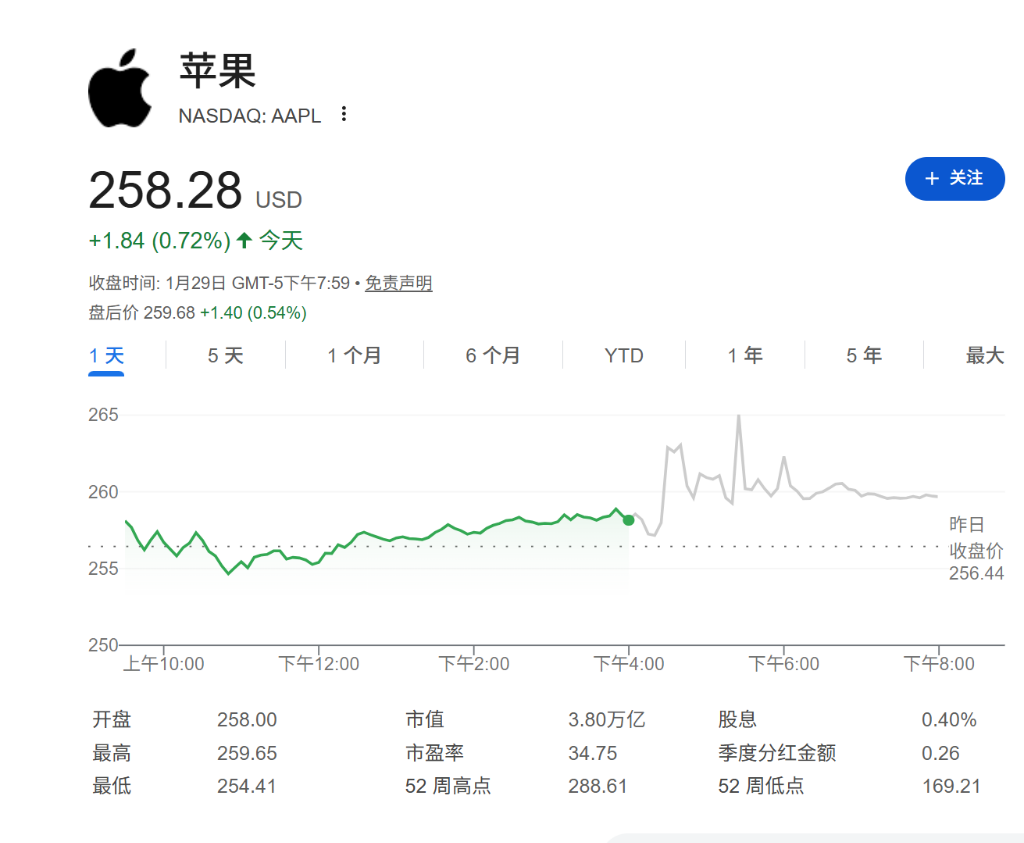
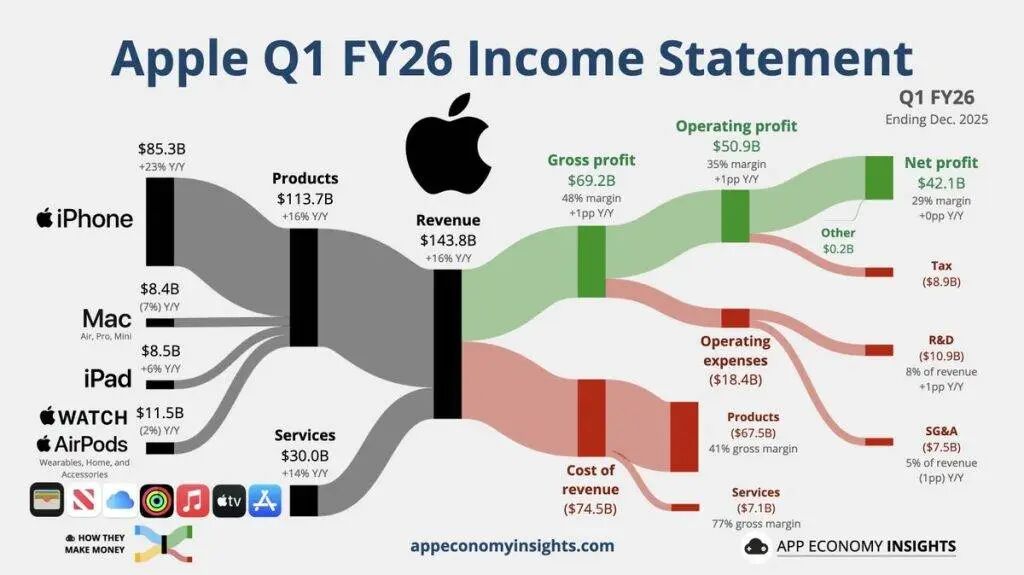
Core Viewpoint - The iPhone 17 series has achieved unprecedented sales success, significantly boosting Apple's revenue and stock price, despite challenges from rising memory costs and supply chain constraints [6][9][10]. Group 1: Financial Performance - In Q4 2025, Apple's revenue reached $143.76 billion, a 16% year-over-year increase, marking a historical high; net profit was $42.10 billion, also up 16%; gross margin rose to an unprecedented 48.2% [6]. - iPhone sales revenue surged by 23% to $85.27 billion, exceeding market expectations and setting a new quarterly record [8]. - The active iPhone user base reached a historical high of 2.5 billion units, with record numbers of users upgrading or switching to new iPhones in various regions [15]. Group 2: Challenges and Concerns - Despite strong iPhone sales, rising memory prices pose a significant challenge, leading to market pessimism and a recent decline in Apple's stock price [10][16]. - Apple's CFO indicated that memory procurement negotiations have shifted to quarterly discussions, with expected price increases of up to 100% for LPDDR memory used in iPhones [18]. - Tim Cook expressed uncertainty about potential price increases for iPhones due to rising memory costs, emphasizing the need for careful evaluation of the situation [19][21]. Group 3: Other Business Segments - Apple's services business reached $30.01 billion in revenue, growing 14% year-over-year, becoming a significant revenue pillar outside of iPhone sales [26][32]. - The Mac business saw a revenue decline of 7% to $8.39 billion, while iPad revenue increased by 6% to $8.60 billion, driven by seasonal demand [32]. - Wearables and accessories revenue fell by 2% to $11.49 billion, attributed to supply chain limitations affecting new product launches [32]. Group 4: Future Outlook and AI Developments - Apple is expected to maintain strong iPhone demand in the upcoming quarters, with potential new models like the iPhone 18 and a foldable iPhone on the horizon [44]. - The company is investing heavily in AI, including a $2 billion acquisition of Israeli AI startup Q.ai, aiming to enhance user interaction with devices [51][53]. - Apple's collaboration with Google on AI development for Siri indicates a strategic focus on integrating advanced technologies while maintaining privacy standards [37][41].

高盛、花旗评苹果财报:业绩超预期,25亿活跃用户有望支撑iPhone新周期
Hua Er Jie Jian Wen· 2026-01-30 09:20
Core Viewpoint - Apple's Q1 FY2026 results exceeded expectations, driven by strong iPhone sales and record profit margins, leading to a post-market stock price increase of approximately 2% [1] Financial Performance - Quarterly revenue reached $143.8 billion, a 16% year-over-year increase, surpassing the company's previous growth guidance of 10-12% and market expectations of $138.4 billion [1] - Earnings per share were $2.84, exceeding market expectations of $2.67 [1] - iPhone revenue was $85.3 billion, a 23% year-over-year increase, significantly above market expectations of $78.2 billion [3] Regional Performance - Revenue from Greater China grew by 38% year-over-year, marking a historical high for upgraded users in the region [3] Product Line Performance - Mac revenue was $8.4 billion, below expectations of $9.1 billion, with a year-over-year decline of 7% [3] - iPad revenue was $8.6 billion, exceeding expectations of $8.1 billion, with a 6% year-over-year increase [3] - Wearables, home, and accessories revenue was $11.5 billion, below expectations of $12.1 billion, with a 2% year-over-year decline [3] Profit Margins - Overall gross margin reached a record 48.2%, exceeding expectations of 47.4% [4] - Product gross margin was 40.7%, surpassing expectations of 39.4% [4] - Service gross margin was 76.5%, exceeding expectations of 75.6% [4] User Base and Future Growth - Active device install base surpassed 2.5 billion, exceeding expectations of 2.45 billion, which supports future growth potential [6] - The large user base is expected to drive service revenue growth and new product launches [6] Analyst Ratings and Price Targets - Goldman Sachs maintained a buy rating with a target price of $320, based on a 34x P/E ratio of next twelve months earnings [7] - Citigroup also maintained a buy rating with a target price of $315, reflecting a premium due to expected margin expansion and service sales growth [7] AI Strategy Focus - The collaboration with Google Gemini and the upcoming personalized AI Siri launch are key focus areas for investors [10]
苹果财报棒极了,但 iPhone 18 涨价在所难免了
3 6 Ke· 2026-01-30 03:27
Core Insights - The iPhone 17 series has achieved record-breaking sales, contributing significantly to Apple's financial performance in Q4 2025, with revenue reaching $143.76 billion and net profit at $42.10 billion, both up 16% year-over-year [1][2] - iPhone sales revenue surged by 23% to $85.27 billion, exceeding market expectations and setting a new quarterly record [2][5] - Despite strong sales, Apple faces challenges with rising memory costs, which could impact future pricing strategies [9][11] Financial Performance - Apple's total revenue for Q4 2025 was $143.76 billion, a 16% increase year-over-year, marking a historical high [1] - Net profit for the same period was $42.10 billion, also reflecting a 16% year-over-year growth [1] - Gross margin reached an unprecedented 48.2% [1] iPhone Sales - iPhone sales revenue increased by 23% to $85.27 billion, surpassing both market and internal expectations [2] - The average selling price of the iPhone is estimated at $1,000, with nearly one million units sold daily since the launch of the new model [2] - The Greater China region saw a remarkable 38% year-over-year revenue increase, totaling $25.53 billion [5][7] Market Dynamics - Apple CEO Tim Cook praised the iPhone's performance, describing it as "fantastic" and "extraordinary," with record-breaking sales across various regions [5][7] - The active iPhone user base reached a historical high of 2.5 billion devices [7] Challenges Ahead - Rising memory prices are a significant concern, with reports indicating potential increases of up to 100% for LPDDR memory used in iPhones [9][11] - Cook indicated that while the impact of memory price increases on gross margins was minimal in the last quarter, it is expected to be more pronounced in the upcoming quarter [11] - Apple is currently negotiating memory prices quarterly, reflecting a shift from previous semi-annual discussions [9] Other Business Segments - Revenue from the Mac segment declined by 7% to $8.39 billion, while iPad revenue grew by 6% to $8.60 billion [13] - The wearables, home, and accessories segment saw a 2% decrease in revenue to $11.49 billion, attributed to supply chain constraints affecting new product launches [13][15] - Service revenue reached $30.01 billion, a 14% increase, marking it as a significant revenue pillar outside of iPhone sales [13] Future Outlook - Analysts predict that the upcoming iPhone 18 series will maintain its starting price to preserve market share, despite rising component costs [9][23] - Apple is investing heavily in AI, with a recent acquisition of an AI startup valued at $2 billion, indicating a strategic shift towards enhancing user interaction and AI capabilities [26][27] - The company is expected to face challenges in maintaining profitability due to rising component costs, particularly in memory and chip supplies [23][24]
后乔布斯时代结束了,这是库克的接班计划
创业邦· 2026-01-26 11:54
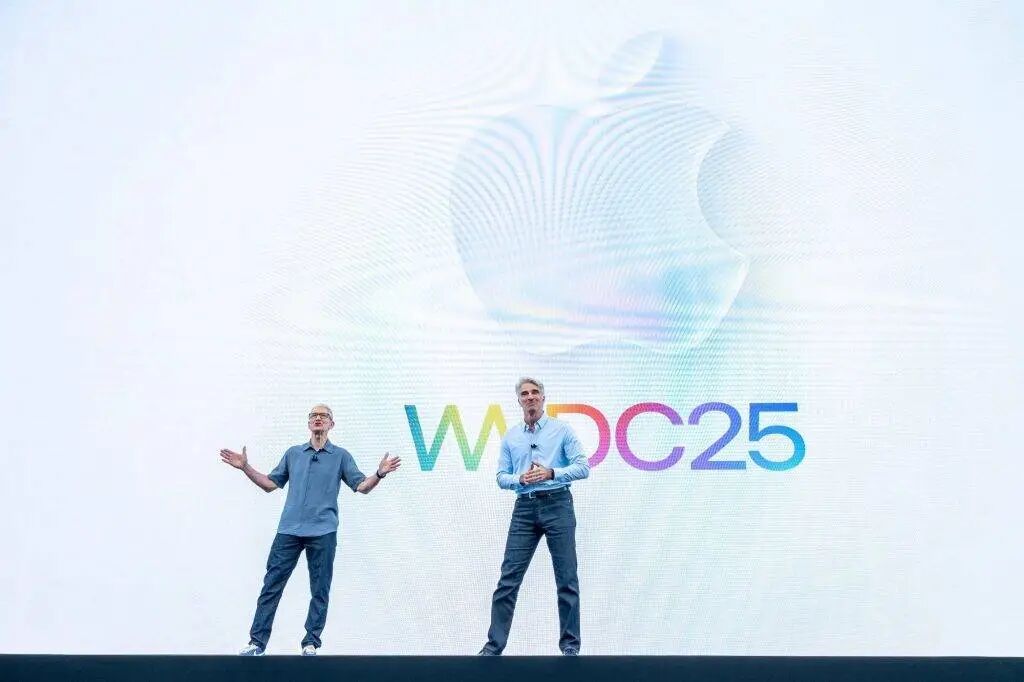
Core Viewpoint - The article discusses the significant management restructuring at Apple as Tim Cook approaches retirement, highlighting potential successors John Ternus and Craig Federighi, and the shift in Apple's focus from design-driven to product-driven and engineering-first strategies [4][39]. Group 1: Management Restructuring - Tim Cook, now 65, is considering retirement, prompting discussions about his succession [4]. - Apple has undergone its most significant management restructuring since Steve Jobs' death, with Ternus and Federighi frequently mentioned as potential successors [4]. - The design team has seen a fragmentation of responsibilities since Jony Ive's departure, leading to a lack of clear leadership and direction [7][10]. Group 2: John Ternus's Role - John Ternus has been given the title of "Executive Sponsor" for design, allowing him to bridge the gap between designers and executives, although he does not directly oversee design [13][14]. - Ternus, who has been with Apple since 2001, is seen as a strong candidate for CEO due to his engineering background and long tenure [15]. - The future of Apple under Ternus is expected to prioritize practicality and product output over design aesthetics, marking a shift from the previous design-centric approach [19][20]. Group 3: Craig Federighi's Role - Craig Federighi, now 58, has taken over the AI department, which has faced challenges in keeping pace with competitors in AI development [23][25]. - Federighi's previous skepticism towards AI has shifted, and he is now focused on integrating AI into Apple's products, including a partnership with Google for AI capabilities [28][29]. - His management style is characterized by cost control and pragmatism, which may lead to a more stable financial performance for Apple in the long run [32][37]. Group 4: Future of Apple - The combination of Ternus and Federighi represents a new leadership model for Apple, focusing on practicality and risk management rather than radical innovation [41][42]. - The article suggests that the era of transformative change at Apple may be over, with a focus on maintaining relevance in a rapidly changing tech landscape [42][45]. - The potential for a co-CEO model between Ternus and Federighi is discussed, indicating a collaborative approach to leadership moving forward [42].
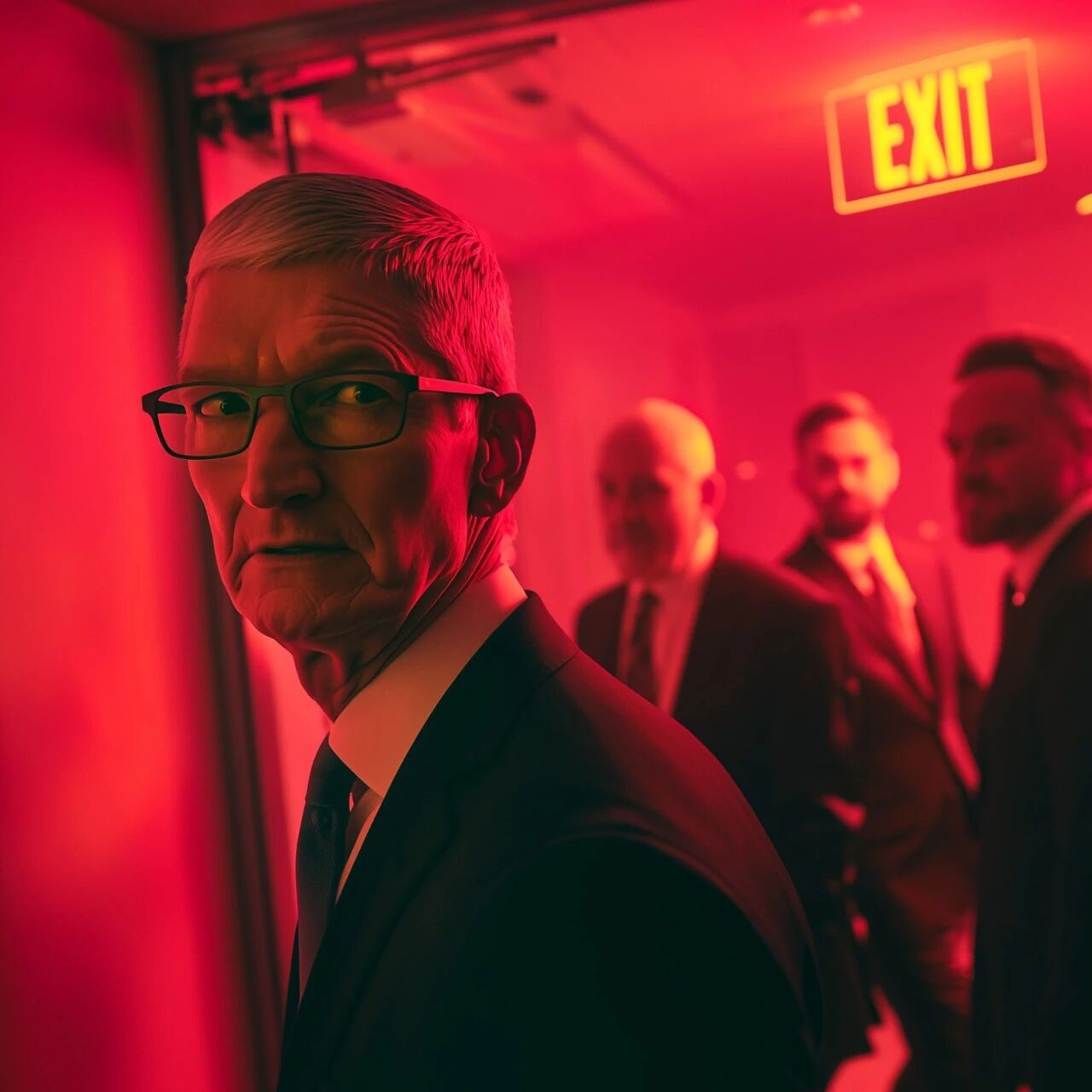
苹果进入双寡头时代
虎嗅APP· 2026-01-24 09:43
Core Viewpoint - The article discusses the transition of leadership at Apple as Tim Cook approaches retirement, highlighting the potential successors John Ternus and Craig Federighi, marking the end of the post-Jobs era and the beginning of a new "duopoly" leadership structure at Apple [4][24]. Group 1: Leadership Transition - Tim Cook, aged 65, is facing questions about succession as Apple undergoes significant management restructuring following the departures and retirements of several executives [4]. - John Ternus and Craig Federighi are identified as key figures in Cook's succession plan, with Ternus being positioned as a potential CEO due to his youth and extensive experience in hardware engineering [12][25]. Group 2: Design Department Changes - The design department at Apple has undergone significant changes since the departure of former Chief Design Officer Jony Ive in 2019, leading to a fragmented structure with responsibilities split between Evans Hankey and Alan Dye [6][9]. - Ternus was appointed as the "Executive Sponsor" for design, allowing him to bridge the gap between designers and executives, although he does not directly oversee design [10][11]. Group 3: Federighi's Role in AI - Craig Federighi, now overseeing Apple's AI department, has shifted from being an AI skeptic to actively integrating AI technologies into Apple's products, particularly following the emergence of ChatGPT [17][19]. - Under Federighi's leadership, Apple has faced challenges in AI development, leading to the decision to collaborate with Google for AI capabilities, indicating a pragmatic approach to technology integration [20][26]. Group 4: Philosophical Differences in Management - Ternus represents a shift towards a product-driven, engineering-first approach at Apple, moving away from the design-centric philosophy of the past [13][26]. - Federighi's management style emphasizes cost control and practicality, which may lead to a more stable financial performance for Apple, albeit with less revolutionary innovation [22][26]. Group 5: Future Outlook - The combination of Ternus and Federighi as co-leaders may signify a new era for Apple, focusing on operational efficiency and practical product development rather than groundbreaking design [26][27]. - The transition is seen as a response to the evolving tech landscape, with Apple aiming to maintain relevance without overextending financially [22][26].
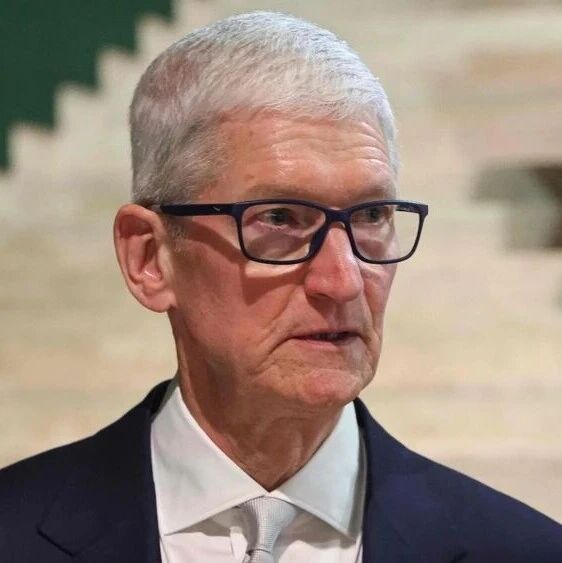
后乔布斯时代结束了,这是库克的接班计划
3 6 Ke· 2026-01-23 11:49
Group 1 - Tim Cook has turned 65, prompting discussions about succession at Apple, with John Ternus and Craig Federighi emerging as potential successors [1] - Apple has undergone significant management restructuring since Steve Jobs' passing, with a clear focus on Ternus and Federighi as key figures in the company's future [1][27] - Ternus has been given a unique title of "Executive Sponsor" for design, allowing him to bridge the gap between designers and executives, while also serving as Senior Vice President of Hardware Engineering [8][11] Group 2 - The design team at Apple has faced fragmentation and talent loss since Jony Ive's departure, leading to a lack of clear leadership and direction [5][6] - Ternus represents a shift towards a product-driven and engineering-focused Apple, moving away from the design-centric approach of the past [10][29] - Federighi, now overseeing AI after taking over from John Giannandrea, has been characterized as a cost-conscious leader, focusing on practical solutions and outsourcing AI capabilities to remain competitive [12][26] Group 3 - The combination of Ternus and Federighi signifies a new "duopoly" at Apple, with Ternus managing hardware and design, while Federighi oversees software and AI [27][29] - Their differing management philosophies reflect a transition from a design-first mentality to a more pragmatic approach, potentially impacting Apple's innovation trajectory [29][31] - The upcoming transition in leadership marks the end of the Cook era and the beginning of a new chapter for Apple as it approaches its 50th anniversary [31]
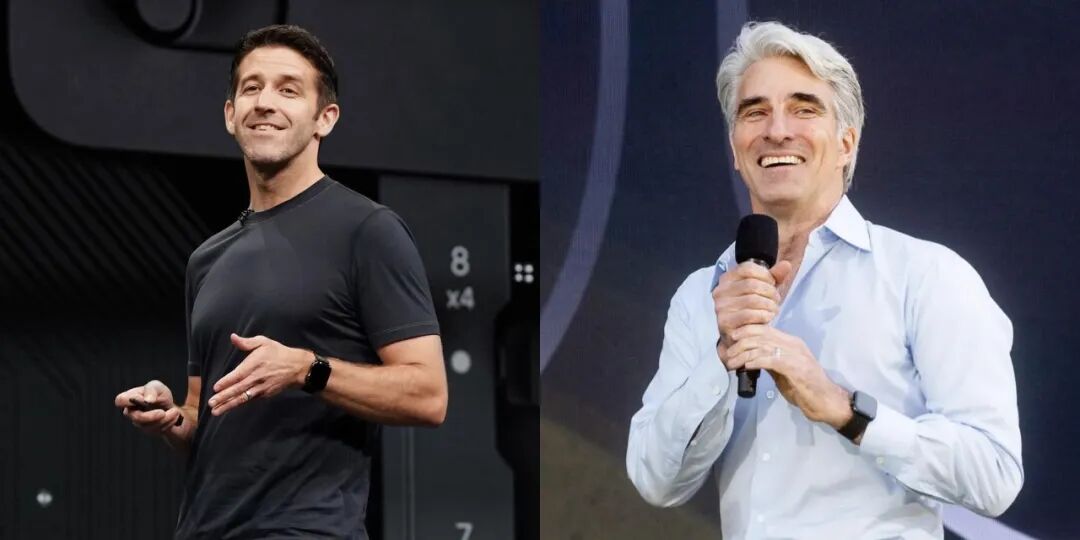
DeekSeek深夜再发梁文锋署名论文/追觅CEO称打造首个百万亿美金公司生态/iPhone官宣接入Gemini
Sou Hu Cai Jing· 2026-01-13 00:34
Group 1 - Apple and Google announced a multi-year partnership where the next-generation Apple foundational model will be built on Google's Gemini model and cloud technology, enhancing the AI capabilities of Siri and Apple Intelligence [3][4]. - Apple plans to pay approximately $1 billion annually for the use of Gemini technology, which is expected to significantly improve its AI functionalities while maintaining user data privacy [3][5]. - The collaboration is seen as a strategic move for Apple to gain time in the competitive landscape of large models, with Google benefiting from deeper integration into billions of Apple devices [4][5]. Group 2 - Counterpoint Research reported a 2% growth in global smartphone shipments in 2025, with Apple regaining the top position in market share at 20%, driven by strong sales of the iPhone 17 series [33][34]. - The report highlighted that the growth was primarily fueled by recovering demand in emerging markets and an improved economic environment [33]. Group 3 - The storage market has entered a "super bull market," with prices expected to rise by 50% this year due to increased demand from AI servers, significantly impacting the cost structure for smartphone and server manufacturers [85][86]. - Counterpoint's forecast indicates that storage prices surged by 40%-50% in Q4 of last year and are projected to continue rising in Q1 and Q2 of this year [86][88]. Group 4 - Bill Gates expressed optimism about the role of AI in driving key innovations over the next decade, particularly in climate, healthcare, and education, while also emphasizing the need for governance and regulation [94][95]. - Elon Musk suggested that advancements in AI, energy, and robotics will lead to a future where financial savings for retirement may become irrelevant, envisioning a world of abundant resources [97][98].


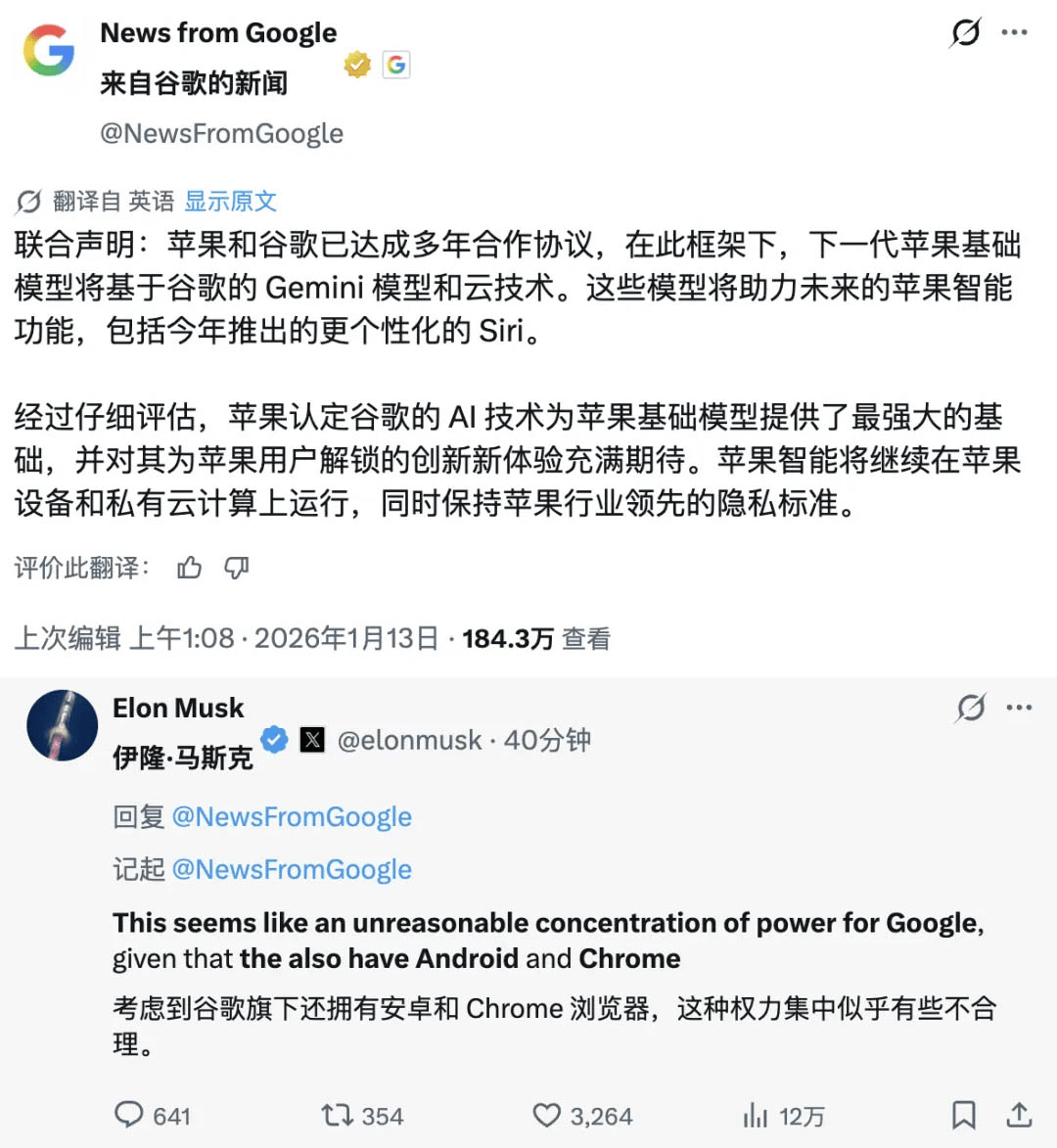
Apple chip chief weighs exit: Report
Youtube· 2025-12-08 12:22
Core Viewpoint - Apple is experiencing significant executive turnover, particularly in its hardware and AI divisions, which may impact its ability to innovate and compete in the evolving technology landscape [1][2][5]. Executive Departures - A key hardware executive, Johnny Ruji, is reportedly considering leaving Apple, which could be a substantial loss given his role in transitioning Apple away from Intel chips [2][11]. - The recent wave of executive departures is partly attributed to the need for Apple to adapt to the growing importance of artificial intelligence [2][5]. AI Strategy and Challenges - Apple is under pressure to deliver a successful AI update for Siri in the spring, following a disappointing performance in AI this year [3]. - The company is expected to launch AI-powered products, including smart glasses and home devices, which are contingent on the success of the upcoming AI system [4]. Company Milestones and Legal Issues - Apple is approaching its 50th anniversary in April, which adds to the significance of its current strategic decisions [4]. - The company is also facing an impending antitrust trial, which will require attention from its new legal counsel [4]. Market Position and Future Outlook - Despite the executive changes, Apple's stock performance remains strong, indicating investor confidence [5][6]. - The company is currently focused on selling phones, with AI developments expected to enhance product offerings and potentially drive sales [14].