
Alpamayo系列AI模型

Search documents
AI重构自动驾驶:Motional重启Robotaxi,赌上2026拉斯维加斯终局
3 6 Ke· 2026-01-12 04:50
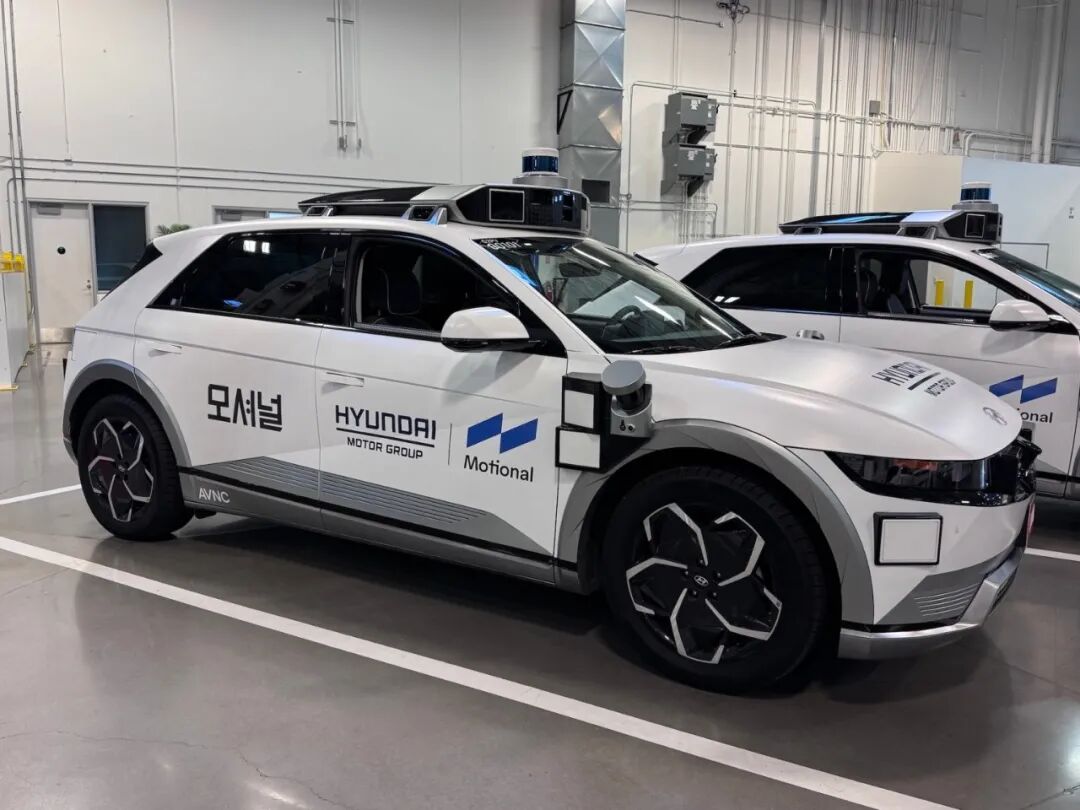
Core Insights - The autonomous driving industry is transitioning from "wild growth" to "refined cultivation," with players facing a critical choice of "evolve or be eliminated" [1] - Motional, a joint venture between Hyundai and Aptiv, is restructuring its autonomous driving system using AI foundational models to restart its Robotaxi commercialization process, aiming for a fully driverless service in Las Vegas by the end of 2026 [1][10] Company Overview - Motional was established in 2020 as a joint venture between Hyundai and Aptiv, each holding 50% equity, with the goal of commercializing SAE Level 4 fully autonomous driving [4] - Initially, Motional achieved significant milestones, including the first cross-country autonomous drive and the launch of the world's first Robotaxi pilot project, completing over 100,000 rides in partnership with Lyft [4] Challenges Faced - The company has faced common industry pressures, including cost challenges and technological bottlenecks, leading to layoffs and a reduction in workforce from 1,500 to under 600 by May 2024 [4][5] - In 2024, Aptiv withdrew financial support after Motional missed deadlines for autonomous services with Lyft, prompting Hyundai to increase its investment to $1 billion and gain a controlling stake of 66.8% [4] Strategic Shift - Motional decided to embrace an AI revolution by pausing all commercial activities to focus on technological restructuring, moving from a fragmented model to an end-to-end architecture [5][6] - The new AI-driven architecture integrates previously separate machine learning models into a single backbone network, enhancing adaptability and efficiency in various scenarios [6] Industry Context - The shift towards AI in autonomous driving coincides with a broader industry paradigm shift, highlighted by Nvidia's introduction of AI models and platforms aimed at enhancing autonomous vehicle capabilities [8] - Motional's 2026 commercialization goal is critical, as it plans to launch a Robotaxi service with a human operator and transition to fully driverless operations by the end of the year [10] Future Outlook - The successful implementation of the fully driverless service in Las Vegas is seen as a pivotal moment for Motional, potentially attracting more partners and reducing R&D costs [10] - The ultimate goal for Motional is to integrate Level 4 systems into personal vehicles, positioning itself as a core technology supplier for automotive manufacturers [10][11] - The journey of Motional reflects the broader challenges and opportunities within the autonomous driving sector, emphasizing the need for a balance between AI capabilities and safety [11]

2026年CES英伟达演讲:人工智能进入“物理AI”时代
Bank of China Securities· 2026-01-07 03:38
Investment Rating - The industry investment rating is "Outperform" [11] Core Insights - The report highlights that artificial intelligence has entered the "Physical AI" era, emphasizing the integration of AI with real-world physical dynamics for executing complex tasks [6] - The Rubin platform has entered full-scale production, with significant performance improvements in GPU capabilities, including a 5X increase in inference performance and a 3.5X increase in training performance compared to the previous Blackwell architecture [6] - Robotics and autonomous driving are identified as ideal carriers for "Physical AI," with Nvidia deepening its collaboration with Tesla for the Optimus humanoid robot, which is expected to achieve mass production of 50,000 units by Q1 2026 [6] - The core materials for AI infrastructure are anticipated to reach a critical transition point, with supply chain stocking expected to accelerate in the first half of 2026 [6] Summary by Sections Investment Recommendations - The report suggests focusing on Nvidia's supply chain, including companies such as Shenghong Technology, Huitian Technology, and Shennan Circuits for PCB; Shunyi Technology for CCL; and Feilihua, Zhongcai Technology for Q fabric; and Dongcai Technology for resin [3] Key Developments - Nvidia's Rubin platform is projected to revolutionize inference costs and has already secured orders worth $300 billion, with products expected to hit the market in the second half of 2026 [6] - The report indicates that the AI market is transitioning from digital to real-world applications, necessitating enhanced computational infrastructure to support the demands of "Physical AI" [6]
