
DRIVE AV软件

Search documents
英伟达,重磅发布!黄仁勋:重要时刻要来了
第一财经· 2026-01-06 03:17
Core Viewpoint - The article highlights NVIDIA's advancements in AI and computing architecture, emphasizing the dual transformation occurring in AI and computing, which is reshaping the entire technology stack and creating new applications and ecosystems [6][7]. Group 1: AI and Computing Transformation - Huang emphasized that the computing industry undergoes a platform change every 10 to 15 years, with the current shift driven by AI and computing architecture simultaneously evolving [6]. - AI is both an application and a new platform, leading to a paradigm shift in software development from coding to model training [6][7]. - The modernization of a $10 trillion computing infrastructure is underway, with billions in venture capital flowing into AI, as industries shift R&D budgets towards AI [7]. Group 2: Open Source Models - Huang noted that one of the significant changes in the industry last year was the rise of open-source models, specifically mentioning China's DeepSeek R1 as a remarkable contributor to this global movement [7][8]. - Multiple open-source models were showcased, including three from China: Kimi K2, Qwen, and DeepseekV3.2 [8]. Group 3: Physical AI and Autonomous Driving - Huang stated that the next phase of AI development involves entering the physical world, requiring AI to learn common sense about physical properties [10]. - NVIDIA is working on a system that allows AI to learn about the physical world, which is crucial for applications like autonomous driving [10][12]. - Huang believes that the transition from non-autonomous to autonomous vehicles is imminent, with a significant portion of cars expected to be autonomous in the next decade [14]. Group 4: New Chip Platform - Rubin - The Rubin platform includes six new chips, with the Rubin GPU achieving a reasoning power of 50 PFLOPS, five times that of the previous Blackwell platform [21]. - The Rubin platform's design allows for a tenfold reduction in reasoning token costs and a fourfold decrease in the number of GPUs needed for training [21][22]. - The new Vera Rubin NVL72 chip is expected to significantly enhance performance, with reasoning and training capabilities reaching 3.6 EFLOPS and 2.5 EFLOPS, respectively [24]. Group 5: Collaborations and Future Developments - NVIDIA announced a deepened collaboration with Siemens to integrate its physical AI models into Siemens' industrial software, covering the entire lifecycle from chip design to production [16]. - The first autonomous vehicles using NVIDIA's DRIVE AV software are set to hit the roads in the U.S. in the first quarter of this year, with further expansions planned for Europe and Asia [16].


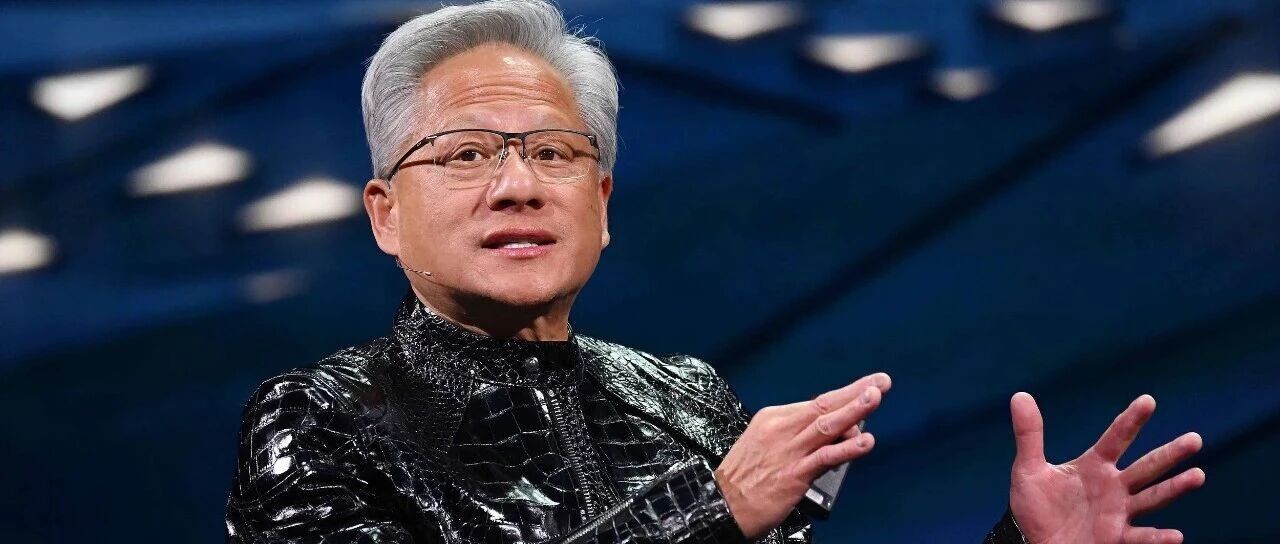
直击CES | 黄仁勋新年第一场发布:物理AI的ChatGPT时刻即将到来
Di Yi Cai Jing· 2026-01-06 02:20
Core Insights - NVIDIA's CEO Jensen Huang announced multiple open-source models related to physical AI and detailed the performance data of the new chip platform Rubin during a keynote speech at CES [1] - The event attracted significant attention, with a full audience of 3,000 people, indicating strong interest in NVIDIA's advancements in AI technology [1] Group 1: Product Announcements - NVIDIA introduced several open-source models focused on physical AI, marking a shift from solely relying on transistor density improvements to enhancing network processing and low-precision floating-point operations [1] - The Rubin chip platform includes six new chips, such as Vera CPU and Rubin GPU, with Rubin GPU achieving a 50 PFLOPS inference performance, five times that of the previous Blackwell platform [18][20] - The new platform's design allows for a 10-fold reduction in inference token costs and a fourfold decrease in the number of GPUs required for training MoE models compared to Blackwell [20] Group 2: AI Development and Trends - Huang emphasized that AI and computing architecture are undergoing simultaneous transformations, with AI serving as both an application and a new platform [6] - The shift in software development paradigms from coding to model training signifies a complete restructuring of the computing technology stack [6] - The global industry is reallocating R&D budgets towards AI, driven by the modernization of computing infrastructure valued at approximately $10 trillion over the past decade [7] Group 3: Future of AI and Autonomous Vehicles - Huang highlighted that the next phase of AI development involves integrating AI into the physical world, with a focus on teaching AI common sense about physical properties [9] - The transition from non-autonomous to autonomous vehicles is anticipated to occur within the next decade, with a significant portion of cars expected to be fully or highly autonomous [12] - NVIDIA's DRIVE AV software will be implemented in Mercedes-Benz vehicles, with the first autonomous vehicle expected to hit the roads in the U.S. in Q1 2024 [16] Group 4: Collaborations and Industrial Applications - NVIDIA announced a deepened collaboration with Siemens to integrate its physical AI models and Omniverse simulation platform into Siemens' industrial software, covering the entire lifecycle from chip design to production operations [16] - The company is positioned at the forefront of a new industrial revolution, leveraging physical AI to enhance chip design and automation in manufacturing [16] Group 5: Open-Source Models and Global Impact - Huang noted the significant rise of open-source models in the industry, specifically mentioning China's DeepSeek R1 as a model that has surprised the world and activated a global open-source movement [7][8] - The presentation included several open-source models from China, such as Kimi K2 and Qwen, showcasing the competitive advancements in AI technology [8]
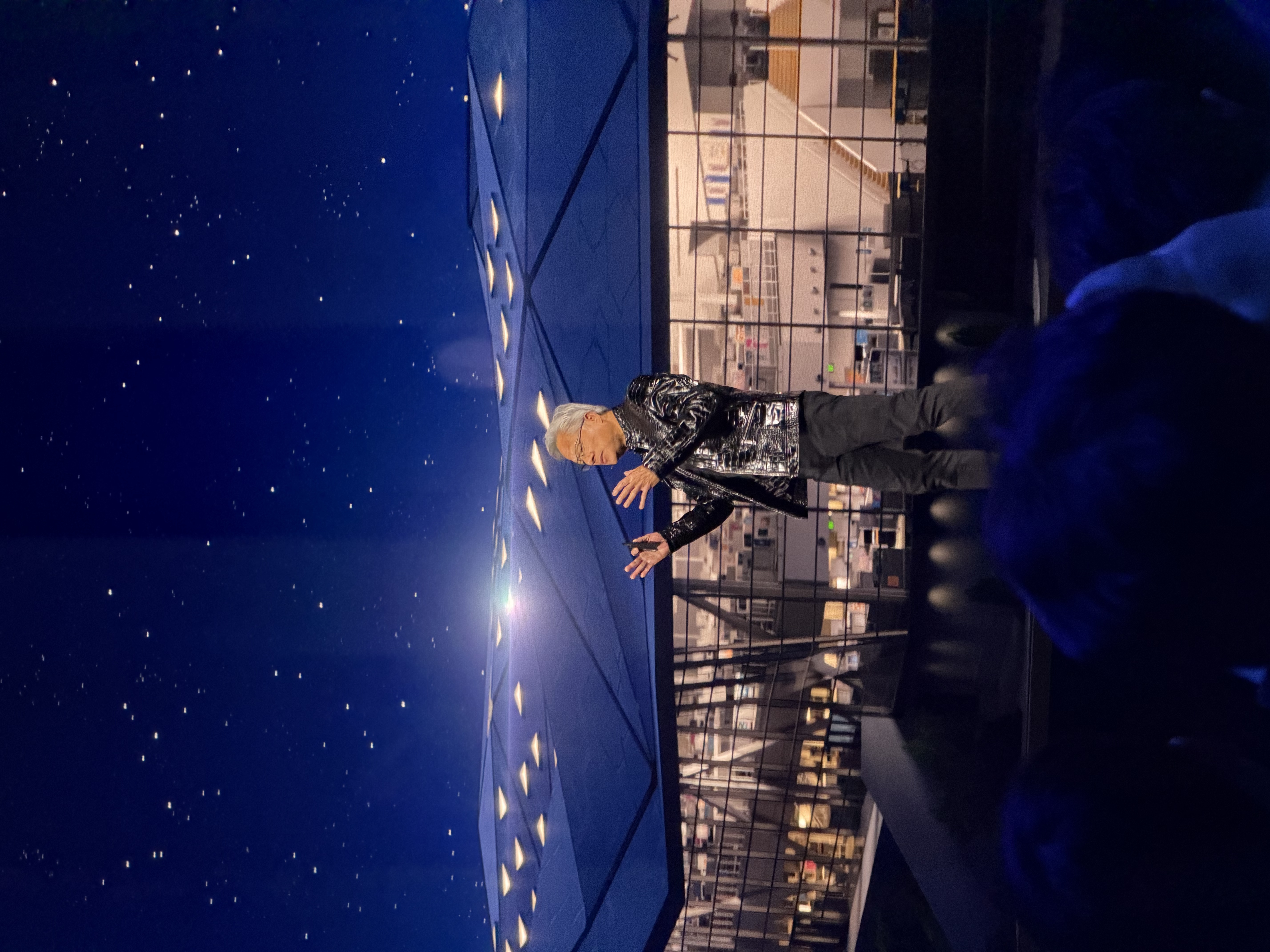
高盛解读黄仁勋GTC演讲:5000亿美元收入预期,超过市场预期,还有进一步上调的空间
华尔街见闻· 2025-10-29 09:58
Core Viewpoint - Nvidia's strong revenue guidance of $500 billion for data center business from 2025 to 2026 has been positively interpreted by Wall Street, significantly exceeding previous market expectations [1][2]. Group 1: Revenue Guidance - Nvidia's CEO Jensen Huang announced a cumulative revenue target of $500 billion for the data center business, which is 12% higher than the market consensus of $447 billion and 10% above Goldman Sachs' own forecast of $453 billion [1][2]. - Goldman Sachs views this enhanced visibility on long-term revenue as a positive incremental factor for Nvidia's stock price and has reiterated a "buy" rating [2]. Group 2: Key Drivers for Performance - Several key variables could drive Nvidia's performance beyond current expectations, including the deployment timelines of models by major clients like OpenAI, increasing contributions from non-traditional clients such as sovereign governments, and the exact launch timing of the anticipated Rubin platform [3]. Group 3: Strategic Collaborations - Nvidia announced a $1 billion equity investment in Nokia at a price of $6.01 per share to accelerate the development of next-generation AI-native mobile networks [5]. - In high-performance computing, Nvidia is collaborating with the U.S. Department of Energy to deploy seven new supercomputer systems, with specific systems equipped with 100,000 and 10,000 Nvidia Blackwell GPUs [5]. - Nvidia introduced NVQLink, a high-speed interconnect technology for linking quantum computers with traditional computing systems, and partnered with Uber to expand its Level 4 autonomous driving network using Nvidia DRIVE AGX Hyperion 10 platform and DRIVE AV software [5].
高盛解读黄仁勋GTC演讲:5000亿美元收入预期,超过市场预期,还有进一步上调的空间
美股IPO· 2025-10-29 04:07
Core Viewpoint - The company has visibility on achieving a cumulative revenue of $500 billion from data center operations between 2025 and 2026, which exceeds Wall Street's consensus of $447 billion by 12% and Goldman Sachs' own forecast of $453 billion by 10% [1][2]. Group 1: Revenue Guidance - The $500 billion revenue target is a strong market signal from the recent GTC conference, indicating significant growth potential for the company [4]. - Goldman Sachs analysts believe that the visibility on long-term revenue is a positive incremental factor for the company's stock price and have reiterated a "buy" rating [3]. Group 2: Key Drivers for Performance - Several key variables could drive the company's performance beyond current expectations, including the deployment timelines of models by large clients like OpenAI, increasing contributions from non-traditional clients such as sovereign governments, and the exact launch timing of the anticipated Rubin platform [4]. Group 3: Strategic Collaborations - The company announced multiple strategic partnerships at the GTC conference aimed at solidifying its leadership in the AI ecosystem [5]. - A notable investment includes a $1 billion equity investment in Nokia at a share price of $6.01, aimed at accelerating the development of next-generation AI-native mobile networks [7]. - Collaborations with the U.S. Department of Energy involve deploying new supercomputer systems at national laboratories, further enhancing the company's capabilities in high-performance computing [7].
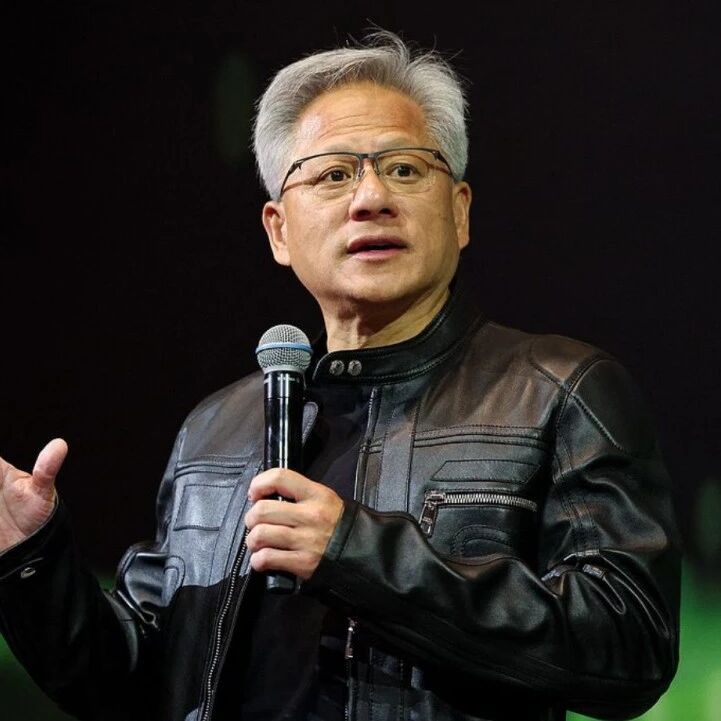
Stellantis与英伟达、优步和鸿海就无人驾驶出租车达成合作
Xin Lang Cai Jing· 2025-10-29 00:25
Core Insights - Stellantis announced a new collaboration with Nvidia, Uber, and Hon Hai to jointly develop and deploy L4 autonomous taxi services globally [1] Group 1: Partnership Details - Stellantis will integrate Nvidia's DRIVE AV software to achieve L4 autonomous driving capabilities [1] - Nvidia will provide the DRIVE AV software based on the DRIVE AGX Hyperion 10 architecture, which includes L4 parking and driving functionalities [1] - Hon Hai will collaborate with Stellantis in hardware and system integration [1] - Uber will operate the robotaxi services [1]

