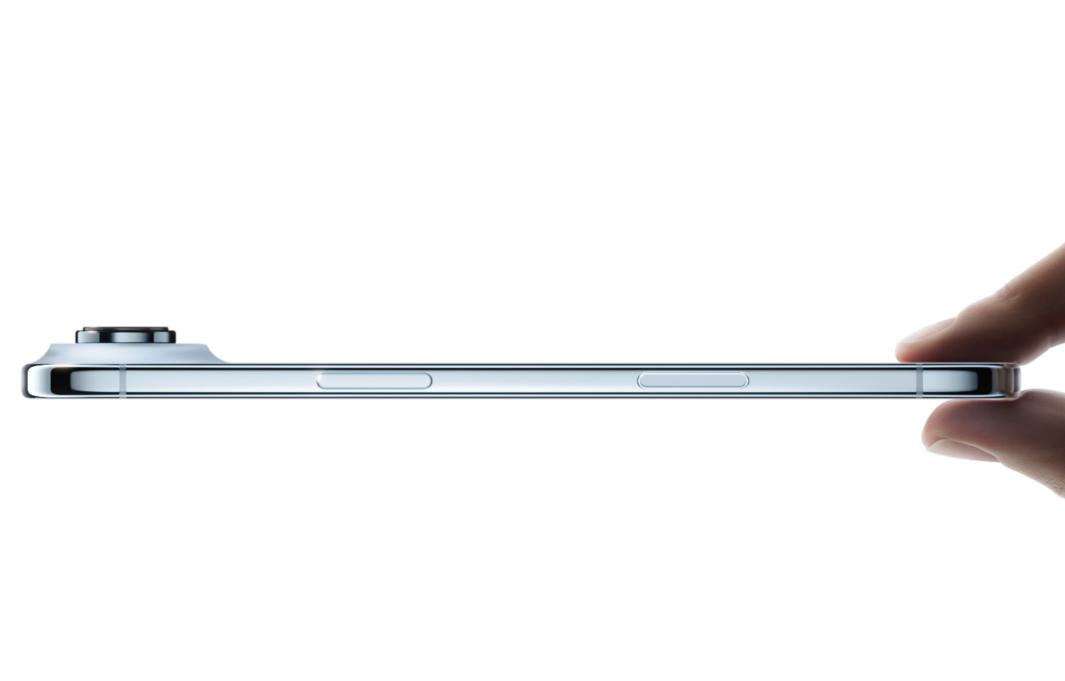
Mate 70 Air

Search documents
轻薄、潮玩、品牌整合 新年手机业浮现三大发展新趋势
Zheng Quan Shi Bao Wang· 2026-01-13 14:27
Group 1: Core Trends in the Smartphone Industry - The smartphone industry is witnessing three major trends: accelerated brand integration, a collective push towards lightweight high-end smartphones, and a focus on mid-range devices targeting young consumers in the outdoor and esports segments [1][4][5] Group 2: High-End Smartphone Developments - In early 2026, smartphone companies are focusing on launching "Air" models, which are both lightweight and powerful, following Apple's introduction of the iPhone Air [2][3] - Honor's upcoming Magic8 Pro Air features a thickness of only 6.1mm and a weight of 155g, while Red Magic is set to release the Red Magic 11 Air [2] - Despite the iPhone Air's lackluster sales, it highlighted a market demand for lightweight yet powerful devices, prompting other companies to follow suit [3] Group 3: Mid-Range Smartphone Innovations - Companies are targeting the mid-range market by developing products that appeal to young consumers interested in trendy, outdoor, and esports activities [5][6] - Honor has confirmed a collaboration with Pop Mart to launch the industry's first trendy toy smartphone, while Realme plans to unveil a new generation of trendy esports phones [4][5] Group 4: Internal Brand Integration - To address rising storage chip costs, smartphone companies are streamlining their internal brands to reduce competition and enhance efficiency [7] - OPPO has announced that Realme will return as a sub-brand under OPPO, aiming for strategic collaboration and differentiation among its brands [7][8] - The integration is expected to lower organizational costs and reduce internal competition, as seen with OnePlus's return to OPPO, which resulted in a 44% sales increase in 2025 [8] Group 5: Market Outlook - Counterpoint Research predicts a weakening global smartphone market in 2026 due to rising component costs and a shift in resources towards AI data centers, leading to a downward revision of shipment forecasts [8] - Despite challenges, the global smartphone shipment volume grew by 2% in 2025, driven by high-end product trends and increased 5G device adoption in emerging markets [8]
多家手机厂商取消Air机型
Xin Lang Cai Jing· 2025-11-27 01:53
Core Insights - Major smartphone manufacturers such as Xiaomi, OPPO, and vivo have canceled their Air model projects, opting to integrate eSIM technology into their regular models instead [1][3] - The iPhone Air has underperformed in the market since its launch, leading to significant production cuts by key suppliers like Foxconn and Luxshare [3][4] - Huawei's Mate 70 Air has shown promising sales, indicating a potential shift in consumer preference towards devices that balance thinness with performance [7][10] Group 1: Market Trends - The Air model category is facing challenges globally, with shipments falling short of expectations for both iPhone Air and Samsung Galaxy S25 edge [7] - The ultra-thin design of smartphones, particularly those under 6mm, presents structural challenges that compromise essential features like camera quality and battery life [7] Group 2: Competitive Landscape - Huawei's Mate 70 Air, priced from 4199 yuan, has achieved monthly sales of around 10,000 units, with daily sales exceeding 5,000 during the Mate 80 series launch period [7] - Analysts suggest that Huawei's Air model better meets user demands in terms of battery life, camera, and audio quality compared to Apple's offering, despite being slightly thicker [10] Group 3: Industry Dynamics - The smartphone market is undergoing continuous iteration and adjustment, with manufacturers needing to consider comprehensive product compatibility rather than relying solely on brand appeal or individual features [10]



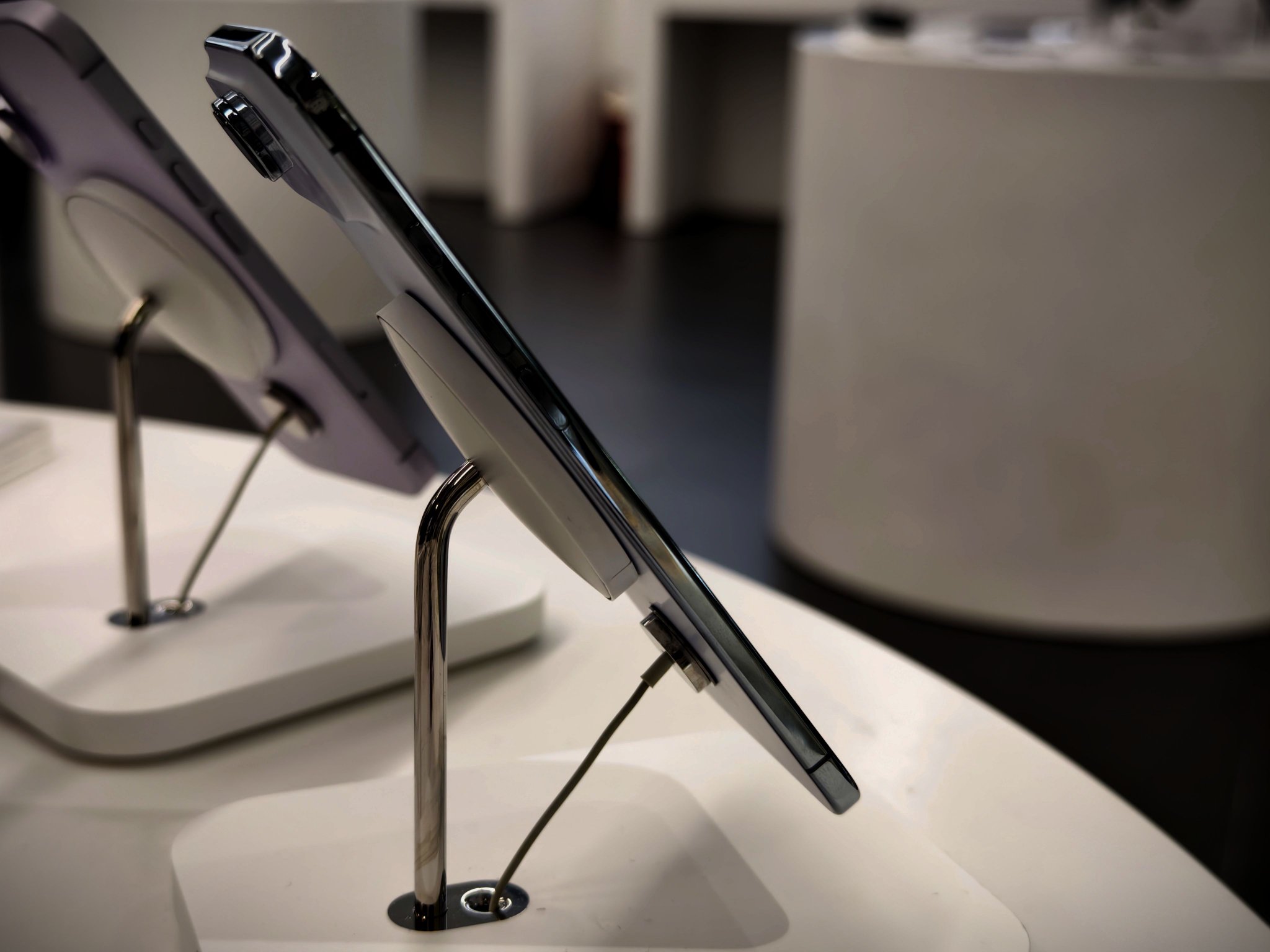
2025年第45周:数码家电行业周度市场观察
艾瑞咨询· 2025-11-20 00:04
Group 1: eSIM Technology - eSIM technology marks the transition to a "cardless era" in smartphones, with major manufacturers like Huawei and OPPO quickly adapting to this trend [2][3] - The launch of Apple's iPhone Air has prompted domestic manufacturers to develop eSIM-compatible devices, although consumer response indicates a preference for functionality over extreme thinness [2][3] Group 2: AI in Mobile Technology - Mobile AI is evolving from traditional voice assistants to self-evolving AI-native phones, becoming a key player in the smart economy [4] - Companies like Honor and Huawei are leveraging edge-cloud collaboration to enhance AI capabilities in various consumer scenarios, indicating a shift towards intelligent service hubs [4] Group 3: Edge Computing and AI Applications - A significant percentage of Chinese enterprises believe generative AI will disrupt their business within the next 18 months, with many already implementing it [5] - Edge computing is becoming essential for AI applications, addressing latency, cost, and compliance issues, with predictions that 80% of CIOs in Asia-Pacific will rely on edge services by 2027 [5] Group 4: Robotics and AI - The humanoid robot industry in China is making strides in hardware production and cost control, but still lags behind the U.S. in intelligent models and software ecosystems [6][7] - The competition in humanoid robotics will hinge on breakthroughs in "embodied intelligence," with both countries vying for leadership in AI and robotics [6][7] Group 5: AI in E-commerce - AI-driven e-commerce products are gaining traction, but user experience remains a challenge, with competition focusing on information distribution and execution capabilities [8] - The future of AI e-commerce will revolve around understanding consumer needs, although widespread adoption may take time [8] Group 6: AI Emotional Companionship - AI applications for emotional companionship are rising in popularity, with Chinese entrepreneurs leveraging hardware supply chains to accelerate deployment [9] - The user base for generative AI in China has grown significantly, indicating a strong market potential for emotional AI applications [9] Group 7: AI Headphones Market - The AI headphones market has rapidly transitioned from concept to scale, with a significant portion of products priced below 500 yuan [10] - The market is diversifying, with different brands targeting various segments, but user satisfaction remains mixed [10] Group 8: Virtual Idols and AI - The AI virtual idol sector is experiencing a resurgence, significantly lowering production costs and time [12] - Successful cases demonstrate the potential for virtual idols to become global IPs, although challenges in content quality and consistency remain [12] Group 9: Smart Glasses Market - The year 2025 is projected to be pivotal for smart glasses, with numerous manufacturers entering the market [13] - Key challenges include privacy concerns and technological limitations, which must be addressed for widespread adoption [13] Group 10: Humanoid Robots and Chip Demand - The humanoid robot industry is expected to grow rapidly, with significant demand for AI chips, particularly in motion control and visual sensing [17] - Domestic manufacturers are gradually catching up in the chip supply chain, although high-end AI chips still rely on international suppliers [17] Group 11: Global Expansion of Chinese Home Appliances - Chinese home appliance companies are diversifying their overseas presence to mitigate risks and enhance competitiveness [18] - Digital technology is a key driver of this strategy, with companies like Midea and TCL leading the way in global manufacturing and R&D [18] Group 12: AI Chip Industry Dynamics - The AI chip industry in China is characterized by a practical approach, focusing on technology implementation and industrial empowerment [19][20] - The competition will center on third-party markets, with a shift towards specialized chips and ecosystem development [19][20] Group 13: Meta's AI Strategy - Meta is adjusting its strategy in the AI sector by laying off staff and recruiting top talent to enhance its model development capabilities [21] - The company's future success will depend on its ability to translate investments and talent into technological breakthroughs [21] Group 14: Hisense's Financial Performance - Hisense reported steady revenue growth in its recent quarterly results, driven by advancements in display technology and high-end product sales [22] - The company is well-positioned for future growth, particularly in the commercial display sector [22] Group 15: Alibaba's AI Glasses - Alibaba's Quark AI glasses have begun pre-sales, integrating various services from its ecosystem [24] - The product is seen as a significant step in showcasing Alibaba's AI capabilities and ecosystem collaboration [24] Group 16: Midea's R&D Investment - Midea plans to invest over 50 billion yuan in R&D over the next three years, focusing on AI and embodied intelligence [25] - The company aims to enhance its global competitiveness and technological leadership through this investment [25] Group 17: Huawei's HarmonyOS 6 - Huawei's HarmonyOS 6 has been launched with significant upgrades in performance and connectivity features [26] - The company is actively working to expand its global market share and reshape the operating system landscape [26] Group 18: New Stone's Autonomous Delivery Vehicles - New Stone has secured significant funding to expand its autonomous delivery vehicle operations, projecting substantial growth in demand by 2027 [27][28] - The company is focusing on algorithm upgrades and global market expansion to meet future demand [27][28] Group 19: Tesla's Compensation Plan - Tesla's proposed compensation plan for CEO Elon Musk has drawn scrutiny, with significant performance targets set for stock incentives [29] - The plan aims to ensure Musk's focus on the company's transition to autonomous driving and robotics [29] Group 20: Qualcomm's AI Chip Launch - Qualcomm has introduced new AI inference chips targeting a rapidly growing market, emphasizing energy efficiency and cost [30] - The company is expanding its presence in various sectors, including smart driving and IoT, to mitigate potential revenue challenges [30] Group 21: NVIDIA's Market Position - NVIDIA has achieved a remarkable market valuation, driven by surging demand for AI computing power [31] - However, concerns about potential market bubbles and geopolitical risks pose challenges for the company's future growth [31] Group 22: Haier's IPO Plans - Haier is preparing for an IPO of its industrial internet platform, aiming to raise significant capital for further development [33] - The platform has already made substantial contributions to various industries, indicating strong market potential [33] Group 23: Xiaomi's Growth Strategy - Xiaomi aims to enter the global top 100 companies within five years, focusing on high-end technology and chip development [34] - The company is also expanding its global presence and product offerings to drive growth [34] Group 24: Ant Group's AI Strategy - Ant Group is shifting its focus from digital payments to intelligent payments, leveraging AI as a core strategy [36] - The company aims to integrate AI with user needs to capture new opportunities in the AI era [36]






机圈“Air”大战,苹果已经折戟
Hua Er Jie Jian Wen· 2025-11-11 12:00
Core Viewpoint - The introduction of the "Air" smartphone trend, initiated by Apple's iPhone Air, has not met market expectations, leading to a delay in the next generation's release due to poor sales performance [2][3][4]. Group 1: Market Performance - Apple's iPhone Air, despite its innovative design, has seen disappointing sales, with initial sales in China reported at over 50,000 units during its first week [3]. - Analysts indicate that the demand for iPhone Air is lower than anticipated, resulting in supply chain reductions of over 80% by Q1 2026 [2][3]. - The iPhone Air's pricing starts at 7,999 yuan, which may contribute to its lackluster sales performance [5]. Group 2: Product Features and Competition - The iPhone Air is noted for its extreme thinness at 5.6 mm and weight of 165g, but compromises on battery life and camera capabilities [4][5]. - Competing brands like Samsung and Huawei have also launched their own "Air" models, with Huawei's Mate 70 Air focusing on balancing thinness with performance by offering a larger screen and better battery life [9][10]. - The trend of ultra-thin smartphones has attracted various manufacturers, but the overall market response has been tepid, with Xiaomi's president acknowledging the challenges of maintaining user experience with such designs [12][13]. Group 3: Future Outlook - The success of the "Air" smartphone segment will depend on finding a balance between lightweight design and practical usability [14]. - Current technological limitations make it difficult for ultra-thin smartphones to provide a satisfactory user experience, leading to skepticism about further market entries [13].
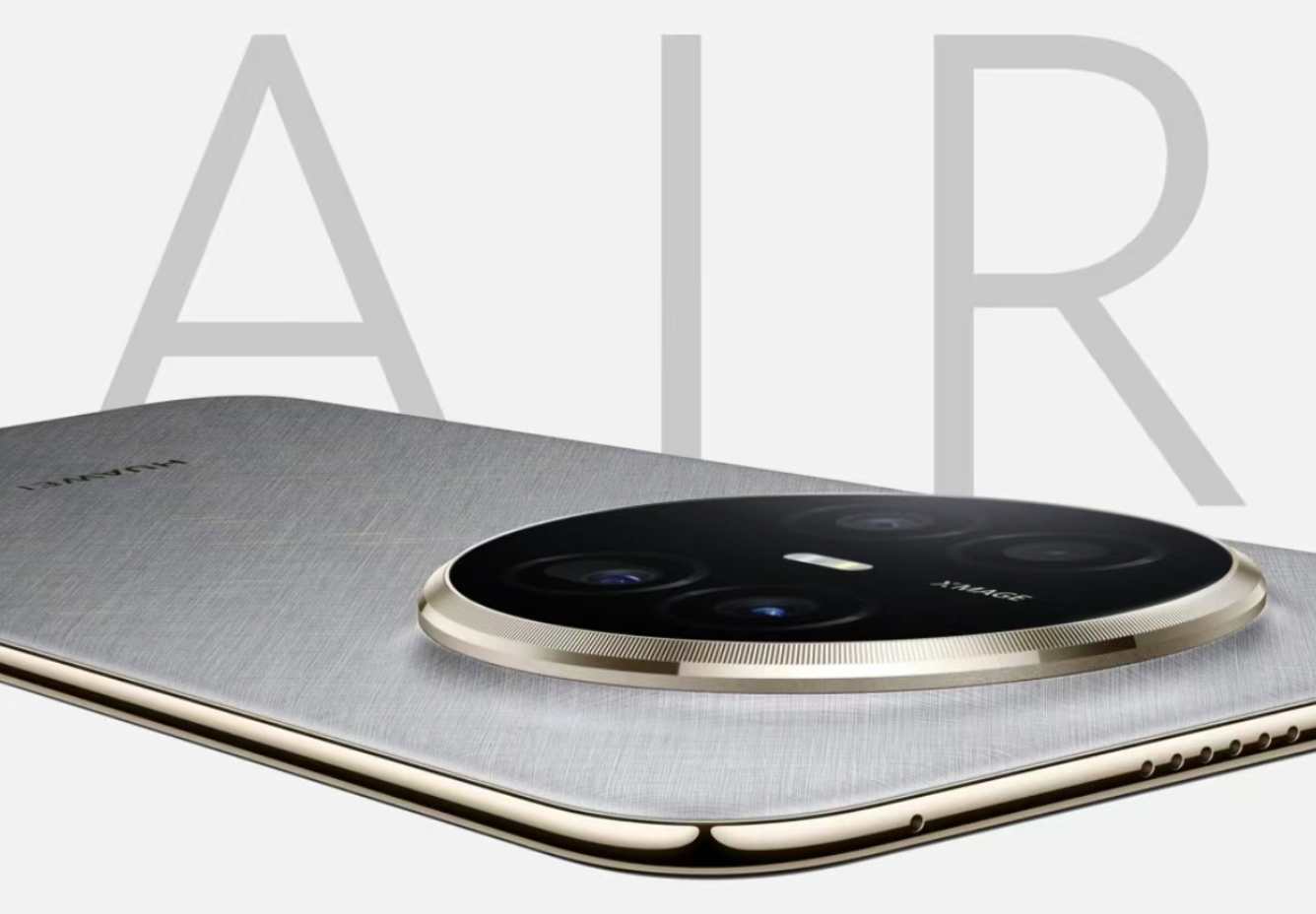
iPhone Air卖不动,库克挥泪砍产线…这也就刚卖了一个月
量子位· 2025-11-11 04:24
Core Viewpoint - The iPhone Air has faced significant challenges since its launch, leading to production cuts and a lack of consumer interest, ultimately resulting in its withdrawal from the market [5][25][31] Market Response - The iPhone Air's initial sales were disappointing, with only over 50,000 activations in its first week, which is less than one-tenth of the iPhone 17 Pro Max's performance [5] - In major online sales channels like JD and Tmall, the iPhone Air's sales lagged behind both the iPhone 17 series and the older iPhone 16 models, failing to make it into the top ten of small-screen bestsellers [6] - On Amazon, the iPhone Air received a rating of only 4.4, with many users citing serious battery and performance issues compared to the Pro Max [8] Product Positioning - Apple aimed to create a "non-Pro flagship" by simplifying features, removing high-refresh screens and advanced camera capabilities, while retaining the A-series chip and main camera [12] - However, the iPhone Air's stripped-down features did not meet consumer expectations, leading to a perception of it being underwhelming and overpriced compared to the iPhone 17 Pro, which is only $100 more but offers significantly better specifications [15][16] User Experience Issues - The removal of the physical SIM card slot in favor of eSIM led to complications for users in regions where eSIM is not widely supported, causing frustration and connectivity issues [19][20] - The iPhone Air lacked unique features or configurations that could stimulate accessory development or software adaptation, making it less appealing to consumers [22][23] Competitive Landscape - The withdrawal of the iPhone Air has created a gap in the "light flagship" market, which domestic brands like Xiaomi, OPPO, and Honor have already capitalized on, offering competitive products with strong ecosystems [26][27] - Huawei has quickly responded by launching the Mate 70 Air, which is thinner and lighter at a lower price point, indicating a swift shift in market dynamics following Apple's retreat [28][29] Future Prospects - Although the iPhone Air 2 project has been removed from the main production schedule, internal development continues, with plans for improvements in weight, battery capacity, and camera performance [31][32] - The potential for a future return of the iPhone Air remains, though it may not happen soon [33]

Air风停了?iPhone Air刹车、S25 Edge跌价,超轻薄手机成了鸡肋?
3 6 Ke· 2025-11-03 00:11
Core Insights - The recent failures of ultra-thin flagship smartphones, specifically the iPhone Air and Samsung S25 Edge, indicate a significant shift in consumer preferences and market dynamics [1][2][4] - Despite initial hype and high expectations, the actual sales performance of these models has been disappointing, leading to production cuts and reconsideration of future releases by other manufacturers [5][8] Group 1: Product Performance - The iPhone Air has been labeled a "failure" with a first-week activation volume of only over 50,000 units, significantly lower than the iPhone 17 series, which collectively exceeded 1 million activations in the same timeframe [2][4] - The S25 Edge has also underperformed, with its price dropping from 7999 yuan to 4999 yuan within five months of launch, indicating poor market reception [13] Group 2: Market Trends - The ultra-thin smartphone segment appears to be struggling, with overall sales estimated to account for less than 1% of the market, raising questions about the demand for such devices [2][4] - Manufacturers like Xiaomi have paused plans for similar models, reflecting a cautious approach in response to the lackluster performance of the iPhone Air [5] Group 3: Consumer Preferences - Consumer feedback suggests that the desire for ultra-thin devices is often outweighed by the need for better battery life and camera performance, which are compromised in thinner models [8][10] - The pricing strategy of the iPhone Air, set at 7999 yuan, has led consumers to compare it unfavorably with the iPhone 17 Pro, which offers superior features for a similar price [10][11] Group 4: Future Outlook - The only remaining major player in the ultra-thin segment appears to be Huawei, which is reportedly moving forward with the Mate 70 Air, although its success remains uncertain [7][8] - The industry may need to rethink the value proposition of ultra-thin smartphones, as relying solely on the "lightweight" feature is insufficient to attract consumers [14]