Zhong Yang Ji Wei Guo Jia Jian Wei Wang Zhan
Search documents
笔谈丨因地制宜加强廉洁文化建设
Zhong Yang Ji Wei Guo Jia Jian Wei Wang Zhan· 2025-11-27 00:24
Group 1 - The core viewpoint emphasizes the importance of strengthening the construction of a clean culture in the new era as a foundational project to promote a system that discourages corruption, prevents corruption, and fosters a desire not to be corrupt [1] - The article highlights the need to deeply explore local historical and cultural resources that embody clean governance, including stories of honest officials and local moral examples, to educate and guide party members and officials [1] - It stresses the significance of red resources as valuable spiritual wealth for the party, containing excellent conduct such as hard work and integrity, which should be utilized to inspire party members [1] Group 2 - The article discusses the necessity of uniting various forces to form a collaborative effort in building a clean culture, emphasizing that it is a comprehensive system project requiring joint management [2] - It calls for the establishment of a responsibility list for clean culture construction, ensuring that all levels of party committees take on the main responsibility and integrate it into anti-corruption work [2] - The need for collaboration with relevant functional departments to develop clean units in various sectors, such as government, enterprises, schools, and hospitals, is also highlighted [2] Group 3 - The article advocates for innovative forms and methods to enhance the attractiveness and dissemination of clean culture, including the development of engaging cultural products and activities [3] - It suggests expanding the channels for spreading clean culture by leveraging technology and social media to create a comprehensive communication matrix [3] - The use of immersive and interactive methods, such as digital museums and VR experiences, is recommended to increase participation and engagement among officials and the public [3]
笔谈丨健全协同机制 凝聚工作合力
Zhong Yang Ji Wei Guo Jia Jian Wei Wang Zhan· 2025-11-27 00:24
创新资源共享。当前一些地方在廉洁文化建设中面临资源分散、力量不足的难题。要在深挖资源、优化 配置上下功夫,实现资源共享、优势互补。深挖中华优秀传统文化、革命文化和社会主义先进文化中的 廉洁因子,用好清廉典故,宣传勤廉榜样。结合相关廉洁文化资源,建设综合性廉洁文化教育基地,使 其成为党员干部接受廉洁教育、锤炼党性、开展组织生活的重要平台。积极推进校地合作共建,实现学 术资源、人才优势与实践平台、案例资源的优势互补,既借助高校智力支撑,提升廉洁文化建设的理论 深度和学术内涵,又为高校师生提供一线实践教学和科研基地,形成良性互动、共同发展的局面。 强化系统整合。廉洁文化建设是一项系统工程,必须打破部门壁垒和条块分割,形成党委统一领导、纪 委组织协调、部门各负其责、社会共同参与的协同治理格局。压实主体责任,立足"监督的再监督"职责 定位,积极协助党委(党组)把新时代廉洁文化建设纳入党风廉政建设和反腐败工作布局进行谋划,定 期研究部署,明确任务分工。通过发出工作提示函、纪检监察建议书等方式,推动相关职能部门将廉洁 文化建设与业务工作同部署、同落实、同检查,确保责任落到实处,防止出现责任虚化、工作空转。着 力构建完善区、 ...
实践与思考丨着力推动正风反腐一体深化
Zhong Yang Ji Wei Guo Jia Jian Wei Wang Zhan· 2025-11-27 00:24
L n 15 t 2014 11 r pro A | Q. 40 ED WAL at AID 45 n : 37 First 3 11 11 Q and A 17 2 16 2 2 22 - 27 1/5 W 18 k 习近平总书记在二十届中央纪委四次全会上强调,坚持正风肃纪反腐相贯通,以"同查"严惩风腐交织问题,以"同治"铲除风腐共性根源。实践中,吉林省长 春市纪委监委深刻把握由风及腐、风腐一体、风腐交织的特点和规律,深刻把握"惩、治、防"的辩证统一关系,坚持由风查腐、由腐纠风,同向发力、双向 突破,坚决斩断风腐勾连链条、阻断风腐演变路径,着力铲除腐败滋生的土壤和条件,积极营造风清气正的政治生态和干事创业的发展环境。 在"查"上动真格,严惩风腐交织问题 风腐交织问题是现阶段党风廉政建设和反腐败斗争要着力解决的突出问题,不正之风滋生掩藏腐败,腐败行为助长加剧不正之风,甚至催生新的作风问题。 长春市纪委监委深刻把握不正之风和腐败问题互为表里、同根同源的内在联系,既"由风查腐",深挖不正之风背后暗藏的腐败问题;又"由腐纠风",细查腐 败背后的享乐奢靡等作风问题,着力斩断风腐勾连链条。 靶向整治形式主义、官僚主义。 ...
深化纪律教育 筑牢思想堤坝
Zhong Yang Ji Wei Guo Jia Jian Wei Wang Zhan· 2025-11-27 00:24
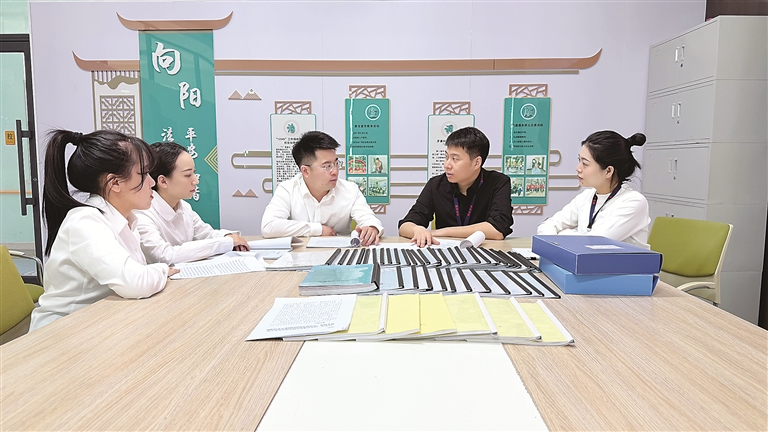
习近平总书记在二十届中央纪委四次全会上强调,加强党的纪律建设是一项经常性工作,要引导党员、 干部把他律转化为自律,内化为日用而不觉的言行准则。纪检监察机关作为党的"纪律部队",必须深学 细悟、笃信笃行,将习近平总书记的重要要求不折不扣落到实处,建立常态化长效化的纪律教育机制, 使纪律教育贯穿干部成长全周期、融入组织管理全过程,真正把纪律规矩转化为政治自觉、思想自觉、 行动自觉。 创新方式方法,增强纪律教育的针对性。纪律教育要入脑入心、取得实效,必须创新方式方法,坚持正 面引导和反面警示相结合,增强教育的穿透力和感染力。一方面,要充分发挥反面典型案例的警示震慑 作用。坚持以案说德、以案说纪、以案说法、以案说责,充分运用本地区本系统查处的典型案例,深入 开展警示教育,通过组织观看警示教育片、组织旁听庭审、召开警示教育大会、参观廉政教育基地等方 式,深刻剖析违纪违法问题的思想根源、制度漏洞,用身边事教育身边人,让党员干部知敬畏、存戒 惧、守底线,实现查处一案、警示一片、治理一域的综合效果。注重分层分类精准施教,针对不同领域 不同群体的思想动态、岗位特性和风险差异,量身定制教育方案,实现精准滴灌,使纪律教育更具针对 ...
业务丛谈丨管住基层小微权力
Zhong Yang Ji Wei Guo Jia Jian Wei Wang Zhan· 2025-11-27 00:24
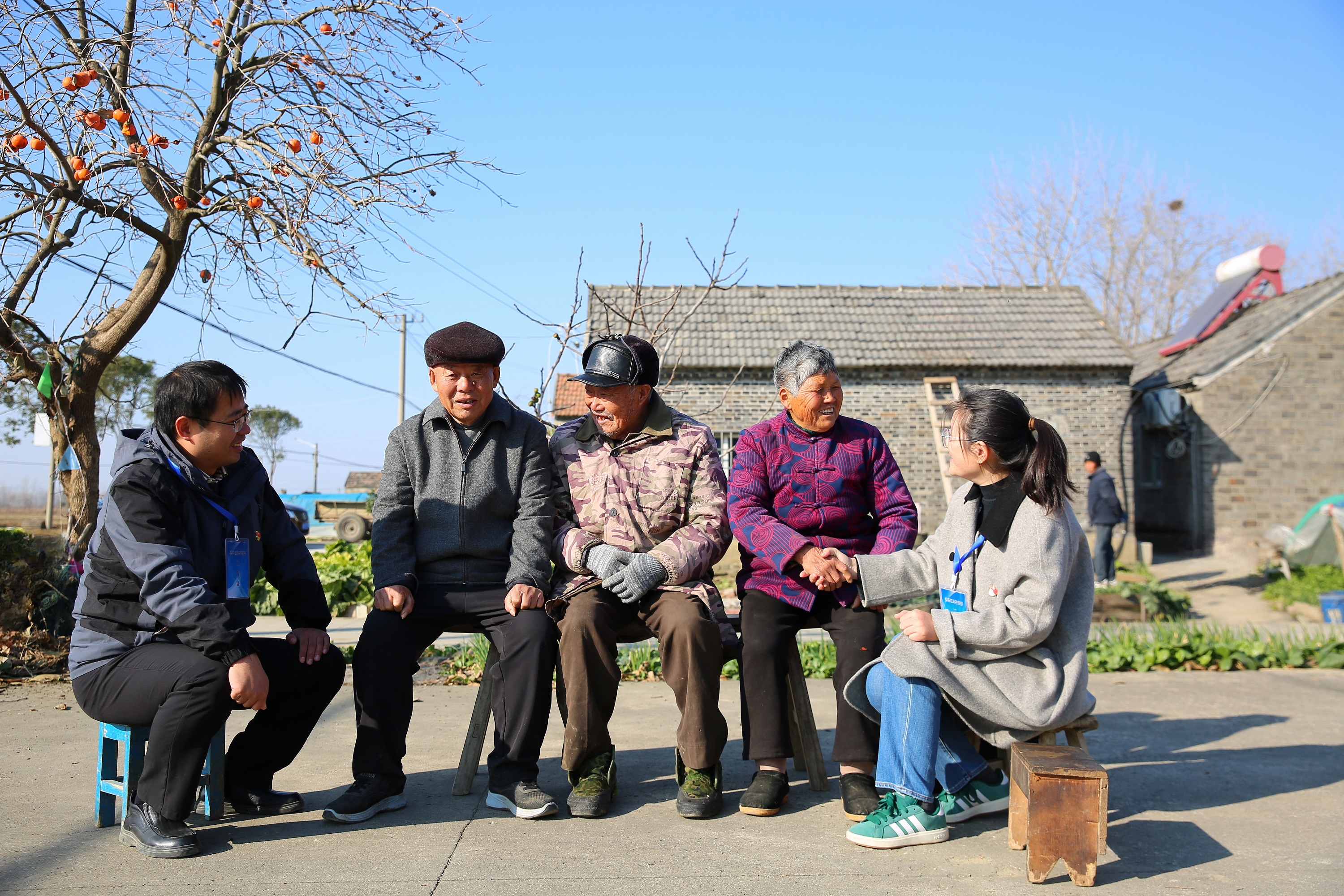
联动监督堵住村级小工程风险漏洞。针对近年来村级建设招投标起始额以下的小规模工程项目腐败问题 多发现象,区纪委监委选取李遂镇作为试点,建强区、镇、村三级监督网络,纵向整合镇、村监督力 量,横向加强与审计、巡察等部门的沟通协调,推动出台村级"小微工程"建设项目管理办法,全面梳理 廉洁风险点,对项目立项、工程发包、合同签订、现场检查、竣工验收、资金审批、监督考核、责任追 究等各环节提出针对性措施,进一步明确标准、理顺流程、厘清责任。试点运行过程中,各村工程项目 决策程序不合规、合同管理不规范、工程发包不透明、工程款拨付监管不严格等问题大幅下降,村 级"小微工程"建设项目管理办法目前已在全区推广实行。 对发现的问题线索进行综合分析研判,通过各监督主体相互补位、分工协作,推动基层力量聚合、工作 机制集成、监督精准有效。(北京市顺义区纪委监委课题组) 科技赋能规范小公章使用管理。村级公章如果管理不严格,就会成为村干部实施套取骗取财政补贴、违 规发包集体土地、违规插手参与工程建设等谋私行为的"通行证",后果严重、影响恶劣。针对此类问 题,区纪委监委选取木林镇作为试点,指导其引入"智慧印章"数字化系统,用电子套筒锁住公章,通 ...
业务丛谈丨做实国有企业政治监督
Zhong Yang Ji Wei Guo Jia Jian Wei Wang Zhan· 2025-11-27 00:24
Group 1 - Political supervision is a crucial guarantee for implementing the party's political line and is a significant political responsibility of the disciplinary inspection and supervision organs [1] - The company focuses on specific, precise, and regular paths for political supervision, emphasizing the implementation of the Party Central Committee's decisions [1] - The company utilizes checklist management to enhance the specificity of supervision, aligning it with core tasks such as power supply assurance, service improvement, energy transition, and technological innovation [1] Group 2 - A systematic mechanism is established to enhance the precision of supervision, creating a "knowledge, supervision, promotion, evaluation" interactive work mechanism [2] - The company issues work guidelines and establishes supervision ledgers to monitor the conduct of leaders and the progress of major projects [2] - The company encourages its 19 affiliated units to conduct supervisory research on emerging fields like new power systems and smart photovoltaic management [2] Group 3 - The company promotes the normalization of supervision through a closed-loop approach, enhancing the transformation of supervisory results and the construction of long-term mechanisms [3] - The application of a smart supervision platform is deepened, optimizing data comparison rules to monitor and warn of abnormal behaviors in real-time [3] - A collaborative working mechanism is established between the disciplinary inspection department and other departments, promoting a closed-loop management system for problem discovery and resolution [3]
学习贯彻二十届中央纪委四次全会精神丨用心用情解决群众身边突出问题
Zhong Yang Ji Wei Guo Jia Jian Wei Wang Zhan· 2025-11-27 00:24
Core Points - The article emphasizes the importance of addressing corruption and misconduct at the grassroots level to enhance public trust and ensure effective governance [4][5][10] - It highlights the need for a collaborative approach among various regulatory bodies to tackle issues related to market supervision, food safety, and public welfare [6][7][8] Group 1: Governance and Oversight - The central government is committed to extending strict party governance to local levels, focusing on eradicating corruption and misconduct that directly affect the public [4][5] - The article discusses the integration of market regulation, intellectual property protection, and drug supervision as essential components for economic stability and public safety [5][8] Group 2: Collaborative Efforts - The article outlines the necessity of inter-departmental cooperation to address food safety issues in schools and rural areas, emphasizing the importance of shared information and coordinated actions [6][7] - It stresses the role of local market supervision departments in identifying and addressing specific issues raised by the public, thereby enhancing the effectiveness of regulatory measures [7][9] Group 3: Public Engagement and Feedback - The article advocates for a proactive approach in engaging with the public to identify problems and develop targeted solutions, ensuring that the voices of the citizens are heard [8][9] - It highlights the importance of maintaining a high level of public satisfaction as a measure of the effectiveness of governance and regulatory efforts [9][10]
理论视野丨把握好坚持依法治国和依规治党有机统一基本要求
Zhong Yang Ji Wei Guo Jia Jian Wei Wang Zhan· 2025-11-27 00:24
Core Viewpoint - Xi Jinping's rule of law thought is a significant innovation in the theory of socialist rule of law with Chinese characteristics, serving as the fundamental guideline for comprehensively governing the country according to the law in the new era [3][4][5] Group 1: Importance of Rule of Law - The rule of law is essential for the modernization of China, providing a foundation for stability and long-term benefits [5] - Comprehensive governance according to the law is a fundamental requirement and important guarantee of socialism with Chinese characteristics, representing a profound revolution in national governance [5][7] - The historical achievements of comprehensive governance according to the law highlight the practical power of Xi Jinping's rule of law thought [4][5] Group 2: Integration of Law and Party Regulations - The concept of "integrating governance according to the law and party regulations" is one of the twelve key principles of Xi Jinping's rule of law thought, emphasizing the political guarantee role of party regulations in national development [6][9] - The integration of governance according to the law and party regulations is crucial for the comprehensive advancement of both, relying on the connection between national laws and party regulations [7][9] - Achieving this integration requires a coordinated approach to improve both the legal system and the party's internal regulations, ensuring they complement and support each other [8][9] Group 3: Legislative and Regulatory Framework - There is a need to enhance the legal framework to provide comprehensive legal norms for governance according to the law, focusing on key areas and emerging fields [8] - The party's internal regulatory system has been significantly improved, aiming to establish a robust framework that supports party governance [8] - Efforts are being made to ensure the coordination and alignment of party regulations with national laws, fostering a mutually reinforcing relationship [9]
时代专论丨高质量发展是全面建设社会主义现代化国家的首要任务
Zhong Yang Ji Wei Guo Jia Jian Wei Wang Zhan· 2025-11-27 00:24
Core Viewpoint - The articles emphasize the importance of high-quality development as a fundamental requirement for China's economic and social progress, aligning with the strategic goals set by the Communist Party under Xi Jinping's leadership [3][9][12]. Group 1: High-Quality Development - High-quality development is highlighted as the central theme for the 14th Five-Year Plan, reflecting a shift from rapid growth to sustainable and quality-focused growth [9][10]. - The concept of high-quality development encompasses various aspects of economic and social development, including innovation, coordination, green practices, openness, and shared benefits [11][12]. Group 2: Systematic Approach - A systematic perspective is essential for promoting high-quality development, requiring forward-thinking, comprehensive planning, and strategic layout [5][6]. - The integration of Marxist methodology with Chinese cultural values is proposed to create innovative strategies for economic development [5][6]. Group 3: People-Centric Focus - The ultimate goal of high-quality development is to enhance the well-being of the people, addressing their needs and aspirations [6][16]. - Policies and economic strategies should prioritize the improvement of living standards and equitable distribution of resources [6][16]. Group 4: New Development Stage - China has entered a new development stage characterized by a transition from high-speed growth to high-quality development, necessitating adjustments in economic strategies [9][10]. - The new normal of economic development includes changes in growth speed, structural optimization, and a shift towards innovation-driven growth [10][11]. Group 5: Market Economy and Governance - The construction of a high-level socialist market economy is essential, emphasizing the balance between market forces and government intervention [19][20]. - Effective market mechanisms should be utilized to enhance resource allocation while ensuring government actions support high-quality development [19][20]. Group 6: Safety and Development Interaction - High-quality development must be coupled with high-level safety, ensuring that economic growth does not compromise national security [20][21]. - The interaction between development and safety is crucial for maintaining stability and promoting sustainable growth [20][21].
深度关注丨海南召开以案促改促治警示教育会 筑牢拒腐防变思想防线
Zhong Yang Ji Wei Guo Jia Jian Wei Wang Zhan· 2025-11-27 00:24
中央纪委国家监委网站 李灵娜 11月6日,习近平总书记在听取海南自由贸易港建设工作汇报时强调,要以永远在路上的清醒和坚定推进全 面从严治党,巩固深入贯彻中央八项规定精神学习教育成果,努力营造风清气正的政治生态。 警示教育是全面从严治党的一项基础性工作,是一体推进不敢腐、不能腐、不想腐的重要一环。11月22日至 23日,海南省领导干部以案促改促治警示教育会暨专题学习培训班在海口举行,深入学习贯彻党的二十届四 中全会精神和习近平总书记在听取海南自由贸易港建设工作汇报时的重要讲话精神,安排与会人员集中观看 警示教育片、阅看警示教育材料、接受专题辅导等,持之以恒推进全面从严治党、净化政治生态。 以案促教—— 教育引导广大党员干部自觉抵制不良风气对党内生活的侵蚀 在海南省委党校学术报告中心,现职省级领导干部、省管领导班子主要负责同志、近期新提拔及进一步使用 的厅级省管领导干部等约336人,不仅同上一堂课,而且同答一张卷,以永远在路上的清醒和坚定,持之以 恒推进全面从严治党和净化政治生态。 以案促改促治警示教育会现场播放的警示教育片,通过多个案例深刻揭示了一个道理:腐败是政治生态最致 命的污染源,净化政治生态必须坚决惩治 ...