
五年规划

Search documents
通胀上行加快
GF SECURITIES· 2026-02-11 07:10
Inflation Trends - January CPI increased by 0.2% month-on-month, marking the second consecutive month of positive growth[2] - Core CPI (excluding food and energy) rose by 0.3% month-on-month, the highest in six months, surpassing similar periods in 2015 and 2018[2] - January PPI increased by 0.4% month-on-month, reaching the highest point since May 2022[3] Year-on-Year Adjustments - The base period adjustment and weight changes slightly impacted year-on-year data, with an estimated effect of 0.06-0.08 percentage points on monthly growth rates[3] - The year-on-year decline in PPI narrowed by 0.5 percentage points, with base period adjustments not being the primary cause[3] Price Movements - Notable price increases in January included tourism-related services (1.8% increase), household appliances (0.7% increase), and communication tools (0.9% increase)[3] - Pork prices saw a month-on-month increase of 1.2%, marking the first positive growth in six months[5] Sector-Specific Insights - Certain sectors like alcoholic beverages and rental housing continued to experience month-on-month declines, indicating a shift in consumer behavior and economic cycles[4] - The PPI for non-ferrous metals rose significantly, with mining and smelting increasing by 5.7% and 5.2% respectively[5] Economic Outlook - The simulated deflation index showed a year-on-year decline from -0.28% to -0.44%, with expectations of improvement in February due to favorable base effects[6] - The macroeconomic environment for 2026 is expected to focus on stabilizing investment and the real estate market, which could influence price dynamics[7]
【广发宏观郭磊】通胀上行加快
郭磊宏观茶座· 2026-02-11 06:58
Core Viewpoint - Inflation is accelerating, with January CPI showing a month-on-month increase of 0.2%, marking the second consecutive month of positive growth. Core CPI, excluding food and energy, rose by 0.3%, the highest in six months, surpassing similar periods in 2015 and 2018. January PPI increased by 0.4%, reaching the highest point since May 2022 [5][6][7]. Group 1: Inflation Data Analysis - January CPI increased by 0.2% month-on-month, consistent with the previous value. Core CPI rose by 0.3%, higher than the previous value of 0.2% and equal to January 2023's 0.4%, marking the highest since August 2025 [6]. - January PPI increased by 0.4%, matching the previous month and reaching the highest level since May 2022. The base period adjustment and weight changes had a minor impact on the data, with an estimated effect of 0.06-0.08 percentage points on month-on-month growth rates [7][8]. Group 2: Price Increases in CPI - Notable month-on-month price increases in CPI include seasonal rises in tourism and service prices, with tourism prices up by 1.8% and service prices up by 0.2%. Specific increases include airfare (5.7%) and travel agency fees (2.0%) [2][8]. - The "CPI within PPI" category for household appliances continued to rise by 0.7%, with year-on-year growth increasing from 5.9% to 6.6%. Communication tools also saw a month-on-month increase of 0.9%, with year-on-year growth at 1.3% [2][8]. - Pork prices experienced their first month-on-month increase in six months, rising by 1.2% in January [2]. Group 3: Price Decreases in CPI - Certain categories, such as alcoholic beverages and rental housing, continued to show month-on-month declines. These categories are significant for the capital market, reflecting shifts in consumer behavior and economic cycles [2][9][10]. Group 4: PPI Price Increases - In January, prices for globally priced non-ferrous metals rose significantly, with non-ferrous metal mining and smelting increasing by 5.7% and 5.2%, respectively. Other sectors, including cement manufacturing and lithium-ion battery production, also saw increases [3][14][15]. - The automotive manufacturing sector reported zero growth, marking the first month without a decline in seven months. Prices in the AI industry chain, particularly for computer communication electronics, rose by 0.5% [3][16]. Group 5: Simulated Deflation Index - The simulated deflation index showed a year-on-year decline from -0.28% to -0.44% due to the timing of the Spring Festival, despite a month-on-month CPI increase. The index is expected to improve in February, potentially returning to around -0.28% [3][16].

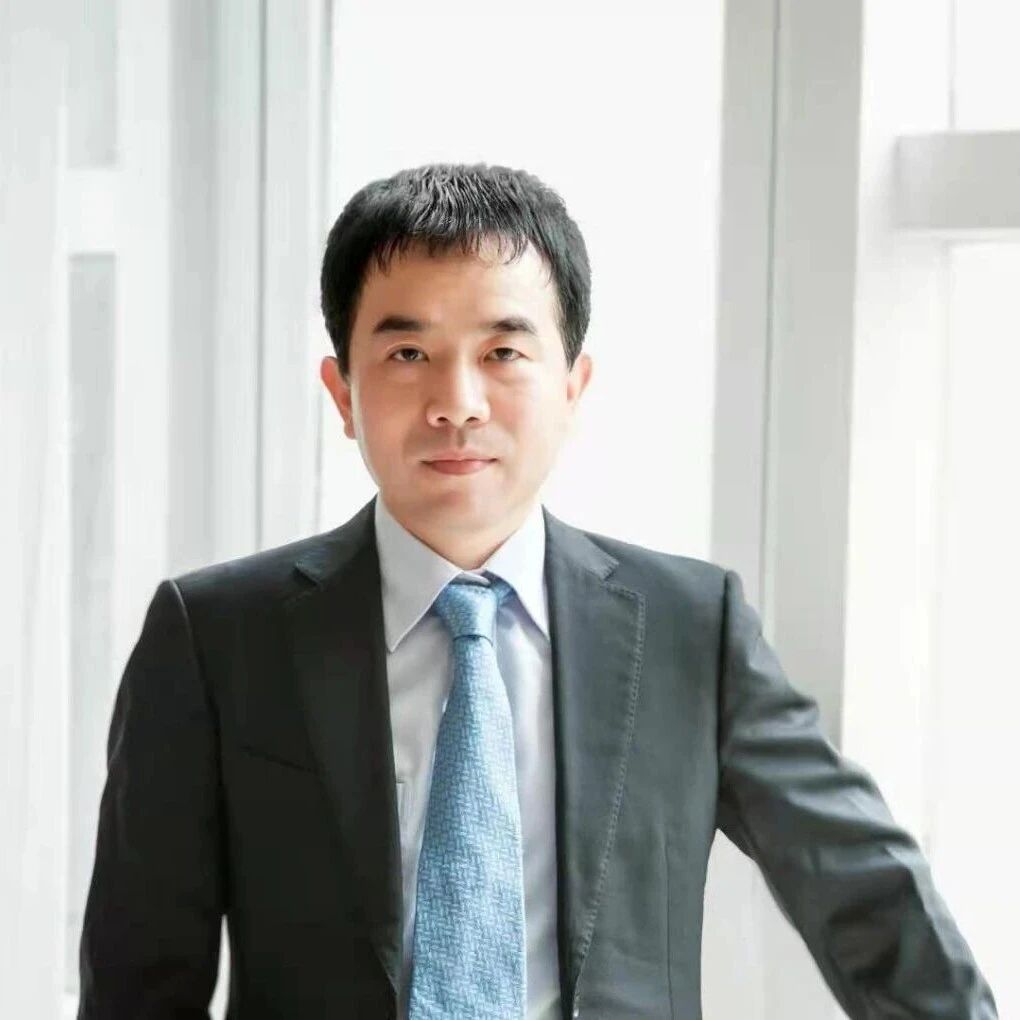
运用好制定实施五年规划的宝贵经验(深入学习贯彻习近平新时代中国特色社会主义思想)
Ren Min Ri Bao· 2026-02-11 01:01
Core Viewpoint - The speech by General Secretary Xi Jinping emphasizes the significance of formulating and implementing five-year plans, highlighting the need for a comprehensive understanding of the strategic deployment from the 20th National Congress of the Communist Party of China [1] Group 1: Centralized Leadership - The adherence to the centralized and unified leadership of the Party is fundamental for achieving victories and provides essential support for the formulation and implementation of five-year plans [2] - The process of five-year planning has consistently involved the Party's leadership, ensuring that the plans align with the Party's policies and directives [2] Group 2: Practical Approach - The importance of a practical approach is stressed, requiring that planning be based on actual conditions and scientific decision-making to reflect objective realities [5][6] - The drafting of the "15th Five-Year Plan" involved extensive research and consideration of local conditions, ensuring that the goals are measurable and realistic [6] Group 3: National Coordination - The concept of a unified national strategy is crucial, ensuring that regional and departmental efforts align with the central decisions of the Party [7][8] - The five-year plans prioritize resource allocation and major projects, facilitating coordinated development across various regions and sectors [7] Group 4: Democratic Participation - The process of formulating five-year plans emphasizes democratic participation and the collection of diverse opinions, reflecting a commitment to engaging with the public and stakeholders [9][10] - The "15th Five-Year Plan" drafting process included extensive consultations with various societal groups, ensuring that the plans resonate with the public's aspirations [11] Group 5: Legal Framework - The adherence to a legal framework in planning is highlighted as a means to ensure the effective implementation of national development strategies [12][14] - The establishment of a comprehensive planning system, supported by legal structures, enhances the coherence and effectiveness of development initiatives [13][14] Group 6: Future Directions - The emphasis on the "five persistences" serves as a guide for future planning, aiming to enhance the forward-looking, guiding, and innovative aspects of development strategies [15]
董煜:运用好制定实施五年规划的宝贵经验
Xin Lang Cai Jing· 2026-02-11 00:12
Core Viewpoint - The article emphasizes the significance of the "Five Persistences" in the formulation and implementation of China's five-year plans, highlighting the importance of centralized leadership, practical approaches, nationwide coordination, democratic participation, and adherence to legal principles in achieving economic and social development goals [1][2][5][12]. Group 1: Centralized Leadership - The article stresses that strong centralized leadership from the Party is fundamental for the success of five-year plans, preventing disunity and ensuring coherent action across the nation [2]. - It outlines the structured process of five-year plan formulation, which includes the Party's guidance, government organization, and legislative approval, ensuring that the plans reflect the collective will of the people [2]. Group 2: Practical Approach - The article highlights the necessity of basing decisions on actual conditions and empirical research, which is crucial for formulating effective and realistic five-year plans [5][6]. - It mentions that the "Fifteen Five" plan incorporates extensive research and local conditions, ensuring that goals are measurable and aligned with the realities of different regions [6]. Group 3: Nationwide Coordination - The article discusses the importance of a unified national strategy in the five-year plans, which allows for prioritized resource allocation and coordinated efforts across various sectors [7][8]. - It provides examples of successful projects under previous plans that have addressed critical issues like poverty alleviation and technological advancement, demonstrating the effectiveness of a coordinated approach [7]. Group 4: Democratic Participation - The article emphasizes the role of democratic engagement in the planning process, where public input and diverse opinions are solicited to enhance the quality and acceptance of the plans [9][10]. - It describes the extensive outreach efforts made during the formulation of the "Fifteen Five" plan, including consultations with various stakeholders to gather insights and suggestions [10][11]. Group 5: Legal Principles - The article asserts that adherence to legal principles in the planning process ensures that the plans are grounded in law, enhancing their legitimacy and effectiveness [12][14]. - It outlines the ongoing efforts to establish a comprehensive planning system that integrates various levels of governance and planning types, ensuring coherence and alignment with national objectives [13][14].
中信证券港股2月展望:春季行情延续 关注三大主线
Zhi Tong Cai Jing· 2026-01-29 01:21
Core Viewpoint - The report from CITIC Securities indicates that the Hong Kong stock market is expected to continue its spring rally from late December 2025, with a focus on large-cap stocks before the Lunar New Year and better performance in growth sectors supported by policy directions [1] Group 1: Market Performance and Trends - The performance expectations for Hong Kong stocks have significantly adjusted, with a slowdown in the downward revision of earnings forecasts since late December 2025 [1] - The average return of the Hang Seng Index during the spring rally over the past eleven years is 2.4%, with a weekly win rate of 70.8%, particularly strong in 2019, 2021, and 2023, averaging a 10.6% increase [2] - The upcoming earnings reports for Hong Kong stocks are expected to be concentrated from late March to early April, indicating a period of performance vacuum [1][2] Group 2: Investment Focus Areas - Short-term investment focus should be on three main lines: 1) "14th Five-Year Plan" policy directions including biomanufacturing, embodied intelligence, and 6G; 2) food delivery platforms and real estate benefiting from policy-driven expectations; 3) non-bank financials benefiting from the spring rally [1] - The "15th Five-Year Plan" is expected to guide long-term investment opportunities, with strategic emerging industries like new energy, new materials, and quantum technology likely to receive policy support [3] Group 3: Liquidity and Market Dynamics - The liquidity outlook for Hong Kong stocks is expected to improve as the market approaches the next peak of stock unlocks, with significant reductions in unlock amounts in January and February 2026 [1] - Historical data shows that net inflows from southbound trading in January and February account for an average of 19.3% and 27.9% of the annual total, respectively [2]

经典常谈丨重视规划 善于规划
Zhong Yang Ji Wei Guo Jia Jian Wei Wang Zhan· 2026-01-27 00:49
Group 1 - The core argument of the articles revolves around the necessity of planned economic development to avoid the inherent contradictions and crises of capitalism, as highlighted by Marx and Engels [1] - Marx and Engels criticized the anarchic nature of capitalist production, emphasizing that without overall planning, economic crises are inevitable [1] - They proposed that a future society should have production means owned collectively, with a planned organization of production to ensure balanced economic development [1] Group 2 - The Chinese Communist Party has established a significant institutional advantage in planning, which has been refined through historical practices of revolution, construction, and reform [2] - Since 1953, China has implemented 14 five-year plans that have significantly contributed to economic development, national strength, and improved living standards [2] - Xi Jinping has emphasized the importance of a sound macroeconomic governance system and the strategic role of national development planning, advocating for a people-centered approach and practical implementation of plans [2]
把政治优势转化为治理效能发展势能——论学习贯彻习近平总书记在省部级专题研讨班开班式上重要讲话
Jing Ji Ri Bao· 2026-01-26 06:01
Core Viewpoint - The article emphasizes the significance of China's five-year plans as a political advantage and a systematic approach to governance, showcasing the ability to adapt and implement strategies effectively in response to changing circumstances [1][2][4]. Group 1: Political Advantages and Governance - The five-year plans reflect the political advantages of the Chinese governance model, allowing for a systematic approach to economic and social development [1]. - China's planning system has received international acclaim for its decisiveness and effectiveness, establishing a robust framework for long-term development [1]. - The plans have evolved to address significant issues at different stages, ensuring continuity and forward-thinking strategies that avoid the pitfalls of policy inconsistency seen in multi-party systems [1][2]. Group 2: Institutional Strengths - The five-year plans demonstrate the institutional advantage of concentrating resources to achieve significant national goals, particularly in heavy industry and technological advancements [2]. - The plans facilitate a better balance between an effective market and a proactive government, addressing the complex relationship between the two [2]. - Since the "Eleventh Five-Year Plan," the shift from "plan" to "planning" signifies a more flexible and responsive governance approach [2]. Group 3: Historical Commitment and Strategic Tasks - The five-year plans represent a historical commitment to long-term goals, marking milestones in China's journey towards national rejuvenation [3]. - The "Fifteenth Five-Year Plan" outlines strategic tasks crucial for advancing Chinese-style modernization, emphasizing the need for effective measures to overcome challenges and enhance strengths [3]. - The plans are designed to ensure strategic initiative and development momentum, reinforcing the importance of sustained efforts over time [3]. Group 4: Leadership and Implementation - Leadership plays a critical role in the success of the five-year plans, with key figures acting as a guiding force for the entire party and society [4]. - The plans encourage broad participation and input from various stakeholders, ensuring alignment with national strategies and local needs [4]. - Effective implementation requires detailed planning, clear responsibilities, and a focus on high-quality outcomes, which are essential for realizing the ambitious goals set forth in the plans [4].
经济日报评论员:把政治优势转化为治理效能发展势能
Jing Ji Ri Bao· 2026-01-26 00:02
Core Insights - The article emphasizes the political advantages and practical experiences of China's five-year planning system, highlighting its effectiveness in governance and development [1][2][4] Group 1: Political Advantages - The five-year planning system is recognized internationally as a powerful planning framework, showcasing China's ability to implement long-term strategies effectively [1] - The system has evolved to address significant issues at different stages of development, ensuring historical continuity and forward-looking strategies [1] Group 2: Institutional Advantages - The five-year planning system allows for the concentration of resources to tackle major projects, which has been crucial for foundational industrial development and technological advancements [2] - The system facilitates a better balance between an effective market and a proactive government, addressing the complex relationship between the two [2] Group 3: Historical Patience - The five-year plans serve as milestones in China's journey towards modernization and national rejuvenation, emphasizing the importance of continuity and strategic execution [3] - Each plan builds upon the previous one, ensuring that strategic tasks are effectively implemented to support modernization efforts [3] Group 4: Leadership and Implementation - The role of leadership is critical in the successful implementation of the five-year plans, with a focus on aligning local initiatives with national strategies [4] - Engaging with societal expectations and local conditions is essential for the effective execution of planning, ensuring that projects meet public needs and leverage regional advantages [4]
创造经得起实践和历史检验的业绩——省部级主要领导干部学习贯彻党的二十届四中全会精神专题研讨班侧记
Xin Hua She· 2026-01-25 00:26
Core Viewpoint - The article emphasizes the importance of the 14th and upcoming 15th Five-Year Plans in guiding China's economic and social development, highlighting the need for strategic planning and implementation to achieve long-term goals [2][4][20]. Group 1: Five-Year Plans and Economic Development - Since the founding of New China, 14 Five-Year Plans have been implemented, contributing significantly to China's rise as the world's second-largest economy [2]. - The National Bureau of Statistics reported that China's GDP is projected to exceed 140 trillion yuan in 2025, with a growth rate of 5.0% compared to the previous year [2]. - The 14th Five-Year Plan has seen China's economy cross several milestones, including 110 trillion, 120 trillion, 130 trillion, and 140 trillion yuan [2]. Group 2: Strategic Importance of Planning - The article outlines the political advantages of Five-Year Plans, including enhancing party leadership, concentrating resources for major initiatives, and ensuring continuity in governance [4]. - Xi Jinping's speech at the seminar highlighted the necessity of maintaining strategic focus and tactical precision in implementing these plans [8]. Group 3: Learning and Adaptation - The article stresses the need for continuous learning among leaders to adapt to complex situations and improve governance capabilities [15]. - It emphasizes the importance of aligning economic development with social improvement, ensuring that policies benefit the populace [14]. Group 4: Balancing Development and Security - The article discusses the need to balance economic growth with national security, particularly in the context of emerging technologies like artificial intelligence [12][11]. - It highlights the importance of a comprehensive approach to development that considers both immediate and long-term challenges [19]. Group 5: Implementation and Execution - The article calls for a focus on practical execution of plans, urging leaders to avoid superficial achievements and instead create lasting benefits for the people [16][20]. - It emphasizes the importance of integrating economic policies with social welfare initiatives to enhance overall quality of life [14].
新华全媒头条|创造经得起实践和历史检验的业绩——省部级主要领导干部学习贯彻党的二十届四中全会精神专题研讨班侧记
Xin Hua She· 2026-01-24 22:35
Core Insights - The article emphasizes the importance of the "Five-Year Plan" as a significant political advantage of the socialist system in China, highlighting its role in guiding the country's governance and development strategies [2][4][6] - The "14th Five-Year Plan" has successfully navigated various economic challenges, with China's GDP projected to exceed 140 trillion yuan in 2025, reflecting a 5% growth from the previous year [2][4] - The speech by General Secretary Xi Jinping at the opening of the seminar underscores the need for strategic planning and the importance of maintaining a long-term vision for national development [3][8] Economic Performance - The "14th Five-Year Plan" period saw China's economy surpass key milestones, crossing the thresholds of 110 trillion, 120 trillion, 130 trillion, and 140 trillion yuan [2] - The focus on high-quality development has strengthened the economy's resilience and stability [2][4] Strategic Planning - Xi Jinping articulated the significance of the "Five-Year Plan" in achieving the party's leadership, concentrating efforts on major tasks, and ensuring continuity in national endeavors [4][6] - The article discusses the necessity of balancing new and traditional industries, emphasizing that while new production capabilities are essential, existing advantages in traditional sectors should not be discarded [12] Governance and Leadership - The article highlights the "Five Persistences" that guide the party's governance, including centralized leadership, practical approaches, and democratic engagement [6] - The importance of a correct view of achievements is stressed, advocating for practical, science-based decision-making that benefits the populace [18][21] Social Development - Economic and social development are interlinked, with the "Five-Year Plan" serving as a framework for integrating economic growth with improvements in people's livelihoods [15][16] - The article notes the need for policies that simultaneously promote economic development and enhance the quality of life for citizens [16] Conclusion - The seminar concluded with participants expressing a commitment to implementing the strategies discussed, focusing on practical actions that align with the "Fifteen Five" objectives for national rejuvenation and development [21]