Zhong Guo Zheng Quan Bao

Search documents
知名机构,集体盯上1900亿龙头
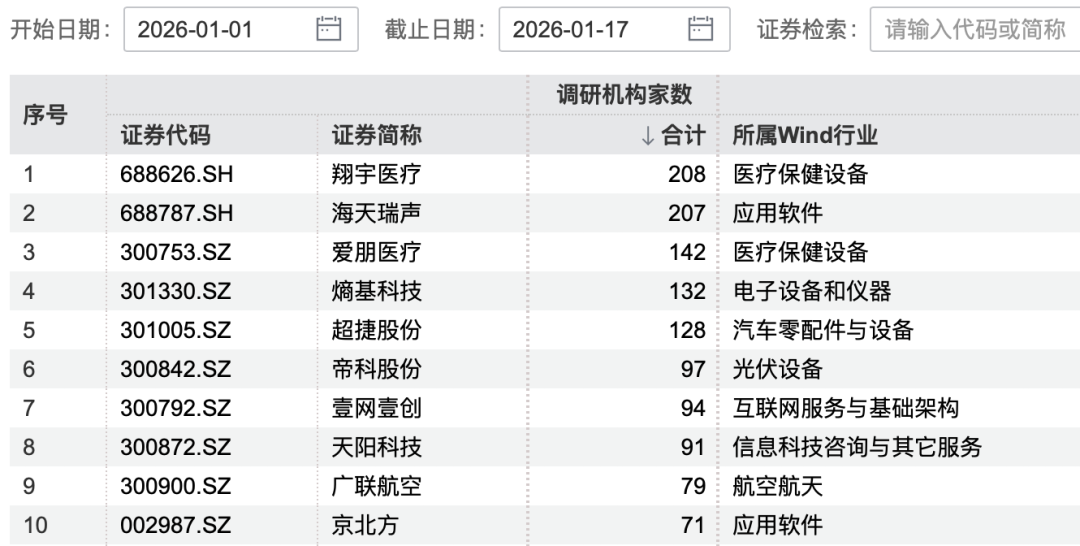
Zhong Guo Zheng Quan Bao· 2026-01-18 14:25
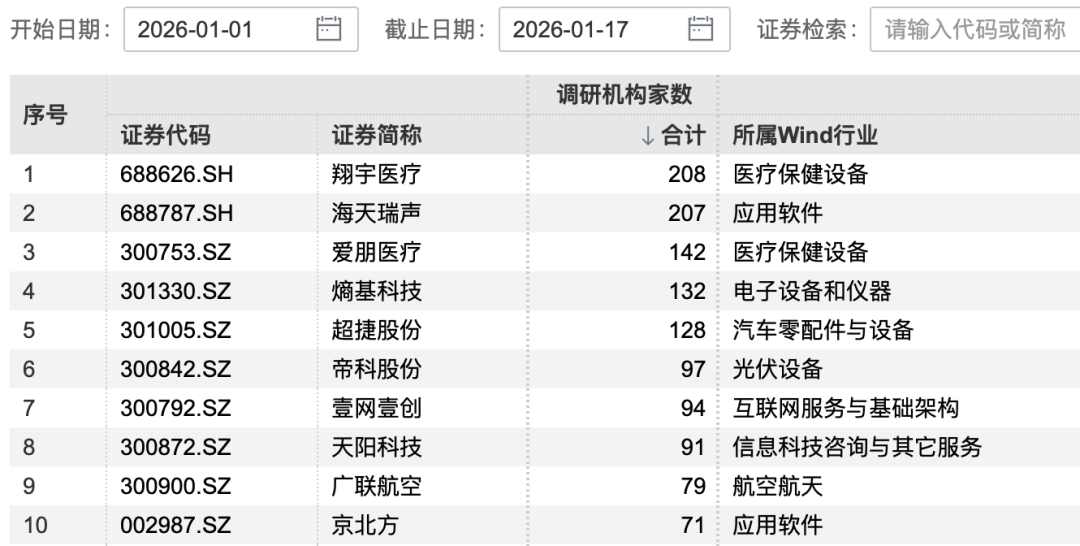
Group 1: Institutional Research Activity - A total of 316 listed companies have disclosed institutional investor research records this year [1][2] - Xiangyu Medical received the highest number of institutional inquiries, totaling 208 [2][3] - Multiple prominent institutions have intensively researched SF Holding, with 35 institutions focusing on it this year [4][6] Group 2: Key Companies and Their Focus Areas - The top ten A-share companies by the number of institutional inquiries include Xiangyu Medical, Haitan Ruisheng, and Aipeng Medical, with inquiries ranging from 132 to 208 [3] - SF Holding has been a focal point for several well-known fund companies, including Huaxia Fund and E Fund, indicating strong interest in its strategic partnership with Jitu Express [4][6] Group 3: Strategic Developments - SF Holding and Jitu Express announced a strategic mutual shareholding agreement with an investment amount of HKD 8.3 billion [8] - The collaboration between SF Holding and Jitu Express has expanded across various levels, enhancing service stability and customer satisfaction in both domestic and international markets [7] Group 4: Brain-Computer Interface Focus - The brain-computer interface sector has gained significant market attention, with companies like Xiangyu Medical and Aipeng Medical actively developing products in this area [10][11] - Xiangyu Medical plans to upgrade 27 core products by mid-2026 and launch nearly 100 brain-computer interface products by the end of 2026 [10] - Aipeng Medical is exploring investments in brain-computer interface technologies, focusing on clinical applications for various mental health conditions [11]


净利大幅预增 超400%!又一券商预喜
Zhong Guo Zheng Quan Bao· 2026-01-18 14:21
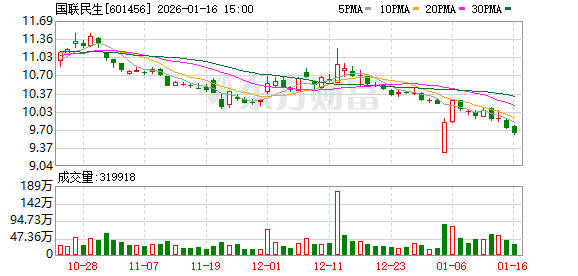
1月18日下午,国联民生发布《2025年度业绩预增公告》。公司预计2025年度实现归属于母公司所有者 的净利润20.08亿元,与上年同期(法定披露数据)相比,将增加16.11亿元,同比增长约406%。 图片来源:公司公告 此前,中信证券、西南证券分别披露业绩快报、业绩预告,2025年受益于资本市场活跃,各项业务显著 增长,业绩得以提升。其中,中信证券2025年净利润达300.51亿元。 国联民生披露的公告显示,预计2025年度实现归属于母公司所有者的扣除非经常性损益的净利润19.44 亿元,与上年同期(法定披露数据)相比,将增加15.63亿元,同比增长约410%。 图片来源:公司公告 针对本期业绩预增的主要原因,国联民生表示,报告期内,公司完成通过发行A股股份的方式收购民生 证券股份有限公司控制权,平稳有序推进公司原有业务与民生证券相关业务的高效整合,并将其纳入财 务报表合并范围。 公司主动把握市场机遇,积极探索科技、金融与产业的深度融合,以"协同赋能"和"内生增长"为主线提 升综合金融服务能力,证券投资、经纪及财富管理等业务条线实现显著增长,同时由于上年同期比较基 数较小,本期经营业绩同比大幅提升。 此前也 ...


容百科技最新回应!涉及是否存在内幕交易、产能是否满足协议需求
Zhong Guo Zheng Quan Bao· 2026-01-18 14:21
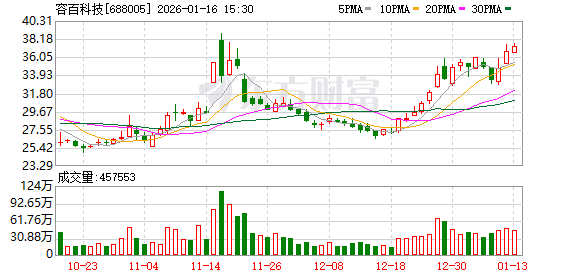
Core Viewpoint - Rongbai Technology has received a notice from the China Securities Regulatory Commission regarding misleading statements related to a significant contract worth 120 billion yuan for lithium iron phosphate cathode materials, indicating potential issues with the accuracy of their disclosures [2]. Group 1: Contract Details and Company Response - The contract's total amount of 120 billion yuan was estimated by the company, and the actual sales amount remains uncertain, highlighting a lack of precision in the original announcement [2]. - The company acknowledged that the original announcement did not adequately warn about potential risks associated with the contract and committed to improving the rigor of its information disclosures in the future [2]. Group 2: Capacity and Financial Planning - The inquiry letter raised concerns about the company's existing lithium iron phosphate production capacity being insufficient compared to the expected supply from the contract, requesting detailed disclosures on annual capacity agreements and future production plans [4]. - To meet anticipated customer orders, the company plans to invest 341.76 million yuan to acquire part of Guizhou Xinren's equity and an additional 140 million yuan for capital increase, with Guizhou Xinren currently having a production line capable of producing 60,000 tons of lithium iron phosphate annually [4]. - The company estimates that capital expenditures of approximately 8.7 billion yuan will be required over the next three years to fulfill the contract, asserting that its financial reserves and financing capabilities are sufficient to support this investment without adversely affecting liquidity or financial status [4]. Group 3: Risk Factors - The company has identified several risks, including the potential inability to meet production demands, fluctuations in raw material prices, and uncertainties regarding actual order volumes compared to forecasted demand [5]. - It is noted that raw material prices may fluctuate during the contract period, with established business conditions for product sales confirmed for 2026, while conditions for subsequent years will be negotiated separately [5]. Group 4: Insider Trading Compliance - The inquiry letter required the company to conduct a self-examination regarding insider trading related to the contract signing and to disclose the results, including a list of individuals with insider knowledge [7]. - The company reported that two individuals involved in the self-examination bought and sold company stock during the period leading up to the contract announcement, but clarified that their trading activities were not directly related to the contract [8].

知名机构 集体盯上1900亿龙头
Zhong Guo Zheng Quan Bao· 2026-01-18 14:20
Core Insights - Institutional enthusiasm for researching listed companies remains high, with 316 companies disclosing investor research records this year [1][2] - The brain-computer interface sector has seen increased attention from institutional investors, with companies like Xiangyu Medical and Aipeng Medical leading in research inquiries [11][12] Group 1: Institutional Research Activity - A total of 316 listed companies have disclosed institutional investor research records this year, with Xiangyu Medical receiving the highest number of inquiries at 208 [2][3] - Other companies with significant institutional interest include Haitan Ruisheng (207 inquiries), Aipeng Medical (142 inquiries), and Shiji Technology (132 inquiries) [3] - Notably, multiple prominent funds have shown concentrated interest in SF Holding, with 35 institutions conducting research on the company [5][6] Group 2: SF Holding and Strategic Partnerships - SF Holding and Jitu Express announced a strategic mutual shareholding agreement on January 15, with an investment transaction amounting to HKD 8.3 billion [9] - The partnership aims to enhance operational synergies, utilizing SF's delivery network in domestic markets and Jitu's established networks in international markets like the Philippines and Saudi Arabia [8] - SF Holding's stock price was reported at CNY 38.81 per share, with a market capitalization of CNY 194.1 billion as of January 16 [10] Group 3: Brain-Computer Interface Developments - Xiangyu Medical plans to upgrade 27 core products by June 2026, integrating brain-computer interface technology to transform passive rehabilitation devices into active ones [11] - Aipeng Medical is focusing on exploring brain-computer interface investments aligned with its strategic direction, emphasizing research in sensors, electrodes, and clinical applications for mental health disorders [12]
京山轻机 回应股票被“ST”
Zhong Guo Zheng Quan Bao· 2026-01-18 14:20
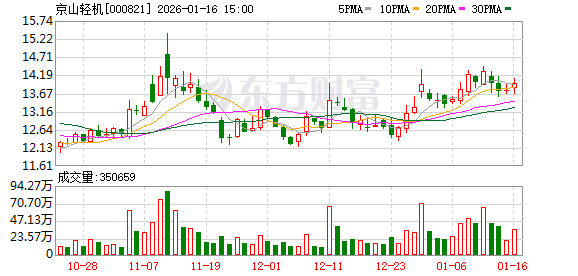
1月18日晚,京山轻机披露关于收到中国证券监督管理委员会湖北监管局《行政处罚事先告知书》整改 情况说明的公告。 1月16日,京山轻机及相关责任人收到湖北证监局出具的《行政处罚事先告知书》,认为公司披露的 《2018年年度报告》存在虚假记载。根据《深圳证券交易所股票上市规则》相关规定,公司股票将被实 施其他风险警示(ST)。公司股票将自1月20日(星期二)开市起被实施其他风险警示,股票简称 由"京山轻机"变更为"ST京机"。本次处罚事项对公司生产经营无重大影响,对财务状况无新增影响。 京山轻机相关负责人告诉中国证券报记者,就此次历史问题给所有投资者、合作伙伴及公众带来的困 扰,公司管理层表示最诚恳的歉意。上述处罚为追溯性程序完结,不涉及当前主营业务,对京山轻机现 有生产经营、财务状况及持续经营能力不构成重大影响。公司运营、订单交付、研发创新等一切正常。 公司已将此次事件视为深刻教训,并立即启动了全面的内控体系升级计划,包括强化对子公司的穿透式 管理、引入智能化风控平台、重塑合规文化,旨在从根源上杜绝类似风险。 财务追溯调整已完成 涉事业务主体已关停。涉事主体慧大成早已关停,与公司当前主营业务及经营体系无任何关联 ...

京山轻机,回应股票被“ST”
Zhong Guo Zheng Quan Bao· 2026-01-18 14:17
登录新浪财经APP 搜索【信披】查看更多考评等级 炒股就看金麒麟分析师研报,权威,专业,及时,全面,助您挖掘潜力主题机会! 1月18日晚,京山轻机披露关于收到中国证券监督管理委员会湖北监管局《行政处罚事先告知书》整改 情况说明的公告。 对生产经营无重大影响 公司在1月18日晚披露的公告中提到,本次处罚对生产经营无重大影响。本次处罚系对上述已完结历史 事项的行政程序性处理。截至该公告披露日,公司各项生产经营活动正常开展,主营的光伏装备业务、 锂电装备业务、包装装备业务经营状况平稳有序,技术研发与市场拓展均按计划推进。该事项不影响公 司当前主营业务的核心竞争力与持续经营能力。 对财务状况无新增影响。公司已于2022年完成财务追溯调整,本次《告知书》所涉事项可能产生的财务 后果已在以往年度报表中充分体现。因此,本次处罚不会对公司当期及未来业绩构成新的重大不利影 响。 1月16日,京山轻机及相关责任人收到湖北证监局出具的《行政处罚事先告知书》,认为公司披露的 《2018年年度报告》存在虚假记载。根据《深圳证券交易所股票上市规则》相关规定,公司股票将被实 施其他风险警示(ST)。公司股票将自1月20日(星期二)开市起被 ...
AI驱动!华图山鼎重构增长逻辑
Zhong Guo Zheng Quan Bao· 2026-01-18 11:47
Core Insights - Huatu's AI transformation is not just a technological upgrade but a reconstruction of its growth logic, marking a new phase driven by AI in the education ecosystem [1] Group 1: Tool-based Foundation - AI is being integrated as an internal efficiency engine, significantly reducing costs and enhancing productivity across core functions such as teaching, research, and operations [2] - The primary goal during this foundational phase is to enhance revenue-generating capabilities through efficiency improvements rather than merely cutting costs [2] - AI has already pre-scheduled over 100,000 class hours, saving approximately 40% in overall class hours and reducing costs by tens of millions, with potential for over 100 million in future optimizations [3] Group 2: Productization for Revenue - Productization is a critical breakthrough in Huatu's AI transformation, focusing on creating sustainable AI products that generate a second growth curve [4] - The "AI Interview Feedback" product has surpassed one million uses within two months, demonstrating rapid market acceptance and effectiveness [4] - The "AI Essay Correction" product has achieved a 100% month-over-month growth in usage for four consecutive months, with a total usage exceeding one million and a retention rate of 91% [4] Group 3: Diversified Breakthroughs - AI serves as a tool for business restructuring and ecosystem expansion, with three key directions for breakthrough: skill transfer for students, activation of business value, and AI companionship [5] - The transformation aims to convert high-cost, low-capacity training into low-cost, scalable standardized products, addressing the education industry's "impossible triangle" of quality, cost, and personalization [5] - The company plans to evolve its services from course offerings to a comprehensive model that includes AI products, hardware, and subscription services, potentially doubling or tripling user lifetime value [5][6] Group 4: AI Transformation Background - Huatu's commitment to AI is characterized by an "All in" approach, with no budget limits for its AI department, indicating a strong belief in the transformative potential of AI [7] - The company aims to implement 150 AI scenarios across teaching, research, and operations by 2025, supported by a robust foundation of high-quality data and intelligent tools [7][8] - Huatu has developed a dual-driven technology base with over 80 top domestic and international models, ensuring a comprehensive and innovative approach to AI integration [8] Group 5: Talent and Team - The company has assembled a team with deep industry knowledge and AI expertise, which is crucial for the rapid advancement of its AI initiatives [9] - The combination of academic background and practical experience within the team is seen as a key factor in Huatu's ability to successfully navigate its AI transformation [9]

小股东持股参会遭拒!新乡化纤股东大会进门难
Zhong Guo Zheng Quan Bao· 2026-01-18 11:47
Core Viewpoint - The article highlights the issue of a small shareholder being denied access to the temporary shareholders' meeting of Xinxiang Chemical Fiber Co., Ltd., raising concerns about shareholder rights and the company's compliance with regulations [1][4]. Group 1: Shareholder Meeting Incident - On January 15, 2026, Xinxiang Chemical Fiber held its first temporary shareholders' meeting, where a small shareholder was denied entry due to alleged non-compliance with identity verification requirements [1][2]. - The shareholder had purchased 100 shares on January 5, 2026, and provided necessary documentation to prove ownership, but the company staff rejected the documents as insufficient [2][3]. - The company offered a "substitute solution" allowing the shareholder to listen to the meeting without voting rights, which was refused by the shareholder [2][3]. Group 2: Legal Implications - Legal experts indicated that the refusal to allow the shareholder to attend the meeting could render the meeting's validity questionable, as all registered shareholders have the right to attend and vote [4]. - The lawyers emphasized that companies must ensure fair access to meetings and cannot impose unreasonable restrictions on shareholder participation [4]. Group 3: Company Performance - Xinxiang Chemical Fiber primarily engages in the production and sale of chemical fibers, including biomass cellulose filament and spandex fibers [5]. - For the first three quarters of 2025, the company reported revenue of 5.74 billion yuan, a year-on-year increase of 3.28%, while the net profit attributable to shareholders decreased by 51.42% to 94.25 million yuan [5]. - The company undertook a production line modification starting October 1, 2025, which was expected to reduce revenue by approximately 185 million yuan and total profit by about 48 million yuan, with normal production resuming on January 1, 2026 [5]. - As of January 16, 2026, the company's stock price was 6.16 yuan per share, with a market capitalization of 10.5 billion yuan [5].

明日复牌!锋龙股份提示风险
Zhong Guo Zheng Quan Bao· 2026-01-18 11:43
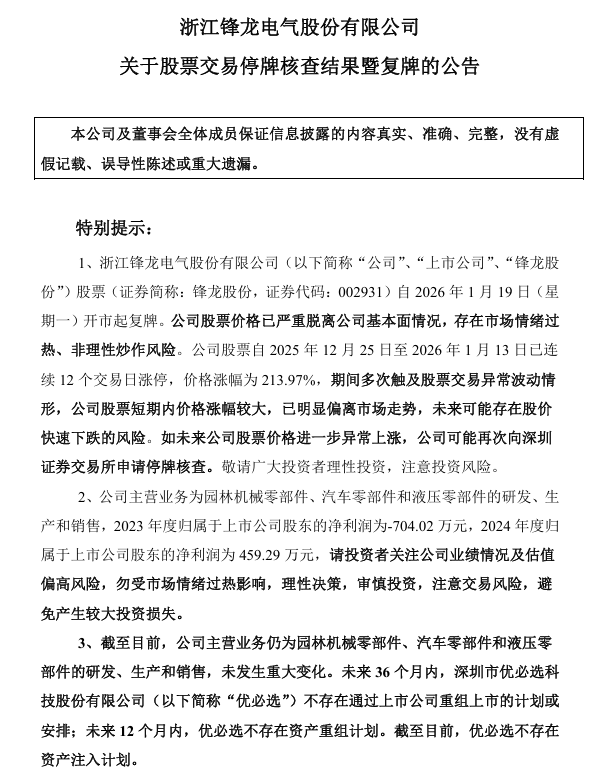
1月18日晚,锋龙股份(002931)披露关于股票交易停牌核查结果暨复牌的公告。 公告显示,经公司申请,公司股票自1月14日(星期三)开市起停牌。停牌期间,公司就股票交易波动 情况进行了核查。公司的市盈率和市净率显著高于行业平均水平,存在明显非理性炒作风险。目前,相 关核查工作已完成,根据相关规定,经公司向深交所申请,公司股票自1月19日(星期一)开市起复 牌。 市盈率和市净率 显著高于行业平均水平 根据公告,公司股票自2025年12月25日至2026年1月13日已连续12个交易日涨停,价格涨幅为 213.97%,期间多次触及股票交易异常波动情形,已明显偏离市场走势,公司股票短期内价格涨幅较 大,已严重背离公司基本面。截至1月13日,公司收盘价61.79元/股,静态市盈率为2939.63,市净率 14.21。公司的市盈率和市净率显著高于行业平均水平,存在明显非理性炒作风险,未来可能存在股价 快速下跌的风险。 图片来源:公司公告 公司主营业务为园林机械零部件、汽车零部件和液压零部件的研发、生产和销售,2023年度归属于上市 公司股东的净利润为-704.02万元,2024年度归属于上市公司股东的净利润为459.2 ...

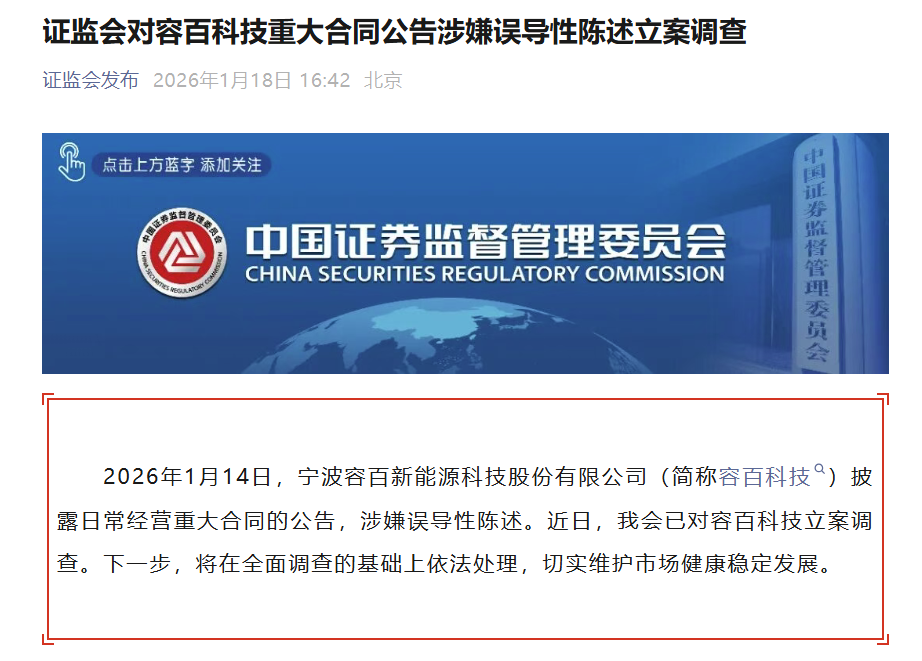
证监会立案!容百科技被调查
Zhong Guo Zheng Quan Bao· 2026-01-18 09:17
Group 1 - The China Securities Regulatory Commission (CSRC) has initiated an investigation into Ningbo Rongbai New Energy Technology Co., Ltd. for allegedly misleading statements related to significant operational contracts disclosed on January 14 [1][4] - The CSRC aims to ensure the healthy and stable development of the market through comprehensive investigations and legal actions [1] Group 2 - The CSRC has also launched an investigation into Zhejiang Sunflower Health Technology Co., Ltd. due to misleading statements in its restructuring proposal disclosed on September 22, 2025, which raised market concerns regarding actual production capacity and business model [6] - Additionally, the CSRC is investigating Ningbo Tianpu Rubber Technology Co., Ltd. for significant omissions in announcements related to abnormal stock price fluctuations, emphasizing the need to maintain market order [6]