
Bei Ke Cai Jing

Search documents
销售价格下降、竞争加剧,天坛生物今年前三季度增收不增利
Bei Ke Cai Jing· 2025-10-27 11:44
Core Viewpoint - Tian Tan Biological Products Co., Ltd. reported an increase in revenue but a decrease in net profit for the first three quarters of 2025, indicating challenges in the blood products industry such as declining product prices and intensified competition [1][2]. Financial Performance - For the first three quarters of 2025, the company achieved total revenue of 4.465 billion yuan, a year-on-year increase of 9.62%, while net profit attributable to shareholders was 819 million yuan, a decline of 22.16% [2]. - In Q3 2025, revenue was 1.355 billion yuan, up 9.96% year-on-year, but net profit fell to 186 million yuan, down 42.84% [2]. - The company's gross profit margin for the first three quarters was 43.81%, down from 45.4% in the first half of the year and 54.7% in 2024 [2]. Industry Context - The blood products industry is facing pressure, with many companies reporting declining profits due to factors such as falling product prices, increased market competition, and the impact of imported products [5][7]. - Tian Tan Biological has maintained a leading position in the industry, with revenue growing from 3.282 billion yuan in 2019 to 6.032 billion yuan in 2024, and net profit increasing from 611 million yuan to 1.549 billion yuan during the same period [5][6]. Operational Insights - The company relies on sufficient plasma collection from its blood plasma stations to maintain profitability, with a total of 107 plasma stations, of which 85 are operational, collecting 1,361 tons of plasma, representing about 20% of the domestic market [7]. - The competitive landscape in the blood products sector is described as very intense, necessitating continuous innovation and enhancement of competitive advantages for companies like Tian Tan Biological [8].

万孚生物今年前三季度归母净利润下滑近70%
Bei Ke Cai Jing· 2025-10-27 11:44
Core Viewpoint - The in vitro diagnostic industry is currently in a consolidation phase, leading to significant performance pressure on Wanfu Biology, with substantial declines in revenue and net profit reported for the third quarter of the year [1][5]. Financial Performance - For the first three quarters of the year, Wanfu Biology achieved revenue of 1.69 billion yuan, a year-on-year decline of 22.52% [1]. - The net profit attributable to shareholders was 134 million yuan, down 69.32% year-on-year [1]. - In the third quarter alone, revenue and net profit saw declines of 26.66% and 169.21%, respectively [1]. Business Segments - The company's business segments, including infectious disease monitoring, chronic disease management, and prenatal testing, all experienced double-digit declines in the first half of the year, with only drug abuse testing showing slight growth [4]. - The decline in infectious disease testing was attributed to lower overall prevalence and medical load of respiratory infectious diseases compared to the previous year [4]. - Prenatal testing performance was negatively impacted by a decrease in birth rates [4]. - Chronic disease management testing faced challenges due to industry policy adjustments, leading to reduced testing volumes and prices [4]. Market Environment - The in vitro diagnostic industry is facing multiple challenges, including intensified competition and weakened demand, resulting in a complex and severe market environment [3][5]. - Factors such as centralized procurement, adjustments in terminal fees, VAT rate changes, and unbundling of testing packages have contributed to pressure on both volume and price [5]. Growth Opportunities - Despite the challenges, Wanfu Biology has launched new products, including a successful norovirus testing kit and wet blood gas products, which may provide new growth points for future performance [5]. - The company reported a rapid growth in sales of glycosylated hemoglobin testing products, driven by a policy that includes this testing in free health check-ups for seniors aged 65 and above [4]. - The recent relaxation of regulations on clinic testing businesses is expected to facilitate the expansion of POCT devices in grassroots medical settings [4]. Research and Development - In the first three quarters, Wanfu Biology invested 265 million yuan in research and development, maintaining a high level of investment despite a slight year-on-year decrease [6]. Stock Performance - On October 27, Wanfu Biology's stock opened at 21.03 yuan per share and closed at 21.24 yuan, reflecting a decline of 3.06% [6].

李云泽:强化重大项目资金供给,助推消费扩容升级
Bei Ke Cai Jing· 2025-10-27 10:02
Core Viewpoint - The head of the National Financial Supervision Administration, Li Yunze, emphasized the importance of enhancing major project funding to support the expansion and upgrading of consumption, aligning with the strategy to boost domestic demand [1]. Group 1 - The National Financial Supervision Administration is focusing on strategies to expand domestic demand [1]. - There is a commitment to strengthen funding for major projects [1]. - The initiative aims to promote the expansion and upgrading of consumer spending [1].
李云泽:将一如既往推动更多金融政策在京先行先试
Bei Ke Cai Jing· 2025-10-27 09:56
Group 1 - The core viewpoint is that the National Financial Regulatory Administration will continue to promote more financial policies to be piloted in Beijing, aiming to support the high-quality development of the capital's economy and society [1] Group 2 - The statement was made during the opening ceremony of the 2025 Financial Street Forum Annual Meeting [1] - The head of the National Financial Regulatory Administration, Li Yunze, emphasized the commitment to advancing financial policies [1]
璞泰来第三季度归属股东净利润同比增长69.3%
Bei Ke Cai Jing· 2025-10-27 09:09
Core Insights - The company reported a revenue of 3.742 billion yuan for the third quarter, representing a year-on-year increase of 6.66% [1] - The net profit attributable to shareholders for the third quarter was 645 million yuan, showing a significant year-on-year growth of 69.30% [1] - For the first three quarters, the company's total revenue reached 10.83 billion yuan, with a year-on-year growth of 10.06% [1] - The net profit attributable to shareholders for the first three quarters was 1.7 billion yuan, reflecting a year-on-year increase of 37.25% [1]

株冶集团第三季度归属股东净利润同比增长29.36%
Bei Ke Cai Jing· 2025-10-27 08:56
Group 1 - The core viewpoint of the article is that Zhuye Group reported positive financial results for the third quarter and the first three quarters of the year, indicating growth in both revenue and net profit [1] Group 2 - In the third quarter, the company's revenue was 5.637 billion yuan, representing a year-on-year increase of 5.84% [1] - The net profit attributable to shareholders for the third quarter was 273 million yuan, showing a year-on-year growth of 29.36% [1] - For the first three quarters, the total revenue reached 16.048 billion yuan, with a year-on-year increase of 11.54% [1] - The net profit attributable to shareholders for the first three quarters was 858 million yuan, reflecting a year-on-year growth of 47.51% [1]

首部老年营养食品国标征求意见,千亿市场面临哪些机遇和挑战?
Bei Ke Cai Jing· 2025-10-27 07:53
Core Points - The National Food Safety Standard for Elderly Nutritional Supplements is the first of its kind in China, specifically targeting individuals aged 60 and above [1][2] - The draft includes regulations such as banning hydrogenated oils, mandatory addition of 10 essential nutrients for the elderly, and warning labels stating that the products cannot replace normal diets [1][3] - The introduction of this standard is expected to improve the currently chaotic elderly food market in China, which is projected to grow from 87.6 billion yuan in 2023 to over 143.9 billion yuan by 2028 [1][4] Industry Overview - As of the end of 2023, the population aged 60 and above in China reached approximately 296.97 million, accounting for 21.1% of the total population [4] - The elderly nutritional market is characterized by a variety of products, including nutritional supplements, functional foods, and special medical purpose formula foods, with stable demand for products like middle-aged and elderly milk powder [4][12] - The market currently lacks a unified standard, leading to labeling chaos where some products marketed for the elderly do not meet their specific nutritional needs [5][6] Regulatory Insights - The draft standard defines "elderly nutritional supplements" as special dietary foods made from dairy or soy products, with specific nutrient requirements based on the physiological characteristics and nutritional needs of the elderly [2][3] - The daily recommended intake for these supplements is capped at 50 grams, with a minimum protein content of 20% of the total product weight [2][3] - The standard aims to address issues of inconsistent nutrient ratios and improve product quality by enforcing strict ingredient and labeling requirements [3][8] Market Dynamics - The elderly nutrition market is experiencing a compound annual growth rate of 9.64%, with significant growth potential due to the increasing elderly population and their specific nutritional needs [4][10] - Major players in the market include brands like Yili, Nestlé, and Abbott, which are focusing on developing products tailored to the health needs of the elderly [12][14] - The introduction of the national standard is expected to streamline the approval process for elderly nutritional products, making it easier for legitimate companies to enter the market [9][10] Challenges and Opportunities - The market faces challenges such as a lack of specialized standards, inconsistent raw material quality, and arbitrary nutritional formulations [6][10] - There is a growing demand for high-protein, low-GI, and easy-to-swallow products to address the nutritional deficiencies and swallowing difficulties faced by the elderly [15] - The industry is shifting towards high-value products and raw materials, driven by changing consumer demands for healthier options [15]

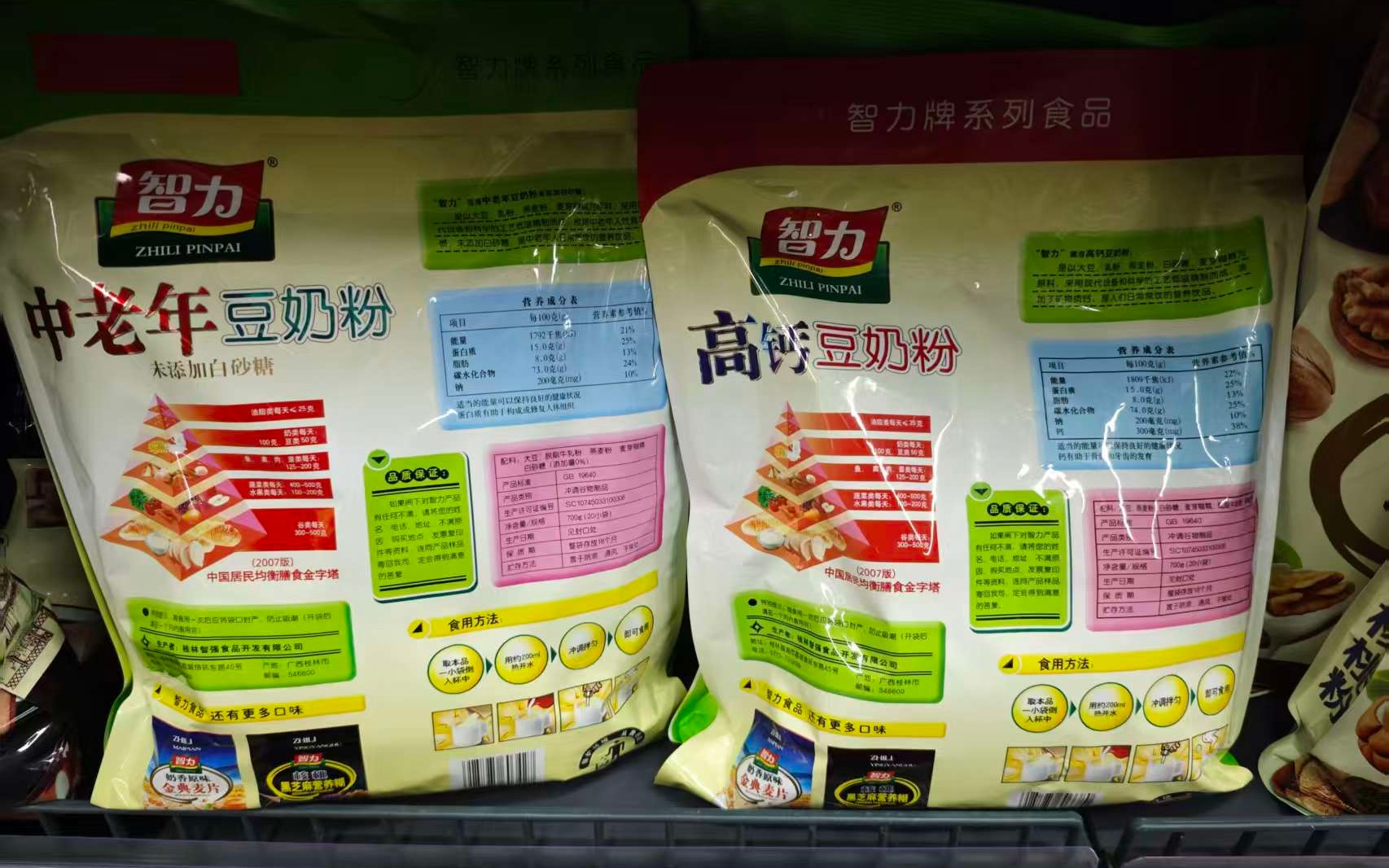
中老年营养食品怎么选?专家:“养老”需从备老开始
Bei Ke Cai Jing· 2025-10-27 07:53
Core Insights - The aging population in China is increasing, with 21.1% of the population aged 60 and above by the end of 2023, and projections indicate that over 10% will be aged 80 and above by around 2050 [1] - There is a growing demand for nutritional products tailored for the elderly, including functional foods, dietary supplements, and special medical purpose foods [1][6] Group 1: Nutritional Needs of the Elderly - The elderly population faces various nutritional deficiencies, particularly in protein, vitamins A, B, C, and D, and minerals like calcium and selenium [3][5] - Recommendations for the elderly include a balanced diet with diverse food sources, adequate protein intake (65g for men and 55g for women), and daily calcium and vitamin D intake of 800mg [3][5] - The report emphasizes the importance of maintaining a healthy weight, regular meal patterns, and adequate hydration [5] Group 2: Nutritional Challenges by Age Group - Individuals aged 45 to 64 are at high risk for diabetes and blood lipid abnormalities, necessitating lifestyle interventions [2] - Those aged 65 to 79 often experience structural imbalances in macronutrient intake, with high carbohydrate and fat consumption but insufficient protein [4] - For those aged 80 and above, there is a significant shortfall in vegetable, fruit, and dairy intake, with a notable disparity between urban and rural populations [4] Group 3: Types of Nutritional Products - The elderly nutrition market includes dietary supplements, functional foods, and special medical purpose foods, such as protein powders and calcium supplements [6] - Ordinary foods provide basic nutrition without health claims, while special medical purpose foods are designed for specific health needs and require regulatory approval [7][8] - Health supplements must be chosen carefully, with attention to their claims, ingredients, and the necessity of supplementation based on dietary intake [9]
中国联通北京市分公司原党委委员、副总经理郭建利接受审查调查
Bei Ke Cai Jing· 2025-10-27 07:49
Group 1 - The Central Commission for Discipline Inspection and the National Supervisory Commission reported on October 27 that Guo Jianli, former member of the Party Committee and Vice General Manager of China Unicom Beijing Branch, is under investigation for serious violations of discipline and law [1] - Guo Jianli is currently undergoing disciplinary review by the Central Commission for Discipline Inspection and the National Supervisory Commission stationed at China Unicom, as well as an investigation by the Jining Municipal Supervisory Committee in Shandong Province [1]

不同年龄段男人如何应对“前列腺危机”?专家详解
Bei Ke Cai Jing· 2025-10-27 07:42
Core Viewpoint - The article discusses the importance of prostate health across different age groups, emphasizing the need for awareness, early detection, and appropriate treatment methods for prostate-related issues in men. Group 1: Prostate Health in Young Men (20+) - Prostatitis is often misunderstood as a result of poor lifestyle choices rather than a sexually transmitted disease, with bad habits being the primary cause [2] - Prolonged sitting can compress the prostate, leading to poor blood circulation and inflammation; it is recommended to take breaks every hour [3] - Consumption of spicy foods and alcohol can cause blood vessel dilation in the pelvic area, exacerbating discomfort [4] - Stress and anxiety can lead to muscle spasms affecting the prostate, resulting in frequent urination despite low fluid intake [5] - Insufficient water intake and holding urine can lead to concentrated urine irritating the prostate; symptoms may include pain in the perineum and lower back [6] Group 2: Prostate Health in Middle-Aged Men (40+) - Prostate cancer is often referred to as a "silent killer" due to its asymptomatic early stages; regular PSA testing is crucial for early detection [7][9] - PSA tests and B-scan ultrasounds serve different purposes; PSA levels indicate internal prostate health, while B-scan assesses external changes [8] - Men with a family history of prostate cancer should start annual PSA testing and digital rectal exams at age 45, while others should begin at 50 [9] Group 3: Prostate Health in Older Men (70+) - Benign prostatic hyperplasia (BPH) is a common condition in older men, resulting from hormonal changes that cause prostate enlargement [10] - Mild symptoms can often be managed through lifestyle adjustments, such as reducing fluid intake before bed and avoiding diuretics [11] - Moderate symptoms may require medication like alpha-blockers to relax prostate muscles, while severe cases may necessitate minimally invasive surgical procedures [12]