思宇MedTech

Search documents
医械巨头砸下64亿,只为一块“更可控”的组织修复材料
思宇MedTech· 2025-11-22 01:11
Core Viewpoint - Solventum is actively reshaping its growth trajectory through a strategic acquisition of Acera Surgical for up to $900 million, signaling a shift from a contraction phase post-split to an active growth phase [2][17]. Acquisition Details - The acquisition consists of $725 million in cash and up to $125 million in milestone payments, indicating a significant investment for a newly independent medical giant [2]. - Solventum will finance the acquisition entirely with existing cash reserves, avoiding new debt, which demonstrates strong financial health [2][16]. Acera Surgical Overview - Acera is a small but rapidly growing company expected to achieve approximately $9 million in revenue by 2025, focusing on high-margin, clinically relevant products [4][5]. - The Restrata series from Acera, which includes synthetic tissue matrices, targets complex and high-cost clinical scenarios, such as acute wounds and reconstructive surgeries [4][5]. Strategic Rationale - The acquisition is not about scaling but rather a strategic move to enhance capabilities in high-barrier product categories, aligning with Solventum's core strengths in material science [5][6]. - Acera's technology aligns with Solventum's existing capabilities, particularly in engineered materials, which are crucial for future growth [6][9]. Market Positioning - The transaction positions Solventum in a high-value segment of the market, competing directly with established players like Integra LifeSciences in complex wound care [12]. - This move reflects a broader industry trend where competition is shifting from equipment solutions to materials and tissue repair, emphasizing the importance of engineered materials [12][16]. Financial Implications - The acquisition is expected to slightly dilute profits in 2026 but is projected to enhance earnings per share (EPS) from 2027 onwards, indicating a long-term growth strategy [5][6]. - Alongside the acquisition, Solventum announced a $1 billion share repurchase plan, reinforcing its financial stability and commitment to shareholder returns [2][16]. Future Outlook - The acquisition of Acera is seen as a foundational step for Solventum to define its future direction, focusing on high-margin, engineered materials that can drive growth in the MedSurg sector [13][19]. - As the market for synthetic tissue repair materials expands, Solventum is positioning itself to leverage its material science expertise for sustained growth [18][19].



从1到0 ,新征程 ,再出发!——上海交大医健未来共创会邀你同行
思宇MedTech· 2025-11-22 01:11
上海交通大学医学院医健未来校友共创会 暨医健未来领军人才班第十期开学典礼 -场为医健未来领军者打造的 「思想归零」与 生态链接」盛会 思宇MedTech 医工交叉、科技创新 追踪全球医疗科技创新动态,讲好中国器械创新故事, 链接临床、资本、渠道与监管,以新质生产力推动高质量发展。 Global insight. Chinese innovation. Industry connection 上海交通大學窗學院 SHANGHAI HAO TOXE UNIVERSITY SCHOOL OF MEDICISE 医健未来 新征程 E. 活动流程 ▶ 12月6日上午场 开学典礼 ·荣耀传承与时代新章 十年征程,光影铭刻 序是 启幕 解读「从1到0」的领军者哲学 交医使命与产业未来的交响 高好 师说心语:体系化培养的方法与展望 传承 瑞金医院揭秘临床创新前沿 洞见 校友生态共同体宣言 凝聚 亮相 第十期新生军团全景展示 发布 三大校友俱乐部纳新 ▶ 12月6日下午场 生态共创会 ·资源破壁与未来共筑环 详创 三 期 共创"生态星空图" 工作坊 -: 如何跨越从"实验室"到"生产线"的死亡之谷? 工作坊二: "分证 创新技 ...

高管变动!美敦力迎来新任CTO
思宇MedTech· 2025-11-21 07:08
Core Viewpoint - The appointment of Jim Peichel as the new Chief Technology Officer (CTO) of Medtronic marks a significant leadership transition within the company, emphasizing internal growth and continuity in technology leadership [2][5][8]. Group 1: Jim Peichel's Career Path - Jim Peichel joined Medtronic in 1999 as a software engineering intern and has since progressed through various roles, including project leader and platform development head, particularly in the cardiac rhythm management and electrophysiology sectors [3][4]. - Peichel's career trajectory exemplifies a typical internal promotion from a technical background, highlighting his long-term commitment to the company's engineering teams [4][8]. Group 2: Timing of the Appointment - Peichel's appointment comes shortly after Medtronic reported better-than-expected financial results, with the cardiovascular business experiencing a 10.8% year-over-year growth, making it the fastest-growing segment of the company [5]. - His role as CTO will involve continuing the engineering and product development of key technologies that have driven this growth, ensuring technical collaboration across business units [5][9]. Group 3: Transition from Previous CTO - The transition follows the retirement of former CTO Ken Washington, who had a diverse background in technology leadership from companies like Ford and Amazon Robotics [6][7]. - Peichel's internal promotion represents a natural and expected transition in leadership style, focusing on stability and continuity in Medtronic's technical management [7][8]. Group 4: Future Challenges - Moving forward, Peichel will face the challenge of balancing innovation pace, business growth, and engineering efficiency during his tenure as CTO [9].


163亿!GE医疗又一重磅收购
思宇MedTech· 2025-11-21 07:08
Core Viewpoint - GE HealthCare announced a $2.3 billion cash acquisition of Intelerad, marking its largest software-related acquisition since its spin-off and a significant move in the imaging IT sector [2][4]. Group 1: Strategic Intent - The acquisition signifies GE HealthCare's shift from a "device logic" to a "cloud logic" approach in imaging, with SaaS as a key growth driver [2][4]. - GE HealthCare views Intelerad as integral to its future strategy, not merely as a product line addition, emphasizing the importance of recurring revenue models over traditional cyclical equipment sales [6][7]. - The deal is characterized as a purchase of a business model and future cash flow quality rather than just scale [7][9]. Group 2: Financial Projections - Intelerad is projected to generate approximately $270 million in revenue by 2026, with around 90% expected to be sustainable recurring revenue [8]. - The EBITDA margin is anticipated to exceed 30%, indicating a robust financial health typical of software companies [8]. Group 3: Market Dynamics - The imaging industry is experiencing structural changes, with outpatient networks and independent imaging centers growing faster than traditional hospital settings [14][21]. - The core challenge in the imaging sector is the fragmentation of data and workflows, which Intelerad's unified workflow capabilities aim to address [16][17]. Group 4: Synergy and Integration - The acquisition is not merely about product expansion but about creating a comprehensive imaging ecosystem that integrates hospital and outpatient capabilities [22][23]. - GE HealthCare's existing strengths in hospital imaging and AI can be enhanced by Intelerad's cloud-based workflow solutions, facilitating a transition to a multi-setting imaging network [25]. Group 5: Future Outlook - The timing of the acquisition aligns with a pivotal moment in the imaging industry, as demand for imaging services continues to rise while traditional hospital capacities become saturated [14][18]. - This transaction is expected to redefine the competitive landscape in the imaging sector, positioning GE HealthCare as a leader in cloud-based imaging solutions [23][24].


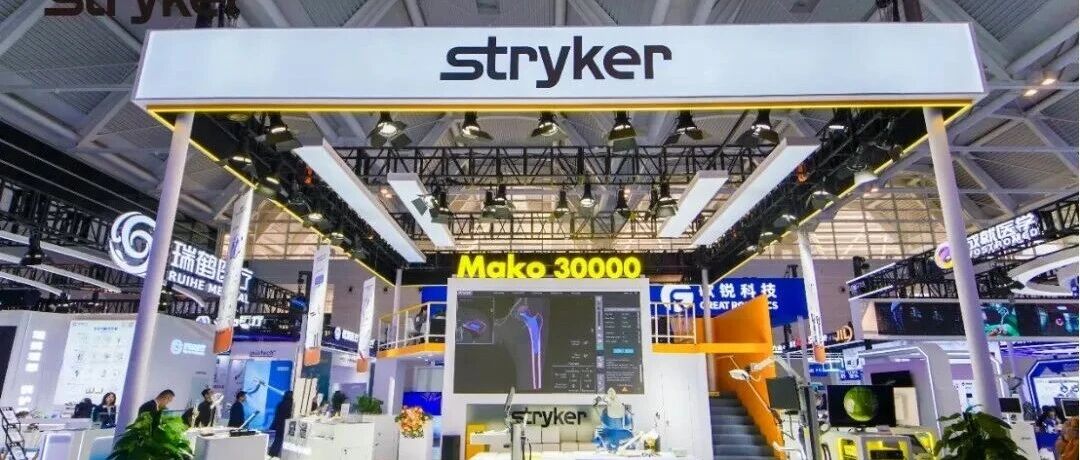
三万例之后,COA现场看见史赛克“数智骨科”的真实进展
思宇MedTech· 2025-11-21 07:08
Core Insights - The article highlights the significant advancements in the field of digital orthopedic surgery showcased by Stryker during the COA, including the milestone of over 30,000 surgeries performed with the Mako robot in China and the introduction of new hip joint products [2][10]. Group 1: Mako Robot and Surgical Milestones - The Mako robot has successfully completed over 30,000 surgeries in China, marking a significant milestone since its clinical trials began in 2016 [4][10]. - The focus has shifted to understanding how Mako has changed surgical procedures, with discussions emphasizing its impact on planning and execution [4][6]. Group 2: Planning and Execution Improvements - Planning has evolved from static three-dimensional models to dynamic understanding, allowing for better identification of individual patient differences [7]. - Execution benefits from sub-millimeter precision, enhancing consistency in surgical outcomes through integrated tools and real-time adjustments [8][11]. Group 3: New Product Launches - Stryker introduced two new hip replacement products aimed at addressing critical aspects of surgery, including fixation methods and stability in complex cases [14][21]. - The Trident II Tritanium cup offers flexible fixation options for complex anatomical conditions, while the MDM dual-mobility system focuses on post-operative stability and adaptability [15][17]. Group 4: Knowledge Dissemination - The launch of the book "Digital Orthopedics: Joint Surgery" fills a crucial gap in clinical education, providing a comprehensive resource for surgeons [22][24]. - The book is a collaborative effort from experts in robotic-assisted surgery, emphasizing practical applications and decision-making processes [24]. Group 5: Expert Discussions and Clinical Needs - International experts shared insights on robotic-assisted knee replacements and complex hip cases, indicating a shift towards more granular discussions on surgical decision-making [25][29]. - The high attendance at Stryker's demonstration courses reflects an increasing clinical demand for knowledge and training in robotic surgery [30][35]. Group 6: Conclusion - The article concludes that the advancements in robotic surgery, new product launches, expert discussions, and educational initiatives collectively demonstrate Stryker's progress in digital orthopedics, emphasizing practical applications in real surgical settings [36].

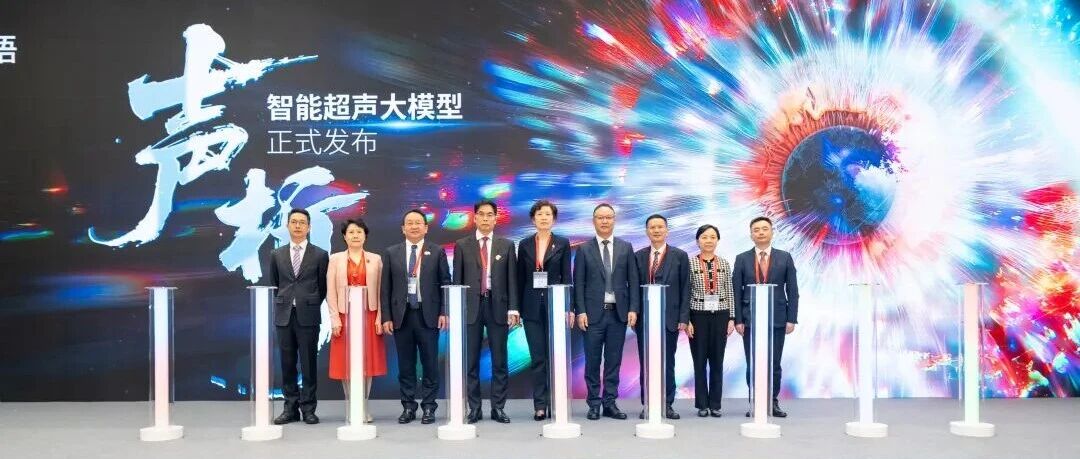
超声智能化如何进化?开立声析智能超声大模型给出答案
思宇MedTech· 2025-11-20 11:01
Core Insights - The article emphasizes that the future of ultrasound imaging should transition from being merely a "strong tool" to an "intelligent partner" that collaborates with doctors throughout the entire workflow [2][3]. Group 1: Technological Evolution - The intelligentization of ultrasound medicine must respond to the structural pressures in the healthcare system, such as increasing examination volumes and the need for enhanced capabilities at the grassroots level [2][3]. - The "Voice Analysis" intelligent ultrasound model was introduced by the company at the recent CSUM2025 conference, marking a significant step in addressing the technological needs of the industry [3][5]. Group 2: Framework of the Voice Analysis Model - The Voice Analysis model is structured around a three-layer architecture: "Hand-Eye-Brain" [8]. - The "Hand" layer focuses on efficient tools for automatic identification and measurement of key anatomical structures, aiming for accuracy and speed in image capture [8][9]. - The "Eye" layer utilizes large language models (LLMs) to create an intelligent diagnostic system that identifies anomalies and generates structured reports [9][10]. - The "Brain" layer acts as a decision-making hub, integrating data from various sources to streamline the ultrasound workflow and provide clinical decision support [10][11]. Group 3: Practical Changes in Clinical Use - The Voice Analysis model has led to significant changes in clinical practice, emphasizing the importance of integrating AI with both equipment and physician workflows [12][14]. - The AURA multi-center project aims to validate the AI-O-RADS system across 41 hospitals, focusing on comparing its diagnostic performance with traditional methods and assessing its clinical value among different levels of physicians [13][16]. Group 4: Addressing Clinical Challenges - In the field of thyroid ultrasound, the article highlights the need for refined risk stratification tools to balance the issues of overdiagnosis and underdiagnosis [18][19]. - A multi-modal approach combining various imaging techniques is proposed to reduce the ambiguity in diagnosing thyroid nodules, thereby minimizing unnecessary procedures [20][22]. Group 5: Future Directions - The article concludes that the ultrasound field is entering a "process-level intelligent era" driven by large models, with the Voice Analysis model representing a leading solution in this transformation [24].

开启国内临床应用!美敦力可充电、可感知闭环脑起搏器
思宇MedTech· 2025-11-20 11:01
Core Insights - The Percept™ RC, the world's first rechargeable and sensing closed-loop brain stimulator, has commenced clinical applications in major hospitals across Beijing, Anhui, and Shanxi as of November 2025 [1][4] - Developed by Medtronic, the device integrates artificial intelligence and brain-machine interface technology, and is approved by the Chinese National Medical Products Administration, the US FDA, and the EU CE for treating complex neurological disorders such as Parkinson's disease and drug-resistant epilepsy [3][4] - The device has been recognized as one of TIME magazine's "Best Inventions of 2025" and has been featured prominently at the China International Import Expo [3][4] Clinical Application - The clinical application of Percept™ RC marks a significant breakthrough in brain stimulator therapy, advancing the use of brain-machine interface technology for treating neurological diseases in China [4] - The device offers a more intelligent, precise, and comfortable treatment option for patients, enhancing the overall treatment experience [4][8] Technological Advancements - Compared to traditional brain stimulators, Percept™ RC provides real-time sensing and analysis of brain activity, allowing for personalized and precise treatment tailored to the patient's condition [8] - It is the smallest and lightest brain stimulator globally, being 37% smaller than traditional models, which improves patient comfort [8] - The device features an open lifespan battery technology and is fully compatible with 3.0T and 1.5T MRI scans, ensuring patient safety and access to future medical imaging [8] Historical Context - Deep brain stimulation (DBS), commonly known as "brain pacemaker," has been recognized as the preferred surgical treatment for Parkinson's disease since its first successful operation in 1987 [5] - The therapy has been clinically applied for over 35 years globally, with its introduction to China occurring in 1999 [5]

93家械企!COA2025大盘点,机器人、影像、材料都在进化
思宇MedTech· 2025-11-20 11:01
Core Insights - The 24th Chinese Orthopaedic Association (COA) conference showcased significant advancements in orthopedic technology, emphasizing the integration of robotics, navigation, imaging, and biomaterials under the theme "Digital Intelligence in Orthopedics" [2] - The conference attracted 20,188 registered participants and received 37,222 submissions, indicating a strong interest in orthopedic innovations [2] Group 1: Robotics and Navigation Systems - Surgical robots and navigation systems are expanding across various orthopedic fields, moving beyond joint surgeries to include spine, trauma, and sports medicine, focusing on precision and standardization [4] - Companies like Stryker, Tianzhihang, and others are presenting comprehensive orthopedic platforms that integrate imaging, navigation, and robotic arms, forming a closed-loop system for enhanced surgical outcomes [4] - The Trinity system by Tuo Dao Medical demonstrates a unified platform for rapid switching between surgical procedures, showcasing advancements in AI planning and real-time navigation [19] Group 2: Biomaterials and Bone Repair - The competition in bone repair and biomaterials is intensifying, with companies offering innovative solutions such as absorbable screws and 3D-printed bioceramics, focusing on osteogenic activity and infection resistance [4] - Smartbone and other manufacturers are introducing advanced materials that not only fill defects but also promote bone regeneration and integration [4] Group 3: Domestic Innovations - Domestic companies are accelerating the development of high-end joint prosthetics and key materials, with a focus on integrating materials, prosthetic design, and manufacturing processes [4] - The collaboration between local firms and international companies is shifting from product showcases to establishing standards and ecosystems, enhancing the overall orthopedic landscape [4] Group 4: Key Product Launches - Stryker highlighted its latest products, including the Mako robotic system, which integrates multiple surgical techniques for hip and knee replacements, enhancing precision and efficiency [5][7] - Rosenboht signed a strategic partnership with the Chinese University of Hong Kong to advance intelligent surgical technologies, aiming for more precise and minimally invasive orthopedic procedures [12][14] - The launch of the "Panshi Self-Pressing 3D Partition Bone Trabecular Biological Knee Prosthesis" by Jiashite Medical showcases advancements in mechanical stability and biological fixation [40][42] Group 5: Technological Integration - Companies are increasingly focusing on integrating AI and imaging technologies to enhance surgical precision and safety, as seen in the solutions presented by Meiya Optical and other firms [46][50] - The introduction of AR navigation systems by Linyan Medical represents a significant technological advancement, improving the visibility and accuracy of spinal surgeries [53][55] Group 6: Comprehensive Solutions - The conference highlighted the importance of comprehensive solutions that encompass preoperative planning, intraoperative guidance, and postoperative evaluation, as demonstrated by various exhibitors [4][60] - Companies like Weigao and others are showcasing integrated solutions that leverage digital technologies to enhance the entire orthopedic treatment process [100][102]



近亿元B轮融资!推动破解慢阻肺治疗“黑匣子”
思宇MedTech· 2025-11-19 10:23
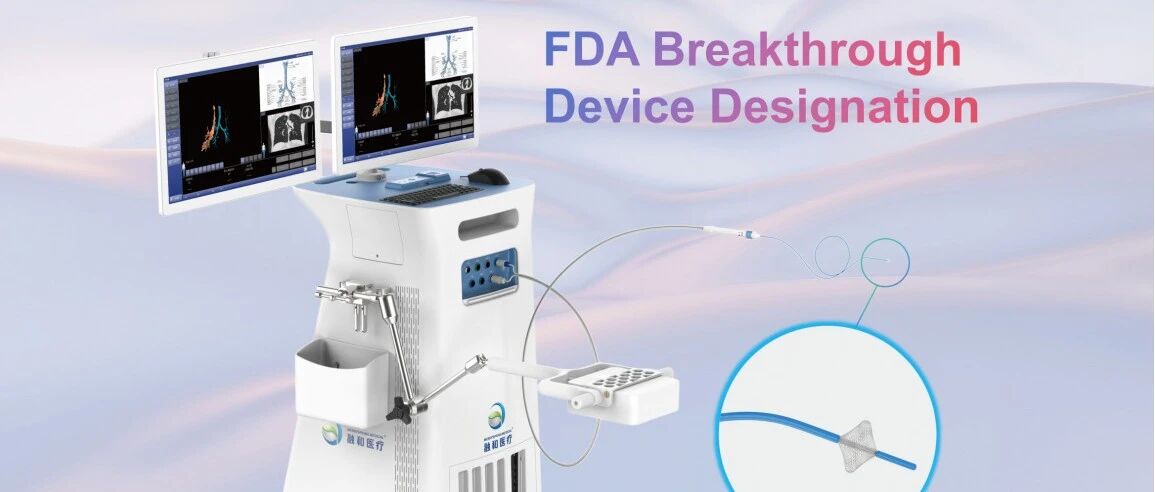
近日, 融和医疗科技(浙江)有限公司(以下简称"融和医疗") 宣布完成 近亿元B轮融资 ,本轮由启明创投领投,荷塘创投跟投。募集资金将主要用于公司全球 首创技术——"实时电磁导航下支气管流变成形术"的临床推广、国内外注册与市场开拓,加速慢性阻塞性肺疾病(COPD)介入治疗技术的全球转化与应用。 在呼吸介入治疗全球化浪潮中,电磁导航、脉冲电场、电生理消融等前沿技术的融合正快速改变学科边界。过去,肺部介入主要集中于肿瘤与支气管狭窄,而如 今,慢阻肺、哮喘、支气管扩张等慢性病管理也开始进入"能量治疗时代"。 融和医疗科技(浙江)有限公司(以下简称"融和医疗")成立于浙江省,专注于呼吸介入领域的原创医疗器械研发与产业化,是国内少数聚焦"慢性阻塞性肺疾病 (COPD)介入治疗"这一细分赛道的创新型企业。公司凝聚了一支由介入呼吸科医生、医疗器械工程专家、生物电场物理研究人员组成的跨学科团队,具备从材 料、器械、导航系统到临床应用的全链条开发能力。 这项源自中国的原创性呼吸介入创新,正试图打破慢阻肺长期依赖药物管理的局面,为这一全球第三大致死疾病打开"可治愈"之窗。 # 慢阻肺的"黑匣 子" :从对症 管理到源 头干预 根 ...
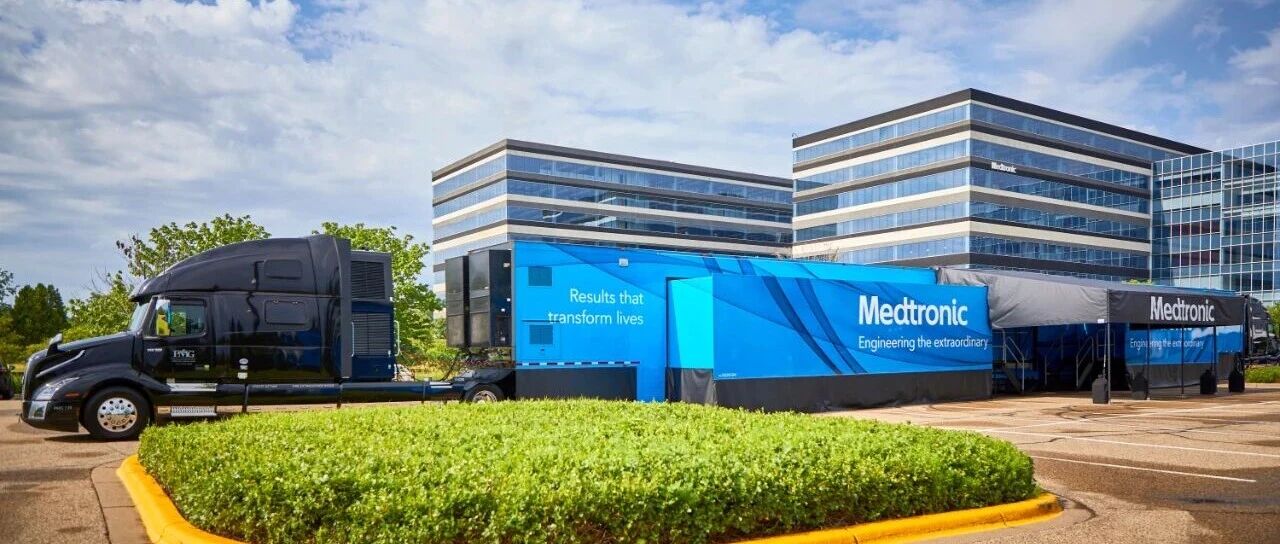
637亿营收!美敦力四条创新线同时放量,财报呈现加速窗口
思宇MedTech· 2025-11-19 10:23
Core Viewpoint - Medtronic's Q2 FY2026 financial report exceeded market expectations, with revenue reaching $8.961 billion (approximately 63.7 billion RMB), a year-on-year growth of 6.6% [2][9]. The report highlights a significant structural change as four core technology lines enter a commercialization acceleration phase simultaneously, which is rare for a large medical technology company [2][9]. Financial Performance - Total revenue for the quarter was $8.961 billion, with organic growth of 5.5% [8]. - GAAP and non-GAAP EPS both grew by 8% year-on-year [2]. - The company raised its full-year organic revenue growth forecast from 5.0% to 5.5% [2]. Business Segments Performance - Cardiovascular business revenue was $3.436 billion, a 10.8% increase year-on-year (organic growth of 9.3%) [6][8]. - Neuroscience business grew by 4.5% (organic growth of 3.9%) [6][8]. - Diabetes business saw a 10.3% increase (organic growth of 7.1%) [13]. Key Growth Drivers - The quarter was characterized as an "acceleration point" by CEO Geoff Martha, with revenue driven by four enterprise growth drivers: PFA (Pulsed Field Ablation), Symplicity™ renal denervation, Hugo™ robotics, and Altaviva™ neuromodulation [9][28]. - PFA solutions experienced a remarkable 71% revenue growth, with a 128% increase in the U.S. market [10][15]. - Symplicity™ renal denervation received favorable coverage decisions from U.S. CMS and several commercial insurers, marking its entry into a commercialization phase [18][19]. Market Dynamics - The simultaneous maturation of multiple technology lines is a significant trend, indicating a shift from stable growth to cyclical acceleration [35]. - Regulatory and payment environment changes have aligned, facilitating the growth of these technologies [29][30]. - The company emphasizes a system-wide approach, integrating various devices and workflows to enhance operational efficiency and patient outcomes [30][32]. Conclusion - Medtronic's Q2 performance reflects not only robust financial results but also a transformative shift in business rhythm, with synchronized advancements across multiple technology lines [33]. This indicates a move towards a more dynamic growth model, focusing on the quality of commercialization rather than just pipeline reserves [35].