思宇MedTech

Search documents
361亿!波科最新财报发布!心血管介入进入“窗口抬升期”
思宇MedTech· 2025-10-23 07:58
Financial Performance - Boston Scientific reported Q3 net sales of $5.065 billion, representing a 20.3% increase year-over-year, with organic growth of 15.3% [4][6] - Adjusted EPS for the quarter was $0.75, up from $0.63 in the same period last year, exceeding market expectations [4][6] - The company raised its full-year sales and profit guidance, projecting approximately 20% growth in reported sales and 15.5% organic growth, with adjusted EPS guidance increased to a range of $3.02–$3.04 [6] Product and Clinical Drivers - The left atrial appendage occluder, Watchman, saw a sales increase of approximately 35%, becoming one of the company's highest-margin products [9] - The electrophysiology (EP) business experienced explosive growth, with sales up about 63%, driven by increasing atrial fibrillation ablation volumes and advancements in ablation technologies [9] - The cardiovascular segment achieved an organic growth rate of 19%, reflecting strong market demand in structural heart disease and electrophysiology [9] Regional and Strategic Expansion - North America remains the primary market for Boston Scientific, with a 27% increase in sales, while the Asia-Pacific and Latin America regions showed strong double-digit organic growth [11] - The company’s strategic focus on "complementing the supply chain and accelerating" through acquisitions has enhanced market efficiency and resource sharing [12] - The emphasis on digitalization and AI in clinical practices is creating a competitive edge in the cardiovascular field [12] Industry Trends - The global cardiovascular intervention and electrophysiology markets are entering a phase of structural expansion, with increased penetration rates for structural heart disease and atrial fibrillation procedures [13] - Improved payment and policy environments are facilitating the adoption of high-value procedures in both developed and emerging markets [13] - Technological innovations are shortening learning curves, enhancing the replicability of procedures, and accelerating acceptance among healthcare providers [13] Competitive Landscape - Boston Scientific maintains a leading position in the structural heart disease market with its Watchman product, while competition in the electrophysiology space is intensifying [14] - The company's integrated approach combining procedures, products, and education is proving effective in maintaining market share [14] Insights for Domestic Manufacturers - Domestic cardiovascular and electrophysiology companies should focus on building comprehensive solutions around procedural scenarios, enhancing hospital engagement through education and post-operative management [16] - Attention should be directed towards rapidly growing segments such as atrial fibrillation ablation and left atrial appendage occlusion, creating a synergistic matrix of devices and imaging navigation [16] - Emphasizing policy, payment, and real-world evidence is crucial for gaining early market access and competitive advantage [16]



医美主论坛+9个分论坛观众报名!第三届八大处整形美容产业论坛
思宇MedTech· 2025-10-22 01:58
Core Viewpoint - The article discusses the upcoming Fourth China Plastic Surgery and Regenerative Medicine Development Conference and the 14th Beijing International Aesthetic Surgery Conference, scheduled for October 31 to November 2, 2025, in Beijing, aiming to promote the development of plastic surgery and enhance collaboration among related disciplines [2][3]. Conference Overview - The conference will feature a main forum, an innovation transformation competition final, and nine sub-forums, with an expected attendance of around 500 participants [2]. - The event will include product exhibitions from various companies, and registration is free for attendees [2]. Main Forum Agenda - The main forum will commence with a welcome address and opening speeches from key figures in the medical and academic fields, including the Vice President of the Chinese Academy of Medical Sciences and the Chairman of the Beijing Eight Major Places Plastic Surgery Medical Technology Group [2]. - The agenda includes a series of thematic presentations covering topics such as the introduction of the Eight Major Places Plastic Surgery Medical Concept Verification Center, innovative medical technologies, and the commercialization of medical device innovations [3]. Innovation Transformation Competition - The afternoon session will host the third Plastic Surgery Innovation Transformation Competition final, showcasing innovative projects in plastic surgery and aesthetic medicine, providing a platform for clinical innovation [3]. Investment Forum - A dedicated investment sub-forum will take place on November 2, featuring discussions on the current state and opportunities in the aesthetic medicine industry, as well as trends in the light medical beauty sector [3][4]. - Notable speakers include investment managers and industry leaders who will share insights on various topics, including stem cell applications and the development of high-end domestic laser medical equipment [4]. Additional Sub-Forums - The conference will also host several sub-forums focusing on topics such as medical device safety and compliance, high-quality development of aesthetic institutions, and digital transformation in the medical beauty industry [4][5].

融资超7亿!脑监测迎来“贴片革命”
思宇MedTech· 2025-10-22 01:58
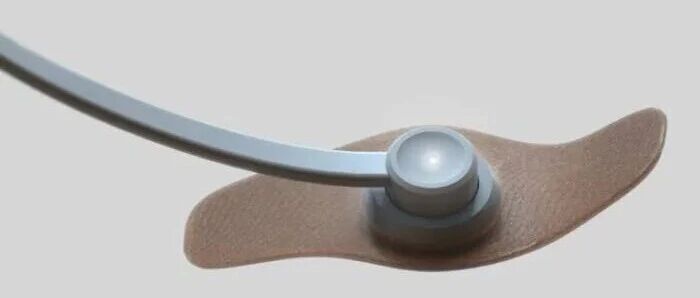
Core Viewpoint - CoMind has successfully raised $102.5 million (approximately 726 million RMB) to advance its first product, CoMind One, which aims to provide non-invasive brain monitoring technology for clinical decision-making [2][11]. Financing and Strategic Layout - The recent financing round is notable in the neuro-monitoring field, indicating strong market interest in non-invasive brain function monitoring technologies [11]. - The lead investor, Plural, focuses on deep technology and medical innovation, while other investors are influential in the European health tech investment landscape [11]. - The funds will be used to transition from prototype validation to commercial implementation, aiming to create a data-driven brain health monitoring ecosystem [11]. Product and Technology Overview - CoMind One utilizes a non-invasive, continuous optical brain monitoring system based on Near-Infrared Spectroscopy (NIRS) to measure cerebral parameters without the need for invasive procedures [2][6]. - The system can provide real-time data on cerebral perfusion, autoregulation, and intracranial pressure, which are critical for managing patients in various clinical scenarios [6][14]. - The design allows for easy application and integration with existing multi-parameter monitoring systems, enhancing its usability in clinical settings [10][12]. Clinical Applications and Potential - The technology addresses the high demand for real-time brain data in critical care, traumatic brain injury management, and cardiovascular surgeries, where traditional invasive methods pose risks [3][8]. - CoMind's system can help prevent postoperative brain ischemia and guide interventions in ICU settings without requiring surgical procedures [8][12]. Industry Trends and Future Directions - The shift towards non-invasive, continuous brain monitoring aligns with the broader digitalization trend in healthcare, moving brain monitoring from a specialized tool to a standard part of patient monitoring [12][13]. - As the burden of brain diseases continues to rise globally, non-invasive and quantifiable brain monitoring is expected to become a significant focus in neuromedicine, positioning CoMind at the forefront of this transformation [13].
议程更新!速来报名!第三届八大处整形美容产业论坛主论坛、大赛决赛
思宇MedTech· 2025-10-21 03:39
Core Points - The third Ba Da Chu Plastic Surgery Industry Forum will be held on October 31, 2025, at the Beijing Yinbao International Conference Center, alongside the Fourth China Plastic Surgery and Regenerative Medicine Development Conference [2][4] - The event is expected to attract over a thousand plastic surgeons and industry experts from across the country, focusing on innovation and the future of medical aesthetics technology [2] - Key segments of the forum include the main forum and the Plastic Surgery Innovation Transformation Competition, showcasing global trends, industry ecology, and the latest advancements in innovation [2][6] Event Details - The main forum will take place on October 31, 2025, from 9:00 AM to 12:00 PM, with an expected attendance of 500 participants [5] - The agenda includes an opening ceremony, keynote speeches, and discussions on various topics such as the commercialization of innovative medical technologies and the integration of supply chains [5][6] - The Innovation Transformation Competition will occur on the same day from 1:00 PM to 5:00 PM, featuring project presentations that cover materials, devices, and digital applications in the plastic surgery and medical aesthetics fields [6][7] Participants and Registration - The forum is open to representatives from medical device and aesthetics companies, clinical doctors, researchers, investment institutions, regulatory experts, and industry observers [9] - Registration for the main forum, competition finals, and investment forums can be completed via a provided QR code or link [8]
融资1.2亿背后,影像龙头迎来“回暖时刻”
思宇MedTech· 2025-10-21 03:39
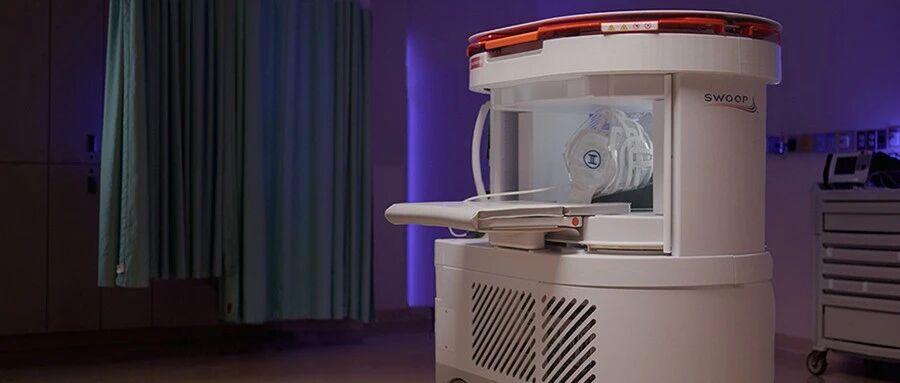
Core Viewpoint - Hyperfine is transitioning from a research phase to a commercial validation phase, as indicated by its recent financing and improved financial performance [2][12]. Financing and Performance Signals - Hyperfine completed a public offering of approximately $17.5 million (about 120 million RMB) by selling 14 million shares at $1.25 per share, with the funds allocated for operational capital, manufacturing, and R&D activities [4][5]. - The company reported third-quarter revenue of approximately $3.4 million, a 27% quarter-over-quarter increase, and a 27% decrease in cash consumption, with cash reserves of about $21.6 million as of September 30 [5][12]. Technology and Product Innovation - Hyperfine's core product, the Swoop® portable MRI system, is the first FDA-approved mobile MRI device with a magnetic field strength of only 0.064 Tesla, allowing for significant structural reconfiguration compared to traditional MRI systems [6][8]. - The next-generation Swoop system, launched in 2025, features the Optive AI software, which enhances image quality through deep learning, making low-field images more comparable to conventional MRI [8][12]. Sales and Market Expansion - In the third quarter, Hyperfine sold eight Swoop systems, with 63% being the new generation product, and the average selling price increased by 36%, indicating strong customer acceptance [9][10]. - The company has begun commercial promotion for clinic-level imaging, expanding the application of Swoop beyond bedside use to outpatient and community settings [10][12]. Capital and Operational Efficiency - Hyperfine's journey has included challenges since its SPAC merger in 2021, with stock prices hovering around $1 and significant operational costs leading to layoffs [13]. - The third-quarter results reflect a shift towards efficiency, with revenue growth and reduced costs, achieved through product upgrades and optimized sales structures [13][14]. Market Redefinition - The MRI market has been dominated by high-field devices, but low-field MRI is gaining traction due to advancements in AI and hardware miniaturization, making it a primary device in specific clinical scenarios [14][15]. - Hyperfine's Swoop system exemplifies this trend, emphasizing accessibility over performance, and indicating a shift in the value proposition of imaging technology [15][16].
超亿元!国产基因测序平台完成新一轮融资
思宇MedTech· 2025-10-21 03:39
Core Insights - Cygnus Biosciences has completed a new financing round exceeding 100 million yuan, aimed at ongoing R&D, product iteration, and expanding its commercial network, reflecting market confidence in domestic gene sequencing technology [2] - The company has developed a comprehensive core technology system, including Fluorogenic sequencing chemistry and microfluidic control, achieving self-sufficiency from chemical reactions to system integration [3] - Cygnus has launched two product series, offering not only instruments but also universal reagent kits and automated sample processing workstations, along with the "OpenSeq Project" for customizable sequencing solutions [5] Industry Expansion - Cygnus has obtained ISO13485 certification for medical devices, with applications in oncology, reproductive health, pathogen detection, and infectious disease prevention, collaborating with research institutions and hospitals [6] - The company plans to continue iterating on its product lines focused on desktop, diagnostic, and production models, aiming to enhance throughput and reduce costs, facilitating the clinical adoption of domestic sequencing instruments [6] - Investors highlight the potential for Cygnus to become a benchmark enterprise in the Beijing International Science and Technology Innovation Center, showcasing its competitive edge in domestic alternatives [6] Product Details - The S series (S100, S200) targets clinical and public health applications, with S100 receiving NMPA Class III registration and CE-IVDR certification, while S200 offers rapid results in pathogen detection [9] - The P series (P1000, P1000X) focuses on high-throughput research and multi-omics applications, with P1000X achieving a cost of $50 for a 30× human genome [9]

38亿!医械巨头又一重磅收购
思宇MedTech· 2025-10-20 02:38
Core Insights - Boston Scientific announced the acquisition of Nalu Medical for approximately $530 million, marking a significant move in the chronic pain treatment sector [2][3] - The acquisition is expected to enhance Boston Scientific's product line in pain management, integrating Nalu's innovative wireless peripheral nerve stimulation system [5][10] Group 1: Acquisition Details - The acquisition will complete Boston Scientific's strategic investment in Nalu, which began in 2017, and is expected to finalize in the first half of 2026 [3] - Nalu is projected to exceed $60 million in sales by 2025, with a growth rate of over 25% in 2026 [3] Group 2: Strategic Implications - This transaction represents a strategic shift from "central control" to "peripheral control," broadening Boston Scientific's coverage in pain management from deep to peripheral nerve solutions [5] - The acquisition positions Boston Scientific competitively against major players like Medtronic and Abbott in the neuromodulation market [5] Group 3: Nalu's Growth and Technology - Prior to the acquisition, Nalu secured $50 million in growth capital from Trinity Capital, indicating its readiness for commercialization and expansion [6] - Nalu's Neurostimulation System is a battery-free, miniaturized, wireless device that simplifies surgical procedures and reduces maintenance costs [8] Group 4: Clinical Efficacy - Clinical trials demonstrated that Nalu's system achieved over 50% pain relief in 87% and 79% of patients in two randomized controlled studies, with an average pain reduction of 64% [9] - The system's design enhances patient compliance and post-operative experience, making it a viable alternative to traditional pain management methods [9] Group 5: Market Context - Chronic pain affects over 1 billion people globally, with traditional treatments posing risks of dependency and abuse [10] - The market is currently dominated by Medtronic, Abbott, and Boston Scientific, which together hold about 80% market share, but Nalu's innovative approach offers a differentiated solution [10] Group 6: Future Outlook - The acquisition signals a shift in the neuromodulation market towards simpler, more accessible technologies that can be widely adopted in clinical settings [11][12] - The focus is moving from complex systems to lightweight, replicable technology models, indicating a potential turning point for peripheral nerve stimulation [11][12]

当“清晰”成为诊断力:放大内镜的临床意义
思宇MedTech· 2025-10-20 02:38
Core Viewpoint - The article emphasizes the significance of magnifying endoscopy in early cancer detection, highlighting its ability to transform the diagnostic process from mere observation to detailed recognition of pathological changes, thus improving early cancer screening rates in high-risk populations [2][3][28]. PART 01: From "Seeing" to "Recognizing" - Magnifying endoscopy enhances diagnostic logic, allowing doctors to observe not just the shape of lesions but also the microstructure of mucosa and vascular patterns, which are critical for distinguishing early cancer from benign lesions [5][6]. - In esophageal early cancer diagnosis, the use of the IPCL classification system in conjunction with magnifying endoscopy achieves over 90% pathological correspondence, enabling accurate cancer grading before biopsy [7]. - The JNET classification is commonly used for colorectal lesions, allowing differentiation between inflammation, adenoma, and early cancer, significantly reducing unnecessary biopsies [12]. PART 02: Who Needs to be "Seen Clearly" - Not all patients require magnifying endoscopy, but certain high-risk groups, such as those with subtle lesions or early pathological changes, benefit significantly from this technology [19]. - A multicenter study indicated that using magnifying endoscopy for screening in men over 40 increased early cancer detection rates by 18% to 25% [19]. - For patients with chronic gastritis or intestinal metaplasia, magnifying observation notably reduces false-negative rates, aiding in the early identification of high-grade intraepithelial neoplasia [19]. PART 03: Making "Precision Examination" Easier and Closer - The successful adoption of magnifying endoscopy hinges on its usability for doctors, with advancements like one-button automatic focusing simplifying the operation [21][23]. - The technology's complexity often hinders its value, but innovations that allow for automatic focus adjustments have made it more accessible for routine clinical use [25]. - By reducing both technical and cost barriers, magnifying endoscopy is transitioning from an optional tool to a standard practice in clinical settings, enhancing efficiency for doctors and fairness for patients [26]. PART 04: Conclusion: Making "Seeing" Earlier - The true value of magnifying endoscopy lies not only in improved resolution but in changing how doctors perceive lesions, moving from macro observation to structured, micro recognition [28]. - It enables real-time assessment of pathology during procedures, allowing for earlier detection of conditions that could significantly impact patient survival [28][30]. - The integration of advanced features like 145x magnification and multi-spectral enhancement redefines the boundaries of early diagnosis, making it a fundamental capability in medical practice [29].

行业盛事!第八届(2025)中国医疗器械创新创业大赛总决赛暨医疗器械创新周即将启幕
思宇MedTech· 2025-10-20 02:38
Core Viewpoint - The 8th China Medical Device Innovation and Entrepreneurship Competition Finals and Innovation Week will be held from October 22 to October 25, 2025, in Tianjin, focusing on the increasing demand for innovation in the medical device industry and promoting the transformation of results [3]. Group 1: Event Overview - The event will feature a finals competition focusing on five main areas: passive medical devices, active medical devices, wearable and information products, doctor groups, and creative project groups [4]. - The Innovation Week will include multiple high-level professional seminars covering the entire medical device industry chain, addressing core pain points in manufacturing from material research to production technology [4][5]. - A "CEO Training Camp" will be available for project founders and enterprise managers, covering topics such as R&D compliance, quality and production, market access, and corporate strategy [7]. Group 2: Participation and Opportunities - Various stakeholders, including production enterprises, research teams, clinical doctors, service institutions, and investors, are encouraged to participate to connect with early-stage innovative projects and clinical research outcomes [11]. - The event aims to facilitate networking among industry experts, resource providers, and early-stage projects, promoting collaboration and investment opportunities [11]. Group 3: Historical Context and Impact - The competition has been held since 2018, with a total of 5,041 projects participating in the first seven editions, resulting in 588 awarded projects and over 8 billion yuan in follow-up funding [30]. - The event has gained significant recognition in the industry, attracting over 4,000 enterprises and 40,000 professionals, including government officials and industry experts, making it a prominent brand activity in the medical device sector [30].

议程更新!快报名~医美投融资分论坛|第三届八大处整形美容产业论坛
思宇MedTech· 2025-10-19 02:11
Core Viewpoint - The article discusses the upcoming Fourth China Plastic Surgery and Regenerative Medicine Development Conference and the 14th Beijing International Aesthetic Surgery Conference, scheduled for October 31 to November 2, 2025, in Beijing, aimed at promoting the development of plastic surgery in China and enhancing collaboration among related disciplines [3]. Event Details - The event will feature the Third Ba Da Chu Aesthetic Industry Forum, a competition final, and nine sub-forums [3]. - Participation is free, and there will be an exhibition of enterprise products on-site [4]. Hosting Organizations - The event is organized by Ba Da Chu Plastic Surgery Medical Concept Verification Center, Si Yu MedTech, Jin Yu Mao Wu, Tsinghua Technology Park Medical Engineering Cross-Innovation Center, and Zi Niu Fund [5]. Morning Session Highlights - The morning session includes various presentations, such as: - "Investment Perspective on the Current Status and Opportunities in the Medical Aesthetic Industry" by Sun Haisun, Investment Deputy General Manager, Jin Yu Mao Wu [5]. - "Trends in the Development of the Light Medical Aesthetic Industry" by Yu Bo, Partner, Zi Niu Fund [5]. - "Application of Stem Cells and Exosomes in Postoperative Wound Repair" by Zhao Yong, Chairman, Beizheng Saiou (Beijing) Biotechnology Co., Ltd. [5]. Afternoon Session Highlights - The afternoon session will cover topics including: - "Opportunities and Challenges for Domestic Medical Aesthetic Photonic Equipment Going Abroad" by Liao Ziyan, Brand Promotion Director, Suzhou Baifu Laser Technology Co., Ltd. [6]. - "New Generation Needle-Free Drug Delivery Technology in Domestic and International Medical Aesthetic Fields" by Zhou Ping, CTO, Zhuoyou Medical (Suzhou) Co., Ltd. [6]. - "Applications of Functional Nucleic Acid Nanotechnology in the Light Medical Aesthetic Industry" by Zhang Kaiping, Marketing Center General Manager, Beijing Xingyilian Technology Co., Ltd. [6]. Registration Information - Interested participants can register by scanning a QR code or clicking a link provided at the end of the article [6].