思宇MedTech

Search documents
一笔20亿订单,看联影如何塑造中国影像的全球竞争力
思宇MedTech· 2025-10-27 03:16
Core Viewpoint - The strategic partnership between United Imaging and Superhealth marks a significant milestone in the Indian medical imaging equipment procurement history, valued at over 25 billion INR (approximately 2 billion CNY), and represents a shift from product export to ecosystem co-construction for Chinese high-end medical equipment [2][16]. Group 1: Partnership Details - United Imaging will provide a complete set of advanced radiology imaging systems for 100 hospitals being built by Superhealth over the next five years, covering the entire lifecycle management [2][4]. - The collaboration includes a full range of high-end products, such as AI-enabled MRI devices, 160-slice CT, whole-body cardiac CT, digital mammography, and DR systems, integrated with Superhealth's self-developed electronic medical records and AI platform [4][12]. - To support this record-breaking order, United Imaging will establish a dedicated service hub and parts warehouse in India, creating over 1,000 high-skilled jobs [5][12]. Group 2: Market Impact - This partnership is expected to reshape the high-end imaging equipment market in India and signifies a new phase in United Imaging's global expansion strategy [2][8]. - United Imaging's overseas revenue reached 2.22 billion CNY in 2024, a year-on-year increase of 33.81%, with the Indian market being a crucial part of its global strategy [7][8]. - The deal represents over 10% of India's annual radiology imaging market, challenging the long-standing dominance of international giants like GE Healthcare, Philips, and Siemens [16][24]. Group 3: Technological Strength - United Imaging's success in securing this major order is attributed to its continuous breakthroughs in core technologies and a long-term strategic approach [9][21]. - The company has made significant advancements in the CT and MR fields, introducing innovative products that enhance imaging capabilities and efficiency [12][18]. - United Imaging's AI technology is becoming a key component of its global competitiveness, with over 20 products approved by the FDA [12][21]. Group 4: Strategic Alignment - The partnership reflects a strong alignment of strategic goals between United Imaging and Superhealth, focusing on improving healthcare access and quality in India [15][20]. - Superhealth aims to build a data-driven, imaging-first smart healthcare system, with imaging equipment as the foundational infrastructure [14][20]. - The collaboration is seen as a step towards promoting affordable healthcare and establishing advanced medical infrastructure in India [15][20]. Group 5: Broader Implications - This strategic cooperation signifies a global leap for Chinese high-end medical equipment companies, moving from simple product exports to comprehensive solutions [16][24]. - The case of India provides important strategic insights for the entire Chinese medical technology industry, emphasizing the need for complete service systems and technological platforms to maintain competitiveness [21][24]. - Emerging markets like India, Southeast Asia, and the Middle East present significant growth opportunities for Chinese medical technology firms [22][24].



观众报名!即将启幕!第三届八大处整形美容产业论坛
思宇MedTech· 2025-10-27 03:16
Core Viewpoint - The article discusses the upcoming Fourth China Plastic Surgery and Regenerative Medicine Development Conference and the 14th Beijing International Aesthetic Surgery Conference, scheduled for October 31 to November 2, 2025, in Beijing, aimed at promoting the development of plastic surgery and enhancing collaboration among related disciplines [2]. Event Overview - The conference will feature a main forum, an innovation transformation competition final, and nine sub-forums, with a total expected attendance of around 500 participants [5][6]. - The event is organized by the Chinese Academy of Medical Sciences Plastic Surgery Hospital and the Beijing Eight Great Places Aesthetic Medical Technology Group [4]. Main Forum Agenda - The main forum will include a welcome address, opening speeches, and a series of thematic presentations covering topics such as innovative medical technology, marketing integration in medical devices, and applications of skin chip technology in plastic surgery [6][7]. - Notable speakers include executives from various medical and technological institutions, discussing advancements and commercialization in the field [6]. Innovation Transformation Competition - The competition will focus on innovative achievements in plastic surgery and aesthetic medicine, showcasing projects with industrialization potential across various domains, including materials and digital applications [7]. - The final will take place on the afternoon of October 31, 2025, featuring project presentations and a technology showcase [8]. Investment and Financing Sub-Forum - A dedicated sub-forum on investment and financing in the aesthetic medicine sector will occur on November 2, 2025, featuring discussions on industry trends and investment opportunities [9][10]. - Key topics will include the current state of the aesthetic medicine industry from an investment perspective and the integration of upstream and downstream sectors through fund mechanisms [9]. Registration Information - Participation in the conference is free, and registration links for various forums and events are provided within the article [3][11].

强生家族“叛逆者”:直面1%的秘密
思宇MedTech· 2025-10-26 01:11
Core Viewpoint - The article explores the life of Jamie Johnson, a descendant of the Johnson & Johnson family, highlighting the paradox of wealth and the emotional isolation it can bring, as well as his efforts to confront and document the realities of the ultra-wealthy [1][3][23]. Background and Upbringing - Jamie Johnson was born in 1979 and is the great-grandson of Robert Wood Johnson I, the founder of Johnson & Johnson [4]. - He grew up in an environment of extreme wealth, with multiple luxurious properties and a lifestyle filled with private jets and parties, but felt isolated due to his parents' preoccupation with social and financial matters [5]. - His upbringing involved minimal parental interaction, leading to a sense of estrangement, particularly when he discovered his father's identity as a financial executive through a news report [5]. Documentary Work - In 2003, Johnson created his first documentary, "Born Rich," which featured interviews with young heirs, including Ivanka Trump, and gained significant attention but also led to legal disputes and family estrangement [9]. - He followed this with "The One Percent" in 2006, which critically examined the wealth distribution in America, revealing how the top 1% controls nearly half of the nation's wealth [9][11]. - The documentary included interviews with prominent figures like Milton Friedman and Bill Gates Sr., and contrasted the lives of the wealthy with those of the underprivileged [11][12]. Social Impact and Reception - "The One Percent" sparked considerable debate, with some praising Johnson's courage for providing an insider's perspective, while others questioned his legitimacy to discuss inequality as a wealthy heir [15][17]. - The film received an Emmy nomination for editing and was described as both a confession and a critique of wealth and privilege [16]. Personal and Professional Evolution - Following the controversies, Johnson wrote a column for Vanity Fair and contributed to other publications, discussing themes of luxury consumption and the anxieties of heirs [17]. - He diverged from the typical path of heirs by founding a high-end menswear brand, Black Sweater, and occasionally appearing in television shows [17]. - By 2025, Johnson had distanced himself from the documentary scene, focusing on family life and personal interests [18]. Wealth and Emotional Struggles - The article discusses how children from wealthy families often grow up in a bubble of ignorance regarding the source of their wealth, leading to feelings of emptiness and confusion [20][21]. - This emotional void can drive individuals like Johnson to seek meaning and direction through creative expression, such as filmmaking [21]. Conclusion - Jamie Johnson's life serves as a reflection of the complexities of wealth, illustrating that even within the most secure financial environments, individuals may choose to question their circumstances and the societal structures around them [23][24].

全议程及报名链接一览!第三届八大处整形美容产业论坛
思宇MedTech· 2025-10-25 10:09
Core Viewpoint - The article discusses the upcoming Fourth China Plastic Surgery and Regenerative Medicine Development Conference and the 14th Beijing International Aesthetic Surgery Conference, scheduled for October 31 to November 2, 2025, in Beijing, aimed at promoting the development of plastic surgery and enhancing collaboration among related disciplines [2]. Group 1: Conference Overview - The conference will feature a main forum, an innovation transformation competition final, and nine sub-forums, with a total expected attendance of around 500 participants [5][6]. - The event is organized by the Chinese Academy of Medical Sciences Plastic Surgery Hospital and the Beijing Eight Great Places Aesthetic Medical Technology Group [2][4]. Group 2: Innovation Competition - The third innovation transformation competition will focus on innovative achievements in plastic surgery and aesthetic medicine, showcasing their industrialization potential [7]. - The competition will include projects related to materials, instruments, equipment, and digital applications, demonstrating diverse innovation pathways from research to clinical application [7]. Group 3: Forum Agendas - The main forum will include keynote speeches on various topics such as the launch of the Aesthetic Medicine Concept Verification Center and the integration of innovative medical technologies [6]. - The investment and financing sub-forum will cover the current status and opportunities in the aesthetic medicine industry, featuring insights from investment professionals [9][10].

观众报名!临床试验质量管理规范分论坛
思宇MedTech· 2025-10-25 10:09
Core Viewpoint - The article emphasizes the importance of standardized clinical trials in the medical aesthetics industry, highlighting the need for scientific design, regulatory compliance, and reliable data to ensure the clinical value of innovative products [2]. Group 1: Clinical Trial Quality Management - The "Good Clinical Practice (GCP)" provides a unified standard for the industry, addressing the increasing complexity and compliance requirements of clinical trials in the medical aesthetics field [2]. - A special forum on "Clinical Trial Quality Management" was established to systematically analyze the core points of GCP and discuss the implementation and regulatory requirements of medical aesthetics-related trials [2]. Group 2: Forum Details - The second forum on the medical aesthetics industry was successfully held, with the next forum scheduled for October 31 to November 2, 2025, at the Beijing Yinhai International Conference Center [4]. - The agenda for the Clinical Trial Quality Management forum includes various presentations from experts in the field, covering common issues in clinical trials, high-quality research design, collaboration for quality trials, and ethical review from a legal perspective [5]. Group 3: Participants - The forum is expected to attract a diverse group of participants, including senior lawyers, representatives from medical device and aesthetics companies, clinical doctors, researchers, investment institutions, and regulatory experts [7].

报名开启!临床试验质量管理规范|第三届八大处整形美容产业论坛分论坛
思宇MedTech· 2025-10-24 11:08
Core Viewpoint - The article emphasizes the importance of standardized clinical trials in the medical aesthetics industry, highlighting the need for scientific design, regulatory compliance, and reliable data to ensure the clinical value of innovative products [2]. Group 1: Clinical Trial Quality Management - The "Good Clinical Practice (GCP)" provides a unified standard for the industry, addressing the increasing complexity and compliance requirements of clinical trials in the medical aesthetics field [2]. - A special forum on "Clinical Trial Quality Management" was established to analyze GCP core points and discuss the implementation and regulatory requirements of medical aesthetics-related trials [2]. Group 2: Forum Details - The second forum on the medical aesthetics industry was successfully held, with the next forum scheduled for October 31 to November 2, 2025, at the Beijing International Conference Center [4]. - The agenda for the Clinical Trial Quality Management forum includes various presentations from experts in the field, covering common issues in clinical trials, high-quality research design, collaboration for effective trials, and ethical review from a legal perspective [5]. Group 3: Participants - The forum is expected to attract a diverse group of participants, including senior lawyers, medical device and aesthetics company representatives, clinical doctors, researchers, investment institution representatives, and regulatory experts [7].

6000万融资!AI 改造手术室,撬动“术式效率”新战场
思宇MedTech· 2025-10-24 11:08
Core Insights - VitVio, a European startup, raised $8 million to develop an AI-driven digital platform for operating room efficiency, focusing on process and data rather than hardware innovation [2][3] - The funding indicates a shift in medical innovation focus from equipment upgrades to systematic changes in processes and data management [3] Group 1: Operating Room Efficiency Challenges - Operating rooms consume over 60% of hospital resources but face significant inefficiencies, including delays, patient wait times, and fragmented information systems [4] - Actual utilization rates of operating rooms are below 70%, leading to wasted resources and increased costs for delayed surgeries [4] - The operating room's operational efficiency has been a neglected area, presenting a valuable opportunity for improvement [4] Group 2: Company and Funding - VitVio aims to create an intelligent digital hub for operating rooms, founded by a team with backgrounds in AI, clinical management, and medical engineering [5] - The $8 million funding will accelerate product algorithm upgrades, expand hospital pilot programs, and support compliance and commercialization efforts [6] - Unlike traditional device manufacturers, VitVio integrates with existing operating room systems, positioning itself as a central information hub [6] Group 3: Product and Technology - The core of VitVio's offering is an AI-based digital platform for operating rooms [7] - Key capabilities include automatic recognition of surgical phases, real-time tracking of instrument usage, and data analysis for operational insights [13] - The technology is designed to be compatible with existing hospital infrastructure, lowering the barriers to adoption [10] Group 4: Value Validation - VitVio's business model focuses on enhancing operating room efficiency and reducing hospital costs [11] - Early pilot results show that a medium-sized hospital could perform hundreds more surgeries annually, optimizing resource use [11] - The direct correlation between efficiency improvements and return on investment (ROI) facilitates easier implementation in budget-constrained public hospitals [11] Group 5: Industry Trends - The rise of VitVio reflects a broader trend in the medical device industry, shifting from hardware innovation to efficiency improvements across the entire surgical process [12] - The average operating room utilization rate can increase by 12%, with a 20% reduction in surgery delays and a decrease of 30 minutes of downtime per operating room daily [14] - The global digital operating room market is projected to exceed $40 billion by 2030, with a compound annual growth rate of approximately 15% [15] Group 6: Global Implications - VitVio's approach offers insights for the Chinese medical market, where there is growing attention to operating room efficiency amid existing limitations in real-time data and intelligent scheduling [16] - The focus on operating room efficiency is emerging as a new breakthrough area beyond robotic surgery and supply chain management [16] Conclusion - VitVio's $8 million funding signifies a pivotal shift in medical innovation focus from technical competition to efficiency revolution in surgical processes [17] - Mastery of data and decision flows in operating rooms will be crucial for companies aiming to secure strategic positions in the global medical device industry [18] - In a competitive hardware landscape, VitVio's pragmatic approach offers new possibilities for medical digital innovation [19]

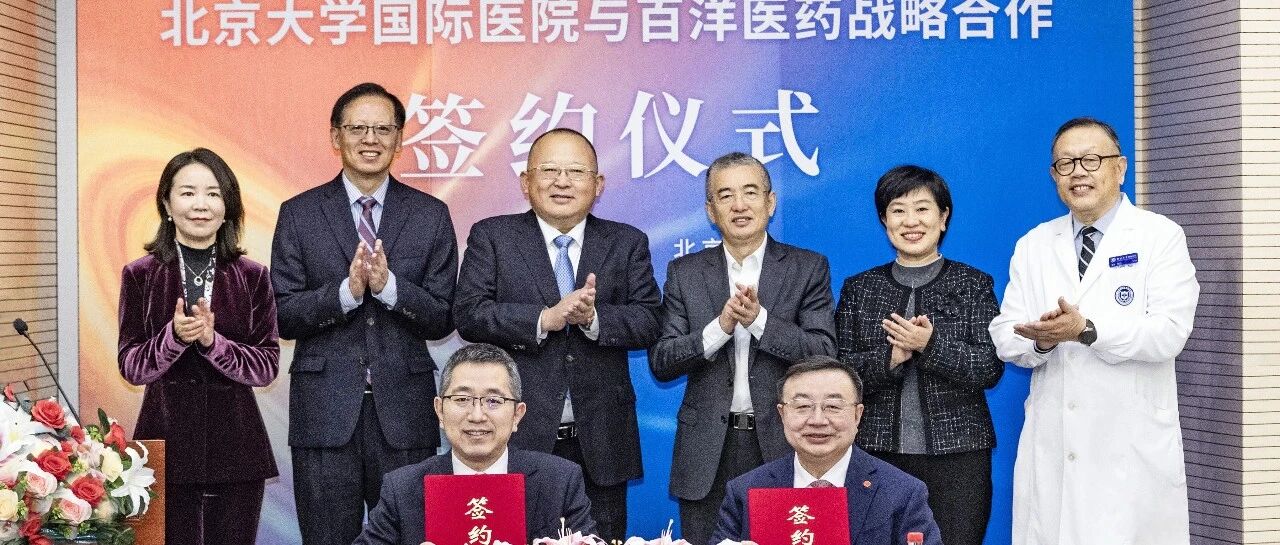
脑放疗的跃迁时刻!北大国际牵手百洋医药
思宇MedTech· 2025-10-24 11:08
Core Viewpoint - The collaboration between Peking University International Hospital and Baiyang Pharmaceutical aims to establish a "Precision Radiotherapy Center" utilizing the advanced ZAP-X brain precision radiotherapy robot, addressing the challenges of safety and precision in brain tumor treatments [2][3]. Group 1: Clinical Perspective - The relationship between doctors and tumors is characterized by the need to effectively eliminate the tumor while protecting normal tissues, highlighting the importance of precision and safety in brain radiotherapy [5]. - Traditional high-energy radiotherapy systems often lead to increased scatter risks, making it difficult for doctors to balance efficacy and side effects, which significantly impacts patient experience [6]. - The introduction of ZAP-X allows for a more humane treatment experience, reducing patient discomfort and treatment time while enhancing the confidence of doctors in delivering effective care [6][10]. Group 2: Collaborative Logic - The partnership between the hospital and the pharmaceutical company represents a genuine co-construction rather than a simple supplier-client relationship, focusing on mutual benefits and shared responsibilities [7][8]. - Baiyang Pharmaceutical, as a major stakeholder in ZAP Surgical, not only provides the equipment but also engages in clinical applications and validations, ensuring continuous improvement of the technology [10]. - The establishment of a high-end manufacturing base in Beijing aims to facilitate the domestic production and global delivery of ZAP-X, promoting the localization of advanced medical equipment [10]. Group 3: ZAP-X's Precision Control Logic - ZAP-X utilizes a 3MV linear accelerator, achieving a balance between sufficient energy and controllable energy levels, which minimizes scatter and enhances safety [14][15]. - The system's unique design allows for precise radiation delivery, significantly reducing the dose to healthy tissues and shortening treatment times by approximately 20% [15]. - The comfort and trust established through ZAP-X's technology enhance the overall treatment experience for both doctors and patients, making precision radiotherapy more accessible [15]. Group 4: Future Industry Perspective - The collaboration exemplifies a new medical cooperation ecosystem where both parties share the responsibility for validation and improvement, leveraging real clinical data for continuous optimization [16][17]. - The integration of precision and accessibility in brain radiotherapy transforms it from a high-end medical service to a routine treatment option [18]. - This co-construction model may set a new industry standard, where technology is not only introduced but also applied, validated, and iteratively improved [19][20].
三度IPO冲关!国产高值耗材龙头再出发
思宇MedTech· 2025-10-23 07:58
Core Viewpoint - The article discusses the third IPO attempt of Saikesaisi Biotechnology Co., Ltd., highlighting the company's journey through technological leadership, regulatory scrutiny, and governance restructuring in the context of the rapidly evolving domestic high-value medical consumables market [1][20][25]. Company and Products: Deeply Engaged in Domestic "Uniqueness" - Established in 2003, Saikesaisi focuses on the research, production, and sales of implantable biomaterials, with a strong technical capability from material innovation to clinical application [4]. - The product portfolio includes hemostatic and anti-adhesion products, tissue sealing and protection, interventional embolization, and tissue engineering, with several products holding a "domestic first" status [4]. Key Products - **Composite Microporous Polysaccharide Hemostatic Powder**: A high-demand product in various surgical fields, achieving over 25% market share in 2021 [7]. - **Absorbable Dural Sealant Medical Glue**: The first approved domestic product in its category, with a compound annual growth rate (CAGR) of 96.33% from 2020 to 2022 [11]. - **Absorbable Vascular Sealant Medical Glue**: Exhibiting a CAGR of 199.04% from 2020 to 2022, indicating strong growth potential in cardiovascular surgeries [12]. - **EVAL® Non-Adhesive Liquid Embolic Agent**: A domestic alternative to a previously monopolized product, significantly reducing treatment costs for patients [15]. Financial Characteristics: High Gross Margin and Concentrated Product Line - The company reported total assets of 873.72 million yuan in 2022, with a net profit of 136.51 million yuan [16]. - Gross margin has consistently remained around 90%, primarily due to a focus on high-margin biomaterials [17]. - Four core products contribute over 95% of the company's main revenue and profit [17]. Three IPO Attempts: From Technical Brand to Governance Battle - The first IPO attempt in 2020 faced regulatory challenges focusing on compliance and governance issues, leading to a withdrawal [22]. - The second attempt in 2023 encountered stricter regulatory scrutiny, resulting in another withdrawal due to internal control weaknesses [23]. - The third attempt in 2025 comes after significant internal restructuring, with a more robust compliance framework in place [25]. Market Situation: High Growth Track and Competitive Threshold - The Chinese medical device market surpassed 1.2 trillion yuan in 2024, with implantable biomaterials being one of the fastest-growing segments, projected to reach 30 billion yuan in 2025 [26]. - The company benefits from a diversified product structure, with hemostatic and anti-adhesion products accounting for 45%, sealing products for 25%, and embolization products for about 20% [28]. Growth Potential and Challenges - The company faces both opportunities and challenges in a regulatory environment that is becoming increasingly stringent, with a focus on compliance and market access [30]. - The potential for growth in hemostatic and anti-adhesion products is significant, with over 50% replacement space available, while sealing products are expected to grow at a CAGR exceeding 20% [35].

观众报名!最新议程!第三届八大处整形美容产业论坛
思宇MedTech· 2025-10-23 07:58
Core Viewpoint - The article discusses the upcoming Fourth China Plastic Surgery and Regenerative Medicine Development Conference and the 14th Beijing International Aesthetic Surgery Conference, scheduled for October 31 to November 2, 2025, in Beijing, aimed at promoting the development of plastic surgery and enhancing collaboration among related disciplines [2]. Event Overview - The conference will feature a main forum, an innovation transformation competition final, and nine sub-forums, with a total expected attendance of around 500 participants [5][6]. - The event is organized by the Chinese Academy of Medical Sciences Plastic Surgery Hospital and the Beijing Eight Great Places Aesthetic Medical Technology Group [4]. Main Forum Agenda - The main forum will include a welcome address, opening speeches, and a series of thematic presentations covering topics such as innovative medical technology, marketing integration in medical device commercialization, and advancements in skin chip technology [6][7]. - Notable speakers include representatives from various medical and technological institutions, discussing topics relevant to the plastic surgery and aesthetic medicine fields [6]. Innovation Competition - The third innovation transformation competition will focus on showcasing innovative achievements in plastic surgery and aesthetic medicine, covering areas such as materials, devices, and digital applications [7]. - The competition aims to connect projects with capital, facilitating the transition from research to clinical application [7]. Investment and Financing Forum - A dedicated forum on investment and financing in the aesthetic medicine sector will take place, featuring discussions on industry trends and opportunities from various investment professionals [10][11]. - The forum will include presentations on topics such as the current state of the aesthetic medicine industry and the development of domestic medical aesthetic equipment [10][11]. Additional Activities - The conference will also host product exhibitions and provide opportunities for networking among industry professionals, researchers, and investors [3][12]. - Various sub-forums will address topics like medical device safety, digital transformation in aesthetic medicine, and regenerative medicine [12][25][34].