思宇MedTech

Search documents
主论坛观众报名!第三届八大处整形美容产业论坛
思宇MedTech· 2025-10-19 02:11
Core Viewpoint - The article announces the upcoming Fourth China Plastic Surgery and Regenerative Medicine Development Conference and the 14th Beijing International Aesthetic Surgery Conference, scheduled for October 31 to November 2, 2025, in Beijing, aimed at promoting the development of plastic surgery in China and enhancing collaboration among related disciplines [2]. Event Details - The conference will be held at the Beijing Yinbao International Conference Center, with an expected attendance of approximately 500 participants [3]. - The agenda includes a welcome ceremony, keynote speeches, and a series of presentations on innovative medical technologies and their applications in plastic surgery [3][4]. Keynote Speakers and Topics - Notable speakers include Zhao Yanyong, Vice President of the Chinese Academy of Medical Sciences, and Li Qing, Vice President of Peking Union Medical College, who will deliver opening remarks [3]. - Topics will cover the introduction of the Eight Major Places Plastic Surgery Medical Concept Verification Center, the commercialization of innovative medical technologies, and the application of skin chip technology in plastic surgery [4]. Concurrent Events - The Third Plastic Surgery Innovation and Transformation Competition will take place on the same day, showcasing innovative projects in plastic surgery and aesthetic medicine [4]. Registration Information - Participation in the conference is free, and interested individuals can register via a provided link [5].


809亿!器械增长12.5%!雅培最新季报
思宇MedTech· 2025-10-18 01:11
Core Insights - Abbott's Q3 2025 financial report shows a global sales of $11.369 billion, a year-on-year increase of 6.9%, with organic growth of 5.5% excluding foreign exchange impacts [2] - The adjusted diluted earnings per share (EPS) is $1.30, reflecting a 7.4% increase year-on-year, and the operating margin improved to 23.0% [2] - The company maintains its full-year guidance, expecting organic growth of 7.5%–8.0% excluding COVID-19 testing impacts, with adjusted EPS narrowed to $5.12–$5.18, indicating double-digit growth [2][24] Business Breakdown Medical Devices - Medical device sales reached $5.448 billion, a 14.8% increase year-on-year, with organic growth of 12.5%, making it the core driver of overall performance [4] - Key growth areas include diabetes care, particularly the continuous glucose monitoring (CGM) products, which generated approximately $2.057 billion in sales [4][6] Diagnostics - Diagnostics sales totaled $2.253 billion, down 6.6% year-on-year, primarily due to a significant decline in COVID-19 testing revenue [8] - Excluding COVID-19 testing, the diagnostics business showed slight positive growth of 0.4%, indicating resilience in core operations [8] Nutrition - Nutrition sales amounted to $2.153 billion, with organic growth of 4.0%, driven by strong performance in adult nutrition products [10] - Adult nutrition products like Ensure and Glucerna are gaining traction among aging and diabetes management populations [10] Established Pharmaceuticals - International sales in established pharmaceuticals reached $1.511 billion, with a year-on-year growth of 7.5% and organic growth of 7.1%, particularly in emerging markets [13] - The strategy of high-quality prescription drugs combined with local manufacturing is enhancing brand recognition [13] Regional and Profit Performance - International market revenue was $7.070 billion, accounting for over 60% of total sales, with a growth of 9.9% [17] - The U.S. market grew by 2.3%, reflecting a recovery in routine business post-pandemic [17] - The adjusted operating margin improved to 23.0%, with R&D expenses increasing by 7.5%, indicating continued investment in core innovation projects [17] Future Outlook - Management believes that the sustained growth in the medical device sector, steady recovery in diagnostics, and stable performance in nutrition and generics will support achieving the expected full-year performance [18] - Key variables for medium to long-term performance include the expansion of structural heart indications and the penetration rate of CGM products [22]


11月29日开学!瞄准医疗科技商业新机,就在上海交大医健未来!
思宇MedTech· 2025-10-18 01:11
Core Insights - The article emphasizes the importance of integrating clinical, capital, channel, and regulatory aspects to drive high-quality development in the medical technology sector, showcasing China's innovation in this field [1]. Group 1: Medical Ecosystem and Innovation - The establishment of a comprehensive medical ecosystem is highlighted, which includes research institutions, hospitals, and investment funds, aimed at fostering innovation and collaboration [9][27]. - The article introduces the "Value Engine Methodology," which focuses on collaborative efforts between academia and industry to cultivate strategic thinking, innovation capabilities, and leadership skills among entrepreneurs [10][16]. Group 2: Educational Programs and Curriculum - A specialized curriculum is designed to address trends, challenges, and innovations in the medical industry, helping participants understand the development trajectory and strategic positioning of the sector [13][14]. - The program includes modules on strategic diagnosis, growth strategies, and commercial model design, aimed at equipping participants with the necessary skills to navigate the complexities of the medical industry [19][21]. Group 3: Networking and Alumni Development - The establishment of the "Medical and Health Future Alumni Association" is mentioned, which aims to connect alumni and facilitate collaboration within the medical technology ecosystem [25]. - The association organizes various events, including annual conferences and visits to leading medical institutions, to foster knowledge exchange and networking opportunities [32][33].

观众免费报名!第三届香港具身智能医疗科技论坛
思宇MedTech· 2025-10-18 01:11
10月26日,由中国科学院香港创新研究院人工智能与机器人创新中心(CAIR)主办的第三届 香港具身 智能医疗科技论坛(CREATE Symposium)将在香港会议展览中心(HKCEC)演讲厅隆重开幕。 本届论坛盛邀14位国际顶尖人工智能学者,包括英国皇家工程院院士、欧洲科学院院士、美国国家发明 家科学院院士、加拿大工程院院士等;汇聚了来自香港威尔斯亲王医院、山东大学齐鲁医院、中南大学 湘雅医院、四川大学华西医院等知名医疗机构的16位主任医师;同时吸引了13家领先医疗科技企业参 展。观众报名人数突破400人,涵盖海内外学者、临床医生、企业家、投资人和高校学生等多元群体。 接下来,CAIR将为您揭晓本届论坛的四大亮点: 01 24场精彩纷呈的大咖演讲 24位产学研特邀嘉宾将深度解析AI+医疗的前沿洞察,分享创新成果及其临床应用,为具身智能在医疗 科技领域的变革与实践注入全新动力与启发。 | | 1 0月2 6日上午 | | --- | --- | | 09:00-09:05 | 欢迎致辞 | | | 刘宏斌 中国科学院香港创新研究院人工智能与机器人创新中心主任,研究员 | | 09:05-09:20 | 开场致 ...

218亿美元!BD公布业绩与高层调整
思宇MedTech· 2025-10-17 02:52
Core Insights - BD's CFO Chris DelOrefice will leave the company on December 5, 2025, to take on a new role, with Vitor Roque appointed as interim CFO [1] - The company reported a preliminary revenue of approximately $5.9 billion for Q4 2025, reflecting an 8.3% year-over-year growth [3][5] - For the full fiscal year 2025, BD's revenue reached about $21.84 billion, marking an 8.2% increase compared to the previous year [7] - The company is transitioning from the "BD 2025" strategy to a new strategic plan called "New BD," focusing on sustainable growth and profitability [9][10] Financial Performance - Q4 2025 revenue was approximately $5.9 billion, with a year-over-year growth of 8.3% (7.0% at constant currency, 3.9% organic growth) [3][5] - Full-year revenue for 2025 was about $21.84 billion, showing an 8.2% increase (7.7% at constant currency, 2.9% organic growth) [7] - Key growth drivers included Interventional business, Advanced Patient Monitoring, and Medication Delivery Solutions, while Pharmaceutical Systems Vaccines and Biosciences faced challenges due to a slowdown in academic and government research projects [7] Strategic Transition - BD is set to unveil its "New BD" strategic plan and outlook for fiscal year 2026, indicating a shift from structural adjustments to a focus on continuous growth and profit quality [9] - The company has completed multiple integrations in surgical, drug delivery, diagnostics, and biosciences sectors, emphasizing high-growth areas like interventional therapy and digital monitoring [9] - The new strategy will prioritize profitability and cash flow quality over mere revenue expansion, as stated by CEO Tom Polen [9][10]


再获18亿超额融资!“无创外科”独角兽的加速时刻
思宇MedTech· 2025-10-17 02:52
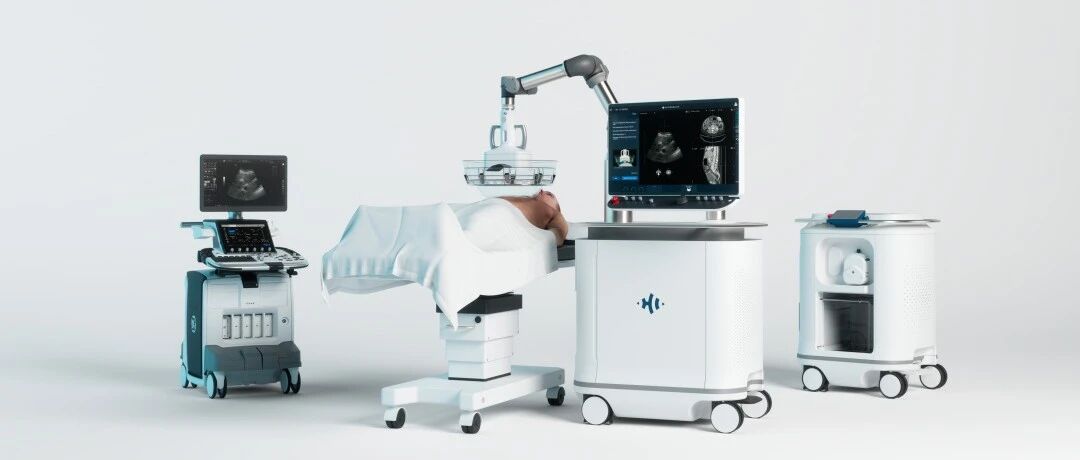
Core Insights - HistoSonics has successfully completed a $250 million oversubscribed financing round, reflecting strong investor confidence in its innovative Histotripsy technology [2][8] - The company has transitioned from being a potential acquisition target to an independent technology platform, indicating a shift in capital market perceptions regarding non-thermal ablation technologies [4][6] - The CEO emphasized that maintaining independence is aimed at accelerating the clinical application of Histotripsy across various diseases, highlighting the technology's potential to redefine treatment paradigms [5][6] Financing and Investment Dynamics - HistoSonics has completed three significant capital actions in the past six months, including a $2.25 billion control transaction and the recent $250 million financing, showcasing a robust funding trajectory [2][8] - The financing round was led by prominent investors such as Thiel Bio and Bezos Expeditions, indicating a strong belief in the company's future [2][8] - The capital story reflects a broader trend of re-evaluating the value of acoustic surgery technologies in the medical field [2][6] Technological Innovation - Histotripsy, the core technology of HistoSonics, utilizes mechanical cavitation to non-invasively treat tissues without thermal damage, representing a significant advancement in energy-based surgical techniques [7][10] - The Edison system, the first FDA-approved device based on Histotripsy, integrates robotic arms with imaging technologies for precise treatment [7][10] - This technology offers a safer alternative for complex organ treatments, demonstrating high efficacy and minimal side effects [10][11] Clinical Validation and Expansion - HistoSonics has achieved FDA De Novo approval for the Edison system for liver tumor treatment, marking a significant milestone in the acceptance of mechanical ablation technologies [11][20] - Ongoing clinical studies, such as the HOPE4KIDNEY trial, are validating the technology's effectiveness in treating kidney tumors with minimal invasiveness [13][14] - The company is expanding its research into other areas, including pancreatic and prostate cancers, establishing a multi-organ treatment platform [14][20] Market and Commercialization Strategy - HistoSonics has deployed the Edison system in over 50 medical centers in the U.S., completing approximately 2,000 tumor treatments, indicating strong commercial traction [19][20] - The recent inclusion of Histotripsy in insurance coverage by major providers signifies a critical step towards mainstream acceptance and reimbursement [19][20] - The company's strategy reflects a shift from being a research-focused entity to a sustainable medical service platform, enhancing its long-term revenue potential [20] Industry Implications - HistoSonics' advancements signal a redefinition of surgical boundaries, moving towards non-invasive treatment options that challenge traditional surgical methods [21][23] - The success of Histotripsy may influence other medical device companies to explore platform technologies that address multiple disease areas rather than focusing on single products [23] - The ongoing evolution in energy-based surgery reflects a broader industry trend towards minimizing invasiveness and enhancing patient outcomes [21][23]
脑机接口闭门沙龙成功举办——投海Demo Day再升级:应用场景+深度交流
思宇MedTech· 2025-10-17 02:52
Core Viewpoint - The event "投海Demo Day·脑机接口闭门沙龙" successfully facilitated deep exchanges among various stakeholders in the brain-computer interface (BCI) field, aiming to drive the transition of BCI technology from laboratory to clinical application and industrialization [1] Group 1: Event Overview - The event was hosted by the Zhongguancun Science City Management Committee and supported by various institutions, including the Haidian District Disabled Persons' Federation and several investment firms [1] - Over 60 ecological funds and industry enterprises participated, creating a multi-faceted platform for collaboration among government, industry, academia, research, and medical applications [1] Group 2: Project Presentations - Six innovative projects showcased diverse technological pathways in the BCI field, including non-invasive, invasive, and minimally invasive techniques [3] - EMOTIV, a leading non-invasive BCI company from Silicon Valley, plans to enter the Chinese market in summer 2025, focusing on consumer interaction, commercial applications, and medical diagnostic support [3] - Other companies presented included: - 柚果科技, offering a full-chain solution from auxiliary examination to precise treatment using non-invasive BCI and AI technologies [4] - 明视脑机, specializing in neurophysiological devices for brain science and rehabilitation [4] - 灵犀医学, focusing on medical BCI and AI for brain disease analysis [4] - 中科意象, providing minimally invasive implanted BCI systems for various neurological disorders [4] - 柔灵科技, with products like brain-sleep monitoring patches and neuromuscular hand rings [4] Group 3: Roundtable Discussions - Two roundtable forums discussed "Technological Breakthroughs and Clinical Transformation" and "Industry Ecosystem and Policy Support," featuring insights from experts across clinical, academic, capital, and corporate sectors [7] - The first forum highlighted challenges in clinical transformation, emphasizing the need for better collaboration between medical and engineering fields, as well as the establishment of rigorous clinical trial quality control [8] - The second forum focused on creating a supportive environment for long-term industry development, advocating for the construction of clinical demand databases and ethical frameworks to build public trust [10] Group 4: Outcomes and Future Prospects - The event successfully established an efficient platform for connecting technology, capital, and application scenarios, promoting resource aggregation and industry collaboration in the BCI field [13] - Preliminary cooperation intentions were established between over twenty investment institutions and presenting companies, indicating a positive outlook for the BCI industry in Haidian [13]

合并!两家医疗器械CDMO公司
思宇MedTech· 2025-10-16 01:29
Group 1 - The merger of Intricon and Minnetronix Medical to form Forj Medical represents a trend towards a systematic and integrated outsourcing model in the medical device industry, which is relevant to the upgrade direction of China's medical device sector [2] - Forj Medical will serve as an end-to-end contract development and manufacturing organization (CDMO), with a focus on comprehensive product lifecycle management rather than traditional OEM roles [8][9] - The merger is driven by the increasing complexity of medical devices, where clients seek integrated partners capable of handling design, validation, and manufacturing to reduce interface risks and shorten time-to-market [9][10] Group 2 - Intricon specializes in miniaturized medical electronics and has a core competency in system integration, with a reported annual revenue of approximately $125 million in 2021 and around 800 employees [3] - Minnetronix Medical is recognized for its engineering expertise in optical, energy, and complex systems, with over 180 FDA 510(k) or De Novo project experiences and around 350 full-time employees [5][6] - The merger is supported by Altaris Capital Partners, which focuses on the integration of the medical manufacturing industry and plays a significant role in upgrading the Minnesota medical industry cluster [11] Group 3 - The integration of Forj Medical will face challenges in achieving true synergy, requiring the unification of engineering languages across various technical domains such as microelectronics, optics, and automation [12][14] - The company aims to provide a full process from concept design to mass production, focusing on areas like diabetes management, vascular diseases, and surgical navigation [13] - Successful integration will depend on addressing technical, organizational, and supply chain management challenges to realize the potential synergies of the merger [15] Group 4 - The emergence of Forj Medical serves as a reference for the manufacturing upgrade of China's medical device industry, highlighting the need for companies to develop system-level integration capabilities [16][17] - The direction of industry upgrades should focus on transitioning from manufacturing to system design capabilities, establishing modular and platform-based approaches, and integrating international quality systems [18] - There is potential for similar mergers in China, which could create new global partnerships if domestic manufacturers meet international quality standards [19] Group 5 - The merger of Intricon and Minnetronix signifies a shift from specialization to systematization in the medical device manufacturing sector, reflecting a restructured ecosystem centered on system integration and global collaboration [20]

器械龙头官宣:重点投入手术机器人、心血管、视力板块
思宇MedTech· 2025-10-16 01:29
Core Viewpoint - Johnson & Johnson is entering a new growth cycle focused on surgical robotics, cardiovascular technology, and portfolio restructuring, with plans to spin off its orthopedic business within the next two years [2] Group 1: Rationale for Focus - The company is systematically reallocating resources from low-growth sectors, such as traditional implants and consumables, to high-growth areas including surgical robotics, cardiovascular interventions, and digital surgical ecosystems [4] - This strategic shift is driven by two main factors: market trends towards minimally invasive, intelligent, and digital surgery, and Johnson & Johnson's strong capabilities in surgical instruments, visualization systems, and digital data management, bolstered by recent large-scale acquisitions in the cardiovascular field [4] Group 2: Key Business Lines - Surgical Robotics: The company is focusing on dual main lines and localization strategies, with flagship projects like Ottava, an integrated laparoscopic robotic system designed to optimize surgical workflow and space utilization [5][6] - The Monarch platform, developed for early lung cancer diagnosis and biopsy, is set to expand into neurosurgery and urology, with AI navigation and imaging enhancement features [9] - Investment in RealStar Surgical, a Chinese company developing a modular laparoscopic robotic system, highlights the company's strategy to deepen its presence in emerging markets [10] Group 3: Financial Signals - In Q2 2025, Johnson & Johnson reported total revenue of approximately $23.7 billion, a year-on-year increase of 5.8%, with cardiovascular and surgical businesses contributing significantly to this growth [12] - The orthopedic market is experiencing a slowdown, prompting the decision to spin off the orthopedic business to enhance capital efficiency and overall valuation [12] Group 4: Orthopedic Business Handling - The orthopedic division, DePuy Synthes, will be spun off into an independent company within 18-24 months, allowing it to grow at its own pace while retaining its brand and product system [15] Group 5: Observations - The restructuring is seen as a strategic move to align the business structure with the innovation cycle in medical technology, focusing on high-growth areas like robotics and cardiovascular solutions [16] - Johnson & Johnson's robotic layout is forming a global dual-track system, while cardiovascular integration is accelerating the construction of a comprehensive treatment loop [18]


1710亿!财报发布!强生拟分拆骨科业务
思宇MedTech· 2025-10-15 03:38
Core Viewpoint - Johnson & Johnson announced the spin-off of its orthopedic business, DePuy Synthes, into an independent company, further focusing on high-growth core areas after the 2023 spin-off of its consumer health business, Kenvue [2][8][23] Financial Performance - In Q3 2025, Johnson & Johnson reported global sales of $23.993 billion, a 6.8% increase year-over-year, exceeding market expectations [5][6] - Net earnings reached $5.152 billion, reflecting a 91.2% increase compared to the previous year, with diluted EPS at $2.12, up 91% [5][6] - The company raised its full-year sales guidance for 2025 to approximately $93.7 billion, indicating a growth of about 5.7% [7] Business Segment Performance - Innovative Medicine segment generated approximately $15.2 billion in sales, a 5.3% increase, driven by strong sales of oncology drugs [9] - MedTech segment reported sales of about $8.8 billion, a 6.1% increase, with cardiovascular business growth exceeding 22% [9] - DePuy Synthes, accounting for about 10% of total revenue, had projected revenue of approximately $9.2 billion for FY 2024, but its growth rate is slower compared to other segments [11] Spin-off Details - The spin-off of DePuy Synthes is expected to be completed within 18-24 months, targeting mid-2027, with a preference for a tax-free spin-off structure [13] - The orthopedic business will maintain its current operational strategy until the spin-off is finalized, focusing on growth and innovation [13] Leadership and Governance - Namal Nawana, a member of the current Johnson & Johnson MedTech leadership team, will serve as the global president of DePuy Synthes, leading the spin-off efforts [16] Strategic Intent and Value Logic - The spin-off aims to enhance Johnson & Johnson's focus on high-growth, high-margin sectors, while allowing DePuy Synthes to operate independently with a clearer strategic direction [17] - DePuy Synthes will have the flexibility to invest in innovative technologies and respond quickly to market changes, positioning itself as a leading orthopedic company [17] Market Impact and Industry Dynamics - The announcement led to a temporary decline in Johnson & Johnson's stock price, reflecting investor caution regarding the spin-off's short-term uncertainties [18][19] - The spin-off is expected to create a clearer business structure, potentially attracting different types of investors and allowing for more appropriate capital pricing for both entities [20][22] - DePuy Synthes will compete directly with major orthopedic players like Stryker and Zimmer Biomet, leveraging its strengths in digital and robotic surgery technologies [21]