思宇MedTech

Search documents
融资3.6亿!慢性疼痛创新疗法
思宇MedTech· 2025-09-25 09:09
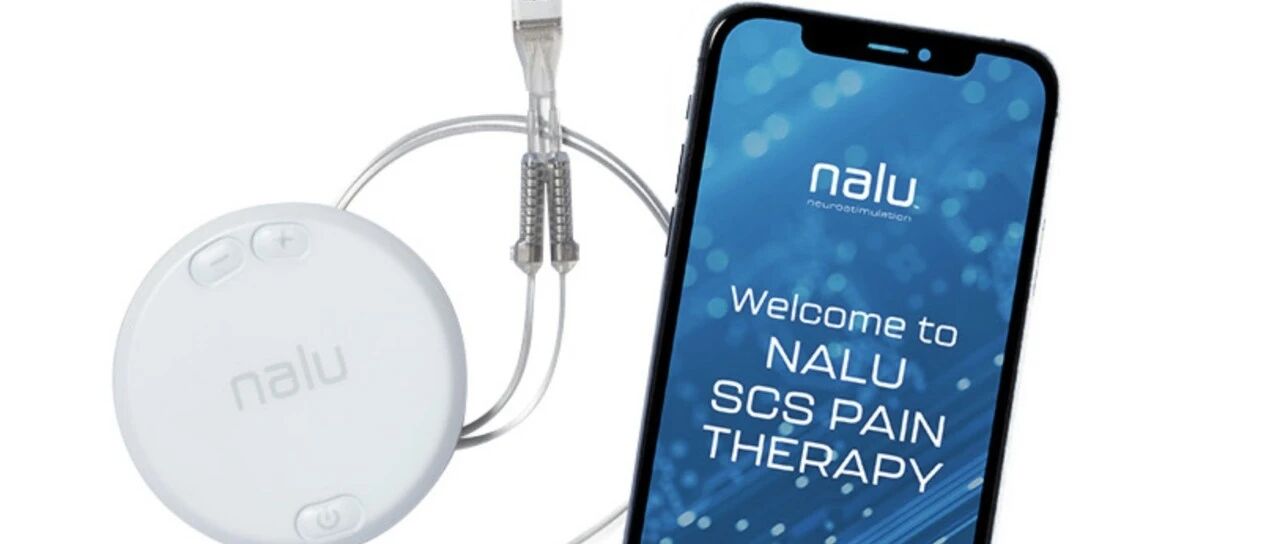
Core Viewpoint - Trinity Capital Inc. is providing up to $50 million in growth capital to Nalu Medical to support its rapid expansion in the commercialization phase, following recent FDA approvals and a $85 million Series E funding round [1][2]. Financing Purpose and Strategic Significance - Nalu Medical will use the funding to expand its sales and marketing team, enhance production and inventory capabilities, increase market promotion, and improve coverage in major pain clinics across the U.S. [2]. - The CEO of Nalu Medical emphasized that this financing will accelerate the transition from pilot markets to a nationwide rollout, ensuring more chronic pain patients can access Nalu's minimally invasive treatment solutions [2]. - Trinity Capital's managing director noted Nalu's differentiated technological barriers in the neuromodulation space, aiming to fill the current gaps in chronic pain treatment [2]. Industry Background and Opportunities - Chronic pain is one of the most common health issues globally, with existing treatments primarily relying on opioid analgesics, which carry risks of tolerance, dependence, and abuse [2]. - Neuromodulation therapies, particularly spinal cord stimulation (SCS) and peripheral nerve stimulation (PNS), are recognized as advanced treatment options that provide long-term and safe pain control [2]. Market Landscape - The market is currently dominated by three major players: Medtronic, Abbott, and Boston Scientific, which collectively hold over 80% market share, primarily offering traditional implantable pulse generators (IPGs) [3]. - Traditional IPGs are large, uncomfortable for patients post-implantation, require frequent recharging or battery replacement, and have high secondary surgery rates, limiting treatment accessibility [3]. - Nalu Medical's innovative solutions offer a disruptive alternative: smaller, more comfortable, easier to operate, and more cost-effective [3]. Company Overview - Nalu Medical, founded in 2015 and headquartered in Carlsbad, California, focuses on innovative medical devices for chronic neuropathic pain treatment [4]. - The company has completed over $200 million in equity financing, with notable investors including B Capital, Gilde Healthcare, MVM Partners, and Novo Holdings [4]. - The management team consists of industry veterans, with CEO Tom West having extensive commercialization and market expansion experience [4]. Clinical Progress - The latest one-year follow-up data from the Nalu COMFORT study shows that 87% of patients experienced over 50% pain relief, with an average pain reduction of 69% [9]. - 95% of patients reported overall improvement, with over 70% experiencing reduced disability and improved quality of life [9]. - The CEO stated that the one-year postoperative data surpasses other published PNS randomized controlled trials, confirming the significant and lasting improvements Nalu's technology can provide to chronic pain patients [9]. Product Introduction - Nalu Medical's micro-IPG is 1/27 the size of traditional IPGs, features a no-battery design, and is nearly undetectable post-implantation, significantly enhancing patient comfort [10]. - The external therapy disc powers the IPG wirelessly, eliminating the need for battery replacement surgeries and extending device lifespan to 18 years [10]. - An intelligent control app allows patients to adjust stimulation parameters for personalized treatment, with software updates available online to avoid additional surgeries [10]. Conclusion - With the $50 million growth capital from Trinity Capital, Nalu Medical's commercialization process is entering an accelerated phase, aiming to disrupt the long-dominated neuromodulation market and promote chronic pain treatment that is more minimally invasive, affordable, and accessible [9].

全球医疗“风向标”首落广州!第92届CMEF医博会即将启幕
思宇MedTech· 2025-09-25 09:09
Core Viewpoint - The 92nd China International Medical Equipment Fair (CMEF) will be held in Guangzhou from September 26 to 29, showcasing the latest innovations in the medical technology sector and establishing Guangzhou as a global hub for healthcare technology [6][34]. Group 1: Event Overview - The CMEF will cover an exhibition area of nearly 200,000 square meters, featuring around 4,000 companies from nearly 20 countries, and is expected to attract over 120,000 professional visitors [6][34]. - This year's theme is "Health, Innovation, Sharing - Co-drawing a New Blueprint for Global Healthcare," emphasizing the integration of global resources and advanced technologies [6][34]. Group 2: Key Features of CMEF - The inaugural "CMEF Health Promotion Conference" will be launched, along with the release of the "China Medical Device Innovation Research White Paper" [7]. - The first "International Healthy Lifestyle Exhibition" will be introduced, focusing on a comprehensive health management approach throughout the life cycle [7][15]. Group 3: Industry Trends and Innovations - The exhibition will highlight the application of AI in healthcare, showcasing products such as intelligent diagnostic devices and AI-assisted surgical systems [12]. - There will be 28 themed exhibition areas covering various medical fields, including ultrasound, radiology, medical robotics, and personal health [10][12]. Group 4: Local and International Participation - Guangzhou, as a core hub of the Guangdong-Hong Kong-Macao Greater Bay Area, hosts over 6,500 enterprises in the biomedicine and health sector, forming a complete industrial ecosystem [10][29]. - The international exhibition area will feature representatives from nearly 20 countries, showcasing global innovations and diverse medical solutions [13][29]. Group 5: Market Opportunities - The health management industry in China is projected to reach a market size of 21,898 billion yuan by 2025, with significant growth expected in the coming years [15]. - The CMEF aims to bridge the gap between professional medical services and consumer health, marking a strategic upgrade towards a "medical + consumer" platform [16]. Group 6: Forums and Discussions - Nearly 70 high-end forums and thematic meetings will be held, focusing on international cooperation, policy regulations, market expansion, and industry development [25]. - The conference will address key topics such as regulatory compliance and innovative medical device market access strategies [26][27].

最新临床结果!美敦力全球首个闭环DBS系统
思宇MedTech· 2025-09-24 09:09
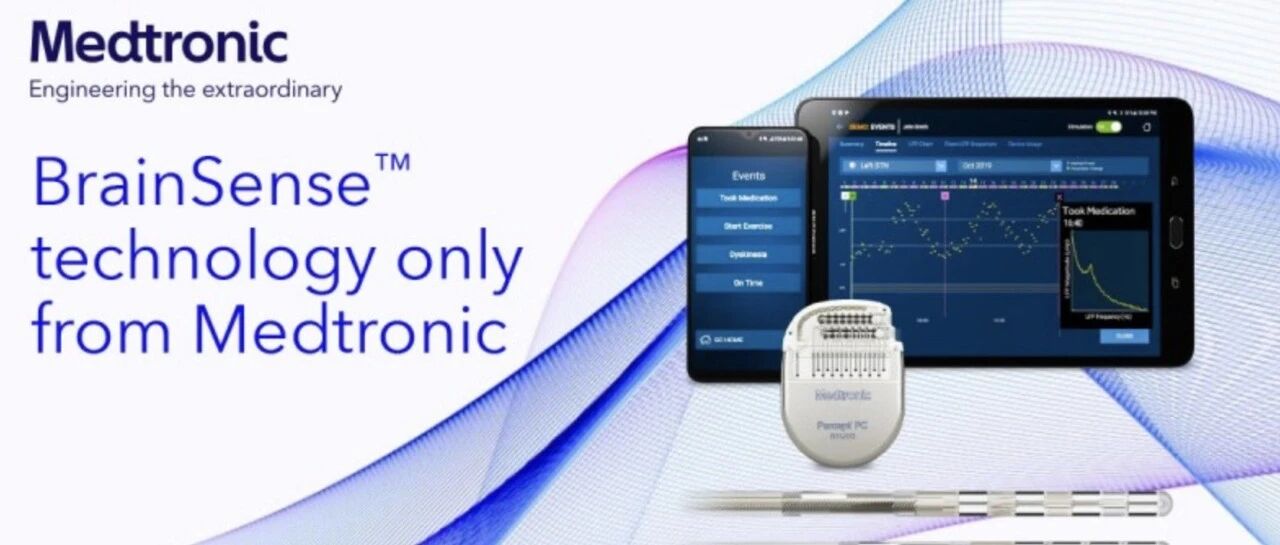
Core Viewpoint - Medtronic's ADAPT-PD trial results demonstrate the safety and efficacy of the BrainSense™ adaptive deep brain stimulation (aDBS) system for treating Parkinson's Disease, marking a significant advancement in personalized neurostimulation therapy [1][22]. Clinical Trial Results (ADAPT-PD) - The ADAPT-PD study is a multi-center, prospective, single-blind, randomized crossover trial initiated in 2021, involving 68 primary cohort patients and 17 directional stimulation cohort patients across 10 research centers in the US, Canada, and Europe [2]. - Two adaptive algorithm modes were tested: Single Threshold mode, which adjusts stimulation intensity rapidly within 250 milliseconds, and Dual Threshold mode, which changes stimulation intensity gradually over several minutes [4]. Key Results - Under the Dual Threshold aDBS mode, patients experienced an average increase of approximately 1.3 hours in daily ON time and a reduction of about 1.6 hours in OFF time; when using a self-selected aDBS mode, ON time increased by about 1.4 hours and OFF time decreased by 1.7 hours [7]. - The primary endpoint showed that 91% of patients in the Dual Threshold mode achieved equivalence in "ON time without troublesome dyskinesia" compared to traditional continuous DBS, while the Single Threshold mode had a success rate of 79% [10]. Product Technical Features (BrainSense™ aDBS System) - The BrainSense™ aDBS system features a closed-loop design that allows real-time monitoring of brain activity and automatic adjustment of stimulation parameters, enhancing treatment personalization and reducing the need for frequent manual adjustments [15]. - Energy efficiency was noted, with the Single Threshold aDBS mode showing an average reduction of about 15% in total energy consumption compared to continuous DBS, indicating potential for extended battery life [16]. Clinical Evidence - The clinical validation of the BrainSense™ aDBS system has progressed through a series of studies, culminating in the publication of the ADAPT-PD trial results in JAMA Neurology, confirming the efficacy and safety of the aDBS technology [22][23]. Impact on Parkinson's Disease Treatment - The introduction of the BrainSense™ aDBS system addresses the limitations of traditional DBS, which often requires frequent adjustments due to its continuous stimulation approach, thereby improving patient quality of life [24][26]. - The results from the ADAPT-PD trial signify a transformative shift in treatment modalities from continuous stimulation to intelligent, personalized, and dynamic interventions, potentially setting a new standard for precision neurotherapy [26].

又一并购完成!打造“医院到家”糖尿病管理平台
思宇MedTech· 2025-09-24 09:09
Core Insights - Glooko, Inc. has acquired Monarch Medical Technologies to enhance its diabetes management platform, expanding from outpatient and home care to inpatient glucose control, creating a comprehensive "hospital-to-home" diabetes management solution [1][23] Acquisition Details - Monarch will operate independently in the short term, ensuring that EndoTool users are not affected, with a long-term goal of integrating EndoTool's algorithms into Glooko's existing platform [2][3] Product Highlights of Monarch/EndoTool - EndoTool is a recognized advanced insulin dosing decision support system, approved by the FDA, utilizing model predictive control (MPC) algorithms to recommend insulin doses based on various patient factors [7][12] - The system has been deployed in over 300 hospitals across the U.S., serving 8 out of the top 10 healthcare systems, and targets 30%-40% of hospitalized patients requiring insulin treatment, approximately 17 million patients annually [5][9] Clinical Impact - EndoTool significantly reduces the risk of hypoglycemia by over 50% and accelerates the achievement of target blood glucose levels, with a low hypoglycemia occurrence rate of approximately 0.01% [14] - The system integrates seamlessly with major electronic health record (EHR) systems, providing real-time dosing recommendations and ensuring continuous operation in high-risk environments [12][20] Glooko's Product Ecosystem - Glooko's mobile app serves as a comprehensive diabetes management tool, allowing users to track their blood glucose levels and treatment progress, while the web app aids healthcare providers in monitoring and managing patient care [16][18] - The platform supports over 200 diabetes-related devices, enabling data synchronization and closed-loop management across various care settings [20] Future Outlook - With the integration of EndoTool, Glooko aims to serve over 5 million users by 2026, establishing a unique position in the global digital diabetes ecosystem and enhancing safety and efficiency in glucose management for hospitals and patients [23]

3D软镜来了!国产首款全面解读
思宇MedTech· 2025-09-23 10:33
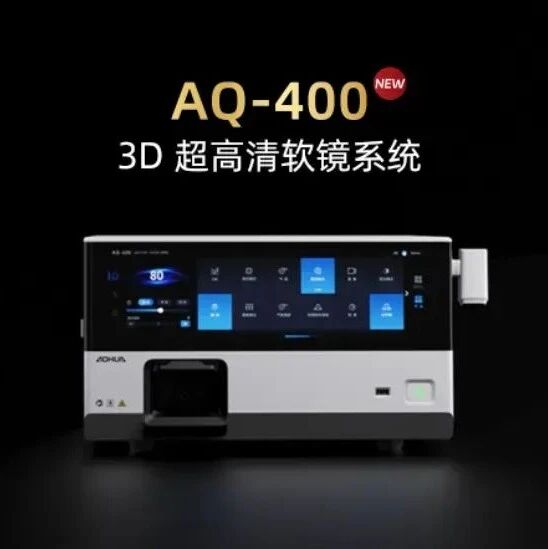
Core Viewpoint - The advancement of 3D imaging technology in endoscopy represents a significant evolution in medical diagnostics, enhancing the ability to detect and treat diseases more accurately and safely [2][6][14] Group 1: Limitations of Traditional Endoscopy - Traditional 2D imaging in endoscopy has limitations, such as difficulty in identifying subtle lesions on mucosal surfaces, which can lead to missed diagnoses [3][4] - The lack of depth perception in 2D images complicates surgical procedures, making it challenging for less experienced doctors to accurately judge the distance between instruments and tissue layers [3][4] Group 2: Advantages of 3D Endoscopy - The introduction of 3D endoscopy allows for clearer visualization of lesions, improving early cancer detection rates by making subtle changes more apparent [6][7] - 3D imaging enhances the precision of biopsy procedures by providing clear spatial relationships, reducing unnecessary adjustments and minimizing tissue damage [7][9] - In complex surgeries, 3D visualization helps surgeons avoid critical blood vessels and reduces the risk of complications such as perforation and bleeding [7][9] Group 3: Technological Innovations - The development of the AQ-400, the first domestic 3D ultra-high-definition soft endoscope by Aohua, marks a significant milestone in China's high-end endoscopic equipment [6][14] - Aohua's 3D endoscope integrates dual imaging systems within a flexible design, overcoming significant technical challenges and enhancing clinical capabilities [6][9] - The AQ-400 maintains 4K ultra-high-definition quality while providing a clear, sharp, and shadow-free 3D view, allowing for detailed visualization of anatomical structures [11][12] Group 4: Future Implications - The emergence of 3D soft endoscopy is not just a technical upgrade but a redefinition of endoscopic diagnostic logic, paving the way for more precise and safer medical interventions [6][14] - The advancements in 3D imaging technology are expected to lead the Chinese endoscopy market towards a new era characterized by improved accuracy and safety in patient care [14]

最新!前西门子高管加盟跨国医械巨头
思宇MedTech· 2025-09-23 10:33
Core Insights - Integra LifeSciences appointed Dr. Raymond Turner as Chief Medical Officer, aiming to enhance clinical development and evidence-based medicine initiatives [2][11][12] Company Overview - Integra LifeSciences, headquartered in Princeton, New Jersey, operates in over 100 countries, focusing on neurosurgery and regenerative surgery [7] - The company’s core products include artificial dura mater, craniofacial repair materials, skin substitutes, and specialized surgical instruments for microsurgery and ENT [7] Recent Developments - In Q4 2024, Integra reported revenues of approximately $442.6 million, with annual revenues around $1.6105 billion, highlighting significant growth in neurosurgery and cerebrospinal fluid management [7] - The company has been actively expanding its product pipeline, including a $275 million acquisition of Johnson & Johnson's Acclarent to enhance its ENT and navigation systems product lines [10] Leadership Impact - Dr. Turner’s extensive clinical and industry experience positions him to bridge the gap between clinical practice and corporate strategy, enhancing the company’s competitive edge [5][9] - His appointment aligns with the industry shift from "engineering-driven" to "clinical-driven" approaches in medical device companies [11] Strategic Focus - The company is implementing a Compliance Master Plan to address production capacity challenges and strengthen its quality and compliance systems [10] - Turner will oversee global clinical trial design and execution, aiming to enhance real-world evidence (RWE) collection to support post-market product value [13]

免费报名最后一天!第二届医疗器械研发创新论坛
思宇MedTech· 2025-09-23 10:33
Core Viewpoint - The second Medical Device R&D Innovation Forum will be held during the Medtec China 2025 exhibition in Shanghai, focusing on product innovation pathways and implementation mechanisms [2][3]. Agenda Summary Morning Session - Opening remarks will commence at 09:30, followed by various presentations including: - Exploration of medical-engineering integration in research hospitals by Lei Juan, highlighting innovation and transformation [2] - Discussion on new interventional technologies and related patents by Cao Gangyi, CEO of Huanxin Medical [2] - Successful practices in building multi-level medical technology clusters presented by Wang Hanxuan, a Swiss PSI scientist [2] - Research on vascular injury repair and regenerative materials by Wang Kai from Nankai University [2] - Current status and innovative thoughts on ultrasonic energy surgical instruments by Feng Gengchao, founder of Shenzhen Segasys Medical Technology [2] - Development and transformation of Chro-Mg™ time-controlled degradable magnesium alloy by Shi Chen, CEO of InnoCo [2]. Afternoon Session - The afternoon will feature additional presentations starting at 13:30, including: - Overview of the entire medical device R&D process and overseas case studies by Zhao Qing, founder of Siyu MedTech [3] - Key points on medical device testing and compliance standards by Shi Daifeng, Technical Director at China Inspection Huatuo [4] - Applications and efficacy of PDRN (salmon-derived beauty injections) in aesthetic implants by Zhou Gui, General Manager of Beijing Lila Technology [4] - Discussion on fully degradable stents for diabetic below-knee artery intervention by Han Chen, co-founder of Beijing Haisheng Medical Devices [4] - Exploration of the starting point for medical device innovation incubation by Zhang Bowei, CTO of Vascular Cube Medical Device Incubation Platform [4] - Trends in vascular reduction technology presented by Wang Yang, founder and General Manager of Jintai Medical [4] - Applications and practices of common polymer biomaterials in implantable medical devices by Guan Zenggang, R&D Director at Haiwang Medical [4] - AI-assisted planning for structural heart interventional surgeries by Xue Zhenling, General Manager of Xixin Technology [4].
美敦力新品获批!尿失禁治疗新突破
思宇MedTech· 2025-09-22 04:20
Core Viewpoint - Medtronic's Altaviva device has received FDA approval as the first implantable tibial nerve stimulation device for treating overactive bladder (OAB), specifically urgency urinary incontinence (UUI), offering a new treatment option for millions of patients suffering from this condition [2][12]. Group 1: Technology and Clinical Features - The Altaviva device is implanted through a small incision at the ankle, making it a minimally invasive procedure that does not require sedation or imaging guidance, thus simplifying the operation [3]. - The device is approximately the size of half a piece of gum and is implanted just above the subcutaneous fascia, ensuring it does not interfere with daily activities [5]. - Compared to traditional therapies, Altaviva offers low invasiveness and long-term efficacy, emphasizing "no daily maintenance," which reduces the burden on patients [7]. Group 2: Clinical Trial Data - The approval of Medtronic's Altaviva is based on a series of clinical studies, including the TITAN 2 pivotal trial (NCT05226286) and the TITAN 1 feasibility study (NCT04873271) [8][9]. - The mechanism of action involves delivering electrical pulses to stimulate the tibial nerve, helping restore nerve signal transmission between the bladder and the brain, thereby improving bladder control [10]. - The core evidence for FDA approval included data from 188 UUI patients, showing that at 6 months post-implantation, at least 50% of patients experienced a reduction in UUI episodes [11]. - Safety data reported five adverse events related to the device or procedure, with one severe case requiring device removal after six weeks [11]. Group 3: Market Overview - Urinary incontinence is a widespread health issue globally, significantly impacting patients' quality of life, with over 25 million adults in the U.S. affected, particularly women over 50 [13]. - The global urinary incontinence treatment device market was valued at approximately $3.1 to $3.8 billion in 2023, projected to reach $6 to $6.5 billion by 2032, with a compound annual growth rate (CAGR) of 8% to 11% [13]. - Sacral nerve stimulation (SNS) is currently the most common implantable therapy in this field, with a market size of around $1.6 billion in 2023, expected to grow at a CAGR exceeding 11% by 2030, particularly in the Asia-Pacific region [13]. Group 4: Product Structure and Regional Market - Among various treatment options, the urethral sling represents the largest revenue-generating product category, with a market size exceeding $1.5 billion in 2023 [14]. - The U.S. remains the largest single market for urinary incontinence treatments, projected to reach approximately $3.78 billion by 2025, while the Chinese market is also growing rapidly, expected to reach about $380 million by 2025, with a similar CAGR of around 11% [14]. Group 5: Industry Trends - The launch of Medtronic's Altaviva device reflects a shift in the urinary incontinence treatment landscape, moving from traditional sacral nerve stimulation to more targeted and compact implantable solutions, indicating a growing demand for "minimally invasive, long-lasting, and high-compliance" treatments [16]. - The significant unmet treatment needs among the large population of urinary incontinence patients are driving accelerated investments in this field, with Altaviva's approval reinforcing Medtronic's leadership in nerve modulation and setting a new direction for product iteration in the industry [16].

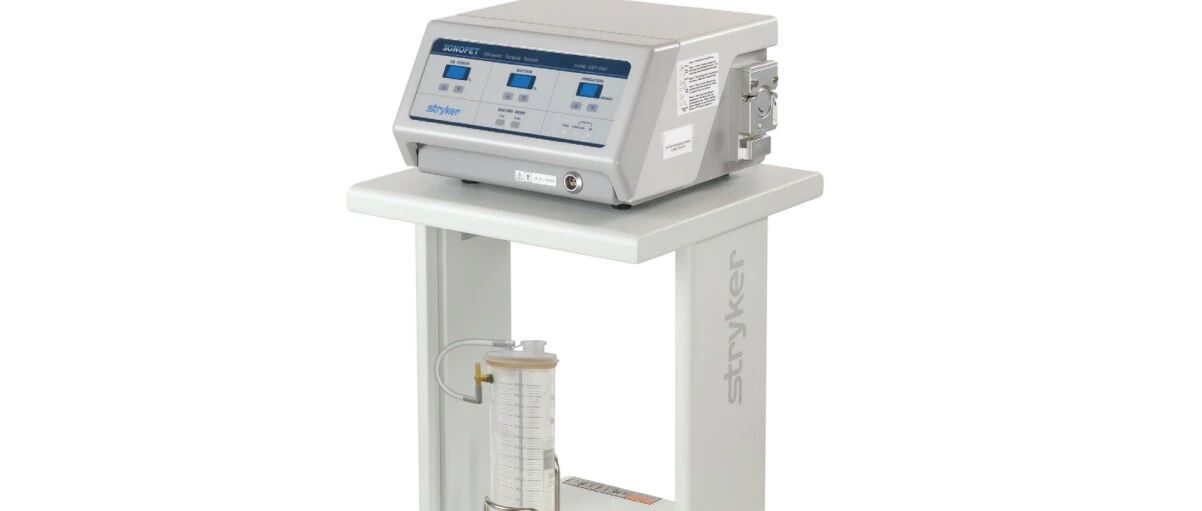
20年技术积累,超声外科吸引设备的系统性进化
思宇MedTech· 2025-09-22 04:20
Core Viewpoint - The article emphasizes the importance of evaluating medical technologies based on their long-term clinical integration and practical utility rather than just their initial market launch or flashy presentations. Sonopet, an ultrasonic aspirator system, exemplifies a technology that has proven its value through extensive clinical use and continuous improvement over two decades [2][19]. Group 1: Product Evolution and Clinical Journey - Sonopet originated in Japan and was acquired by Stryker in 2009, initially marketed as a soft tissue removal tool for complex surgeries, particularly for calcified brain tumors [4][5]. - The system has evolved to include a "universal handle + interchangeable tip" design, allowing for applications across multiple specialties, including neurosurgery and orthopedics [4][5]. - Sonopet's initial device demonstrated high efficiency in tissue fragmentation and has shown the ability to replace traditional surgical tools in various procedures [5]. Group 2: Clinical Validation and Usage - In neurosurgery, Sonopet is used for safe tumor resection, with studies indicating reduced intraoperative bleeding and an average surgery time reduction of approximately 15% compared to traditional methods [6]. - The system is also utilized in orthopedic procedures, where its linear ultrasonic vibration minimizes vibration and debris, making it suitable for minimally invasive approaches [6][8]. - Sonopet has gained acceptance in ENT and maxillofacial surgeries due to its controlled tissue destruction and low thermal damage, becoming a common tool in these fields [6][7]. Group 3: Technical Features and Innovations - Sonopet employs low-frequency ultrasonic technology, allowing for precise control of energy output to effectively emulsify tissue without overheating or excessive vibration [11][13]. - The system features a real-time perfusion-aspiration integrated pathway, which helps reduce surgical field obscurity and the risk of clogging, thereby lowering postoperative infection rates [11][13]. - The platform design of Sonopet allows for a variety of interchangeable tips, enhancing its versatility across different surgical disciplines [15][16]. Group 4: Market Strategy and Future Outlook - Stryker is focusing on localizing its research and manufacturing efforts in China, aiming to provide solutions that meet both global standards and local clinical needs [18][21]. - The company plans to launch its first domestically produced ultrasonic surgical system by the end of 2025, indicating a commitment to expanding its footprint in the Chinese market [21].
30天支付!医院回款机制进入快车道
思宇MedTech· 2025-09-22 04:20
Core Viewpoint - The article discusses the recent draft regulation by the Sichuan Provincial Medical Security Bureau aimed at improving the online settlement process for drug and medical consumables procurement, which is expected to shorten payment cycles and enhance the efficiency of medical insurance fund usage [2][3]. Group 1: Policy Background and Overall Goals - The draft regulation builds on the 2020 interim measures and addresses issues such as long payment cycles and financial pressure on hospitals and companies due to the implementation of centralized procurement [3][4]. - The main goal of the draft regulation is to refine existing policies and respond to the national trend of reforming medical insurance fund settlement [3][4]. Group 2: Settlement Mechanism for Centralized Procurement Products - The draft regulation establishes a systematic settlement mechanism for centralized procurement products, which includes a prepayment and phased payment model [4][8]. - Medical institutions must sign a prepayment agreement with the medical insurance agency, which will provide an initial payment of at least 50% of the contract amount within 15 working days of signing [7]. - This model ensures cash flow for companies during the initial supply phase and provides financial relief for hospitals, thereby reducing uncertainty in payment cycles [8][11]. Group 3: Non-Centralized Procurement Consumables Settlement - The draft regulation specifies a 30-day payment timeline for non-centralized procurement consumables, a significant improvement over previous payment cycles that could extend for months [13][15]. - This change aims to facilitate quicker cash recovery for non-centralized products under the new regulatory framework [15]. Group 4: Institutional Innovations - The draft regulation enhances the role of the regulatory account, which acts as a secure channel for all payments, ensuring that funds are managed safely and efficiently [17][20]. - A monthly reconciliation mechanism is mandated, requiring the provincial procurement service center to send transaction summaries to all parties involved within the first five working days of each month [18][33]. Group 5: National Policy Trends and Sichuan Characteristics - The Sichuan draft regulation aligns with national efforts to expedite payment processes for medical consumables, reflecting a broader trend in healthcare reform [40]. - The regulation combines national reform directions with local practical experiences, showcasing its forward-looking and feasible nature [40]. Group 6: Industry Impact and Multi-Party Benefits - The policy adjustments are expected to yield multiple positive effects for the industry, particularly by providing special support for innovative drugs, allowing direct settlements between medical insurance funds and companies [41]. - This approach emphasizes the importance of innovation in drug development and aims to facilitate the entry of more innovative products into clinical applications [41]. Group 7: Conclusion - The ongoing optimization of the payment mechanism in Sichuan reflects the overall direction of national medical insurance payment reforms, aiming to create an efficient financial flow among hospitals, medical insurance, and companies [42]. - The improvements in payment timelines for both centralized and non-centralized products indicate a gradual resolution of the "slow payment" dilemma, promoting a more efficient, transparent, and standardized settlement process [42].