
企业战略

Search documents
Alamo (ALG) - 2025 Q4 - Earnings Call Transcript
2026-03-03 16:02
Financial Data and Key Metrics Changes - Net sales for Q4 2025 were $373.7 million, down 3% from Q4 2024 [9] - Gross profit for Q4 2025 was $85 million, compared to $91.8 million in Q4 2024, with a gross margin of 22.7%, down 110 basis points [9] - Adjusted EBITDA for Q4 2025 was $44.8 million, or 12% of net sales, compared to $51.8 million, or 13.4% of net sales, in Q4 2024 [11] - Adjusted earnings per share for Q4 2025 was $1.70, down from $2.39 in Q4 2024 [11] - SG&A expenses for Q4 2025 were $58.3 million, up 9.3% from Q4 2024 [10] Business Line Data and Key Metrics Changes - Industrial Equipment Division net sales for Q4 2025 were $234.9 million, an increase of 4.2% compared to Q4 2024, with adjusted EBITDA of $41.5 million, or 17.7% of net sales [12] - Vegetation Management Division net sales for Q4 2025 were $138.7 million, a decrease of 13.2% compared to Q4 2024, with adjusted EBITDA of $3.2 million, or 2.3% of net sales [13] Market Data and Key Metrics Changes - The Industrial Equipment Division represented 59% of total net sales, while the Vegetation Management Division accounted for 41% [20][24] - Net orders in the Industrial Equipment Division were up 21% year-over-year, while net orders in the Vegetation Management Division were down 3% [19][23] Company Strategy and Development Direction - The company is focusing on four strategic pillars: People and culture, Commercial excellence, Operational excellence, and Capital deployment [25] - The company completed the expansion of its manufacturing facility in France, nearly doubling its size to support growth in Western Europe [25] - The company is pursuing tuck-in acquisitions, with a robust M&A pipeline, focusing on businesses with similar sales channels and product categories [27][52] Management Comments on Operating Environment and Future Outlook - Management expressed confidence in the company's direction and growth potential over the next three to five years [8] - The company anticipates a slowdown in growth rates for the Industrial Division in 2026, expecting flattish to low to mid-single-digit growth [32] - Management noted that the Vegetation Management Division is expected to stabilize and improve margins in 2026, aiming for adjusted operating margins of 15% in the long term [50][62] Other Important Information - The company approved a 13.3% increase in its quarterly dividend to $0.34 per share [17] - The company is in the process of divesting certain product lines that do not fit its long-term strategy [67] Q&A Session Summary Question: What are the growth expectations for the Industrial side in 2026? - Management expects flattish to low to mid-single-digit growth in 2026, with a focus on quality of earnings in the Snow business [32][33] Question: Can you provide details on the Petersen acquisition? - The Petersen acquisition is expected to be accretive and is in a growth end market, with a management team remaining in place [36][37] Question: How do you expect Vegetation margins to progress through 2026? - Management anticipates margin improvement in the Vegetation Management Division, aiming to return to at least 8% adjusted operating margins in 2026 [50][62] Question: What is the current M&A pipeline looking like? - The company is focused on tuck-in acquisitions, primarily in the Industrial space, with a robust pipeline being developed [52]

跨越速运董事长用免收春节服务费服务与关怀双线破局
Sou Hu Cai Jing· 2026-02-15 06:06
Core Insights - The intense market competition has made empowering employees, ensuring their rights, and fostering cohesion the core elements for high-quality corporate development [1] - The chairman of KuaYue Express, Hu Haijian, emphasizes a people-oriented approach, focusing on employee needs and creating a distinctive path for employee care [1][10] Employee Development - KuaYue Express has established a comprehensive training system that addresses the differentiated needs of employees at various levels, including grassroots, middle, and senior management [3] - This training system includes cultural immersion, leadership enhancement, and professional skill development, ensuring no blind spots in employee training [3] - New employees benefit from a rapid integration bridge, while existing employees have opportunities for skill iteration and career advancement [3] Employee Rights and Benefits - The company implements refined measures to safeguard employee rights, ensuring fair compensation and respect for their contributions [5] - KuaYue Express offers salaries above market rates and has introduced an innovative "one position, ten salaries" system, creating clear and fair promotion pathways for outstanding employees [5] - The company provides free accommodation for new employees and seeks collective public rental housing resources for eligible talents, significantly reducing living costs [5] Customer Service Initiatives - During the peak logistics season around the Spring Festival, KuaYue Express has adopted a customer-centric approach by waiving service fees, contrasting with competitors who charge for similar services [5] - This initiative not only alleviates customer burdens but also showcases the company's strength and commitment to service quality [5] Team Cohesion and Corporate Strength - The deep care for employees strengthens the psychological bond between the company and its workforce, forming a solid trust relationship [10] - This internal motivation supports the company in navigating fierce market competition and lays a strong human foundation for business achievements [10]


特朗普想独吞委内瑞拉石油,美国油企却纷纷退缩:不敢接盘
Sou Hu Cai Jing· 2026-01-19 04:13
Group 1 - Trump's announcement of U.S. oil companies entering Venezuela aims to restart oil production and develop infrastructure, but major U.S. oil firms remain silent and cautious [1][3][6] - Companies like ExxonMobil, ConocoPhillips, and Chevron express a focus on long-term returns and legal compliance rather than political rhetoric, reflecting the challenges of U.S. hegemony [3][6][9] - The political and security situation in Venezuela, exacerbated by the arrest of President Maduro, raises concerns for companies considering investment in the region [8][10] Group 2 - The need for significant investment to restore Venezuela's oil production capacity is highlighted, with estimates of at least $58 billion and a recovery period of over ten years [10] - U.S. legal barriers, including ongoing sanctions against Venezuela, create a dilemma for companies, as they risk legal repercussions while trying to operate in the country [12][14] - The divergence between government military actions and corporate decision-making emphasizes that companies prioritize stable legal frameworks and predictable returns over political motivations [14][16]



真心劝雷军退出小米直播,这关乎小米未来
Sou Hu Cai Jing· 2026-01-10 16:11
Core Viewpoint - The article emphasizes the need for Lei Jun to reconsider his approach to fan and traffic marketing, suggesting that he should step back from frontline marketing efforts to focus on strategic management of Xiaomi [1][4][20] Group 1: Issues with Current Marketing Strategy - Lei Jun's recent live stream aimed at clarifying misunderstandings has not effectively mitigated negative public sentiment towards Xiaomi, indicating that the "debunking" efforts have led to new issues rather than resolving existing ones [3][8] - The over-reliance on Lei Jun's personal brand has resulted in a negative impact on Xiaomi's overall brand image, highlighting the risks of equating the company too closely with its founder [8][12] - The article argues that successful companies do not depend solely on the personal brand of their founders but rather on their organizational structure, brand, and product quality [5][15] Group 2: Comparison with Other Companies - Historical examples from the tech industry, such as Apple and Microsoft, illustrate that companies can thrive post-founder leadership, emphasizing the importance of succession planning and organizational resilience [6][10] - The article contrasts Xiaomi's current situation with other tech companies where founders have stepped back from public roles, allowing for a focus on strategic growth and innovation [10][11] Group 3: Recommendations for Future Strategy - It is suggested that Lei Jun should reduce his public presence and allow other executives to take on marketing roles, thereby enabling him to concentrate on long-term strategic planning for Xiaomi [12][18] - The article advocates for a shift away from short-term traffic-driven marketing strategies towards a more sustainable approach that prioritizes brand and product development [19][20]

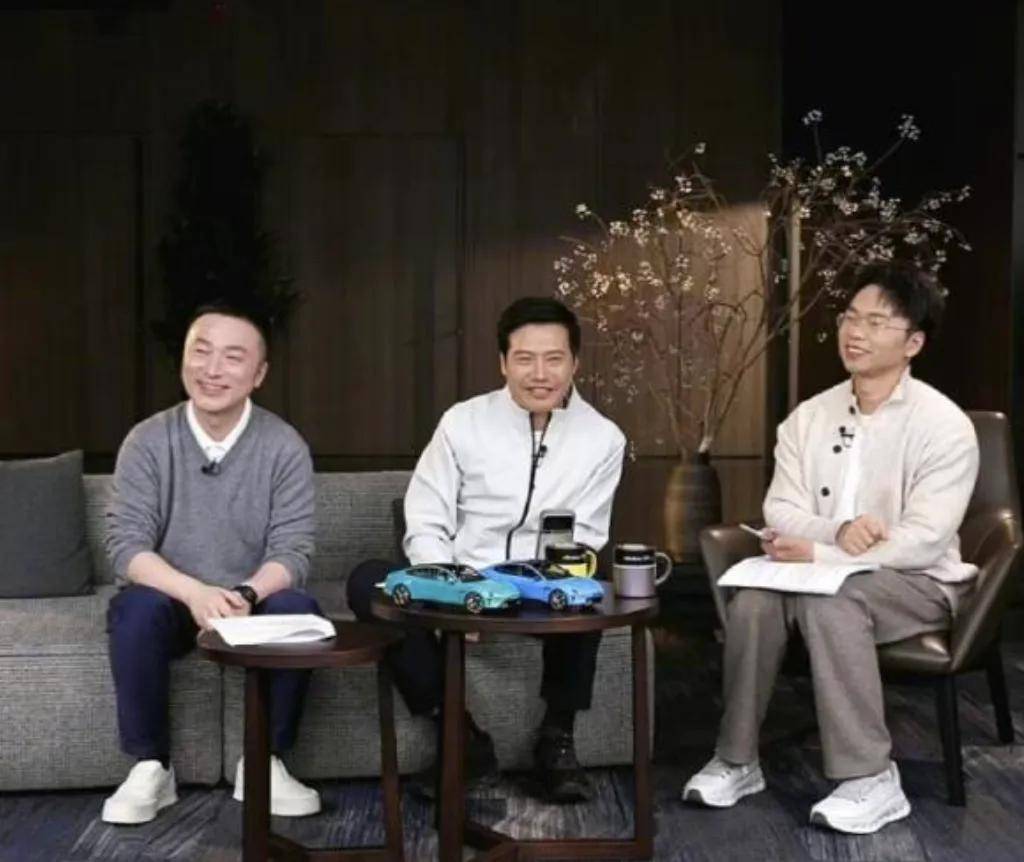
有真使命,才有真战略,解锁战略研讨会的四大困境
3 6 Ke· 2026-01-04 04:08
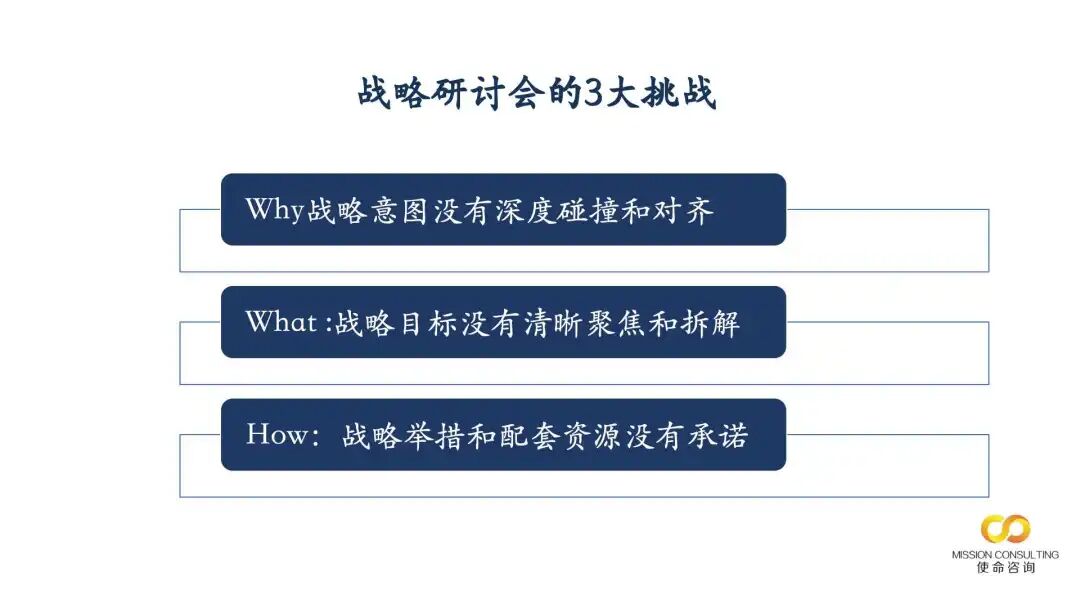
Core Insights - The article emphasizes the importance of strategic workshops as a time for reflection, learning, and alignment within organizations, yet highlights common issues such as lack of clarity, commitment, and execution post-workshop [1][3] Group 1: Strategic Challenges - The article identifies four key challenges in strategic perception, generation, execution, and review, suggesting that these challenges stem from internal behaviors and mindsets [6][10] - It describes "strategy" as a journey that requires deep understanding of both internal and external systems to create sustainable competitive advantages [6] Group 2: Strategic Perception - In the context of strategic perception, teams often exhibit an action-oriented mindset that lacks reflection and a reliance on past successes, which hinders future-oriented thinking [13][15] - The recommendation is to adopt a broader perspective by asking questions from macro, meso, and micro levels to better understand the industry and market dynamics [16] Group 3: Strategic Generation - The strategic generation phase is characterized by a single perspective in decision-making and a lack of diverse opinions, which prevents deep discussions and clear strategic positioning [18] - It is advised to incorporate external perspectives and diverse roles during discussions to foster collaboration and clarity in strategic objectives [19] Group 4: Strategic Execution - During strategic execution, teams often prioritize departmental interests over the overall organization, leading to suboptimal outcomes [21] - Recommendations include integrating strategic goals, making focused decisions, and ensuring that task breakdown considers insights about people and teams [22][23] Group 5: Strategic Review - In the strategic review phase, teams tend to focus on task outcomes rather than conducting in-depth reviews of operations and team capabilities [27] - The article suggests treating strategic reviews with the same seriousness as initial strategic workshops, emphasizing the need for objective assessments and future-oriented discussions [28] Group 6: Effective Strategic Workshops - Effective strategic workshops require a balance of emotional, intellectual, and physical engagement among participants [30] - Creating a safe environment for open dialogue is crucial for fostering trust and commitment among team members, enabling them to challenge each other's perspectives [31][34] - The article outlines steps to cultivate a culture of honesty and collaboration, which is essential for aligning individual and organizational missions [36]
江苏年度商业盛典!润泽园教育「战略嘉年华」透视未来5年新机遇
Jiang Nan Shi Bao· 2025-12-23 05:19
Core Insights - The "Strategic Carnival" organized by Runze Garden Education focuses on enhancing strategic leadership among entrepreneurs, addressing challenges such as strategic confusion and decision-making in a complex market environment [1][10] - The event spans three days and covers three main topics: era strategy, corporate strategy, and personal strategy, culminating in a personal strategy conference themed "Live the Life You Want" [1][3] Group 1: Event Overview - The "Strategic Carnival" took place in Xuzhou, Jiangsu, with over 130 chairpersons attending, including leaders from various companies [1] - The event was held simultaneously in 17 locations, with dual main venues in Beijing, creating an interactive and engaging learning atmosphere [1] - Runze Garden Education has hosted 17 sessions of the strategic leadership learning conference since 2022, attracting over 10,000 chairpersons, with more than 4,000 attending three or more sessions [2] Group 2: Strategic Themes - The first day focused on era strategy, featuring insights from economist Ma Guangyuan on China's economic trends and opportunities for the next five years [3] - The second day emphasized corporate strategy, discussing the essence of good strategy and paths to industry leadership, using IBM and Huawei as case studies [4] - The third day centered on personal strategy, exploring key life aspects such as children, career, health, and family, with participants sharing their personal strategic experiences [5][6] Group 3: Course Offerings and Future Projects - Runze Garden Education launched a new course titled "AB Line Principle: Parenting Edition," aimed at parents and their teenage children, set to begin on January 5, 2026, priced at 798 yuan per person [7] - The personal strategy project initiated recently aims to develop personal strategic planners for the next five, ten, and twenty years, inviting volunteers to participate [8] - The organization plans to recruit 30 young individuals and 300 entrepreneurs to address significant social issues, indicating a commitment to societal development [9]
王兵:CEO的“C”是文化,比战略、客户更重要
Sou Hu Cai Jing· 2025-12-13 16:20
Core Viewpoint - The essence of corporate culture is not just what is stated by leadership but is reflected in the actual behaviors and practices of both leaders and employees, which ultimately influences strategic decisions, investments, and risk management [4][6][8]. Group 1: Importance of Culture - Culture is defined as the mission, vision, values, governance, and behavioral norms of a company, and it serves as the foundation for effective corporate governance [6][7]. - A flawed cultural orientation can lead to incorrect strategic, investment, and personnel decisions [4][8]. - The culture of a company is a critical determinant of its competitiveness, vitality, and creativity [7][8]. Group 2: Decision-Making Framework - New employees are advised to consider four key questions to improve decision-making: whether the action aligns with common sense, whether it is logical, whether one can empathize with others' perspectives, and whether one can anticipate future outcomes [4][7]. - The concept of "bias and self-interest" is highlighted as a significant barrier to effective decision-making, emphasizing the need for impartiality in leadership [8][9]. Group 3: Case Studies - The case of Microsoft under CEO Satya Nadella illustrates the importance of cultural transformation in reviving a company's fortunes, with a focus on motivating talent and reshaping corporate culture [10][11]. - Danaher Corporation exemplifies a "value culture" that prioritizes maximizing corporate and shareholder value through strategic acquisitions and divestitures [11][12]. - The experience of a company in the building materials sector demonstrates how a strong sense of mission can guide decision-making and lead to sustainable growth and innovation [13][18]. Group 4: Strategic Insights - Companies should focus on high-quality and sustainable development rather than merely expanding for growth [15][16]. - The importance of financial metrics such as sales net profit margin and operating cash flow is emphasized for assessing business performance [14][15]. - A proactive approach to risk management and strategic foresight is essential for long-term success [17][18].
茅台新任董事长陈华回应“战略方向”:茅台可以有多种选择,都需要审慎研判
Xin Lang Cai Jing· 2025-11-28 07:09
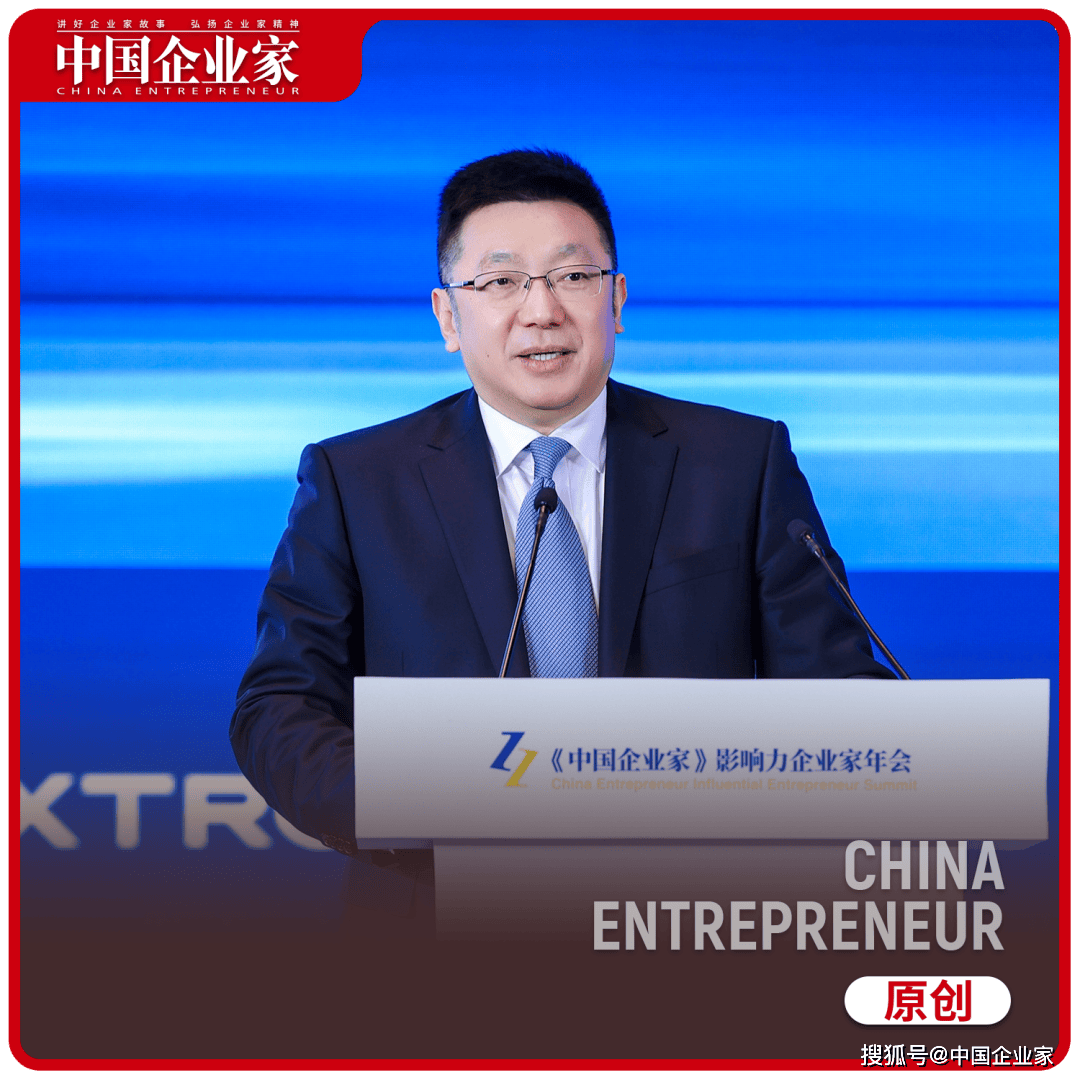
Core Viewpoint - The article discusses the strategic direction of Kweichow Moutai as articulated by Chairman Chen Hua during the company's first extraordinary shareholders' meeting for 2025, emphasizing the need for careful evaluation of development speed and quality in a challenging industry environment [1] Group 1: Strategic Direction - Kweichow Moutai aims to provide exceptional products and services to enhance consumer quality of life and experiences [1] - The company seeks to be a nurturing environment for employee growth and a stable home for their workforce [1] - As a responsible public company, Kweichow Moutai is committed to creating sustainable value for its shareholders [1] Group 2: Industry and Social Responsibility - The company emphasizes the importance of finding development opportunities for all participants in the supply chain to achieve mutual benefits [1] - Kweichow Moutai, as a national brand, is dedicated to fulfilling its social responsibilities and ensuring stable, healthy, and sustainable development [1]

四川合智汇联企业管理有限公司:企业战略对企业发展有什么意义?
Sou Hu Cai Jing· 2025-11-16 17:11
Group 1 - The core concept of corporate strategy involves systematic and holistic long-term planning by decision-makers based on resources and the environment [1] - Currently, the overall strategic management capability of enterprises in China is generally insufficient, as most companies lack dedicated departments for strategic research and management [3] - The absence of a scientific and reasonable supporting system for strategy formulation leads to a disconnect between strategy and operational execution, undermining the effectiveness of strategic management [3] Group 2 - Corporate strategy plays a decisive role in the development of enterprises, serving as a blueprint for future growth [3] - The success of corporate strategy depends on execution capability, which encompasses decision-making, organization, management, adjustment, and innovation abilities [3] - There is a need for specialized departments to conduct strategic research and management to enhance the effectiveness of corporate strategies [3] Group 3 - The Tocheck system can create a comparative database for strategic research and management, allowing for historical document comparisons before new projects commence [4] - This system helps eliminate redundancy by identifying inappropriate references or plagiarism in historical documents [4] - Tocheck can seamlessly integrate with existing document management systems for localized deployment or utilize cloud services for quick access [4]
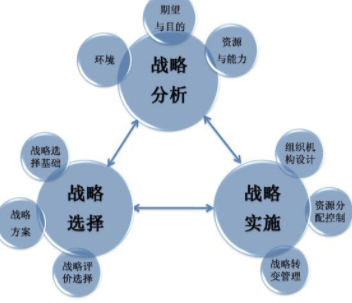
诺基亚为何错失时代?段永平:重生意而轻用户,失败毫不意外
2 1 Shi Ji Jing Ji Bao Dao· 2025-11-15 15:02
Core Insights - Renowned investor Duan Yongping, who has been "retired" for over 20 years, recently shared his views on investment philosophy, corporate management, and personal growth in an interview on the program "Fanglue" [2] Group 1: Company Analysis - Duan Yongping criticized Nokia's E71, highlighting its confusing interface and poor user experience, which contributed to Nokia's decline [3] - He emphasized that Nokia's downfall was due to a corporate culture that prioritized market share and business over user-centric values, leading to missed transformation opportunities [4] - Duan pointed out that despite Nokia's management strengths, effective management cannot compensate for fundamental failures in strategy and culture [4] Group 2: Investment Insights - Investors are advised to look beyond a company's business and trends, focusing instead on its internal culture and strategic consistency to truly understand its potential [5]
