医工结合

Search documents
吉林 完善创新链 精准滴灌培育新产品
Xin Lang Cai Jing· 2026-02-12 01:04
Core Insights - The "Spring Rain Action" initiated by the National Medical Products Administration in April 2025 aims to promote clinical innovation in Jilin Province, focusing on transforming clinical ideas into viable products [2][5] - As of January 2026, Jilin Province has identified 29 high-quality clinical transformation projects, with 12 third-class medical device projects submitted to the National Medical Products Administration for review [1][5] Group 1: Policy and Implementation - Jilin Province's Medical Products Administration has developed a comprehensive process for project collection, expert review, and follow-up support, emphasizing clinical value-driven innovation [2][4] - Training teams have been organized to educate clinical workers on policy interpretation and project submission processes, ensuring broad participation and high-quality project sources [2][3] Group 2: Project Evaluation and Selection - A multi-dimensional evaluation mechanism has been established to select the most promising projects from the 47 submitted, with 80% focusing on urgent clinical needs [4][5] - On September 30, 2025, 29 projects were selected for review, with a focus on medical devices and diagnostic reagents that align with the province's healthcare goals [4][5] Group 3: Project Support and Development - The Jilin Province Medical Products Administration has implemented a full-chain tracking and nurturing mechanism to support the transformation of selected projects [6][7] - As of the end of 2025, three of the twelve third-class medical device projects have entered clinical trial stages, and five have completed product design, with others progressing as planned [7]
两会好声音丨劳嘉:以共享医疗激活健康资源
Sou Hu Cai Jing· 2026-02-04 07:55
Core Viewpoint - The health industry in China is expanding, with health consumption becoming a significant driver of domestic demand. Shared healthcare is emerging as a new model for integrating medical resources and innovative service delivery, with proposals to incorporate it into provincial planning for high-quality development in Hunan [1]. Group 1: Shared Healthcare Development - Shared healthcare is seen as a way to optimize medical resource allocation and improve service efficiency, while also fostering new productive forces and supporting the "Healthy Hunan" initiative [2]. - Hunan province has favorable conditions for developing shared healthcare, including a strong foundation in traditional Chinese medicine, an improving policy framework, and a diverse health demand due to population influx [1][2]. - Challenges such as institutional barriers, uneven resource distribution, and insufficient social awareness need to be addressed for the successful implementation of shared healthcare [1]. Group 2: Recommendations for Implementation - It is recommended to strengthen top-level design by incorporating shared healthcare into the "14th Five-Year Plan," clarifying development paths, and fostering shared healthcare industry clusters [1]. - Establishing a provincial "Smart Healthcare Laboratory" to integrate resources from universities, research institutions, and hospitals is suggested to tackle key technologies like AI-assisted diagnosis and remote healthcare [2]. - A multi-departmental joint regulatory and social governance system should be established, led by health departments and involving various regulatory bodies, to ensure comprehensive oversight of shared healthcare complexes [2].


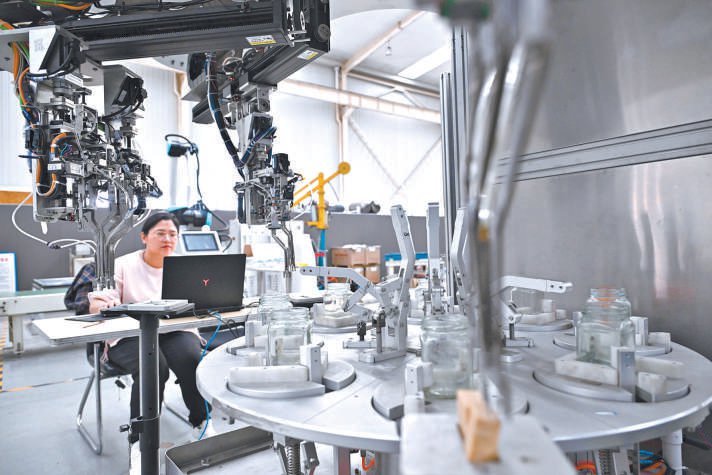
江博士健康鞋验脚配垫持续升级,以新质生产力回应大众需求
Jin Tou Wang· 2026-01-23 04:32
Core Insights - The article highlights the growing trend of health management among families, with Jiang Doctor's health shoes' "foot testing and insole fitting" service gaining popularity due to its precision and professionalism [1][2] Group 1: Company Overview - Jiang Doctor's health shoes was founded by Jiang Binglin, who recognized the need for personalized foot health solutions and established the unique "health shoe" concept in 1999 [2] - The company has developed a specialized service model called "foot testing and insole fitting," which provides professional foot assessments and personalized recommendations for shoe selection and insoles [2][3] Group 2: Technological Innovation - The company has adopted a "medical-engineering integration" model to enhance the professionalization of its services, collaborating with Fudan University to develop a "3D intelligent foot testing device" that utilizes 3D scanning and AI algorithms for comprehensive foot assessments [3] - Jiang Doctor's health shoes has applied for two national patents for the 3D foot testing device, marking a significant advancement in the foot health industry [3] Group 3: Market Reach and Impact - Over 27 years, the "foot testing and insole fitting" service has been implemented in over 1,300 stores across 15 countries, serving nearly 10 million member families [4] - The company is focused on continuous improvement of its technology and products, with plans to establish a joint research center with Fudan University to advance research in gait analysis and dynamic adaptation [4]
华厦眼科张明昌教授牵头项目获评“2025年度眼科学中国十大原创进展”
Xin Lang Cai Jing· 2026-01-19 13:15
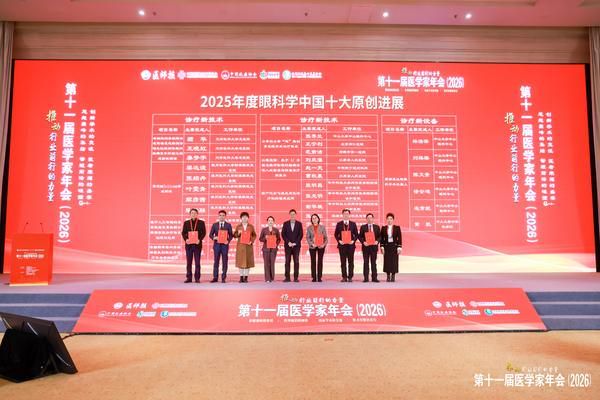
Core Viewpoint - The "domestically produced all-laser refractive surgery machine" developed by Professor Zhang Mingchang's team has been recognized as one of the "Top Ten Original Advances in Ophthalmology in China for 2025," marking a significant breakthrough in the field of high-end laser treatment equipment for myopia refractive surgery in China [1][7]. Group 1: Research and Development Achievements - Professor Zhang Mingchang's team has been dedicated to the innovation and research of ocular surface diseases and refractive treatment technologies [3][9]. - The team previously developed the "tear lipid content detection test strip," which was included in the "Top Ten Advances in Chinese Ophthalmology" in 2021 [3][9]. Group 2: Technological Breakthroughs - The newly developed device achieves significant technological breakthroughs in laser energy control, beam positioning accuracy, and surgical process stability, specifically designed for myopia refractive surgery [5][11]. - The core optical system and intelligent control platform of the device are entirely developed domestically, breaking the long-standing reliance on imported equipment [5][11]. Group 3: Market Impact and Future Prospects - The device is expected to provide higher quality and more accessible high-end refractive surgery options for myopia patients, potentially lowering surgical costs and benefiting many individuals seeking vision correction [5][11]. - The development and transformation of this achievement exemplify successful collaboration between medical engineering and industry-academia partnerships, promoting the localization of high-end ophthalmic treatment equipment and supporting the self-control and technological upgrades of the related industry chain [12]. - Looking ahead, the team plans to deepen collaboration with the industry to promote more original and leading technologies for clinical application, contributing to the high-quality development of eye health in China and supporting the "Healthy China" strategic goal [14].
半岛医疗大超炮与逆时针联袂亮相北京 发力高端“械三”赛道
Zheng Quan Ri Bao Wang· 2026-01-09 14:07
Core Insights - The article highlights the launch of two significant products, the Peninsula Super Cannon and Peninsula Counterclockwise, by Peninsula Medical Group, which recently received NMPA Class III medical device registration [1][3] - These products aim to address deep support and superficial repair in aesthetic medicine, utilizing advanced technology to achieve comprehensive treatment from the fascia layer to the epidermis [1][2] - The company emphasizes its commitment to making advanced medical equipment accessible to thousands of hospitals in China, which were previously dominated by international giants [1] Product Innovations - The Peninsula Golden Microneedle introduces dynamic layered treatment technology, allowing for targeted treatment across five skin layers with a single needle insertion, addressing uneven energy distribution and enhancing patient comfort [2] - The Peninsula Counterclockwise, as the first domestic Class III radiofrequency microneedle, resolves the industry challenge of balancing efficacy and comfort through multi-dimensional technological innovations [2] - The Peninsula Super Cannon, the first globally to receive NMPA Class III certification for focused ultrasound skin treatment, boasts a 50% efficiency improvement and integrates high-resolution ultrasound imaging with treatment processes [3] Market Position and Growth - China is identified as the fastest-growing market for photonic anti-aging treatments, with ultrasound and radiofrequency microneedles accounting for over 60% of the market share [4] - Following its certification, the Peninsula Super Cannon experienced a surge in search interest, indicating strong market potential and consumer engagement [4] - The company has also secured multiple international certifications, including FDA and CE, positioning itself to compete on a global scale and potentially lead in the medical aesthetic device market [4]
半岛医疗“械三双子星”亮相 定义国产医美器械合规新标杆
Zhong Guo Jing Ji Wang· 2026-01-08 12:56
Core Insights - The article highlights the launch of two new medical devices, Peninsula Super Cannon and Peninsula Counterclockwise, which have received NMPA Class III medical device registration and are now certified by FDA and CE, marking a significant step for the company in the global aesthetic medical market [1][2] Company Overview - Peninsula Medical, founded by Lei Xiaobing, aims to make advanced medical equipment affordable for thousands of hospitals in China that were previously dominated by international giants [1] - The company has expanded from Chongqing to Shanghai and finally established its base in Shenzhen, with products now sold in over 70 countries and regions, serving thousands of hospitals and aesthetic institutions [1] - The company boasts a research and development team of nearly 400 people, bridging clinical needs with engineering technology [1] Product Innovations - The Peninsula Super Cannon integrates a high-resolution intelligent ultrasound imaging system with treatment processes, introducing the SOP 3.0 precision treatment system, which allows for visual, quantifiable, and traceable treatment standards [2] - The Peninsula Counterclockwise, as the first domestic Class III radiofrequency microneedle device, addresses the industry pain point of balancing efficacy and comfort, utilizing multi-dimensional technological innovations [2] - Key features of the Peninsula Counterclockwise include layered treatment technology, mixed mode output, and a significant increase in energy delivery efficiency, which enhances patient comfort and reduces recovery time [2] Market Potential - According to third-party market research firm, Sullivan, China has become the fastest-growing market for photonic anti-aging treatments, with ultrasound and radiofrequency microneedles accounting for over 60% of the market, driving core growth in the industry [3] - The company expresses confidence in the future of Chinese aesthetic medical device enterprises and service institutions becoming global brands [3]
跨越“达尔文之海”!海医汇:一个医疗创新生态的破壁实验
Hua Xia Shi Bao· 2025-12-24 07:43
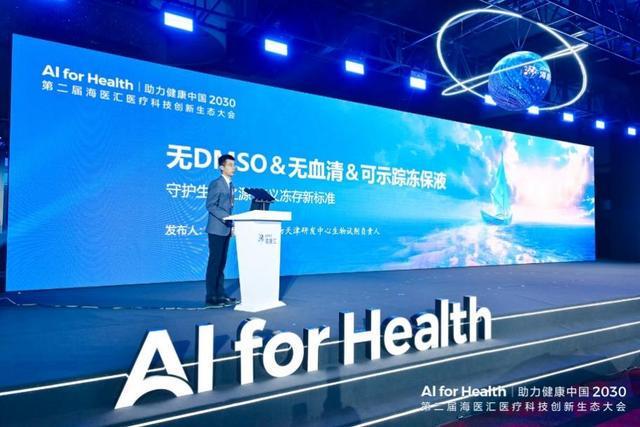
Core Viewpoint - The article highlights a significant breakthrough in cell therapy with the development of a "DMSO-free cryopreservation solution" for stem cells, which enhances safety and efficacy in clinical applications [1][2][4]. Group 1: Technological Breakthroughs - The new cryopreservation solution eliminates the toxic effects associated with traditional DMSO-containing solutions, reducing risks of nausea, allergies, and kidney damage upon reintroduction into the body [1][2]. - The solution has shown a substantial increase in survival rates in immunodeficient mice during animal trials, indicating its potential for clinical use [1]. - The "Haiyi Hui" platform has facilitated the development of over ten disruptive technologies in various fields, including blood health, cell and gene therapy, and AI applications in major diseases [4][6]. Group 2: Collaborative Ecosystem - The "Haiyi Hui" platform connects hundreds of academicians and clinical scientists with industry engineers and capital, aiming to bridge the gap between research and clinical application [7][8]. - The platform has conducted over 600 distributed clinical trials, demonstrating its role as a vital practice carrier for overcoming industry bottlenecks in technology transfer [8]. - The integration of AI technology is emphasized as a core driver for accelerating the transformation of scientific discoveries into clinical applications, enhancing the efficiency and accessibility of healthcare services [10][14]. Group 3: Educational Initiatives - The "Yingkang Yisheng Public Welfare Fund" has launched initiatives to support the cultivation of interdisciplinary talents and accelerate the implementation of innovative results, with over 100 key projects funded in the first phase [10][11]. - The second phase of the "Innovation Elite Cultivation Plan" aims to further expand collaboration and deepen training systems that connect basic research, clinical practice, and technology transfer [11][13]. Group 4: Future Implications - The article suggests that the future of medical innovation will be measured by the ability to create efficient, open systems that continuously translate scientific discoveries into patient benefits, rather than merely by the number of publications or patents [9][15]. - The average valuation of entities joining the "Haiyi Hui" has reportedly increased sixfold, indicating a significant value reassessment driven by ecosystem collaboration [9].
首届医工结合创新大会在京举办
Yang Shi Wang· 2025-12-03 08:17
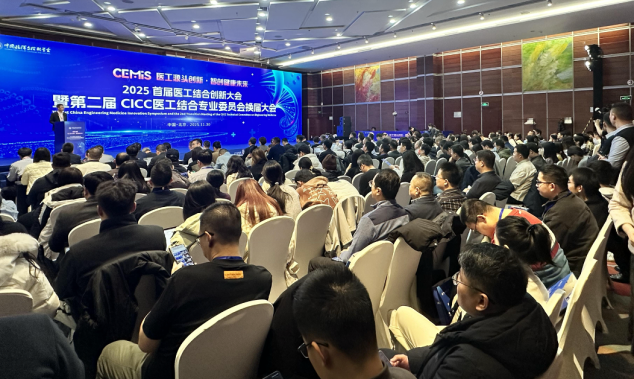
Core Insights - The first Medical-Engineering Integration Innovation Conference will be held on November 30, 2025, in Beijing, focusing on the theme "Source Innovation in Medical Engineering, Smartly Creating a Healthy Future" [1][3] - The conference aims to shift from traditional academic exchanges to actionable outcomes in the field of medical-engineering integration, emphasizing the importance of collaboration and practical applications [3] Group 1 - The conference is organized by the China Command and Control Society (CICC) and aims to gather experts in the medical-engineering integration field to share cutting-edge achievements [1] - A key component of the conference is the "Medical-Engineering Integration Open Space: Source Innovation Matching Salon," which promotes a decentralized, demand-driven approach to discussions, allowing participants to propose topics and engage in targeted discussions [3] - The salon successfully facilitated 38 substantial cooperation intentions, highlighting its effectiveness in bridging clinical needs, engineering responses, and industrial resources [3] Group 2 - The conference emphasizes the industry consensus that "medical-engineering integration is a necessary path for a healthy China," outlining practical pathways such as clinical demand-driven approaches, differentiated breakthroughs in traditional Chinese medicine, and talent mechanisms [3] - The event aims to create a closed-loop system that connects clinical needs with engineering technology responses and industrial resource implementation, moving from academic discussions to fundamental breakthroughs [3]
多地全链条护航 医疗器械创新加速 企业如何借势抢机遇?
2 1 Shi Ji Jing Ji Bao Dao· 2025-12-02 23:10
Core Insights - Recent policies from Beijing and Shanghai aim to enhance the high-quality development of the medical device industry, with a focus on innovation and international competitiveness [1][4] - Multiple regions, including Guangdong and Hubei, have introduced supportive measures for the medical device sector, indicating a nationwide push for industry growth [1][4] - The Chinese medical device market is projected to reach 1.22 trillion yuan by 2025, with significant growth driven by innovation [6] Group 1: Policy Initiatives - Beijing's measures include 15 specific actions across five dimensions to promote innovation and quality upgrades in the medical device industry [1][3] - Shanghai's initiatives consist of 22 measures focusing on research and development, regulatory efficiency, and lifecycle management [1][4] - The national government emphasizes a comprehensive reform of drug and medical device regulation by 2027, aiming for modernization by 2035 [3] Group 2: Industry Transformation - The domestic medical device sector is transitioning from a "follower" to a "leader" in certain niche areas, with a focus on core technology breakthroughs and systemic capability building [2][5] - Companies are increasingly prioritizing original research and integrated innovation that aligns closely with clinical needs [2][5] - The emphasis on "me-better" products indicates a growing trend towards improved versions of existing technologies, leveraging China's manufacturing advantages [5] Group 3: Market Opportunities - The supportive policies are expected to facilitate faster approval and market entry for innovative medical devices, creating a clearer path for product commercialization [5][6] - The market is anticipated to benefit from an aging population, rising healthcare demands, and ongoing technological advancements [5][6] - Companies are encouraged to align their strategies with national innovation directions and engage in strategic collaborations with medical institutions [6][7] Group 4: Challenges and Strategic Focus - The shift towards domestic alternatives faces challenges in reliability, stability, and brand recognition compared to international competitors [7] - Companies are advised to focus on specific niche areas and collaborate early with leading medical institutions to address real clinical needs [7] - A robust quality management system and rigorous clinical validation processes are becoming increasingly important for success in the industry [7]
协同发展成果惠及寻常百姓
Bei Jing Wan Bao· 2025-11-28 08:10
Core Insights - The "14th Five-Year Plan" period has seen significant achievements in the coordinated development of the Beijing-Tianjin-Hebei region, particularly in economic collaboration, innovation cooperation, and shared benefits for the populace [1] Group 1: Cultural Industry Development - The establishment of the Beijing-Tianjin-Hebei Shared Cultural Industry Port in Xianghe has attracted 78 businesses, 95% of which have relocated from Beijing, injecting new vitality into local cultural industry development [5][6] - The port features a diverse range of book categories and has become a hub for both online and offline sales, with daily shipments reaching nearly one million books nationwide [5][6] - The integration of e-commerce and traditional book sales is evident, with 13 e-commerce companies already operating within the port, achieving an average of 4,000 daily sales [6] Group 2: Technological Innovation in Food Industry - The introduction of an automated tofu bottle-filling robot by Tangshan Siwei Intelligent Technology Co., Ltd. can fill 4,800 pieces of tofu per hour, equivalent to the work of 2 skilled workers, addressing labor inefficiencies in traditional methods [8][9] - This robot represents a successful collaboration between Beijing's creative resources and Tangshan's manufacturing capabilities, with the project already securing multiple patents and setting a benchmark in the industry [9] Group 3: Medical Technology Advancements - BMC Ruimait Medical Technology Co., Ltd. has successfully developed high-performance turbine fans for home ventilators, breaking international technology monopolies and filling domestic gaps [10][11] - The company emphasizes the importance of "medical-engineering integration" to better align local medical practices with product development, addressing urgent clinical needs [11] Group 4: Agricultural Innovation - The collaboration between Zhangjiakou and Beijing has led to the development of high-quality quinoa varieties, significantly increasing yields and promoting sustainable agricultural practices [12][13] - The establishment of joint breeding research bases has facilitated the introduction of advanced breeding technologies, enhancing the local agricultural output and market reach [12][13] Group 5: Technology Transfer and Industrialization - Hebei province has focused on attracting high-quality technology transfer from Beijing and Tianjin, with a reported 2,659 billion yuan in technology contracts from 2021 to 2024, reflecting an annual growth rate of 45.5% [14][15] - The establishment of 15 pilot platforms for technology trials has enabled over 100 projects to transition from laboratory results to market-ready products, fostering the growth of technology-based enterprises [15]