思宇MedTech

Search documents
最新!4款创新器械获批上市!
思宇MedTech· 2025-09-30 05:03
Core Viewpoint - The article highlights the recent approval of four innovative medical devices by the National Medical Products Administration in China, indicating a growing trend in the development and registration of innovative medical technologies in the country [1][8]. Group 1: Approved Products - The approved products include: 1. "Extended Depth of Focus Intraocular Lens" by Aibono Medical Technology Co., Ltd. [1] 2. "Cardiac Cryoablation Device" and "Single-use Sterile Cryoablation Probe" by Shenyang Pengyue Technology Co., Ltd. [1][8] 3. "Cross-linked Polyisobutylene Aspheric Intraocular Lens" by Xi'an Yandale Medical Technology Co., Ltd. [1][8] - As of now, a total of 373 innovative medical devices have been registered in China [1]. Group 2: Company Profiles - Aibono Medical Technology Co., Ltd. is an innovative ophthalmic medical device manufacturer listed on the Sci-Tech Innovation Board, focusing on cataract surgery, myopia control, and vision care solutions. The company reported a total revenue of 787 million yuan (approximately $114 million) with a year-on-year growth of 14.72% and a net profit of 213 million yuan (approximately $31 million) with a growth of 2.53% in the first half of 2025 [6]. - Shenyang Pengyue Technology Co., Ltd., established in 2020, specializes in digital intelligent precision medical fields and has developed a cardiac cryoablation system with independent intellectual property rights [10]. - Xi'an Yandale Medical Technology Co., Ltd. focuses on intraocular lenses for cataract treatment and is led by a team of experts, including members from the American Academy of Engineering [18]. Group 3: Product Details - The "Extended Depth of Focus Intraocular Lens" is designed for vision correction after cataract surgery, featuring a one-piece, foldable design made from a combination of ethyl acrylate and methyl methacrylate [5]. - The "Cardiac Cryoablation Device" is used for treating persistent atrial fibrillation in adult patients, utilizing argon gas for rapid cooling of myocardial cells [9]. - The "Cross-linked Polyisobutylene Aspheric Intraocular Lens" is notable for its high refractive index and is designed for implantation through a small incision, providing an improved visual experience for cataract patients [15].


GE医疗中国区集中调整!业务、人事与股权三线齐动
思宇MedTech· 2025-09-29 06:28
Core Viewpoint - GE Healthcare is undergoing significant organizational changes in its China operations, including personnel adjustments and leadership changes, while exploring strategic options such as the potential sale of its China stake, amidst a challenging market environment [2][17]. Group 1: Organizational Changes - GE Healthcare China has initiated an organizational restructuring in its core CT and MR business lines, affecting hundreds of positions, although the company denies any large-scale layoffs, emphasizing efficiency and optimization [4][5]. - The company maintains a stable workforce of approximately 7,000 employees in China, with ongoing recruitment in various business lines [4]. - The restructuring reflects a reassessment of business structure and a potential shift of resources towards high-end CT and MR localization [4]. Group 2: Leadership Changes - Jennifer Lu has been appointed as the new CFO for GE Healthcare China, succeeding Richard Li, who is leaving for family reasons after six years in the role [5][6]. - Eric Yu, a millennial executive with extensive experience in multinational management, has been appointed as the General Manager for the ultrasound business line in China [7][9]. Group 3: Financial Performance - In 2024, GE Healthcare's revenue in China is projected to be $2.4 billion, accounting for 12% of global revenue, while the first half of 2025 shows a slight decline of approximately 2% year-on-year [15]. - The company faces challenges from a medical anti-corruption campaign and new tariff policies, which could result in a revenue loss of up to $500 million in 2025 [15]. - Local competitors have increased their market share in the high-end imaging sector, reducing growth opportunities for foreign brands [15]. Group 4: Strategic Context - The adjustments at GE Healthcare are part of a broader trend among foreign companies in the medical device sector, facing local policy, technological competition, and compliance challenges [16][17]. - The company is still committed to its ultrasound headquarters project in Wuxi, which is crucial for its manufacturing capabilities, despite rumors of divestment [10][12].

开放报名!医疗器械企业定制化培训课程合作
思宇MedTech· 2025-09-29 06:28
Core Viewpoint - The article emphasizes the collaboration between Shanghai Jiao Tong University School of Medicine and Siyu MedTech to provide customized training courses for medical device and health technology companies, focusing on the transformation of scientific achievements into practical applications in clinical settings [2]. Service Content - The training services include event planning and execution, with a focus on facilitating communication between clinical experts and medical device companies [2]. - The courses are designed to address the growing interest in technology transfer within hospitals, which has become a key performance indicator for annual assessments [2]. Advantages - The program offers a variety of classroom and meeting hall options, accommodating events from 30 to 500 participants, located in a central area of Shanghai for easy access [5]. - It leverages the resources of the medical school and affiliated hospitals to invite clinical experts and industry mentors for guest lectures [5]. - The courses can be tailored to meet the specific needs of doctors and companies, covering topics such as technology transfer, medical device compliance, and practical workshops [5]. Course Examples - A sample course titled "Medical Engineering Cross-Disciplinary Workshop" includes activities designed to foster collaboration among participants from different disciplines [4]. - The course duration is 1.5 days, with a focus on the practical aspects of medical technology innovation and successful case studies [6]. - The curriculum includes learning about the Biodesign innovation methodology, intellectual property management, and identifying high-value innovation needs [12]. Networking Opportunities - The program features networking sessions where participants can engage with experts from various fields, enhancing collaboration and potential partnerships [10]. - The final presentations allow teams to showcase their innovative solutions, receiving feedback from mentors and industry professionals [12]. Industry Trends - The training addresses current trends in medical device development, financing opportunities, and government support policies, providing a comprehensive overview of the medical innovation ecosystem [12]. - It aims to build a collaborative network that bridges the gap between innovation and application in the medical field [12].

出海新机会!沙特把医疗当成国家战略,释放了什么信号
思宇MedTech· 2025-09-28 03:51
Core Insights - The article emphasizes that Saudi Arabia is shifting its perspective on healthcare from a financial burden to a strategic investment for national security and prosperity, akin to its oil investments [2][17] - This shift presents significant market opportunities for Chinese medical device companies, particularly in areas that enhance healthcare system upgrades such as robotics, imaging, AI, and genetic testing [2][9] Group 1: Key Figures and Leadership - Dr. Majid Alfayyadh, CEO of KFSHRC and royal advisor, holds significant influence in Saudi Arabia's healthcare strategy [4] - KFSHRC is ranked 15th globally in academic medical centers by Brand Finance in 2025, indicating that Alfayyadh's views reflect national strategy rather than personal opinion [5] Group 2: Investment Focus Areas - Alfayyadh identified five key investment areas in healthcare: modern hospital infrastructure, digital healthcare and AI platforms, precision medicine and advanced laboratories, interdisciplinary talent systems, and localized drug and vaccine production with resilient supply chains [11][6] - Saudi Arabia is moving towards creating a future-oriented medical innovation center domestically, reducing reliance on overseas medical services [8] Group 3: Opportunities for Chinese Medical Device Companies - The five investment directions mentioned by Alfayyadh align closely with the strengths of Chinese companies, particularly in hospital infrastructure and digital healthcare solutions [9][13] - There is a strong demand in the Middle East for remote monitoring, smart wards, and AI imaging, which presents a market opportunity for Chinese firms [9] Group 4: Strategic Implications - The article suggests that as Saudi Arabia positions healthcare as a matter of national security, it aligns with China's policy direction of "new quality productivity" in healthcare [14] - The Middle East is emerging as a new hotspot for global healthcare investment, where the focus should be on comprehensive solutions rather than individual products [15] Group 5: International Collaboration - The competition in international markets is shifting from price and technology to becoming strategic partners in upgrading national healthcare systems [16] - Chinese companies are encouraged to engage in joint ventures and technology collaborations to participate deeply in Saudi Arabia's healthcare localization efforts [19]

获批FDA!新一代心血管AI影像工具
思宇MedTech· 2025-09-28 03:51
Core Insights - Heartflow's new generation Heartflow Plaque Analysis algorithm received FDA 510(k) approval, making it the only AI-driven coronary plaque quantification tool approved by the FDA [2][20] - The algorithm will be available in the U.S. market, enhancing the company's position in precision diagnosis and treatment of coronary artery disease (CAD) [2][18] Product and Technology Features - The new algorithm features significant upgrades, including an updated algorithm and expanded nomogram based on a larger sample size, improving the precision of the discrimination model [5] - It offers 3D color visualization, quantifying plaque volume and displaying plaque types, distribution, and morphological characteristics in three-dimensional space, enhancing clinical interpretability [6] - Detection performance has improved by approximately 21% compared to the first generation, with a 95% consistency rate when compared to intravascular ultrasound (IVUS) quantitative results [8] - The algorithm is trained and validated on an imaging database of approximately 273,000 patients, the largest sample size in plaque quantification research [11] Clinical and Payment Environment - The new Heartflow Plaque Analysis has made progress in both clinical and payment systems, enhancing physicians' ability to identify CAD lesions and facilitating broader reimbursement support [14][19] - The technology is transitioning from an innovative tool to a routine clinical practice, driven by clinical value and payment policy [16] Company Strategy and Market Significance - The FDA approval, recent IPO financing of approximately $364 million, and expansion of insurance coverage indicate a multi-faceted approach in R&D, commercialization, and capital operations [18][22] - The tool's entry into mainstream payment systems, with coverage from major insurers like UnitedHealthcare and Cigna, is crucial for its commercialization [21] - Heartflow is evolving from a technology-driven innovation company to a commercialization-focused enterprise, leveraging regulatory approval and capital support to enhance clinical penetration [23] Industry Implications - Heartflow's advancements signify a shift in AI medical imaging from pilot applications to systematic integration, particularly in high-prevalence diseases like CAD [25] - The regulatory pathway for AI medical imaging is becoming clearer, with Heartflow's approval serving as a positive signal for other AI medical imaging companies [27] - The integration of plaque quantification and risk prediction is emerging as a competitive frontier in cardiovascular medicine, potentially enhancing personalized treatment and preventive healthcare [27]
最新获奖!9款海外医疗器械
思宇MedTech· 2025-09-28 03:51
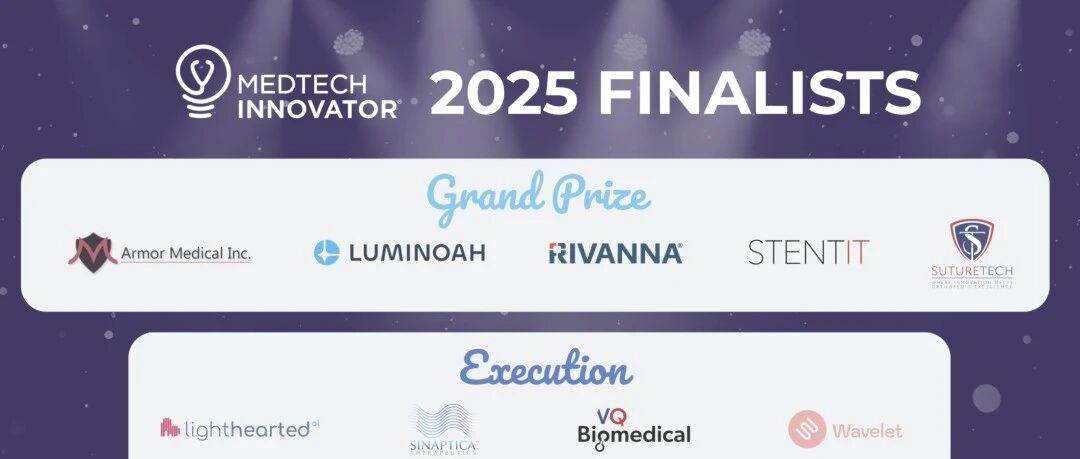
Core Insights - MedTech Innovator (MTI) announced the finalists for the 2025 awards, showcasing five early-stage startups competing for a $350,000 non-equity prize at The MedTech Conference in San Diego [1][2] - Each finalist has already received $25,000 and will present their innovations to a panel of experts and attendees for voting [1] - MTI has been selecting promising startups since 2013, providing them with funding and access to guidance from leading manufacturers, investors, and healthcare providers [1] Finalists for the Grand Prize - Armor Medical (Atlanta, USA): Early monitoring system for obstetric hemorrhage [3] - Luminoah (Charlottesville, Virginia, USA): Portable closed-loop enteral nutrition system [6] - Rivanna Medical (Charlottesville, Virginia, USA): AI-assisted ultrasound guidance system for monitoring subtle changes in microcirculation and hemodynamics [8] - STENTiT (Eindhoven, Netherlands): Biodegradable vascular regeneration stent [10] - SutureTech (Durham, North Carolina, USA): RapidFix™ soft tissue fixation system for chronic limb-threatening ischemia [12] Finalists for the Execution Award - LightHearted AI Health (London, UK): AI laser detection for heart disease [14] - Sinaptica Therapeutics (Cambridge, USA): Non-invasive neural modulation system [16] - VQ Biomedical (Apex, North Carolina, USA): Intravascular oxygenation catheter [19] - Wavelet (New Haven, Connecticut, USA): Non-invasive fetal EEG monitoring system [21] Industry Trends - Clinical needs drive innovation, focusing on areas such as obstetric hemorrhage, Alzheimer's disease, respiratory failure, and fetal monitoring [21] - Significant technological intersections are observed, including AI combined with optical and imaging technologies, biodegradable materials, and closed-loop nutrition systems [24] - There is a notable disparity in the feasibility of bringing innovations to market, ranging from those already receiving FDA 510(k) approval to those still in animal testing [25] Implications for the Industry - MTI serves as a global benchmark for medical technology innovation, influencing the opportunities for domestic startups to propose competitive solutions in critical healthcare areas [26] - Urgent clinical needs in maternal safety, neurodegenerative diseases, and respiratory monitoring highlight the potential for growth in these sectors [28]
重磅IPO!11月上市,估值直指500亿美元
思宇MedTech· 2025-09-26 07:08
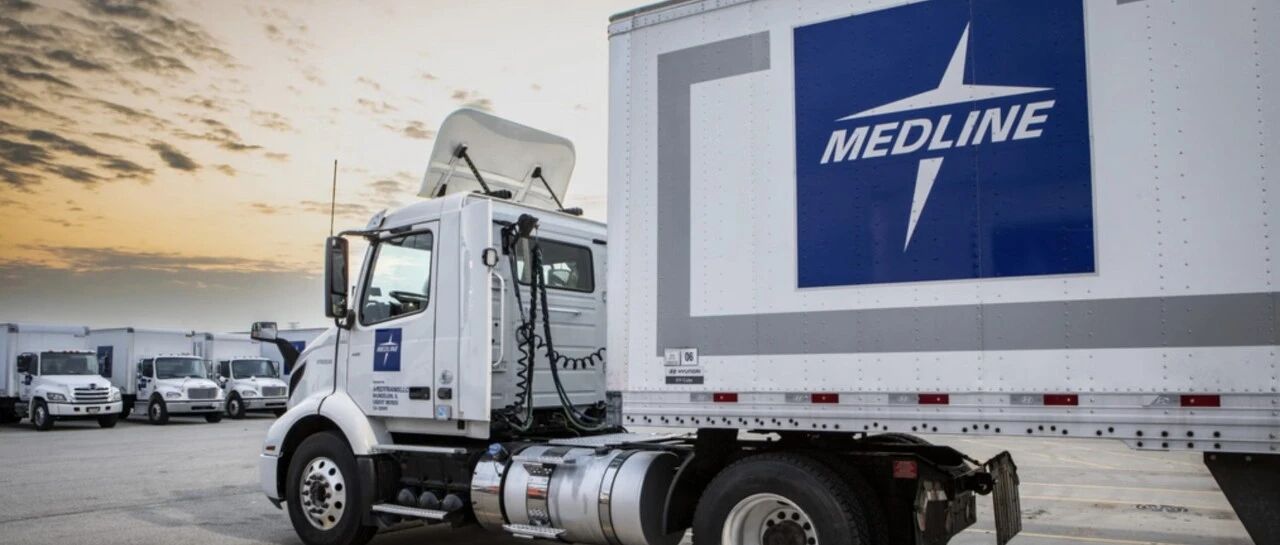
Core Viewpoint - Medline Industries is advancing its IPO process, aiming to raise between $4 billion and $5 billion, with a potential valuation of $50 billion, marking it as the largest IPO in the medical device sector by 2025 [1][2]. Market Environment - The macroeconomic environment is stabilizing, with expectations of interest rate cuts from the Federal Reserve, improving the global financing landscape [3]. - Trade tensions have eased, alleviating supply chain pressures that previously impacted Medline's operations [3]. - There is a long-term growth in medical demand, with Medline's product lines being essential in both hospital and home care settings [3]. Company Positioning - Medline operates a hybrid model of manufacturing and distribution, with over 335,000 products, including 190,000 proprietary items [6][4]. - The company has established a strong presence in the global medical supply chain, with 27 production bases and a distribution network covering over 125 countries [8]. Financial Performance - In 2024, Medline reported revenues of $25.5 billion, a 10% year-on-year increase, and has maintained double-digit growth for the past sixty years [7]. - The company achieved approximately $9.23 billion in revenue in Q2 2025, with a gross margin of 28% and an expected adjusted EBITDA of $3.8 billion for the year [7]. Strategic Expansion - The IPO is intended to support Medline's global supply chain strategy, enhancing its international presence and competitiveness [9][11]. - The company is focusing on digital transformation as a new growth engine, with plans to invest in software, IT, and AI [13]. Industry Context - Medline's valuation logic is compelling compared to peers like Cardinal Health and McKesson, as it combines manufacturing and distribution advantages [12]. - The successful IPO of Medline is seen as a bellwether for the healthcare sector, reflecting renewed investor interest in medical service companies [12]. Future Outlook - Medline's IPO represents a significant milestone for the company and the broader trend of capitalizing the medical supply chain [14]. - The company is positioned to leverage its IPO funding for further expansion and digital infrastructure upgrades, impacting the industry's trajectory [19].
最新!北京药品医疗器械创新服务站(海淀)正式揭牌
思宇MedTech· 2025-09-26 07:08
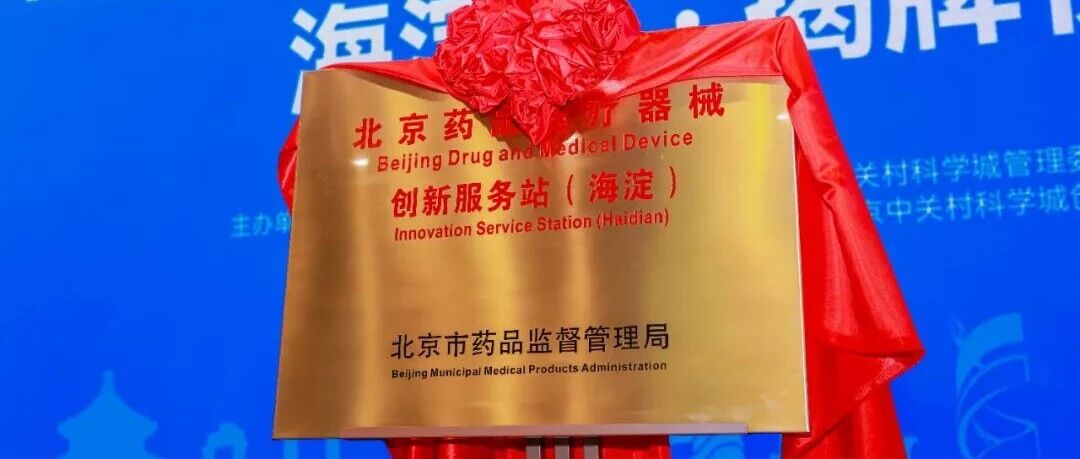
Core Viewpoint - The establishment of the Beijing Pharmaceutical and Medical Device Innovation Service Station (Haidian) marks a significant step in enhancing the pharmaceutical and healthcare industry service network in Haidian District, Beijing, focusing on innovation and AI empowerment [4][10]. Group 1: Service Station Establishment - The service station was officially inaugurated on September 25, 2023, in Haidian District, with participation from key government officials and industry representatives [2]. - The service station aims to fill the gap in professional pharmaceutical innovation services in Haidian, injecting new momentum into the regional pharmaceutical and healthcare industry [4]. Group 2: Service Features and Offerings - The service station will provide comprehensive support from early research and development to market launch, including policy consultation, technical guidance, and approval facilitation [6][12]. - It will focus on addressing "pain points" and "bottlenecks" in the development and transformation of innovative drugs and medical devices, aligning with the requirements of the "Beijing Measures for Supporting High-Quality Development of Innovative Pharmaceuticals" [4][10]. Group 3: Industry Resources and Infrastructure - Haidian District is home to over 700 pharmaceutical and healthcare companies, including 20 listed companies and 33 national-level specialized "little giant" enterprises, supported by rich clinical and research resources [5]. - The district hosts 57 medical institutions at the secondary level and above, along with numerous national key laboratories and clinical research centers, leveraging institutions like Tsinghua University and Peking University [5]. Group 4: Compliance and Training Initiatives - The launch event included the release of the first provincial-level compliance guidelines for biopharmaceutical companies in China, aimed at helping companies identify compliance risks and establish effective risk management systems [7][8]. - Legal experts provided training on regulatory innovations and compliance management to enhance the operational standards of pharmaceutical companies [7]. Group 5: Future Outlook - The service station is expected to enhance the drug regulatory service network across the city, focusing on pre-approval processes and prioritizing innovative products for market entry [10]. - The goal is to lead the nation in the approval of innovative medical devices and AI medical devices by 2026, ensuring continuous growth in the pharmaceutical industry [10].
第二届医疗器械研发论坛回顾:从研发源头看产业创新动能
思宇MedTech· 2025-09-26 07:08
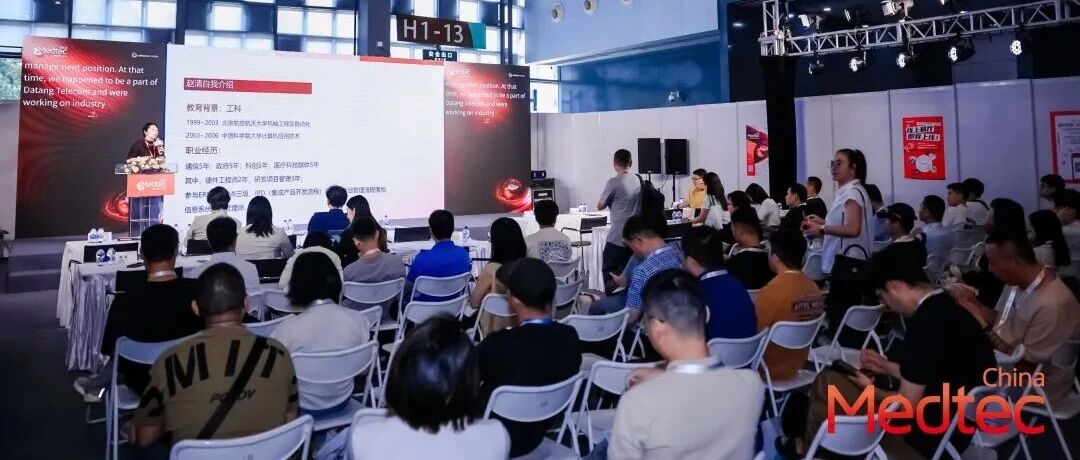
Core Insights - The second Medical Device R&D Forum was successfully held at the Medtec 2025 International Medical Device Design and Manufacturing Technology Exhibition, highlighting the growth and internationalization of China's medical device industry [2][4] - The forum emphasized the importance of collaboration between hospitals and the industry to drive innovation and technology transfer [8][34] Group 1: Forum Highlights - Zhao Qing, founder of SiYu MedTech, stated that Medtec focuses on the "source" of medical devices, serving as a platform for industry exchange and innovation acceleration [2] - Gu Xiaoyuan, General Manager of Informa Group's Medical Health & IP Licensing, noted that Medtec China has been a key player in the medical device industry for over 20 years, facilitating industry communication and international cooperation [4] Group 2: Innovation and Technology Transfer - Lei Juan, Director of the Sichuan West Medical Technology Transfer Center, shared experiences in transforming scientific achievements into products, emphasizing the role of hospitals as sources of technology transfer [8] - Cao Gangyi, CEO of Huanxin Medical, discussed the complexities of cardiovascular interventional devices and the importance of clinical needs in product design and patent strategy [10] - Wang Kai from Nankai University presented advancements in vascular injury repair and regeneration materials, showcasing their potential applications in vascular reconstruction [12] Group 3: Industry Collaboration and New Materials - Wang Hanxuan, a scientist from Switzerland, analyzed how large companies like Novartis create value through innovation and the role of international technology clusters in promoting R&D and industry cycles [14] - Shi Chen, CEO of InnoCo, shared the development journey of Chro-Mg™ controlled degradation magnesium alloy, which offers new possibilities for orthopedic devices [16] Group 4: Supply Chain and Compliance - Zhao Qing provided an overview of the medical device supply chain and emphasized its vulnerabilities, urging upstream companies to collaborate with manufacturers for innovative product development [18] - Shi Daifeng, Technical Director at China Inspection and Testing International, highlighted the importance of considering testing points early in the R&D process to avoid registration delays [20] Group 5: Emerging Trends and AI Integration - Zhou Gui, General Manager of Beijing Lila Technology, discussed the application of PDRN in implantable agents within the aesthetic medicine sector, indicating the potential for cross-industry material expansion [22] - Han Chen, Co-founder of Beijing Haisheng Medical Devices, presented the research and clinical exploration of fully degradable stents for diabetic patients, aiming to attract attention from hospitals and investors [24] - Zhang Bowei, CTO of Vascular Cube Medical Device Incubator, explored new models for medical device innovation incubation, particularly in peripheral vascular and cardiac pacing fields [26] Group 6: Future Outlook - The forum brought together experts from hospitals, research institutions, innovative companies, testing agencies, and incubation platforms to discuss materials, patents, standards, clinical applications, and international experiences [34] - The discussions reflected the transition of China's medical device industry from "following" to "running alongside and leading," with SiYu MedTech committed to fostering industry communication and documenting innovation growth [34]
最新!美敦力又一高管变动
思宇MedTech· 2025-09-25 09:09
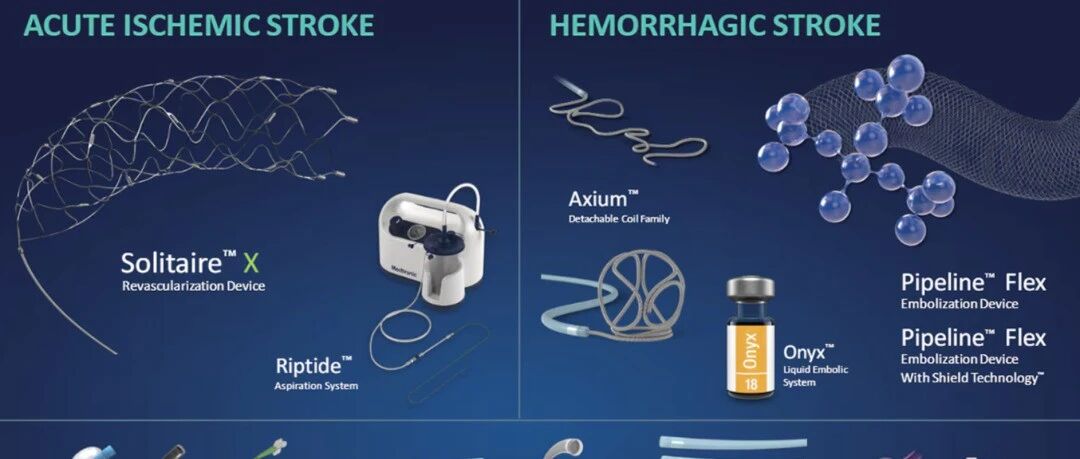
Core Viewpoint - Medtronic has appointed Dr. Adam S. Arthur as the new Chief Medical Officer for its Neurovascular business, effective September 30, 2025, aiming to enhance clinical leadership and drive innovation in the company's product pipeline and market expansion [1][6]. Group 1: Leadership Appointment - Dr. Arthur is a recognized clinical expert in the neurovascular field with over 20 years of experience, having completed his medical education at the University of Virginia and specialized training at the University of Utah and Semmes Murphey Clinic [2][4]. - His clinical focus includes complex diseases such as brain aneurysms and strokes, and he has led several international multicenter studies, contributing significantly to the field of endovascular treatment [4][5]. Group 2: Strategic Intent - The appointment of Dr. Arthur is seen as a strategic move to strengthen Medtronic's clinical insights and accelerate the translation of research into clinical practice, enhancing patient outcomes [6][19]. - Linnea Burman, President of Medtronic Neurovascular, emphasized that Dr. Arthur's expertise will help shape the future of stroke care and improve global patient access to advanced neurovascular treatments [6]. Group 3: Industry Context and Future Outlook - The neurovascular intervention market is rapidly growing, projected to exceed $20 billion by 2030, driven by an aging population and the increasing prevalence of cardiovascular diseases [7]. - Medtronic aims to solidify its industry position through ongoing pipeline investments and leadership optimization, with the Neurovascular segment expected to be a key growth driver in the coming years [7][11]. Group 4: Financial Performance and Growth Expectations - In Q1 of FY2025, Medtronic reported total revenue of $8.578 billion, with the Neurovascular segment generating $2.416 billion, reflecting a year-over-year growth of 4.3% [11]. - The company anticipates that advancements in carotid stenting and hemorrhagic stroke treatment products will significantly boost the performance of the Neurovascular business in the upcoming quarters [11]. Group 5: Product Line Overview - Medtronic Neurovascular's product portfolio encompasses a comprehensive stroke treatment chain, including carotid stenting, hemorrhagic stroke treatment, endovascular devices, and imaging systems [12][14][15][16][17]. - This integrated approach positions Medtronic as a major player in the global stroke treatment market, addressing the critical need for effective and safe vascular intervention devices [18].