投资界

Search documents
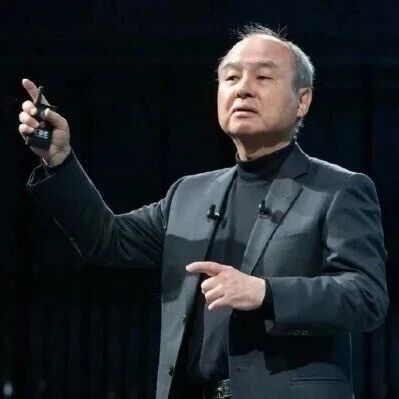
380亿,孙正义买走了
投资界· 2025-10-11 07:26
Core Viewpoint - The article discusses the significant acquisition of ABB's robotics business by SoftBank for $5.375 billion, marking a transformative moment in the global industrial automation landscape [3][5]. Group 1: Acquisition Details - ABB announced the sale of its robotics unit to SoftBank, with the transaction expected to be completed in mid-2026 [3]. - The deal involves ABB transferring its robotics division into a newly established holding company, which SoftBank will acquire entirely in cash [5]. - Post-acquisition, SoftBank will gain access to ABB's 7,000 engineers, 500,000 installed units, global service network, and all intellectual property [5]. Group 2: Financial Implications - ABB expects to net approximately $4.7 billion after accounting for transaction-related costs and taxes, alongside an anticipated non-operational pre-tax gain of about $2.4 billion [5]. - The robotics business generated $2.3 billion in revenue in 2024, constituting 7% of ABB's total revenue [5]. Group 3: Strategic Shift for ABB - ABB's decision to sell its robotics unit comes after a failed IPO attempt, with the CEO stating that the immediate cash from SoftBank was more beneficial than pursuing an independent listing [5][6]. - The company will refocus on its core areas of electrification, process automation, and motion control, indicating a strategic shift away from robotics [6]. Group 4: SoftBank's Vision - SoftBank's acquisition is seen as a strategic move to integrate advanced technology and talent, aiming to merge artificial superintelligence (ASI) with robotics [8][9]. - The acquisition aligns with SoftBank's goal to become a leading ASI platform provider, with robotics serving as a crucial interface for ASI applications [8][9]. Group 5: Industry Impact - The acquisition is expected to accelerate the integration of AI and robotics, potentially reshaping the competitive landscape of traditional industrial robotics [11]. - As the largest industrial robot market, China's local companies may face intensified competition from this acquisition, which could drive domestic innovation and market share [12].


港硕开始贬值了
投资界· 2025-10-11 07:26
以下文章来源于深圳微时光 ,作者白粥 深圳微时光 . 寻找深圳的每一寸惊喜。 "花费30万港硕毕业,我当起了酒店前台" 作者 | 白粥 来源 I 深圳微时光 (ID:szdays) 在香港,硕士文凭曾是一张通往高薪与体面的船票,如今却更像是一张深圳11号线的地 铁票——终于挤上去了,却发现所剩座位寥寥无几。 掌掌从香港的大学硕士毕业,如今在酒店前台,9小时一班,三份工作撑起2万月薪;徐 慕三年前年薪4 2万,离职后投出百份简历石沉大海,如今12万的o ff e r也欣然接受。 当职场变得饱和,港硕学历的含金量也发生了变化。毕业生们不再是为了"卷",更是为 了"留",为3 0万的学费争取一次回本的机会,也为人生争取重启的概率。 而当3 0万学费换来的不再是"重启人生"的按钮,而是一张"继续闯关"的入场券,这笔投 资还值吗? 港硕求职"滑铁卢" 去年,掌掌(小红书@反卷掌掌在HK)从香港的大学硕士毕业,在香港一家酒店当起了 前台。 酒 店 前 台 并 不 清 闲 : 接 待 、 应 急 、 对 接 旅 行 社 , 一 个 人 要 身 兼 行 李 部 、 礼 宾 部 、 预 定 部、销售部、客户服务咨询部五个职位。 ...

张一鸣,来上海捐赠了
投资界· 2025-10-10 08:49
Core Viewpoint - The establishment of the Zhichun Innovation Center in Shanghai, co-founded by Zhang Yiming and Professor Yu Yong, aims to focus on cutting-edge computer and artificial intelligence technology research, open-source tools and algorithm development, and the cultivation of top innovative talents [3][5][6]. Group 1: Innovation Center Overview - The Zhichun Innovation Center is located in the Caohejing New Technology Development Zone in Xuhui District, Shanghai, and operates as a non-profit organization [5]. - The center plans to recruit young individuals interested in computer science and artificial intelligence, starting from preparatory researchers, and aims to connect various scientific disciplines through practical exploration [5][8]. - Zhang Yiming emphasized the importance of education in unlocking talent potential and has previously supported initiatives to enhance computer education in Chinese universities [5][6]. Group 2: Historical Context and Development - The idea for the innovation center emerged from Zhang Yiming's discussions with Yu Yong about educational innovation, particularly after observing the success of the ACM class at Shanghai Jiao Tong University [6][10]. - The ACM class, founded by Yu Yong in 2002, has produced numerous influential figures in the AI field, contributing to the establishment of a strong talent pool in China [10][11]. Group 3: AI Talent Competition - The global competition for AI talent has intensified, with top AI experts being a scarce resource, primarily concentrated in leading tech companies [15][16]. - China has a significant advantage in this competition, with 50% of AI researchers globally coming from the country, highlighting the importance of nurturing young talent in innovative environments [16].

LP成立一个新部门
投资界· 2025-10-10 08:49
Core Viewpoint - The article emphasizes the importance of staying updated with the latest trends and developments in the investment sector, particularly in the context of venture capital and startup ecosystems [1] Summary by Relevant Sections - The article highlights the dynamic nature of the investment landscape, noting that new opportunities frequently arise in various sectors, necessitating continuous research and analysis [1] - It discusses the significance of understanding market shifts and consumer behavior to identify potential investment opportunities [1] - The article also points out the role of technology in transforming traditional investment practices, making it essential for investors to adapt to these changes [1]

破产赛道火了
投资界· 2025-10-10 08:49
Core Viewpoint - The article discusses the rise of "bankruptcy influencers" on social media, highlighting how narratives of financial downfall have become a new trend, replacing the previously popular "wealth flaunting" content [4][24]. Group 1: Rise of Bankruptcy Influencers - The "negative wealth" narrative has gained traction, with influencers sharing their stories of financial ruin, which resonates with a broader audience facing economic challenges [5][8]. - Influencers like "负家千金" (Negative Wealth Daughter) have transitioned from showcasing luxury lifestyles to sharing their experiences of bankruptcy, thus attracting a new following [10][12]. - The trend has evolved from genuine stories of wealthy individuals facing financial crises to include various demographics, such as students and middle-class families, all seeking to share their struggles [14][16]. Group 2: Content Creation and Audience Engagement - The content produced by bankruptcy influencers often focuses on emotional narratives rather than material possessions, appealing to audiences' interests in personal growth and resilience [17][18]. - Different subgroups of bankruptcy influencers have emerged, including those from wealthy backgrounds, students, and middle-class families, each with unique storytelling approaches [14][16]. - The shift from luxury consumption to narratives of survival and adaptation reflects a broader societal change in values, where audiences are more interested in authenticity and relatability [25][26]. Group 3: Market Dynamics and Future Trends - The economic slowdown has made flaunting wealth riskier, leading to a decline in the popularity of wealth influencers and a rise in bankruptcy narratives as a new form of content [24][25]. - The emergence of bankruptcy influencers is seen as a response to changing societal attitudes towards wealth and poverty, with audiences increasingly drawn to stories of struggle and resilience [26]. - As the trend continues, there is potential for these influencers to pivot towards more educational content, offering advice on career choices and financial management, thus broadening their appeal [22][23].

30亿,深圳批量成立AI基金
投资界· 2025-10-10 08:49
Core Viewpoint - Shenzhen is actively competing for the AI industry, launching a total of 30 billion yuan in AI funds to support various AI projects and startups [2][4][11]. Group 1: AI Fund Overview - The newly launched AI fund group in Nanshan District consists of three funds, aiming to create a capital matrix covering key areas such as artificial intelligence and embodied robotics [4][11]. - The Shenzhen Artificial Intelligence and Embodied Robotics Industry Fund has a target size of 2 billion yuan, focusing on investments across various layers of AI technology [6]. - The Lihua Artificial Intelligence and Embodied Robotics Industry Fund aims for a target size of 500 million yuan, linking technology transfer resources from universities and research institutions [8]. - The Shouhui Zhiyuan Fund, with a target size of 500 million yuan, focuses on AI, robotics, and smart manufacturing, promoting deep integration of technological and industrial innovation [11]. Group 2: AI Ecosystem Development - The "Moli Ying" AI ecological community is the first vertical incubation community in the Greater Bay Area, aiming to provide 100,000 square meters of industrial space and incubate 100 innovative entities [12]. - The project has already welcomed 24 initial enterprises and organized over 200 project selections and roadshows in the first half of the year [12]. - The community aims to foster a robust ecosystem for AI development, showcasing innovative applications in architecture, 3D generation, and robotics [12]. Group 3: Support for Young Entrepreneurs - Shenzhen's government has launched initiatives to support young entrepreneurs, facilitating a "one-stop" entrepreneurial experience [14]. - The "X-Day" roadshow series has successfully connected over 2000 investment institutions with 101 companies, accumulating financing amounts exceeding 475 million yuan [15]. - The city aims to leverage its strong hardware manufacturing advantages to carve out a unique path in the AI application sector [15].
加华出手3亿,自然堂要IPO了
投资界· 2025-10-09 06:36
Core Viewpoint - The article highlights the successful financing round of the Chinese beauty brand, Chando, which has become a unicorn with a valuation exceeding 70 billion RMB, marking a significant milestone in the domestic beauty industry [3][4][5]. Financing and Valuation - Chando Group recently completed a financing round with a total amount exceeding 700 million RMB, with investment from China Huaxin Capital and global beauty giant L'Oréal [3][4]. - The post-investment valuation of Chando is approximately 71.4 billion RMB, establishing it as a new domestic beauty unicorn [5]. Company Growth and Performance - Chando has emerged as the third-largest domestic cosmetics group in China, with annual revenues exceeding 4.5 billion RMB [3][11]. - The company has shown consistent revenue growth from 4.29 billion RMB in 2022 to 4.60 billion RMB in 2024, with net profits of 1.39 billion RMB, 3.02 billion RMB, and 1.90 billion RMB during the same period [11]. Investment Strategy and Support - China Huaxin Capital has been deeply involved with Chando since 2021, conducting extensive research and providing strategic support, including the establishment of a comprehensive budget management system focused on ROE [6][7]. - The capital firm has positioned itself as a "co-creator" with Chando, helping the company enhance its digital decision-making capabilities and improve advertising efficiency [7]. Market Context and Future Outlook - The domestic beauty market is experiencing a shift towards brand concentration, with local brands capturing approximately 55.2% market share as of 2024, indicating a transition from "group rise" to "leading concentration" [14]. - Despite macroeconomic pressures, the demand for quality and reasonably priced beauty products remains strong, suggesting a robust future for domestic beauty brands [14][15]. - The article notes a resurgence in consumer investment, particularly in the Hong Kong stock market, with several domestic beauty brands preparing for IPOs [14][15].

中国创投出现「三大门派」
投资界· 2025-10-09 06:36
Core Viewpoint - The article emphasizes the importance of staying updated with the latest trends and developments in the investment sector, particularly in the context of venture capital and investment opportunities [1] Summary by Relevant Sections - The article highlights the dynamic nature of the investment landscape, suggesting that investors should continuously adapt their strategies to capitalize on emerging opportunities [1] - It discusses the significance of networking and building relationships within the investment community to gain insights and access to potential deals [1] - The piece also points out the role of technology in transforming investment practices, indicating that firms leveraging innovative tools are likely to outperform their competitors [1]
金价上涨的秘密
投资界· 2025-10-09 06:36
Core Viewpoint - The article discusses the significant rise of gold prices and the implications for the global monetary order, particularly focusing on the increasing role of the Chinese yuan as a potential alternative to the US dollar in international trade and finance [3][4][5]. Group 1: Gold Price Surge - On October 7, 2025, gold prices reached a historic high of $4000 per ounce, marking an increase of over 50% within the year [3]. - This surge is attributed to the Federal Reserve's decision to restart interest rate cuts and a notable decline in the US dollar index, which has dropped nearly 10% this year [3]. - The rise in gold prices reflects a broader market sentiment seeking alternatives to the dollar amid geopolitical tensions and economic uncertainties [3][4]. Group 2: Yuan's Internationalization - As of Q1 2025, the yuan accounted for 2.12% of global foreign reserves, ranking sixth, significantly lower than the dollar (57.74%) and euro (20.06) [4]. - Despite China's growing economic influence, the yuan's international status does not yet match this influence, indicating a need for a multi-faceted approach to enhance its global role [4][5]. - A notable shift is occurring, with an increasing number of enterprises opting for yuan settlements in cross-border transactions, surpassing dollar settlements for the first time in Q2 2025 [5][6]. Group 3: Market Dynamics - A survey conducted by Renmin University revealed that 68% of enterprises used yuan for cross-border trade settlements in Q4 2024, with 71% citing asset security as the primary reason [6][9]. - The yuan's appeal is growing due to its perceived stability and usability, as companies seek to avoid reliance on the dollar [9][10]. - The influx of foreign capital into Chinese assets, particularly after the Fed's interest rate cuts, indicates a shift in investor sentiment towards the yuan [9][10]. Group 4: Infrastructure Development - The establishment of the Digital Yuan International Operation Center in Shanghai aims to enhance the yuan's usability in cross-border transactions, supporting a more integrated financial infrastructure [12][14]. - The center's launch is part of a broader strategy to create a transaction-driven infrastructure for the yuan, moving from policy-driven to market-driven adoption [12][15]. - The digital yuan's infrastructure is designed to facilitate seamless transactions, ensuring compatibility with existing systems while enhancing liquidity and efficiency [14][15]. Group 5: Future Prospects - The article emphasizes the need for a dual-driven model of "yuan + digital currency" to enhance the yuan's role in global trade and finance [18]. - The transition of the yuan from a "optional" asset to a "must-have" currency in global markets requires comprehensive financial reforms and international collaboration [18][19]. - The evolving global monetary landscape suggests that the yuan is positioned to play a significant role in reshaping future financial systems, driven by market choices rather than mere policy directives [19].

上海诞生一家CVC
投资界· 2025-10-09 06:36
Core Viewpoint - The establishment of the Zhimi Capital's first fund, Zhimi Pinnacle Fund, with a scale of 1.5 billion yuan, aims to support the semiconductor and emerging strategic sectors through capital investment, enhancing industrial and technological innovation [2][5]. Group 1: Fund Establishment and Objectives - Zhimi Capital, initiated by Zhongwei Semiconductor Equipment Co., aims to create an ecological investment system covering the entire semiconductor equipment industry chain [5]. - The fund's establishment is a key move in Zhongwei's three-dimensional development strategy, focusing on core industry segments to foster collaborative innovation within the semiconductor ecosystem [5][6]. - The fund's name, "Pinnacle," symbolizes the ambition to reach the peak of technology and industry [5]. Group 2: Investor Participation - Key investors in the Zhimi Pinnacle Fund include Zhongwei Company, Guojun Innovation Investment, Shanghai Science and Technology Innovation Group, and Futen Capital, among others [3][6]. - The participation of state-owned capital in the fund is seen as a new starting point for collaborative development in the semiconductor and related sectors [6]. Group 3: CVC Growth and Strategic Importance - Corporate Venture Capital (CVC) is emerging as a dynamic force in the investment landscape, leveraging existing resources and expertise for strategic investments [9]. - CVCs are increasingly favored by Limited Partners (LPs) due to their ability to invest in long-term, high-risk innovation projects [9]. - Shanghai is actively promoting the development of CVCs, with initiatives to attract CVC funds and support leading enterprises in establishing independent management for specialized operations [9][10]. Group 4: Industry Context and Future Outlook - The establishment of the Shanghai Artificial Intelligence CVC Fund, with an initial scale of 3 billion yuan, reflects the city's strategic focus on key industries such as integrated circuits, artificial intelligence, and biomedicine [10]. - The total scale of the three leading industries in Shanghai has reached 1.8 trillion yuan, indicating significant growth potential [10]. - The shift from isolated efforts to collaborative ecosystems in the semiconductor industry highlights the critical role of venture capital in integrating into the industrial chain and understanding technological trends [10].