
WitsView睿智显示

Search documents
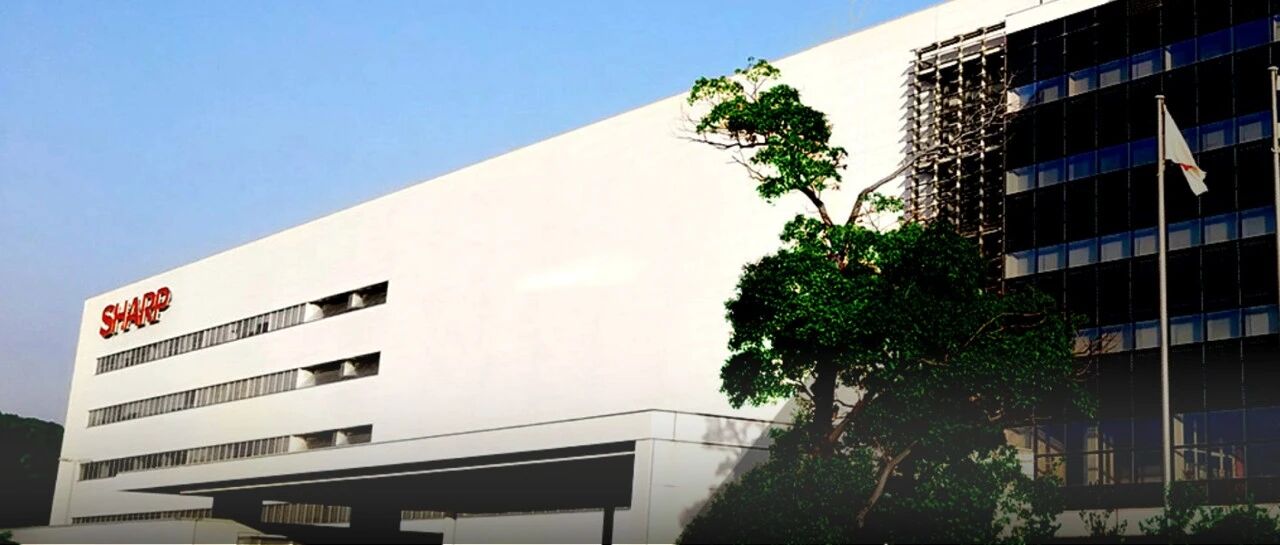
夏普龟山中小尺寸液晶工厂将生产AI服务器
WitsView睿智显示· 2025-11-07 04:04
Core Viewpoint - Foxconn is responding to the growing demand for "sovereign AI" by producing AI servers domestically in Japan, utilizing the Kameyama No. 2 factory acquired from Sharp, with production expected to start within a year [1]. Group 1 - The Kameyama No. 2 factory will be repurposed for AI server production to cater to the Japanese market, aiming to establish a base for sovereign AI [1]. - Concerns exist regarding the sustainability of the rapid growth in AI demand; however, the chairman of Foxconn believes that the market size will continue to expand, especially with the increasing applications of AI models [1]. - The Kameyama factory has two buildings primarily used for producing small to medium-sized LCD panels, but due to fierce competition and low utilization rates in the LCD market, Sharp announced the sale of the Kameyama No. 2 factory to Foxconn by August 2026 [1]. Group 2 - Foxconn is coordinating with SoftBank Group for potential collaboration, although specific details were not disclosed [2]. - SoftBank has signed an agreement with Sharp to invest approximately 100 billion yen (about 4.868 billion yuan) to acquire land and buildings in Sakai City, Osaka, for constructing a large-scale AI data center [2]. - The AI data center will utilize approximately 450,000 square meters of land and 840,000 square meters of building area, with an initial power capacity of about 150 MW, aiming to start operations by 2026 and potentially expand to 250 MW in the future [2].

搭载7英寸OLED屏,华为史上最薄Mate发布
WitsView睿智显示· 2025-11-07 04:04
Core Viewpoint - Huawei has launched the Mate 70 Air smartphone, which is the thinnest model in the Mate series, starting at a price of 4199 yuan [1]. Group 1: Product Specifications - The Mate 70 Air has a thickness of only 6.6mm and weighs approximately 208 grams [1]. - It features a 7-inch OLED deep four-curved screen with a resolution of 2760×1320, supporting a 120Hz adaptive refresh rate and 2160Hz high-frequency PWM dimming, with a dynamic peak brightness of 4000 nits [1]. - The device is equipped with the first-generation tempered Kunlun glass, providing high impact resistance [1]. Group 2: Camera and Battery - The smartphone includes a rear quad-camera setup: a 50MP main camera (1/1.3 inches, F1.8 + OIS), a 12MP RYYB telephoto lens (3x optical zoom + OIS), an 8MP ultra-wide macro lens (F2.2), and a 1.5MP red maple color lens, supporting 4K 60fps video recording with AIS stabilization [4]. - It has a built-in 6500mAh large-capacity battery that supports 66W wired super fast charging [4]. Group 3: Connectivity and Pricing - The Mate 70 Air supports bidirectional Beidou satellite messaging and image messaging, allowing for emergency calls without ground signal [5]. - It is compatible with Wi-Fi 7+ and Bluetooth 5.2, and features a dual SIM card slot [5]. - Pricing for the Kirin 9020B version is 4199 yuan for 12+256GB and 4699 yuan for 12+512GB, while the Kirin 9020A version is priced at 4699 yuan for 16+256GB and 5199 yuan for 16+512GB [5].

UDC官宣:收购默克集团超300项OLED发光材料专利
WitsView睿智显示· 2025-11-07 02:48
Core Insights - Universal Display Corporation (UDC) has reached a final agreement to acquire a portion of OLED-related patent assets from Merck Group, covering over 300 authorized and pending patents globally, with an average remaining validity of about 10 years [1][3]. Group 1: UDC Overview - UDC, established in 1994 and headquartered in the United States, specializes in OLED technology and material research, holding over 6,500 patents [1]. - The acquisition aims to enhance UDC's patent coverage in critical light-emitting materials and strengthen its technological leadership in high-efficiency OLED devices [1]. Group 2: Merck Group Overview - Merck Group is a global technology company operating across life sciences, healthcare, and electronics, achieving sales of €21.2 billion in 2024 across 65 countries [3]. - The company's patent assets have attracted attention from industry giants, with Samsung Electronics acquiring multiple patents from Merck to bolster its quantum dot technology [3][4]. Group 3: Samsung's Patent Acquisitions - In 2023, Samsung acquired 11 patents in February, 42 in July, and an additional 15 patents in Korea, followed by 53 quantum dot-related patents from Merck in August, including core patents for cadmium-free quantum dot technology [4].

国产FMM企业众凌科技完成C轮融资
WitsView睿智显示· 2025-11-06 07:28
Core Insights - The article highlights that Zhongling Technology, a domestic precision metal mask (FMM) manufacturer, has completed a C-round financing of over 400 million RMB, led by Shenzhen Capital Group with participation from several other institutions [1][4]. Financing and Investment - The funds from this financing round will be allocated as follows: 50% for R&D, including FMM product iteration, domestic production of Invar metal ultra-thin strips, and development of new businesses in photovoltaics and semiconductors; 30% for expanding G8.6 generation FMM production capacity and overseas market layout; and 20% for working capital and IPO reserves [1][4]. Product and Technology - FMM is a critical consumable in OLED display panel manufacturing, where its precision determines screen resolution and display quality. The product utilizes a dense array of micro or sub-micro holes on a metal sheet to control the deposition of RGB organic light-emitting materials, ensuring independent and precise deposition of each sub-pixel [1][4]. Market Position and Production Capacity - Zhongling Technology specializes in ultra-fine metal sheet processing, with product offerings that include high-end ultra-fine processing products for display panels, display terminals, and VR/AR displays [1][4]. - The company has invested over 100 million RMB in the G8.6 generation FMM project, with core equipment for the production line already moved in and other supporting equipment being installed and tested [4]. Achievements and Validation - The company has achieved large-scale production of domestically produced FMM using Invar alloy thin strips, with 20μm thick FMM products validated and supplied in bulk to leading domestic panel manufacturers, supporting the launch of high PPI smartphones like the Xiaomi 17 Pro Max [4].

苹果准备进军低价笔电市场?
WitsView睿智显示· 2025-11-06 07:28
Core Viewpoint - Apple is preparing to enter the low-cost laptop market with a new budget Mac aimed at students, businesses, and general consumers, targeting users of Chromebooks and entry-level Windows PCs [1][3]. Group 1: Product Details - The new laptop, codenamed "J700," is currently in internal testing and early production stages with overseas suppliers, expected to launch in the first half of next year [1]. - The pricing of the new laptop will be below $1,000, utilizing lower-cost components, including an iPhone-level processor and a more basic LCD screen, with a slightly smaller size than the current 13.6-inch MacBook Air [3]. - This will mark the first time Apple uses an iPhone processor in a Mac, rather than the M-series chips designed specifically for computers, although internal tests indicate that the iPhone chip outperforms the earlier M1 chip used in previous MacBooks [3]. Group 2: Market Context - Apple has previously tested the waters by selling the M1 MacBook Air for under $700 through channels like Walmart, but the new laptop will be a completely new design rather than a discounted version of an old model [4]. - Currently, the cheapest Mac available is the M4 MacBook Air priced at $999 (or $899 for educational pricing), while Chromebooks can be found for as low as a few hundred dollars, with higher-end versions around $600 [4]. - In the education market, Apple's entry-level iPad combined with the Magic Keyboard Folio is priced around $600, and the new budget Mac is expected to be in a similar price range but with longer battery life and full macOS functionality [4]. Group 3: Financial Performance - The Mac segment is the fastest-growing hardware product for Apple, with revenue increasing by 13% year-over-year to $8.73 billion last quarter [4]. - Although growth is expected to slow in the current quarter due to the limited release of a new entry-level MacBook Pro with the M5 chip, multiple updates are anticipated in 2026, including M5 versions of the MacBook Air, MacBook Pro, Mac mini, and Mac Studio, as well as a new MacBook Pro featuring the M6 chip and OLED touchscreen expected by late 2026 or early 2027 [4].


11月电视面板价格或将全面下调
WitsView睿智显示· 2025-11-06 07:28
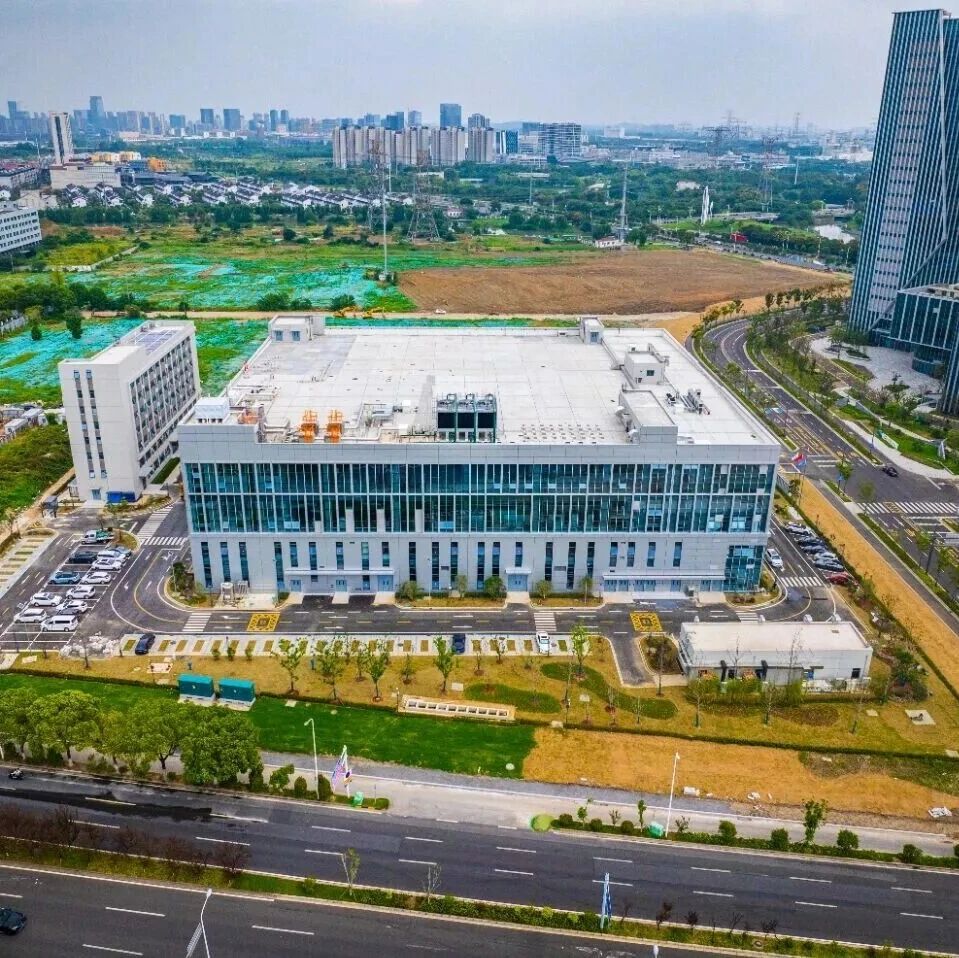
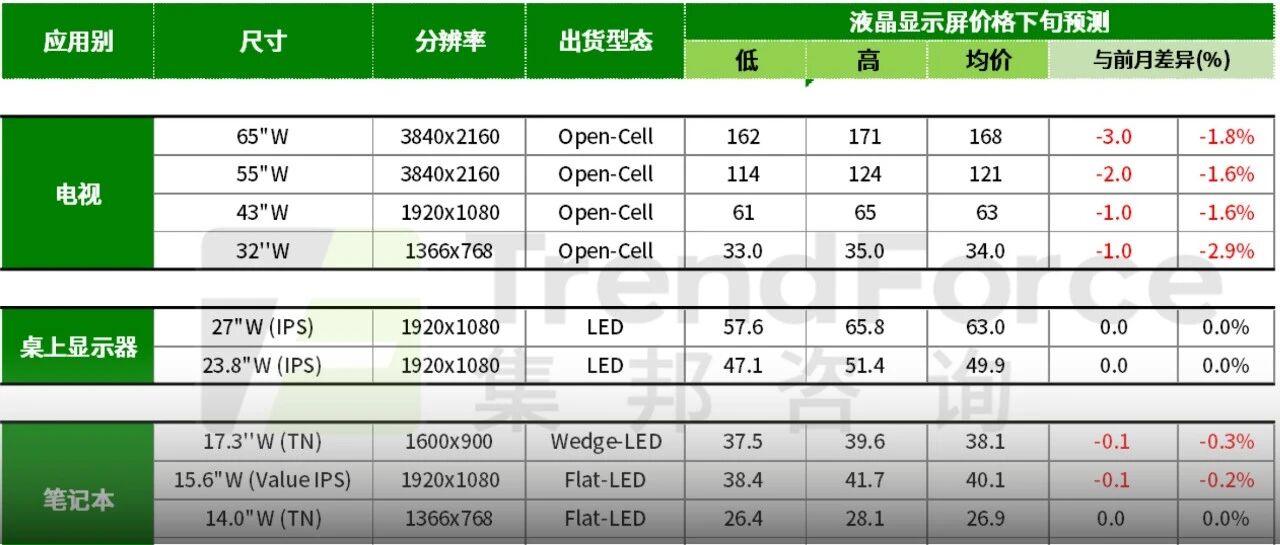
Core Viewpoint - TrendForce predicts a comprehensive price adjustment for TV panels in November, while monitor panel prices remain stable, and slight decreases are expected for some laptop panels [1][4][5][6]. Group 1: TV Panels - Demand for TV panels in November shows only a slight decline, with some brands still willing to increase orders. Panel manufacturers are making minor adjustments to production rates while remaining flexible to brand demands [4]. - Price forecasts for November indicate a decrease of $1 for 32-inch and 43-inch panels, $2 for 50-inch and 55-inch panels, and $3 for 65-inch and 75-inch panels [4]. Group 2: Monitor Panels - Demand for monitor panels has significantly weakened entering the fourth quarter, but manufacturers are reluctant to make substantial price concessions, leading to continued losses. As a result, the consensus is to maintain stable prices for most mainstream sizes [5]. - The only exception is the 23.8-inch VA Open Cell panel, which is expected to decrease by $0.1 due to slightly loosened supply [5]. Group 3: Laptop Panels - Despite entering the traditional off-season, demand for laptop panels is slightly stronger than expected, with some brand clients willing to increase purchase volumes. Manufacturers are adopting a lower bargaining stance to maintain customer relationships [6]. - Price expectations for November indicate that TN panel prices will remain stable, while IPS panel prices are anticipated to decrease by $0.1 [6].
总投资5.3亿,无锡新型光电显示材料基地开业
WitsView睿智显示· 2025-11-06 07:28
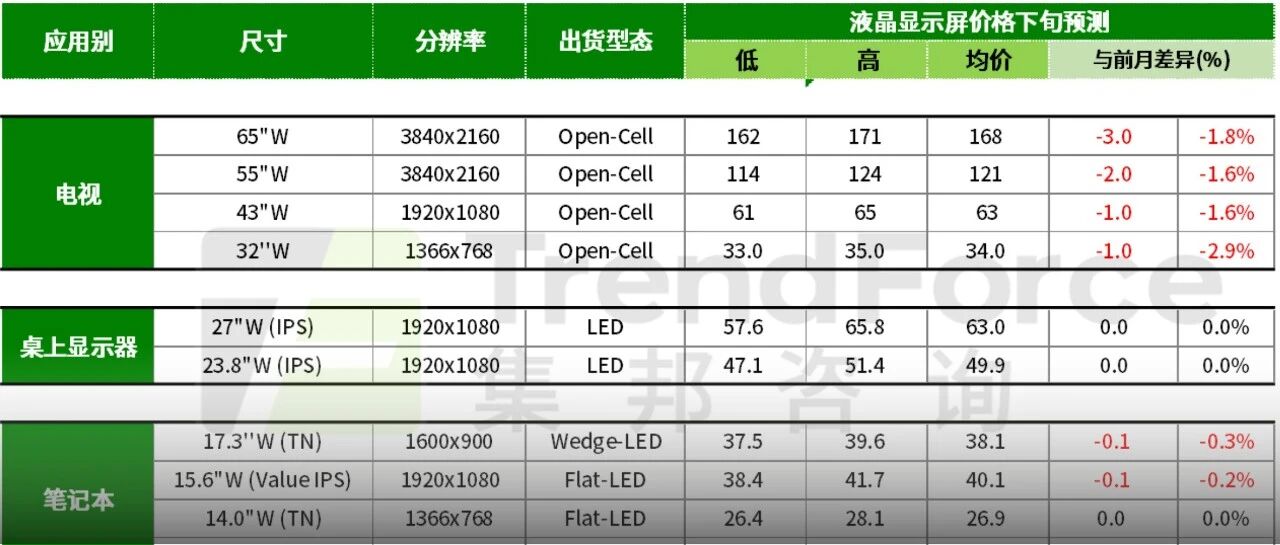
Core Insights - The article highlights the opening of the San Yue Technology Comprehensive R&D Center and new high-end production base for optoelectronic materials in Wuxi, with a total investment of 530 million yuan [1] - The project aims to establish an annual production capacity of 30 tons of OLED materials and will focus on R&D in OLED materials, PI flexible display materials, lithium battery materials, and semiconductor photoresist [1][3] - San Yue Technology plans to collaborate with strategic partners such as BOE, Visionox, and Tianma to integrate the entire chain from basic research to material development and panel application [1] Company Overview - San Yue Technology, established in 2013, specializes in the R&D, production, and sales of OLED display materials and flexible electronic functional materials, with over 10 years of experience in the OLED display materials sector [3] - The company has successfully validated technology concepts and achieved mass production, gaining recognition from major enterprises like BOE, Xiaomi, and TCL Huaxing [3]
2025年11月面板最新价格预测
WitsView睿智显示· 2025-11-05 09:37
Core Insights - TrendForce's latest report predicts a comprehensive price reduction for TV panels by November 2025, while monitor panel prices are expected to remain stable compared to the previous month, with slight decreases anticipated for some laptop panels [2][5]. TV Panel Price Forecast - The average price for a 65-inch TV panel is projected to be $168, down by $3 or 1.8% from the previous month, with a range between $162 and $171 [5]. - The average price for a 55-inch TV panel is expected to be $121, a decrease of $2 or 1.6%, with prices ranging from $114 to $124 [5]. - The average price for a 43-inch TV panel is forecasted at $63, down by $1 or 1.6%, with a price range of $61 to $65 [5]. - The average price for a 32-inch TV panel is estimated at $34, a reduction of $1 or 2.9%, with prices between $33 and $35 [5]. Monitor Panel Price Forecast - The average price for a 27-inch IPS monitor panel is projected to be $63, with a price range from $57.6 to $65.8 [6]. - The average price for a 23.8-inch IPS monitor panel is expected to be $49.9, with prices ranging from $47.1 to $51.4 [6]. Laptop Panel Price Forecast - The average price for a 17.3-inch TN laptop panel is anticipated to be $38.1, down by $0.1 or 0.3%, with a price range of $37.5 to $39.6 [9]. - The average price for a 15.6-inch Value IPS laptop panel is expected to be $40.1, a decrease of $0.1 or 0.2%, with prices ranging from $38.4 to $41.7 [9]. - The average price for a 14.0-inch TN laptop panel has stabilized at $26.9 since early July 2024, with a range of $26.4 to $28.1 [9]. - The average price for an 11.6-inch TN laptop panel has also stabilized at $25.1 since early July 2024, with prices between $24.2 and $26.5 [9].
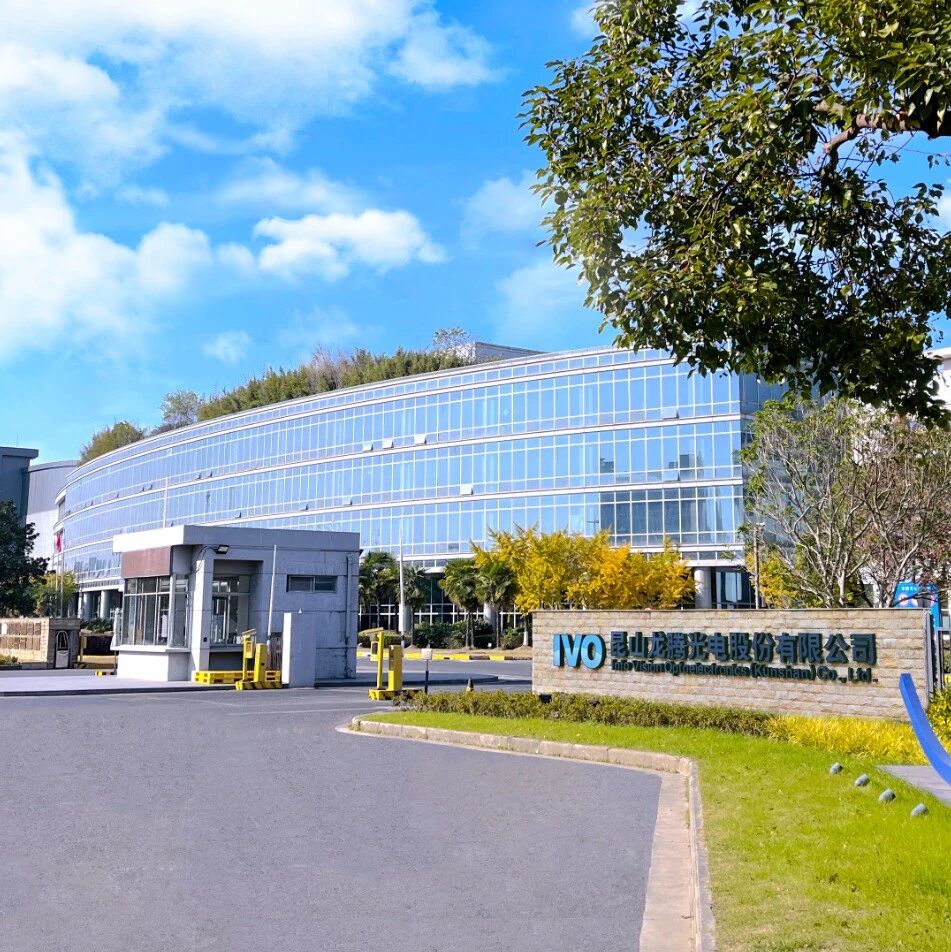
龙腾光电:拟出售全资子公司100%股份
WitsView睿智显示· 2025-11-05 09:37
Core Viewpoint - Longteng Optoelectronics plans to sell 100% equity of its wholly-owned subsidiary, Longteng Electronics, to optimize resource allocation and enhance operational efficiency in line with its global strategic development plan [1][6]. Group 1: Company Overview - Longteng Electronics was established in 2002 with a registered capital of 616 million yuan, focusing on the R&D, production, sales, and after-sales service of new flat panel display devices and computer peripheral products [5]. - In 2024, Longteng Electronics achieved a revenue of 887 million yuan and a net profit of 1.36 million yuan. However, in the first three quarters of 2025, it reported a revenue of 152 million yuan with a loss of 9.44 million yuan [5]. Group 2: Transaction Details - The transaction price for the sale will be based on the assessment results approved by the state-owned assets supervision and administration department, with the listing price not lower than the assessed value [6]. - Longteng Optoelectronics stated that the sale of Longteng Electronics will optimize resource allocation, improve overall operational efficiency, and enhance the company's comprehensive strength, aligning with its operational development needs [6]. Group 3: Financial Performance - In the first three quarters of this year, Longteng Optoelectronics reported a revenue of 1.903 billion yuan, a year-on-year decrease of 27.85%, and a net profit attributable to shareholders of -180 million yuan [6].

100nm,瑞士团队开发超小尺寸OLED
WitsView睿智显示· 2025-11-05 09:37
近日, 瑞士联邦理工学院苏黎世分校 的研究团队在学术期刊《Nature》上发表最新研究成果,其 成功开发出一种可大规模制备的纳米级OLED制造技术,有望推动超分辨成像、片上光源及超宽带 芯粒通信等前沿应用的发展。 研究团队使用了一种名为自对准纳米模板光刻(nanostencil lithography)的方法,能够大规模 生产纳米级OLED。通过这种工艺,研究人员成功地制造出了像素密度高达 100,000 ppi,像素大 小仅100nm的OLED。与传统的光刻技术不同,这种方法不需要使用光刻胶和复杂的光刻过程,制 程更加简单、高效,并且大大降低了生产成本。 使用该技术生产的OLED表面上拥有超过100万像素,并且在外量子效率方面达到了 13.1%。此 外,研究人员还开发出了一种电致发光超表面,通过这种表面上的"超原子"( meta-atoms ), 可以精确控制发光的方向和偏振特性,从而实现对光发射的精确调节。这一特性为开发新型光学器 件提供了新的可能,特别是在光通信和显示技术方面。 据悉,与传统的无机LED相比,有机材料的一个突出优点是它们能够在分子级别上发光,这使得 OLED在微缩化方面具有天然优势。虽然 ...
