WitsView睿智显示

Search documents
14.24亿元,智能手机厂商Nothing完成C轮融资
WitsView睿智显示· 2025-09-22 09:08
9月16日,Nothing宣布完成2亿美元(约合14.24亿元人民币)C轮融资,由老虎环球领投,谷歌 风投、EQT跟投,高通创投和印度富豪Nikhil Kamath首次入股。 Nothing总部位于伦敦,由OnePlus联合创始人裴宇创立。公司产品涵盖手机、耳机和智能穿戴, 设计以透明机身或外壳为特色,如Phone系列透明后盖、Ear系列透明耳机柄,并配备Glyph灯 效,通过颜色和闪烁频率显示通知或音乐节奏,兼具实用与装饰功能。 Nothing的手机系列包括中高端的Nothing Phone系列和主打性价比的CMF Phone系列。 其中,Nothing Phone(1)于2022年7月上市,搭载骁龙778G+芯片;Phone(2)于2023年7月发 布,配备骁龙8+ Gen1芯片,并提供三年系统更新;Phone(3)于2025年7月推出,首次采用硅碳 电池和LTPS AMOLED屏。 值得一提的是,Phone(3)手机背面采用Glyph Matrix数显矩阵屏,并且采用的是Micro LED器 件,可实现细微通知、视觉提示及交互反馈等功能。 图片来源:Nothing 音频产品方面,Nothing推出Ear ...


2025年9月面板价格
WitsView睿智显示· 2025-09-22 09:08
Core Viewpoint - TrendForce's latest report indicates that panel prices for TVs, monitors, and laptops are expected to remain stable through September 2025, aligning with earlier forecasts [2]. Panel Price Summary TV Panels - The average price for a 65-inch TV panel is projected to be $173, with a minimum of $167 and a maximum of $176. - The average price for a 55-inch TV panel is $124, with a minimum of $118 and a maximum of $127. - The average price for a 43-inch TV panel is $64, with a minimum of $62 and a maximum of $66. - The average price for a 32-inch TV panel is $35, with a minimum of $34 and a maximum of $36 [5]. Monitor Panels - The average price for a 27-inch IPS monitor panel is $63, with a minimum of $57.6 and a maximum of $65.8. - The average price for a 23.8-inch IPS monitor panel is $49.9, with a minimum of $47.1 and a maximum of $51.4 [6]. Laptop Panels - The average price for a 17.3-inch TN laptop panel has stabilized at $38.3, with a minimum of $37.7 and a maximum of $39.8. - The average price for a 15.6-inch Value IPS laptop panel is projected to be $40.3, remaining unchanged from the previous month, with a minimum of $38.6 and a maximum of $41.9. - The average price for a 14.0-inch TN laptop panel has stabilized at $26.9, with a minimum of $26.4 and a maximum of $28.1. - The average price for an 11.6-inch TN laptop panel has stabilized at $25.1, with a minimum of $24.2 and a maximum of $26.5 [7][8].

总投资10亿,南京OLED微显示器件项目一期投产
WitsView睿智显示· 2025-09-22 09:08
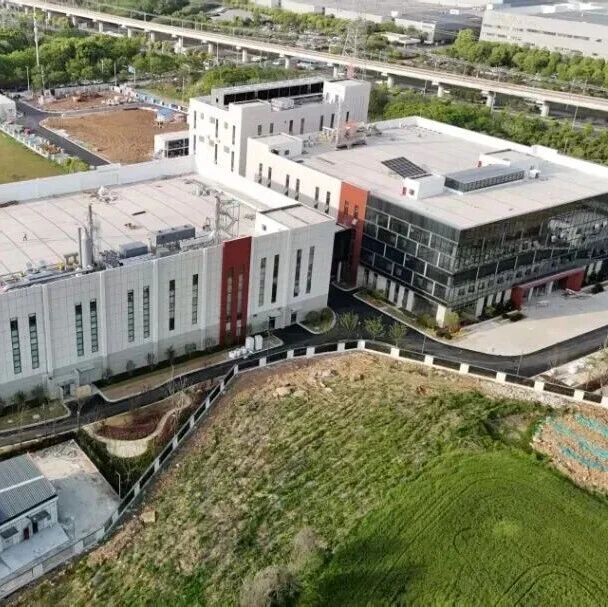
Core Viewpoint - The article highlights the completion and operational launch of the first phase of the Nanjing Guozhao Optoelectronics OLED micro-display device expansion project, emphasizing its significance in the OLED and Micro-LED display industry [2][4]. Summary by Sections Project Overview - The total investment for the project is 1 billion yuan, covering an area of 50 acres with a total construction area of 45,000 square meters. It includes the establishment of a 12-inch silicon-based OLED micro-display production line and an 8-inch silicon-based Micro-LED production line, aiming for an annual production capacity of 4 million display units [4]. Phase One Details - The first phase of the project has an investment of 400 million yuan and a construction area of approximately 25,000 square meters. The core production capacity of this phase is a production line for ultra-high-resolution silicon-based OLED micro-displays, which has completed equipment installation and debugging [4]. Company Background - Guozhao Optoelectronics is a subsidiary of the China Electronics Technology Group Corporation, focusing on the research, design, production, and sales of silicon-based OLED and Micro-LED micro-display devices and components. Its core products are widely used in various fields, including night vision observation, helmet displays, digital sights, AR/VR, EVF, and FPV [4]. Product Innovations - In the AR/VR sector, Guozhao Optoelectronics launched its first high-resolution monochrome high-brightness source for AR helmets in 2016. In 2022, it introduced the first color high-brightness HD036 product (0.36 inches, resolution 1280×720) with a brightness of 4000 cd/m². The company has been enhancing its capabilities in high-brightness device development and manufacturing [5]. Future Product Launches - In 2024, Guozhao Optoelectronics plans to release the VGA020 (0.2 inches, resolution 640×480) and HD030 (0.3 inches, resolution 1280×720) ultra-high-brightness small-size products, achieving brightness levels exceeding 10,000 cd/m². In 2025, it will launch the GZ030PCC01, a 0.3-inch ultra-high-brightness, low-power full-color silicon-based OLED product with a brightness of 10,000 cd/m² and a pixel density of 4800 ppi [5].
Meta首款量产AR装置有望带动LCoS显示产品市占率
WitsView睿智显示· 2025-09-19 10:17
Core Insights - TrendForce's latest research indicates that Meta's recently launched AR device, the Meta Ray-Ban Display Glasses, utilizes LCoS display technology, which is expected to increase the market share of LCoS display products to 13% by 2026 [2][5] - The competition between LCoS and single-chip full-color LEDoS is anticipated to intensify until significant breakthroughs in technology and cost for LEDoS are achieved, projected for 2028 [5][6] Market Analysis - The global AR device shipment is forecasted to grow by 9.1% annually, reaching 600,000 units by 2025, driven by AI-enabled information prompt applications [5] - Meta's AR glasses feature a 20-degree field of view (FoV), a resolution of 600x600, a pixel density of 42 PPD, and a brightness of 5,000 nits, targeting the information prompt application market [5] Technology Development - Meta opted for LCoS technology over the mainstream single green LEDoS combined with waveguide technology due to LCoS's maturity, cost-effectiveness, and superior average power consumption [5] - Despite its advantages, LCoS faces challenges in miniaturization, high brightness, and high contrast, prompting companies like OmniVision and Himax Display to push for next-generation display technology [6] Future Projections - The LEDoS technology requires further optimization in terms of cost and process, with expectations for breakthroughs through QD color conversion and vertical stacking technologies post-2028, potentially increasing its market share to 65% by 2030 [6]


消息称苹果计划在台湾地区试产折叠屏iPhone
WitsView睿智显示· 2025-09-19 10:17
Core Viewpoint - Apple is negotiating with suppliers in Taiwan to establish a test production center for the rumored foldable iPhone, expected to launch in 2026, with plans to replicate this setup in India for mass production [2][4]. Group 1: Production Plans - Apple aims to set up a small pilot production line in Taiwan to validate device performance and manufacturing processes for the foldable iPhone [2]. - The company plans to produce approximately 95 million units of the next iPhone series in 2026, a 10% increase from the total shipments in 2025, driven by the introduction of the foldable model [4]. - The pilot production line in Taiwan is still in the planning stages, facing challenges such as the need for around 1,000 operators and limitations in land and labor resources [2]. Group 2: Market Expectations - TrendForce estimates that foldable phone shipments will reach 19.8 million units in 2025, maintaining a penetration rate of about 1.6% compared to 2024 [4]. - Despite advancements in technology and product variety, the growth of foldable phone sales remains moderate due to consumer concerns over visible creases, durability, and pricing [4]. - The foldable phone market is currently viewed as a "high-end experimental product," with most users preferring high-cost-performance traditional smartphones [4]. Group 3: Future Outlook - A potential turning point for the foldable phone market may occur in 2026, with Apple's entry likely to increase consumer interest and acceptance of foldable devices [5]. - Apple's foldable phone is expected to feature a 5.5-inch external display and a 7.8-inch internal display, continuing the company's focus on stability and ecosystem integration [5].


天马发布高端OLED技术品牌:天工屏
WitsView睿智显示· 2025-09-19 10:17
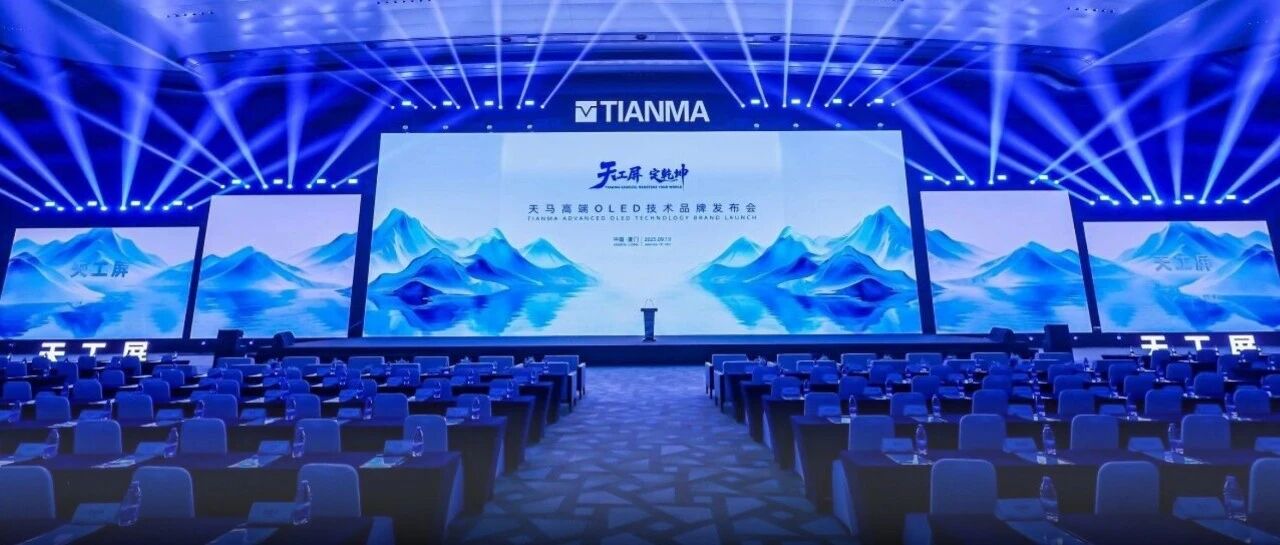
Core Viewpoint - Tianma Microelectronics officially launched its high-end OLED technology brand "Tiangong Screen" on September 19 in Xiamen, highlighting its advancements in eye protection, display quality, and high refresh rates [2][5]. Group 1: Technology Highlights - The Tiangong Screen features a "super eye protection" core with four main characteristics: flicker-free, low blue light (4.7% harmful blue light), 1nit eye protection, and adaptive ambient light [5]. - In terms of display quality, the Tiangong Screen achieves a global peak brightness of 2500 nits and a maximum peak brightness of 8000 nits, with a color gamut covering 95% of BT.2020, providing realistic color reproduction [5]. - The screen utilizes a self-developed "Windmill" pixel structure to enhance detail display precision, resulting in sharper text edges and clearer dynamic images [5]. Group 2: Refresh Rate and Collaboration - The mass production capability of the Tiangong Screen supports a refresh rate of 165Hz, with research and development capabilities extending to 240Hz; it also features LTPO 3.0 technology for adaptive refresh rates to optimize smoothness and reduce power consumption [6]. - OPPO's Vice President Liu Chang announced that the OPPO Find X9 smartphone will be the first to feature the Tiangong Screen, following a deep collaboration between OPPO and Tianma to create a dedicated high-spec screen production line [6]. - Tianma and OPPO have established a joint laboratory to collaborate on health display technology research and industry standard formulation [6].

聚焦大平板显示设备,中微公司广州生产基地开工
WitsView睿智显示· 2025-09-19 10:17
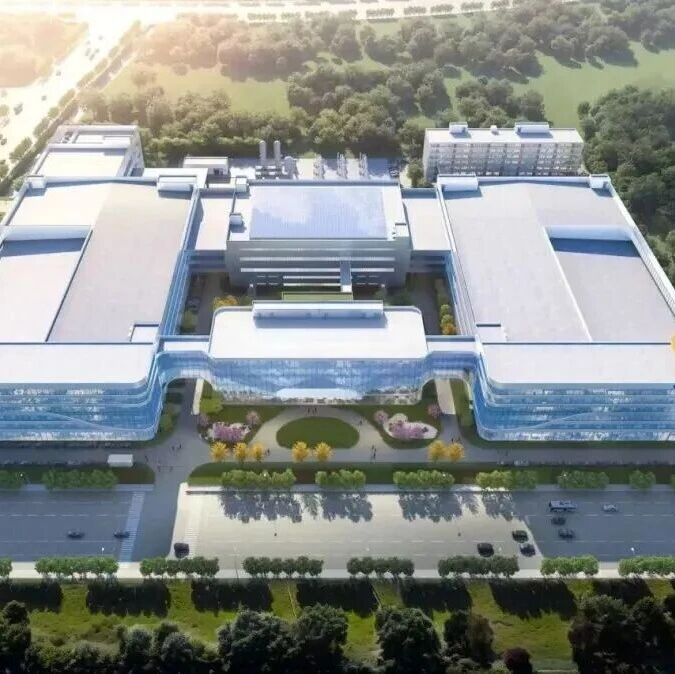
Core Viewpoint - The establishment of the South China headquarters R&D and production base by Zhongwei Semiconductor Equipment (Shanghai) Co., Ltd. marks a significant step in enhancing its capabilities in the semiconductor and related industries, aiming to solidify its leading position in the global high-end semiconductor equipment market [2][3]. Group 1: Project Overview - The South China headquarters R&D and production base covers an area of approximately 130 acres with a total investment of 3 billion yuan [3]. - The first phase of the project, which has commenced, occupies about 50 acres and involves an investment of approximately 1 billion yuan, with completion expected by the end of 2026 and production planned for 2027 [3]. Group 2: Focus Areas - The base will initially focus on R&D and production in the large flat panel display equipment sector and will gradually expand into emerging fields such as smart glass and board-level packaging [3]. - The project aims to enhance product R&D and advanced manufacturing capabilities, further deepening the strategic layout in the semiconductor and broader semiconductor industry chain [3]. Group 3: Financial Performance - In the first half of 2025, Zhongwei Company achieved revenue of 4.961 billion yuan, representing a year-on-year growth of 43.88% [5]. - The net profit attributable to shareholders was 706 million yuan, an increase of 36.62% year-on-year, while the net profit after deducting non-recurring items was 539 million yuan, up 11.49% year-on-year [5].

国产OLED材料企业九目化学IPO获受理
WitsView睿智显示· 2025-09-19 10:17
Core Viewpoint - Yantai Jiumu Chemical Co., Ltd. has received approval for its IPO on September 18, 2025, indicating a significant step towards public listing and capital raising for its business expansion in OLED materials [2][3]. Company Overview - Established in 2005, Jiumu Chemical is a subsidiary of China Energy Conservation Investment Corporation, primarily engaged in the R&D, production, and sales of OLED front-end materials, including sublimation materials and intermediates [2]. - Major clients include Samsung SDI, Merck Group, and DuPont, with sales to Samsung SDI showing a growth trend due to its investments in high-generation OLED panel production lines [4][5]. Financial Performance - The company's revenue from 2022 to 2025 is projected to grow from 706 million yuan to 962 million yuan, with net profits after non-recurring items expected to increase from 197 million yuan to 246 million yuan [4]. - The revenue breakdown for the first quarter of 2025 shows that OLED sublimation materials accounted for 68.81% of total revenue, while intermediates contributed 26.66% [5]. IPO Details - Jiumu Chemical plans to raise 1.15 billion yuan through its IPO, with funds allocated to the "OLED Display Materials and Other Functional Materials Project (Phase II)" and a "R&D Center Project" [6][7]. - The Phase II project aims to enhance production capacity by adding 280 tons of OLED front-end materials, while the R&D center will focus on improving research capabilities and technological advancements [7]. Investment Allocation - The total investment for the OLED materials project is set at 1.5 billion yuan, with 1 billion yuan sourced from the IPO proceeds, while the R&D center project has a total investment of 200 million yuan, with 150 million yuan planned to be funded through the IPO [7][8].

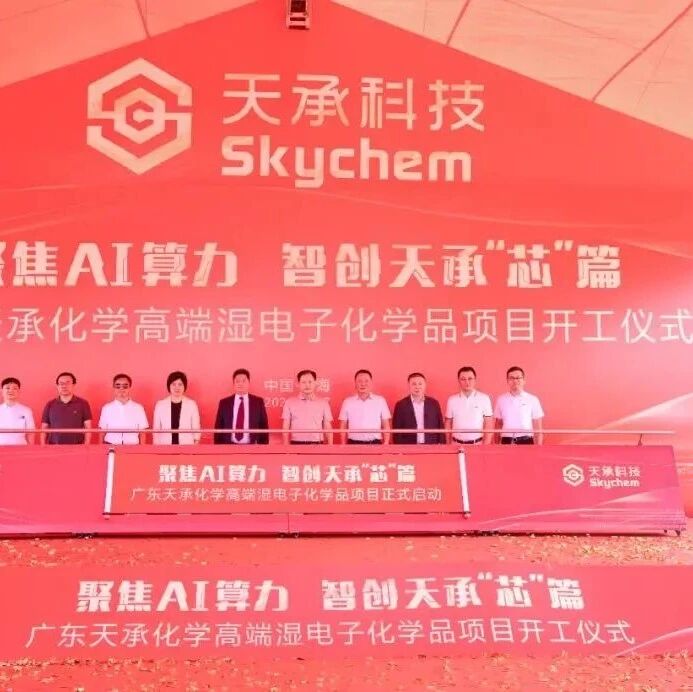
总投资2.5亿元,天承科技新材料项目在珠海开工
WitsView睿智显示· 2025-09-18 14:47
Core Viewpoint - The article highlights the launch of a new high-end electronic chemical products project by Guangdong Tiancheng Chemical in Zhuhai Economic and Technological Development Zone, with a total investment of 250 million yuan, aimed at enhancing production capacity in the semiconductor and electronics sectors [2][4]. Company Overview - Tiancheng Technology, established in 2010, specializes in the research and production of functional wet electronic chemicals and was listed on the Sci-Tech Innovation Board in 2023 [4]. - The company focuses on chemical deposition, electrochemical deposition, and interface treatment technologies, with applications in electronic circuits, semiconductor packaging, displays, and new energy [4]. Project Details - The new project covers an area of approximately 25,500 square meters and is designed to produce 30,000 tons of high-end electronic chemicals annually, including products like plating additives and copper treatment agents [4]. - The project is expected to cater to industries such as integrated circuits, display panels, new energy, glass substrates, and PCBs [4]. Financial Performance - In the first half of the year, Tiancheng Technology reported revenue of 213 million yuan, a year-on-year increase of 23.4%, and a net profit attributable to shareholders of 36.73 million yuan, up 0.2% year-on-year [6]. - The company anticipates continued growth in PCB-related products driven by demand from computing power, high-speed communication, new energy vehicles, and ADAS [6]. Expansion Plans - The company is upgrading its Shanghai main base while constructing the Zhuhai production facility, with plans to increase PCB-related electronic chemical production capacity to 40,000 tons per year [6]. - An overseas factory in Thailand is also under construction, aimed at establishing a stable supply capability for the Southeast Asian market and further expanding global reach [6].

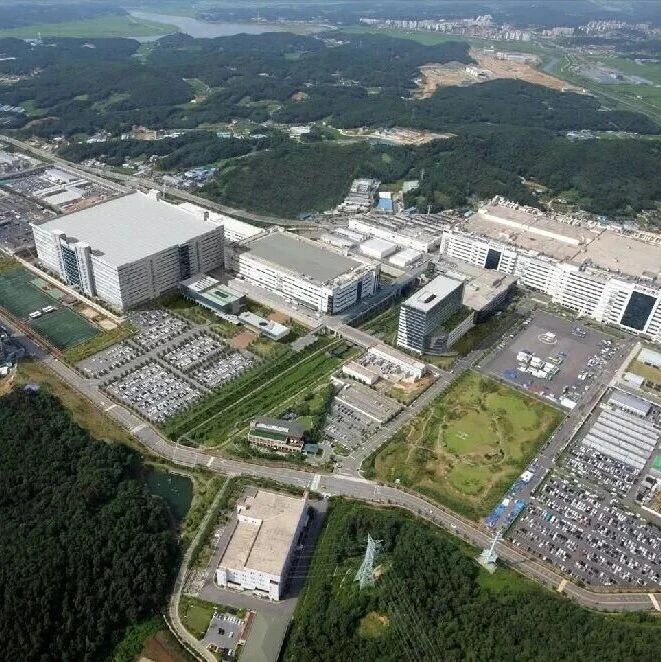
韩媒:LGD扩增OLED产能,应对iPhone 18需求
WitsView睿智显示· 2025-09-18 14:47
Core Viewpoint - LG Display (LGD) is expanding its AP4 factory in Paju, Gyeonggi-do to meet the increasing demand for OLED panels from Apple for iPhones [2][3]. Group 1: Expansion Plans - LGD has established a task force for the expansion of the AP4 production line, which is the company's 6th generation mobile OLED production line focused on processing thin-film transistor (TFT) substrates for iPhone panels [2]. - The monthly production capacity of the AP4 factory was increased from 30,000 to approximately 45,000 units by the end of 2023, and the company has now decided to expand production again after two years [2]. - After the expansion, LGD expects to add a monthly capacity of 15,000 units, bringing the total monthly capacity of the AP4 factory to 60,000 units [3]. Group 2: Financial Outlook - LGD's board approved an OLED investment plan of 1.26 trillion KRW, most of which will be allocated to the expansion of the AP4 production line [3]. - The new production capacity is anticipated to be utilized for the next generation iPhone (iPhone 18 series) expected to launch in the second half of next year [3]. - Despite recording an operating loss of 116 billion KRW in Q2 this year, LGD aims to accelerate its OLED business upgrade in the second half of the year, striving for profitability by the end of the year [5].