国家能源局

Search documents
能源高质量发展专家谈丨“一带一路”能源合作为全球能源绿色转型注入强劲动力
国家能源局· 2025-09-09 10:53
当前,能源绿色低碳转型已成为全球普遍共识和一致行动。"十四五"时期,"一带一路"能源合作从传统能源开发向绿色 低碳转型延伸,加速迈入构建能源绿色低碳转型共赢新模式的高质量发展新阶段。在习近平总书记共建"一带一路"倡议 和构建人类命运共同体理念的共同指引下,中国坚持开放、绿色、廉洁理念,以高标准、惠民生、可持续为目标,以实 际行动引领全球绿色发展,坚定履行"双碳"承诺,为推动共建"一带一路"国家能源绿色低碳转型和全球能源格局重塑, 贡献了中国力量,提供了中国方案。 01 高质量完成"十四五"规划目标,构建开放共赢的能源国际合作新格局 "一带一路"能源合作为全球能源绿色转型注入强劲动力 电 力规划设计总院党委书记 胡明 "十四五"期间,中国始终坚持共商共建共享,全方位加强绿色能源国际合作,持续提升全球能源治理能力,实现了更大 范围、更宽领域、更深层次的能源合作,为保障开放条件下的能源安全奠定了坚实的基础,高质量完成了"十四五"构建 开放共赢能源国际合作新格局的目标任务。 (一)共商绿色能源合作新理念。 中国倡导建立了"一带一路"能源合作伙伴关系,锚定务实合作与绿色发展主题,广泛 凝聚多边共识,先后与各成员国共同研 ...


新华社丨超充建设提速 以后充电能否像加油一样方便?
国家能源局· 2025-09-09 09:50
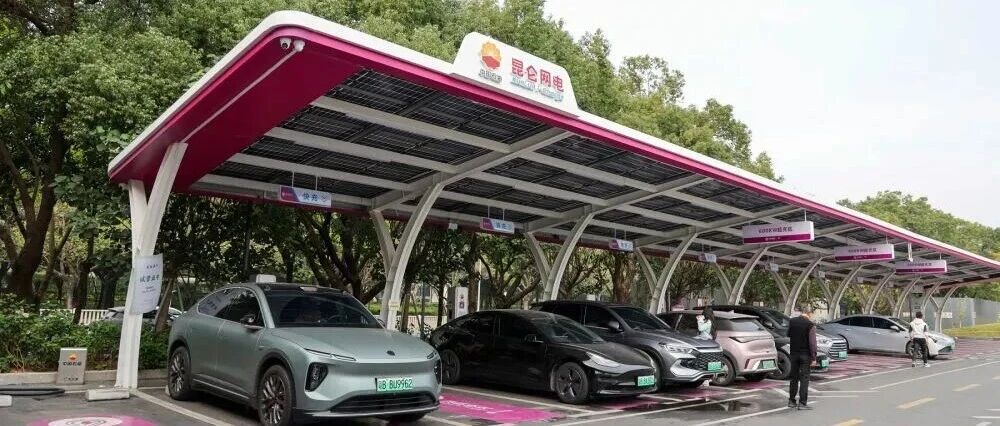
Core Viewpoint - The article discusses the rapid development of high-power charging infrastructure in China, highlighting the transition towards more efficient charging solutions for electric vehicles, which may alleviate range anxiety and make charging as convenient as refueling a traditional vehicle [2][6]. Group 1: Current State of Charging Infrastructure - As of June 2023, China has a total of 16.1 million electric vehicle charging facilities, with 4.096 million being public and 12.004 million private [6]. - The current charging infrastructure is characterized by a dominance of low-power chargers, insufficient penetration of fast chargers, and the emergence of ultra-fast charging [6]. - The government aims to have over 100,000 high-power charging facilities by the end of 2027, with ongoing construction efforts from both state-owned and private enterprises [6][12]. Group 2: Technological Advancements - High-power charging stations, such as those with 600 kW capacity, can charge electric vehicles from 20% to 80% in approximately 8 to 10 minutes using 800V high-voltage technology [5]. - The construction of high-power charging facilities requires advanced technology to manage high voltage and current, including liquid cooling systems and dynamic power distribution [8][10]. - Recent national standards have been established to ensure the safety and reliability of high-power charging systems, with mandatory regulations implemented in August 2023 [10]. Group 3: Challenges and Solutions - The construction of high-power charging facilities faces challenges such as land and power resource limitations in urban areas, high investment costs, and long payback periods [12]. - The government is promoting the integration of high-power charging facility planning with power grid development and encouraging long-term leasing agreements to support stable operations [12]. - There is a need for improved interoperability standards among different charging systems to enhance user experience and compatibility [13].
媒体报道丨如何推进“AI+”能源高质量发展?两部门提出分阶段目标
国家能源局· 2025-09-09 02:26
二是专栏明确典型场景建设路径。 以专栏形式明确了37个人工智能+能源的融合应用发展重点任务,涉及百余项场景,其 中,油气方向有6个,煤炭、电网、水电、能源新业态方向各5个,火电、新能源方向4个,核电方向3个,同时,提出了各 任务的建设路径与目标。 近日,国家发展改革委、国家能源局印发了《关于推进"人工智能+"能源高质量发展的实施意见》(以下简称《实施意 见》)。 《实施意见》提出能源领域人工智能发展的分阶段目标: 到2027年,着眼于打牢基础、树好标杆、健全体系 。聚焦能源 领域智能化水平不均衡、共性技术支撑不足、规模化应用尚未形成,重点推动"五十百"工程,即推动五个以上专业大模型 在电网、发电、煤炭、油气等行业深度应用,挖掘十个以上可复制、易推广、有竞争力的重点示范项目,探索百个典型应 用场景赋能路径,制定完善百项技术标准,培育一批行业级研发创新平台,形成符合我国国情的能源领域人工智能技术创 新发展模式。 到2030年,聚焦自主可控、深度赋能、国际领先 ,在前期技术积累和场景验证的基础上, 着力推动能源领域人工智能专 用技术实现体系化突破与规模化落地 。这一阶段更注重核心技术的自主创新与深度融合应用,通过人 ...

国家能源局党组部署开展第四轮巡视工作
国家能源局· 2025-09-08 11:31
王宏志强调, 要紧扣以能源高质量发展助推中国式现代化这个主题,围绕 落实 "把握新发展阶段,贯彻新发展理念,构建 新发展格局,推动高质量发展"要求 和二十届三中全会部署的深入推进能源革命、加快规划建设新型能源体系、持续深化能 源领域体制机制改革以及高质量完成 "十四五"规划目标任务等重大决策部署,持续推进政治监督具体化、精准化、常态 化,确保贯彻执行不偏向、不走样。要坚守政治巡视定位,聚焦被巡视党组织履行党的领导职能责任,聚焦党员领导干部 的政治忠诚、政治担当、政治能力,聚焦落实中央巡视整改政治责任,从严从实开展监督,推动各级党组织为党分忧、为 能源事业尽责。 王宏志要求,进一步把严的标准立起来,把 " 发现问题、形成震慑,推动改革、促进发展 " 的巡视工作方针贯彻落实到 位。要突出监督重点,紧盯重点问题、重点领域、重点对象,聚焦 " 一把手 " 和领导班子以及在重要岗位、可能提拔使用 的干部加强监督了解。要通过专项巡视,持续压实中央巡视整改责任,完善整改促进机制,重点开展现场督导检查,深入 评估整改成效,对敷衍应付、虚假整改的严肃问责,推动中央巡视发现问题真改实改。 会上,机关党委(人事司)主要负责同志宣布 ...

能源高质量发展专家谈丨“十四五”我国油气勘探开发取得显著成效,自主保障油气安全能力不断提升
国家能源局· 2025-09-08 09:37
"十四五"我国油气勘探开发取得显著成效 自主保障油气安全能力不断提升 探明储量创历史新高。 "十四五"期间,预计全国累计新增探明地质储量石油70亿吨、天然气7万亿立方米以上,分别 较"十三五"增长约43%、40%;石油、天然气技术可采储量替换率分别保持在1.1、2.2以上,确保我国每年油气新增探明 技术可采储量均超过采出量,为油气上产夯实资源基础。 产量当量创历史新高。 2024年,我国油气产量当量首次超过4亿吨,连续8年保持千万吨级快速增长势头。预计"十四 五"末,我国石油产量有望超历史峰值、天然气产量将超过2亿吨油当量,推动我国油气产量当量站上4.2亿吨的新高度, 进一步巩固"稳油增气"发展态势。 02 油气勘探开发取得一批标志性成果 原油产量时隔六年重上2亿吨。 各大油气企业持续加大新区效益建产、老区持续稳产和精细管理提产,预计"十四五"累 计新建原油产能1.05亿吨,克服原油产量每年自然递减约2000万吨的巨大挑战,实现原油产量企稳回升,2022年重上2 亿吨,2025年有望创历史新高(2.15亿吨)。其中,海洋原油增产量占全国70%以上。 天然气连续九年超百亿方增长。 在稳油增气及低碳转型战略指引下 ...

国家发展改革委公开征求意见
国家能源局· 2025-09-08 08:32
国家发展改革委关于 《输配电定价成本监审办法(修订征求意见稿)》 《省级电网输配电价定价办法(修订征求意见稿)》 《区域电网输电价格定价办法(修订征求意见稿)》 《跨省跨区专项工程输电价格定价办法(修订征求 意见稿)》公开征求意见的公告 为贯彻落实党的二十届三中全会精神和中共中央办公厅、国务院办公厅《关于完善价格治理机制的意见》要求,进一步完 善输配电价格监管制度,国家发展改革委会同有关方面对《输配电定价成本监审办法》(发改价格规〔2019〕897号) 《省级电网输配电价定价办法》(发改价格规〔2020〕101号)《区域电网输电价格定价办法》(发改价格规〔2020〕 100号)和《跨省跨区专项工程输电价格定价办法》(发改价格规〔2021〕1455号)进行了修订,现向社会公开征求意 见。 此次公开征求意见的时间为2025年9月8日至10月8日。欢迎社会各界人士通过网络等方式提出意见。公众可登陆国家发展 改革委门户网站(http://www.ndrc.gov.cn)首页"互动交流"板块,进入"意见征求"专栏提出意见建议。 感谢您的参与和支持! 国家能源局微信公众号是国家能源局新闻宣传、信息公开、服务群众的重要平台 ...

国家发展改革委 国家能源局关于推进“人工智能+”能源高质量发展的实施意见
国家能源局· 2025-09-08 02:57
国家发展改革委 国家能源局关于推进"人工智能+"能源高质量发展的实施意见(国能发科技〔2025〕73号) 各省、自治区、直辖市及计划单列市、新疆生产建设兵团发展改革委、能源局,有关中央企业,有关行业协会: 坚持以习近平新时代中国特色社会主义思想为指导,深入贯彻党的二十大和二十届二中、三中全会精神,全面贯彻习近平 总书记关于推动人工智能与实体经济深度融合、培育壮大智能产业的重要指示精神,以拓展人工智能与能源领域深度融合 应用场景为重要依托,以提升能源领域人工智能创新应用技术水平为主攻方向,以推进智能算力与电力协同发展为必要支 撑,以健全能源智能化发展的创新体系为关键保障,着力提升能源系统安全可靠与灵活高效运行能力,保障能源安全稳定 供应和绿色低碳转型,加快培育新质生产力,为新型能源体系建设提供有力支撑。 到2027年,能源与人工智能融合创新体系初步构建,算力与电力协同发展根基不断夯实,人工智能赋能能源核心技术取得 显著突破,应用更加广泛深入。推动五个以上专业大模型在电网、发电、煤炭、油气等行业深度应用,挖掘十个以上可复 制、易推广、有竞争力的重点示范项目,探索百个典型应用场景赋能路径,培育一批能源行业人工智能技 ...

国家能源局科技司相关负责同志就《关于推进“人工智能+”能源高质量发展的实施意见》答记者问
国家能源局· 2025-09-08 02:57
国家能源局科技司相关负责同志就《关于推进"人工智能+"能源高质量发展的实施意见》答记者问 问:《实施意见》出台的背景是什么? 答: 党中央、国务院高度重视人工智能发展,近日,国务院印发《关于深入实施 "人工智能 + "行动的意见》,推动人工 智能与经济社会各行业各领域广泛深度融合。能源是创新创业高度活跃的领域,具有数字化基础好、数据质量高、应用场 景丰富等比较优势,应走在人工智能应用前列。特别是能源央企积极布局,围绕资源勘探、 生产运维、安全监测等环节 , 已经成功研发应用了 电力、油气、煤炭等多个具有行业代表性的专业 大模型 。 总的看, 我国能源领域已形成了场景覆盖 广泛的人工智能发展格局。 与此同时,相比于 能源行业的高安全性与强专业性,以及对决策容错率和知识体系完备性的严苛要求, 人工智能技术在能 源领域应用仍然存在着技术可靠性不足、数据基础较为薄弱、电算供需逆向分布等不容忽视的问题与挑战。 大模型 "黑 箱"特性导致的可解释性缺陷和潜在幻觉风险,使得人工智能技术在涉及核电站安全决策、电网实时调度等核心领域尚无法 满足行业级可靠性要求 。随着越来越多场景融入人工智能应用, 亟需加强顶层设计和系统谋划, ...

能源高质量发展专家谈丨扛牢能源安全首要责任 “十四五”煤炭行业实现跃升发展
国家能源局· 2025-09-07 10:55
Core Viewpoint - The coal industry in China has made significant strides in ensuring energy security, promoting green and low-carbon transformation, and enhancing industrial competitiveness during the "14th Five-Year Plan" period [3] Group 1: Energy Security and Supply Capacity - The coal supply capacity has significantly improved, with national coal reserves increasing to 2,186 billion tons by the end of 2023 [4] - Coal production in 2024 is projected to reach 4.78 billion tons, an increase of 880 million tons compared to 2020 [4] - The coal railway transportation volume rose from 2.36 billion tons to 2.82 billion tons, enhancing the national coal resource allocation capacity [4] Group 2: Production and Distribution Optimization - The focus of coal production has shifted towards the central and western regions, with raw coal output in the western region increasing from 2.32 billion tons to 3.04 billion tons [5] - The production capacity of eight major provinces reached 4.36 billion tons in 2024, accounting for 91.3% of the national total [5] - Xinjiang's coal production is expected to reach 540 million tons in 2024, marking a significant increase [5] Group 3: Structural Optimization and Modernization - The number of coal mines has decreased to fewer than 4,300, with an average production scale of 1.7 million tons per mine [6] - The number of large modern coal mines with an annual output of over 10 million tons has increased to 83, with a total capacity of 1.36 billion tons per year [6] - The industry is actively developing new sectors such as advanced computing, new materials, and modern finance [6] Group 4: Green and Low-Carbon Development - The coal industry has implemented green mining technologies, achieving a comprehensive utilization rate of 74.1% for coal gangue and 74.2% for mine water [8] - The comprehensive energy consumption for coal production has decreased to 7.9 kg of standard coal per ton [8] - The industry is transitioning from a single fuel source to a dual focus on raw materials and fuel, with significant progress in developing new coal-based materials [8] Group 5: Technological Innovation and Industry Advancement - The coal industry has seen a significant increase in intelligent mining, with smart mines accounting for over 55% of total coal production capacity [9] - The industry has established several innovative platforms, including a national-level blockchain service platform [9] - The number of patents in the coal sector has been growing at an annual rate of over 25% [9] Group 6: Reform and Regulatory Enhancements - Key reforms in the coal sector have been implemented, including market-oriented reforms and the establishment of a unified coal market system [10] - The energy law and coal law revisions are underway, enhancing the regulatory framework for the industry [10] - In 2024, 26 coal companies made it to the Fortune 500 list, indicating improved market competitiveness [10] Group 7: Safety and Governance Improvements - The coal industry has enhanced its safety production capabilities, with new regulations and standards being implemented [11] - Significant investments in safety management and technology have been made to prevent major disasters [11] - The overall safety performance of coal mines has shown a stable improvement [11] Group 8: Future Outlook - The "15th Five-Year Plan" period is expected to see coal demand peak, with a focus on clean and efficient utilization [12] - The industry aims to further its role in energy security while accelerating green and low-carbon transitions [12] - The goal is to achieve higher quality, efficiency, and safety in coal production, supporting China's modernization efforts [12]

媒体报道丨新能源汽车如何加速驶向新农村,基础设施短板怎样补齐?
国家能源局· 2025-09-07 08:55
Core Viewpoint - The article discusses the ongoing promotion of new energy vehicles (NEVs) in rural areas, highlighting the importance of vehicle quality, after-sales service, subsidies, and charging infrastructure for rural consumers [2]. Group 1: Vehicle Selection and Consumer Preferences - Rural consumers are increasingly considering factors such as after-sales service, availability of subsidies, and charging facilities when purchasing NEVs [2]. - In Jiangsu, the government has implemented policies to support NEV purchases, with over 270,000 NEVs sold by June 30, resulting in subsidies exceeding 4.1 billion [8]. - A local peach farmer in Jiangsu shared that he purchased a new electric logistics vehicle, benefiting from a 10,000 subsidy for trading in his old vehicle, and found the operational costs significantly lower compared to traditional fuel vehicles [6][8]. Group 2: Service and Support Systems - In Hunan, the service infrastructure for NEVs is being enhanced, with local dealerships offering 24-hour roadside assistance and home test drives to facilitate rural consumers [9]. - A sales consultant in Hunan successfully secured multiple orders by providing on-site services and incentives, demonstrating the effectiveness of personalized customer engagement [10]. Group 3: Infrastructure Development - In Guangxi, the construction of charging stations is being prioritized to support the growing number of NEVs in rural areas, with a focus on safety and convenience [12]. - The local government is strategically planning the placement of charging stations to ensure accessibility, with over 200 public charging stations added in the first half of the year, leading to a 25.7% increase in NEV sales [16][17]. - The development of charging infrastructure is aligned with the NEV promotion policies, aiming to unlock consumer potential in rural markets [17].