国家能源局

Search documents
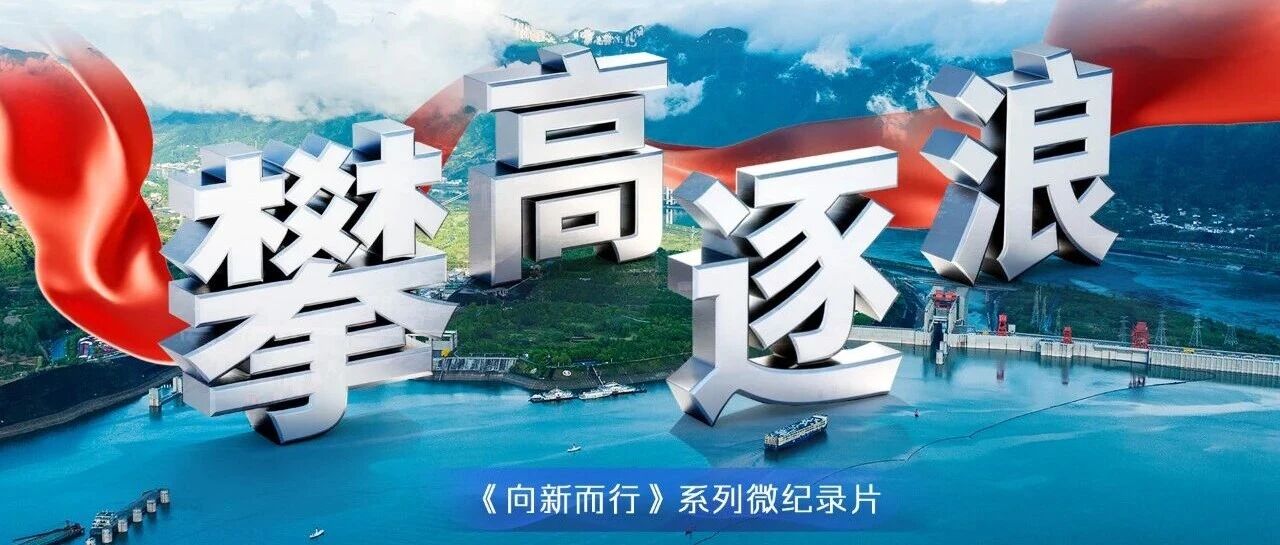
向新而行︱攀高逐浪 走进长江三峡电站 探访“小船坐电梯 大船爬楼梯” 的中国奇迹!
国家能源局· 2026-03-20 06:53
Core Viewpoint - The article emphasizes the importance of energy transformation as a strategic precursor to productivity advancement, highlighting the need to cultivate energy technologies and related industries as new growth points for industrial upgrading in China [2]. Group 1: Energy Infrastructure Development - The Three Gorges Project in Hubei Yichang is transitioning from being the "World Hydropower Capital" to the "Clean Energy Capital," showcasing significant advancements in energy infrastructure [7]. - The Three Gorges Ship Lift, the largest of its kind globally, allows ships to ascend nearly 40 stories in about 10 minutes, enhancing the operational efficiency of the Three Gorges Dam [6][7]. - The Three Gorges Power Station serves as a backbone for China's "West-to-East Power Transmission" and "North-South Power Supply" initiatives, continuously supplying electricity to regions such as Central China, East China, and Guangdong [8]. Group 2: Technological Advancements - The Three Gorges Ship Lift is a fully balanced vertical ship lift, entirely manufactured in China, marking a significant leap from following to leading in global technology [11]. - The construction of the ship lift and the adjacent ship lock reflects China's historical leadership in improving water transport conditions, with the country being the first to build such infrastructure [13]. - The advancements in ship lift and lock technology are indicative of China's commitment to high-level technological self-reliance and the practical application of new productivity in building an energy powerhouse [14].

新华社丨推动亚太地区能源合作 中方提出三方面建议
国家能源局· 2026-03-20 06:14
Core Viewpoint - The article discusses the outcomes of the 71st APEC Energy Working Group meeting held in Nanchang, Jiangxi, emphasizing three priority directions for energy development in the Asia-Pacific region: inclusive energy services, integration of artificial intelligence with energy, and collaborative governance in energy management [2]. Group 1: Inclusive Energy Services - The meeting advocates for inclusive processes and diverse technological pathways to promote high-quality energy services across the Asia-Pacific region, ensuring that development benefits reach every individual [2]. Group 2: Innovation in Energy - There is a call to accelerate innovation by integrating development strategies, governance rules, and technical standards to foster the convergence of artificial intelligence and energy, aiming to create a future-oriented innovation consensus with regional characteristics [2]. Group 3: Collaborative Governance - The article highlights the importance of enhancing policy dialogue, information sharing, capacity building, and risk coordination to improve the effectiveness, transparency, and resilience of energy governance, thereby promoting a new pattern of regional cooperation characterized by complementary advantages and collaborative development [2]. Group 4: Role of Asia-Pacific in Global Energy - The Asia-Pacific region is identified as a crucial engine for global economic growth and a central hub for energy consumption, production, and transition, playing a significant dual role in the global energy landscape [2].

七部门关于加快推动小水电绿色转型高质量发展的指导意见
国家能源局· 2026-03-20 03:31
Core Viewpoint - The article outlines the guidelines for accelerating the green transformation and high-quality development of small hydropower, emphasizing ecological protection, safety, and integration with rural revitalization efforts [3][4]. Group 1: Overall Requirements - The guidelines are guided by Xi Jinping's thoughts and aim for a safe, green, intelligent, and beneficial small hydropower system, focusing on ecological protection and high-quality development by 2035 [4]. Group 2: Control of Development and Construction - New small hydropower projects are strictly controlled, especially in ecologically sensitive areas, with a focus on existing infrastructure and ensuring ecological safety [5]. - Expansion and renovation of existing small hydropower stations will be conducted scientifically, ensuring compliance with ecological and safety standards [5][6]. Group 3: Implementation of Renovation and Upgrading - The guidelines promote the intelligent transformation of small hydropower stations using advanced technologies like IoT and AI to enhance operational safety and efficiency [8]. - Collective operation of small hydropower stations is encouraged to improve emergency response and ecological flow management [8][9]. Group 4: Ecological Protection and Restoration Measures - Ecological flow must be scientifically determined to balance various water demands and ensure the health of river ecosystems [10]. - Strict measures for ecological flow release are mandated, including monitoring and adjustments based on ecological needs [11][12]. Group 5: Enhancing Safety Production Capabilities - Continuous safety assessments of small hydropower dams are required, with immediate action on identified safety hazards [13]. - A standardized safety management system is to be established to enhance overall safety levels in small hydropower operations [14]. Group 6: Supporting Rural Revitalization - Small hydropower is positioned as a key player in rural revitalization, integrating with local energy systems and economic development [15]. - Multi-energy complementary projects are encouraged to leverage small hydropower's capabilities in renewable energy integration [16]. Group 7: Improvement of Support Measures - A collaborative mechanism among various governmental levels is essential for the effective implementation of small hydropower projects [17]. - Policies to support the marketization of small hydropower pricing and ecological restoration costs are to be developed [17][18]. Group 8: Promotion of Technological Innovation - Emphasis is placed on advancing safety monitoring technologies and integrating AI and big data into small hydropower operations [18]. - Establishing a comprehensive technical standard system for small hydropower is crucial for innovation and international standardization [18]. Group 9: Public Awareness and Participation - The article calls for increased public awareness and participation in the green transformation of small hydropower, promoting successful experiences and practices [19].

四部门关于印发《节能装备高质量发展实施方案(2026—2028年)》的通知
国家能源局· 2026-03-20 03:31
Core Viewpoint - The "Implementation Plan for High-Quality Development of Energy-Saving Equipment (2026-2028)" aims to enhance energy efficiency and reduce energy consumption through advanced technology in energy-saving equipment, supporting industrial energy utilization and national energy security [4][6]. Group 1: Overall Requirements - The plan emphasizes the integration of Xi Jinping's thoughts on ecological civilization and aims to promote energy conservation and carbon reduction in key industries, focusing on optimizing energy systems and advancing technology [5]. - By 2028, the plan targets breakthroughs in key materials and components for energy-saving equipment, with a goal of achieving international leading energy efficiency levels in motors and transformers [6]. Group 2: Accelerating R&D and Promotion of Advanced Energy-Saving Equipment - The plan outlines specific targets for energy-saving motors, fans, pumps, and compressors, aiming for a 35% share of new energy-saving equipment by 2028, with over 15% of existing equipment being energy-efficient [7]. - For transformers, the goal is to have over 75% of new energy-saving transformers by 2028, with 15% of existing transformers meeting energy efficiency standards [8]. - The plan also focuses on enhancing industrial heat pumps and cooling/heating equipment, targeting a 45% share of new energy-saving equipment by 2028 [10]. Group 3: Expanding Green and Low-Carbon Supply of Energy-Saving Equipment - The plan promotes green low-carbon design and manufacturing, emphasizing the use of recyclable materials and advanced green manufacturing processes [16][18]. - It encourages the recycling and disposal of old energy-saving equipment, utilizing technologies like 5G and IoT for better management [19]. Group 4: Strengthening System Coupling and Matching - The plan advocates for improved coupling between energy-saving equipment and their operational environments, aiming to reduce redundancy and enhance efficiency [20][21]. - It encourages the development of tailored energy-saving equipment for emerging applications, such as renewable energy generation and hydrogen production [23][24]. Group 5: Promoting Digitalization and AI Empowerment - The plan emphasizes the construction of a big model for energy-saving equipment to enhance data collection and analysis, facilitating real-time monitoring and optimization [27][28]. - It promotes the integration of AI technologies to improve energy-saving strategies and operational efficiency in various sectors [29]. Group 6: Building a Healthy Development Environment for the Industry - The plan supports the modernization of energy-saving equipment and encourages financial institutions to provide credit support for upgrades [32]. - It aims to establish a comprehensive standard system for energy-saving equipment, ensuring compliance with national energy efficiency standards [33].
亚太经合组织能源工作组第71次会议在江西南昌成功举办
国家能源局· 2026-03-19 13:54
Core Viewpoint - The APEC Energy Working Group's 71st meeting held in Nanchang, Jiangxi, focused on building a collaborative and innovative energy community in the Asia-Pacific region, emphasizing high-quality energy services, AI integration in energy, and cooperative governance [3][4]. Group 1 - The meeting was attended by approximately 90 representatives from APEC member economies, research centers, expert groups, and international organizations [1]. - This meeting is the first mechanism meeting in the energy sector during China's third term as APEC host, aligning with the 2026 APEC China Year theme of "Building a Community of Shared Future in the Asia-Pacific" [3]. - The meeting highlighted the dual role of the Asia-Pacific as a key driver of global economic growth and a central hub for energy consumption and production [3]. Group 2 - Three priority directions were proposed: promoting inclusive energy services, accelerating innovation through AI and energy integration, and enhancing collaborative governance in energy [4]. - The first suggestion emphasizes inclusive processes and diverse technological paths to ensure energy services benefit everyone in the Asia-Pacific [4]. - The second suggestion focuses on the integration of development strategies, governance rules, and technical standards to foster innovation in the energy sector [4]. - The third suggestion advocates for improved policy dialogue, information sharing, and risk coordination to enhance the effectiveness and resilience of energy governance [4]. Group 3 - During the meeting, representatives reported on their respective energy policies and progress, and discussions were held regarding the arrangements for upcoming APEC energy meetings and activities [4]. - A series of professional side events were organized from March 15 to 20, enriching the agenda of the Nanchang APEC Energy Week [4]. - Participants engaged in technical and cultural visits to energy infrastructure and local industries, such as the Honggutan interactive supercharging demonstration station and Jiangling's intelligent manufacturing of new energy vehicles [4].
国家能源局负责人会见新加坡贸工部副常秘
国家能源局· 2026-03-19 11:15
Core Viewpoint - The meeting between China's National Energy Administration and Singapore's Ministry of Trade and Industry aims to enhance cooperation in the energy sector, focusing on advanced technologies and modernization efforts in both countries [1][3]. Group 1: Energy Cooperation - China and Singapore have a close energy cooperation relationship and are willing to strengthen policy communication and collaboration in key areas [3]. - The framework for cooperation is outlined in the Memorandum of Understanding on Energy Cooperation between the National Energy Administration of China and Singapore's Ministry of Trade and Industry [3]. Group 2: Areas of Collaboration - Singapore is advancing its energy modernization efforts and seeks to deepen cooperation with China in areas such as advanced nuclear energy, solar power generation, grid modernization, and new energy technologies [3].
习近平会见土库曼斯坦民族领袖、人民委员会主席别尔德穆哈梅多夫
国家能源局· 2026-03-19 00:33
Group 1 - The core viewpoint of the article emphasizes the strengthening of the comprehensive strategic partnership between China and Turkmenistan, highlighting mutual support as a key principle [4][5] - The article discusses the successful convening of China's National People's Congress and the approval of the "14th Five-Year Plan," which is expected to benefit both China and the world [3] - It mentions the commitment to enhance cooperation in various sectors, including energy, trade, digital economy, and clean energy, as part of the Belt and Road Initiative and the revival of the Silk Road strategy [4] Group 2 - The article notes that Turkmenistan has maintained its independence and sovereignty while pursuing a development path that aligns with its national conditions, celebrating 35 years of independence [3] - It highlights Turkmenistan's commitment to the One China principle and its willingness to strengthen strategic alignment with China, particularly in energy and trade [5] - The article underscores the importance of multilateral cooperation, with both countries expressing a desire to work together within platforms like the United Nations to maintain regional and global peace [5]

2026年全国电力系统运行方式汇报分析会暨并网电厂涉网安全管理联席会议在京召开
国家能源局· 2026-03-18 03:11
Core Viewpoint - The meeting held by the National Energy Administration emphasizes the importance of ensuring the safety of the power system during the 14th Five-Year Plan and outlines the challenges and key tasks for the 15th Five-Year Plan and 2026 [2] Group 1 - The meeting highlighted the need for all units to implement the important discussions and directives from General Secretary Xi Jinping regarding production safety [2] - It was stressed that a comprehensive understanding of the safety challenges facing the power system during the 15th Five-Year Plan is essential [2] - The meeting called for a solid foundation in safety management and the exploration of new governance approaches for power safety [2] Group 2 - Key tasks for risk control in the power system for the 15th Five-Year Plan and 2026 were discussed, focusing on modernizing the power safety governance system and capabilities [2] - The meeting aimed to strengthen the safety barriers of the power system to support the construction of a strong energy nation [2] - Participants included officials from the National Energy Administration, relevant departments, and representatives from member units of the grid-connected power plant safety management joint meeting [2]
媒体报道丨详解“十五五”:109项重大工程如何托起中国的未来
国家能源局· 2026-03-18 02:47
Core Viewpoint - The article discusses China's "14th Five-Year Plan" and its implications for national development amidst global instability, emphasizing the importance of strategic projects in energy and transportation to support economic growth and stability [5][7][10]. Group 1: Strategic Projects - The "14th Five-Year Plan" includes 109 major projects, categorized into three batches, with the first batch focusing on strategic projects that serve as the foundation for national development [8][10]. - Key areas of these strategic projects include energy and transportation, which are essential for supporting the country's development and addressing external uncertainties [13][14]. - The development of energy projects, such as the Yarlung Tsangpo River hydropower project, aims to provide approximately 300 billion kilowatt-hours of clean electricity annually, replacing 90 million tons of standard coal [15][20]. Group 2: Energy and Transportation - Energy projects are designed to reduce China's dependence on external sources, thereby enhancing resilience against global fluctuations [20][21]. - Transportation infrastructure, such as the "Eight Vertical and Eight Horizontal" high-speed rail network, aims to improve internal connectivity, facilitating logistics and economic activity [26][30]. - The completion of these projects is expected to create efficient transportation networks, reducing costs and enhancing the movement of goods and people [27][28]. Group 3: Future Industries - The second batch of projects focuses on promoting leading future industries, including artificial intelligence, satellite internet, and controlled nuclear fusion, which are expected to become new pillar industries for the economy [34][35]. - These industries are projected to generate significant economic output, with estimates suggesting a potential increase from 6 trillion yuan in 2025 to over 10 trillion yuan by 2030 [38][39]. - The emphasis is on overcoming technological challenges and establishing a robust industrial foundation to support these emerging sectors [41][42]. Group 4: Investment in People - The third batch of projects aims to implement social welfare initiatives that enhance the quality of life and address social issues, reflecting a shift towards investing in human capital [47][48]. - This approach includes improving education, social security, and public services, which are essential for adapting to the challenges posed by the AI era [60][62]. - The focus on human investment is intended to create a more equitable distribution of growth benefits and enhance overall societal well-being [66][68].

李强主持召开国务院第十一次全体会议 深入学习贯彻习近平总书记在全国两会期间的重要讲话精神 对落实国务院2026年重点工作进行部署
国家能源局· 2026-03-16 14:31
Core Viewpoint - The article emphasizes the importance of implementing the strategic directives outlined by General Secretary Xi Jinping during the National People's Congress, focusing on the government's role in advancing China's modernization efforts and addressing significant economic challenges [3][4]. Group 1: Strategic Focus - The government is urged to maintain strategic determination and proactively respond to complex external environments and significant reform tasks, with a focus on three key areas: sensitivity to changing circumstances, effective problem-solving, and sustained efforts to address long-term issues [4]. - The government is expected to implement the strategic deployment made by the Central Committee regarding economic and social development, with specific emphasis on key initiatives that can drive significant impact [5]. Group 2: Key Initiatives - Key initiatives include advancing the construction of a unified national market, enhancing the service sector, accelerating the development of new-generation intelligent manufacturing, systematically promoting major infrastructure networks, increasing investment in human resources and public welfare, and better responding to external challenges [5]. - The government is encouraged to integrate the learning and practice of a correct view of performance into its work, emphasizing the importance of scientific decision-making and practical execution [5].