机器人圈

Search documents
具身智能迎来爆发式增长,未来路在何方?
机器人圈· 2025-06-13 09:42
2025智能机器人关键技术大会 清华大学交叉信息研究院助理教授高阳 说,机器人数据采集成本高(需遥操作+物理交互),且难以用语言描述 (如游泳),形成"无智能-少机器人-少数据"的恶性循环,可利用互联网视频数据,通过跟踪视频中物体运动预 训练模型,再迁移到机器人遥操作数据微调,结合强化学习,解决仿真与现实差距。 在具身智能的通用泛化能力构建方面, 智源具身多模态大模型中心负责人、北京大学计算机学院助理教授仉尚航 认为,构建具身快慢系统是具身智能从"单一任务/本体"迈向"通用泛化"的关键路径,分别以"大脑(推理)+小脑 (控制)"的分层快慢系统和VLA端到端快慢系统两条技术路线,解决跨本体(如机械臂、人形机器人)与场景的 泛化性问题。 大会接受各项商务合作,欢迎垂询具体合作形式。 张老师:13305713232(微信同号) 谷老师:18355423366(微信同号) 详细会议介绍参看往期文章: (点击蓝字跳转) 报名开启|顶流期刊征+2025智能机器人关键技术大会盛会将至! 展览展示|抢位2025智能机器人关键技术大会!高曝光商务合作虚位以待,共赴解锁新机遇 征文通知|投稿2025智能机器人关键技术大会,年底可 ...


展览展示|抢位2025智能机器人关键技术大会!高曝光商务合作虚位以待,共赴解锁新机遇
机器人圈· 2025-06-12 10:14
Core Viewpoint - The "2025 Intelligent Robot Key Technology Conference" will be held from July 22-24, 2025, in Qiqihar City, focusing on the integration and breakthroughs of embodied intelligence and multimodal interaction technology in the robotics and AI fields [1]. Group 1: Conference Details - The conference is organized by the "Robot Technology and Application" magazine, supported by various professional committees related to automation and robotics [2]. - The event will feature prominent experts and scholars sharing advancements in frontier technologies and research [1]. - The conference will include a call for papers, with accepted submissions published in a special issue by December 2025 [1]. Group 2: Sponsorship Opportunities - Main forum sponsorship is available for 30,000 yuan, offering benefits such as a speaking opportunity and promotional visibility [3]. - Specialized forum sponsorship is available for 10,000 yuan, including a speaking slot and promotional materials [4]. - Exhibition sponsorship is available for 20,000 yuan, providing an exhibition space and promotional opportunities [5]. Group 3: Registration and Fees - Registration for the conference can be completed online, with a deadline of July 21, 2025 [9]. - The registration fee includes meals during the conference, while accommodation and transportation are self-catered [10]. - Refund requests must be submitted in writing at least seven days before the conference [10].

报名开启|顶流期刊征+2025智能机器人关键技术大会盛会将至!
机器人圈· 2025-06-12 10:14
会 议 通 知 各有关单位: 由《机器人技术与应用》杂志社发起,中国自动化学会机器人专业委员会,中国人工智能学会智能机器人专业委员 会、中国仪器仪表学会智能车与机器人专委会和 中国工程建设焊接协会机器人及智能焊接专业委员会 联合支持的" 2025智能机器人关键技术大会 "将于 2025年7月22-24日 在 齐齐哈尔市 举办,大会以" 具身智能与多模态交互 技术的融合与突破 "为主题,围绕机器人及人工智能领域前沿技术、关键共性技术、产业化路径与标准化建设和跨学科 融合等领域展开交流。 大会由张建伟院士、刘连庆、吴新宇、宋锐、訾斌、付宜利、张建华等教授联合发起,以"具身智能与多模态交互技术 的融合与突破"为主题,邀请王田苗、孙立宁、杨广中、赵杰、董凯、孙富春、刘辛军、喻俊志、喻洪流、刘洪海、文 力、徐静等行业专家学者与大家分享前沿技术和科研进展。 本次大会将携手行业顶流期刊联合征文,录用稿件均将于正刊发表,并于 2025年12月底前出版 ,诚邀大家积极踊跃 投稿!我们也热忱欢迎国内机器人领域相关企业、实验设备研发机构等报名参展,展示最新研究成果 诚挚邀请广大深耕于智能机器人及相关研究领域的专家学者、科技工作者以 ...

智昌携手中船天津打造全国首条小组立焊接标杆产线
机器人圈· 2025-06-12 10:14
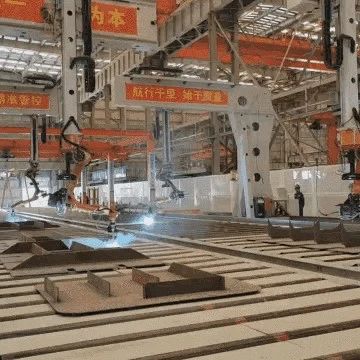
6月11日, 中船天津智能小组立产线开工仪式在天津顺利举行。 作为驱动本次智能制造示范项目的核心科技引擎 与战略合作伙伴,智昌集团应邀出席, 与来自天津港保税区工信局、大连船舶重工集团有限公司、中船(天津) 船舶制造有限公司等单位的嘉宾代表齐聚一堂,共同见证项目启动的关键时刻。 仪式上,天津港保税区工信局局长李金辉、中船天津董事长朱平、智昌集团执行董事分别致辞。随后,大连造船 党委委员、副总经理林吉明先生正式宣布 "中船天津智能小组立产线开工" ,在热烈的掌声中,焊接机器人精准定 位,在耀眼的电弧光中完成了第一条智能焊缝的完美焊接。这不仅标志着全国首条智能小组立焊接标杆产线迈入 实质性建设阶段,更意味着船舶制造业智能化转型迎来重要转折点。 永立潮头,奋楫笃行 早在2024年,智昌集团便与中船天津成功签署战略合作协议,开启了双方深度合作的新篇章。 此次全国首条智能 小组立焊接标杆产线,便是战略合作签约后快速落地的首个重大项目成果。 该产线成功开辟了船舶制造从 "人力 驱动" 迈向 "数据驱动" 的全新范式。未来,双方将以这条产线为基石,进一步拓展合作领域,在智能物流优化、 质量管控升级等方面持续发力,携手推动船 ...
上海市2025年度科技产业高质量发展计划“养老科技支撑”项目申报指南的通知
机器人圈· 2025-06-12 10:14
Core Viewpoint - The article outlines the Shanghai Municipal Science and Technology Commission's 2025 high-quality development plan for the technology industry, specifically focusing on the "Elderly Care Technology Support" project application guidelines aimed at enhancing innovation in elderly care technology [1]. Group 1: Application Scope - The application scope includes various categories of products aimed at assisting the elderly, such as life assistance and health service products [2]. Group 2: Product Directions - **Direction 1: Smart Tracking Wheelchair** - The goal is to develop a smart tracking wheelchair with independent intellectual property rights to assist elderly individuals with mobility impairments [3]. - Key performance indicators include multiple human-computer interaction modes, obstacle detection capabilities, and a minimum range of 25 km for battery life [3]. - **Direction 2: Stair-Climbing Robot** - The aim is to create an adaptive stair-climbing robot that does not require environmental modifications, assisting semi-disabled elderly individuals in safely navigating stairs [6]. - Performance metrics include load capacity, response times, and safety features [6]. - **Direction 3: Portable Bathing Machine** - The project focuses on developing a portable bathing machine that integrates negative oxygen ions and nano-water particles for elderly care [10]. - Key indicators include cleaning effectiveness, safety features, and ease of use [10]. - **Direction 4: Wearable Heart Failure Monitoring Device** - The goal is to create a wearable device for real-time lung fluid measurement to aid in chronic disease management for the elderly [14]. - Performance metrics include measurement accuracy and data transmission capabilities [14]. - **Direction 5: Multi-System Monitoring Wearable Device** - This involves developing a wearable device for monitoring respiratory, digestive, and urinary systems to provide early warnings for elderly patients [17]. - Key indicators include the ability to monitor various health parameters and the accuracy of disease warnings [17]. Group 3: Rehabilitation and Safety Monitoring Products - **Direction 1: Exoskeleton Robot for Lower Limb Rehabilitation** - The project aims to develop a lightweight exoskeleton robot to assist elderly individuals with lower limb disabilities in regaining mobility [21]. - Performance metrics include adaptability to various terrains and improvement in walking metrics [21]. - **Direction 2: Facial Nerve Rehabilitation Device** - The focus is on creating a wearable device for elderly individuals with facial paralysis to enhance rehabilitation outcomes [25]. - Key indicators include signal accuracy and device reliability [25]. - **Direction 3: Smart Assessment and Rehabilitation Device** - This involves developing a smart device for assessing and rehabilitating elderly individuals' mobility at home [28]. - Performance metrics include accuracy in balance assessment and the effectiveness of rehabilitation interventions [28]. Group 4: Care Services and Emotional Support Products - **Direction 1: Humanoid Care Robot** - The goal is to develop a humanoid robot for home care services, providing safety and comfort to elderly individuals [36]. - Key performance indicators include mobility, operational capabilities, and remote service features [36]. - **Direction 2: Integrated Smart Nursing Bed** - The project aims to create a smart nursing bed that facilitates various care services for the elderly [40]. - Performance metrics include automatic switching functions and monitoring capabilities [40]. - **Direction 3: AI Digital Medical Service Device** - The focus is on developing an AI-based device for home medical services, enabling elderly individuals to self-diagnose and receive care recommendations [44]. - Key indicators include connectivity with healthcare systems and diagnostic accuracy [44]. - **Direction 4: Cognitive Assessment and Intervention Robot** - The aim is to create a robot for assessing and intervening in cognitive health for elderly individuals [47]. - Performance metrics include assessment accuracy and the effectiveness of intervention strategies [47].

全球首个具身智能机器人4S店来了,近30个品牌将入驻
机器人圈· 2025-06-12 10:14
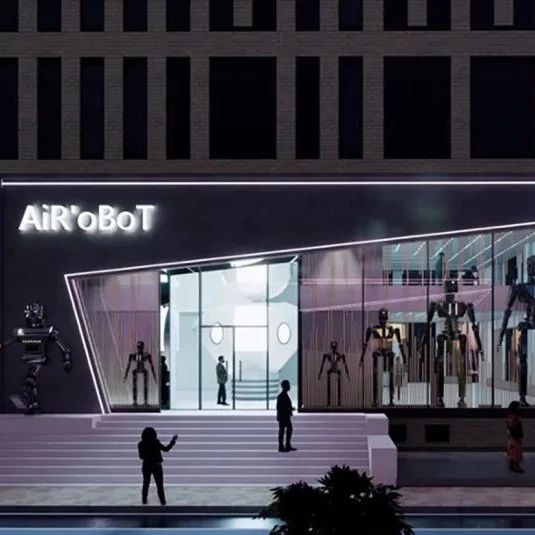
今年8月,全球首个具身智能机器人4S店将在北京正式开放 。从新闻发布会上获悉,该4S店将落地北京经开区机 器人产业园内, 首批近30个品牌的机器人将入驻,提供机器人销售、零部件供应、售后服务和信息反馈等服务 。 当前,具身智能机器人产业正处在产业化前期, 今年也被视为"规模化量产元年",产业发展重心从技术突破转向 规模化落地应用 。 北京经开区管委会副主任梁靓说,产业快速发展存在一些难题和痛点,比如缺乏可靠的维修维护体系、稳定高品 质的零配件供应链、直观产品展示和体验渠道等,急需构建类似于汽车行业4S店的一站式综合服务的平台,满足 机器人全生命周期的服务需求。 4S店将在零配件供应方面,联合供应链头部企业,建立全国快速响应体系,覆盖维修、升级、装配、教学等全场 景配件需求; 在售后服务方面,将建立系统化、专业化的维保团队,依托专业检测平台与原厂标准,提供一体化诊断、模块级 修复及性能验证,实现高效精准维修,并提供线上报修、电话咨询与上门服务; 在信息反馈方面,将定期反馈采购意向,结合机器人维修数据反馈运行稳定性、故障率及维修周期,助力机器人 企业优化产品性能。 目前,研发"天工"的北京人形机器人创新中心等已作 ...
两部门|开展智能养老服务机器人结对攻关与场景应用试点
机器人圈· 2025-06-11 11:43
Core Viewpoint - The Ministry of Industry and Information Technology and the Ministry of Civil Affairs have jointly issued a notice to implement pilot projects for intelligent elderly care service robots from 2025 to 2027, focusing on improving the quality of life for the elderly and alleviating the pressure of family caregiving [1][3]. Group 1: Pilot Project Overview - The pilot period is set from 2025 to 2027, aiming to enhance the quality of life for the elderly, reduce family caregiving pressure, fill the labor gap in institutional and community elderly care services, and improve the elderly care service system [1][3]. - The projects will be implemented in phases, focusing on the development and application of intelligent elderly care service robots in various settings such as homes, communities, and care institutions [1][3]. Group 2: Pilot Content - The pilot includes paired research and development, scenario application validation, and the establishment of standards and evaluation systems [2][4]. - The paired research and development will target three types of elderly care services: home, community, and institutional, addressing needs such as care for the disabled and cognitively impaired, emotional companionship, health promotion, smart environments, and daily living assistance [2][4]. - Scenario application validation will require a minimum of 200 home applications and 20 community or institutional applications, with a validation period of no less than six months [5]. Group 3: Standards and Evaluation - The notice encourages collaboration between product development units and pilot application units to establish standards for intelligent elderly care service robots, focusing on safety, reliability, and suitability for the elderly [2][5]. - The evaluation standards will emphasize the physiological and psychological characteristics of the elderly, aiming to enhance the safety, reliability, and user-friendliness of the products [2][5]. Group 4: Application Conditions - The pilot projects must be applied for in a consortium format, with applicants required to be independent legal entities registered in China, having no significant safety or environmental incidents in the past three years [6][7]. - Applicants must demonstrate the ability to produce and promote robotic products at scale and ensure that product designs consider various safety risks [7][8]. Group 5: Implementation and Support - The application process involves submitting a project proposal, which will be reviewed and recommended by local authorities [9][10]. - Successful pilot projects will be promoted through various channels, and the government will provide policy support to projects that address key needs and demonstrate advanced technology [12].

能干活才是未来!五大先锋公司激辩从实验室到产业化的跨越式突破
机器人圈· 2025-06-11 11:43
Core Insights - The article emphasizes the rapid advancement of Embodied AI as a central focus in global technology, showcased during the 2025 Beijing Zhiyuan Conference, highlighting breakthroughs in key technologies such as motion control and environmental interaction [1] - The transition from showcasing technology to practical applications is underscored, with various companies demonstrating their robots' capabilities in real-world tasks [12] Group 1: Company Innovations - Yushu Technology's G1 robot, labeled as "the world's most capable fighting robot," won the CMG World Robot Competition, demonstrating its autonomous decision-making and high dynamic motion control [2] - Beijing Humanoid Robot Innovation Center's T-Gong 2.0 showcased its ability to complete a half marathon in 2 hours and 40 minutes, with enhanced upper limb dexterity and load-bearing capabilities [3] - Galaxy General's Galbot robot achieved high recognition and grasping success rates in complex retail environments through its self-developed VLA model [6] - Qunche Intelligent's robot demonstrated fine manipulation skills, such as shaving and ice cream scooping, indicating its application in the food processing industry [7] - Physical Intelligence's π-0.5 model, trained in 100 different household scenarios, showcased its ability to generalize tasks effectively, emphasizing the importance of algorithm optimization over sheer data volume [8] Group 2: Industry Trends and Perspectives - The article discusses the significance of robot competitions as catalysts for industrial advancement, providing a platform for technology demonstration and connection between industry and potential customers [12] - The concept of "shape decoupling" is introduced, suggesting that while humanoid robots are not the only solution, they remain ideal for household environments due to ergonomic design [10] - The limitations of current models, such as the VLA model, are acknowledged, particularly in complex, long-sequence tasks, indicating a need for further development to achieve practical application success rates [11] - The consensus among industry leaders is that robots must demonstrate their ability to perform work and create value, marking a shift towards practical applications of embodied intelligence [12]
大模型能够自发形成“人类思维地图”!Nature子刊重磅研究揭示多模态大模型类脑机制
机器人圈· 2025-06-11 11:43
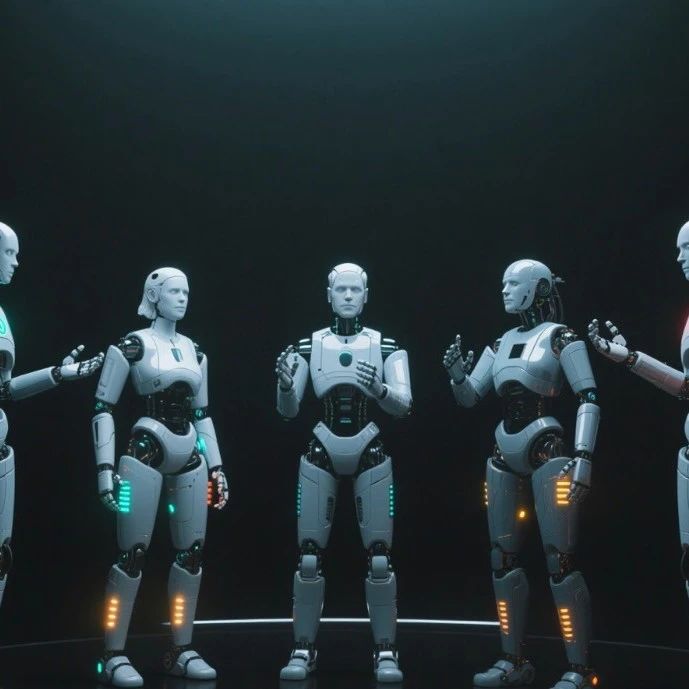
Core Viewpoint - The research published in "Nature Machine Intelligence" demonstrates that multimodal large language models (MLLMs) can develop human-like object concept representations, challenging the notion that these models merely mimic human language without true understanding [2][4]. Group 1: Research Findings - The study analyzed 4.7 million behavioral judgment data to construct an "concept map" of AI models, confirming that MLLMs can form object concept representations similar to humans [3][6]. - The research identified 66 core dimensions of cognition through a sparse positive definite similarity embedding method, revealing that both ChatGPT-3.5 and the multimodal Gemini model exhibit stable low-dimensional representation structures [9]. - MLLMs spontaneously formed 18 high-level object concept categories with a classification accuracy of 78.3%, approaching human accuracy of 87.1% [13]. Group 2: Methodology - The research employed a novel "behavioral cognitive probe" method, integrating computational modeling, behavioral experiments, and neuroscience to analyze AI cognition [8]. - A triplet odd-one-out task was designed to assess the similarity of object representations between AI and humans, allowing for a comparative analysis of decision-making processes [5][31]. Group 3: Cognitive Dimensions - The study provided semantic labels for the cognitive dimensions of AI models, categorizing them into dimensions related to semantic categories, perceptual features, and physical components [17][19][20]. - The findings indicated a significant correlation between MLLM representations and human brain activity patterns, particularly in areas responsible for processing faces, scenes, and bodies [23][24]. Group 4: Implications and Future Directions - The research has broad applications, including the development of neuro-aligned AI systems, exploration of neural mechanisms for concept combination and reasoning, and enhancement of brain-computer interface systems [35]. - Future work will focus on expanding to next-generation multimodal models and establishing a cognitive benchmark testing platform to objectively assess AI's semantic understanding [35][36].

报名开启|顶流期刊征文+2025智能机器人关键技术大会盛会将至!
机器人圈· 2025-06-11 11:43
会 议 通 知 各有关单位: 由《机器人技术与应用》杂志社发起,中国自动化学会机器人专业委员会,中国人工智能学会智能机器人专业委员 会、中国仪器仪表学会智能车与机器人专委会和中国兵工学会先进制造技术专业委员会联合支持的" 2025智能机器人 关键技术大会 "将于 2025年7月22-24日 在 齐齐哈尔市 举办,大会以" 具身智能与多模态交互技术的融合与突破 "为主题,围绕机器人及人工智能领域前沿技术、关键共性技术、产业化路径与标准化建设和跨学科融合等领域展开交 流。 本次大会将携手行业顶流期刊联合征文,录用稿件均将于正刊发表,并于 2025年12月底前出版 ,诚邀大家积极踊跃 投稿!我们也热忱欢迎国内机器人领域相关企业、实验设备研发机构等报名参展,展示最新研究成果。 诚挚邀请广大深耕于智能机器人及相关研究领域的专家学者、科技工作者以及青年学子踊跃投稿、莅临参会,分享研 究心得、碰撞思想火花。 组织机构 01 支持单位: 中国自动化学会机器人专业委员会 中国人工智能学会智能机器人专业委员会 中国仪器仪表学会智能车与机器人专委会 中国兵工学会先进制造技术专业委员会 主办单位: 《机器人技术与应用》杂志社 承办单 ...