HKEX(00388)

Search documents
香港交易所:将优化旗下证券及衍生产品结算所的按金抵押品安排
Xin Lang Cai Jing· 2025-09-01 09:53
Core Viewpoint - Hong Kong Stock Exchange is enhancing its collateral arrangements for securities and derivatives clearinghouses to improve market efficiency and reduce costs for participants [1] Group 1: Changes in Collateral Arrangements - The exchange will adjust the interest calculation method for cash collateral, aligning it with international market standards and calculating it daily based on the overnight reference rate minus fees [1] - The new fee structure for cash collateral will set the fee at 0.8% from October 2025 to December 2026, decreasing by 10 basis points annually until it reaches 0.5% by the end of 2028 [1] - The financing cost for non-cash collateral will be reduced from 0.5% per year to 0.25% [1]
港交所上半年股东应占溢利85.19亿元,同比增长39%
Ge Long Hui A P P· 2025-09-01 04:18
格隆汇9月1日|香港交易所:2025年上半年收入及其他收益为140.76亿元,较2024年上半年上升33%; 股东应占溢利为85.19亿元,较2024年上半年上升39%。 ...
香港交易所:上半年股东应占溢利85.19亿港元 同比上升39%
Zheng Quan Shi Bao Wang· 2025-09-01 04:17
人民财讯9月1日电,香港交易所披露2025年中期业绩报告,集团2025年上半年收入及其他收益和溢利创 历来半年度新高。2025年上半年收入及其他收益为140.76亿港元,较2024年上半年上升33%;股东应占 溢利为85.19亿港元,较2024年上半年上升39%。 ...
香港交易所:上半年股东应占溢利85.19亿元 同比上升39%
Zheng Quan Shi Bao Wang· 2025-09-01 04:17
Core Viewpoint - The Hong Kong Stock Exchange reported record high interim results for the first half of 2025, with significant increases in revenue and profit compared to the previous year [1] Financial Performance - The total revenue and other income for the first half of 2025 reached 14.076 billion, representing a 33% increase from the first half of 2024 [1] - The profit attributable to shareholders for the first half of 2025 was 8.519 billion, marking a 39% increase compared to the first half of 2024 [1]
香港交易所(00388) - 2025 - 中期财报
2025-09-01 04:00
Financial Performance - The group achieved a record high in revenue and profit for the first half of 2025, with revenue and other income reaching HKD 14.08 billion, a 33% increase compared to HKD 10.62 billion in the first half of 2024[18]. - Shareholder profit amounted to HKD 8.52 billion, reflecting a 39% increase from HKD 6.13 billion in the same period last year[18]. - The main business revenue rose by 34% to HKD 12.95 billion, driven by record trading volumes in the spot and stock options markets[19]. - EBITDA for the first half of 2025 was HKD 10.94 billion, a 43% increase from HKD 7.66 billion in the previous year, with an EBITDA margin of 79%, up 6 percentage points[18]. - Basic earnings per share increased by 39% to HKD 6.74, compared to HKD 4.84 in the first half of 2024[19]. - The operating profit for the first half of 2025 was HKD 10,196 million, up from HKD 6,125 million in the first half of 2024[121]. - The total comprehensive income for the six months ended June 30, 2025, was HKD 9,045 million, compared to HKD 6,179 million in 2024, marking a 46.5% increase[186]. Trading Activity - The average daily trading amount of equity securities on the exchange was HKD 222.8 billion for the six months ending June 30, 2025, up 122% from HKD 100.3 billion in the same period of 2024[20]. - The average daily trading amount for the Stock Connect (Shanghai and Shenzhen) was RMB 171.3 billion, a 32% increase from RMB 130.2 billion in the previous year[20]. - The average daily trading amount of the Hong Kong Stock Connect reached HKD 111.0 billion, a significant increase of 196% from HKD 37.5 billion in the same period last year[20]. - The average daily trading amount in the securities market reached HKD 240.2 billion, a year-on-year increase of 118%[34]. - The average daily trading volume of LME metal contracts increased by 3% year-on-year, maintaining robust trading activity despite market volatility[37]. - The average daily trading amount for the Shanghai-Hong Kong Stock Connect reached RMB 171.3 billion, a 32% increase compared to the first half of 2024[60]. - The average daily trading volume of derivative contracts reached 1,700,322 contracts, an 11% increase compared to the first half of 2024, setting a new half-year record[82]. Operating Expenses - Operating expenses increased by 6% to HKD 2.97 billion, primarily due to a HKD 90 million fine paid to the FCA related to the 2022 nickel market incident[18]. - Operating expenses increased by 5% due to higher employee costs, but were partially offset by a decrease in charitable donations[24]. - The company’s operating expenses increased to HKD 2,973 million, compared to HKD 2,794 million in the previous year, reflecting a rise of 6.4%[185]. - Operating expenses increased by 22% in H1 2025, primarily due to a one-time FCA fine of $90 million and legal costs of $50 million related to the nickel market incident[94]. Capital Expenditure - The company announced a capital expenditure of HKD 1.81 billion for the purchase of a permanent headquarters property[19]. - Capital expenditure for the headquarters property was HKD 1.805 billion, marking a significant investment in company infrastructure[25]. - The company completed the acquisition of three full floors of the Trading Plaza for HKD 1.8 billion as part of its strategy to establish a permanent headquarters, with a total investment of HKD 6.3 billion planned for the entire project[110]. - The group incurred capital expenditures of HKD 2,559 million for the acquisition of the Hong Kong Stock Exchange headquarters property during the period[189]. Market Developments - The company plans to implement new measures to enhance market competitiveness and attractiveness in the second half of 2025, including shortening the settlement cycle for the spot market[4]. - The company has received a record number of new stock listing applications in the past six months, indicating strong market interest[4]. - The introduction of the "Tech Company Fast Track" aims to assist technology and biotech companies in preparing for listings more efficiently, enhancing market quality and transparency[39]. - The launch of the first Hang Seng Tech Index call options ETF and the first individual stock leveraged and inverse products further strengthens Hong Kong's position as a leading ETP market in the region[39]. Charity and Community Initiatives - The first half of 2025 saw a significant increase in donations from the Hong Kong Stock Exchange Charity Fund, rising 160% to HKD 78 million[19]. - The company plans to allocate at least HKD 25 million for a new flagship charity program focused on supporting caregivers as part of its community initiatives[115]. Governance and Compliance - Hong Kong Exchanges and Clearing Limited (HKEX) has complied with all provisions of the Corporate Governance Code, except for the rotation of directors as per B.2.2, for the six months ending June 30, 2025[152]. - The company has adopted the Standard Code as its code of conduct for directors in securities trading, with all directors confirming compliance for the six months ending June 30, 2025[154]. - The audit committee, along with external auditors, has reviewed the unaudited condensed consolidated financial statements for the six months ending June 30, 2025[139]. Shareholder Information - The interim dividend declared for the year ending December 31, 2025, is HKD 6.00 per share[171]. - The record date for the interim dividend is September 5, 2025, with the payment date set for September 16, 2025[172]. - The company purchased a total of 53,767 shares for a total amount of HKD 19 million under the share incentive plan during the six months ended June 30, 2025[168].
许正宇:香港绿色金融进展显著 绿色和可持续债券总额连续七年居亚洲首位
智通财经网· 2025-09-01 03:22
Core Insights - Hong Kong is actively leveraging its position as an international financial center to guide international funds towards quality green projects, promoting economic green transformation in the region [1] - The total amount of green and sustainable debt issued in Hong Kong in 2024 is expected to exceed $84 billion, representing a growth of approximately 50% compared to 2021 [1] - The government has successfully issued approximately HKD 240 billion worth of green bonds, providing important benchmarks for local issuers [2] Government Sustainable Bond Program - The government is promoting the development of Hong Kong's green finance and green bond market through the issuance of green bonds [2] - As of June this year, the government has financed 116 eligible green projects through this program [1] Diverse Financing Channels for Green Projects - Since 2021, various local governments in mainland China have issued offshore RMB local government bonds in Hong Kong, totaling RMB 40 billion, which includes green, blue, sustainable, and social responsibility bonds [2] - The Hong Kong Stock Exchange has implemented a specialized listing mechanism for technology companies to facilitate financing for firms that do not yet meet current main board requirements [2] Carbon Market Development - The government supports the development of Hong Kong's carbon market, with the Hong Kong Stock Exchange launching Core Climate, the only carbon market providing settlement in both HKD and RMB for international voluntary carbon credit trading [2] - By the end of last year, the number of participants in the carbon market reached 100 [2] Sustainable Disclosure - A roadmap for sustainable disclosure was launched in December last year, providing a clear path for large public accountability entities to adopt the International Financial Reporting Sustainability Disclosure Standards (ISSB Standards) by 2028 [3] - The Hong Kong Institute of Certified Public Accountants has published a comprehensive set of sustainable disclosure standards aligned with ISSB standards [3] Encouraging Financial Innovation - The government has issued tokenized green bonds, showcasing Hong Kong's leadership in integrating bond markets, green finance, and financial technology [4] - A funding program for green fintech solutions has been launched, with 60 proposals approved for broader application in Hong Kong's business environment [4] Building Cross-Sector Ecosystems - The government launched a pilot program for green and sustainable finance training, with over 7,600 applications approved and total funding exceeding HKD 42 million [4] - The pilot program will be extended until 2028 to continue supporting local green finance talent training [4]
港交所CEO陈翊庭:多项互联互通优化措施在筹备中
Zheng Quan Shi Bao Wang· 2025-08-30 08:53
Core Insights - The Hong Kong Stock Exchange (HKEX) is actively promoting economic and financial development in the Guangdong-Hong Kong-Macao Greater Bay Area, positioning itself as a key financial infrastructure [1] - Recent reforms in listing rules have made it easier for new economy companies, particularly in healthcare, renewable energy, and TMT sectors, to raise funds in Hong Kong, with over 60% of new stock financing coming from these industries [1] - HKEX has established various connectivity mechanisms with mainland financial markets, enhancing capital market openness and providing international investors with convenient access to Chinese markets [2] Group 1: Financial Development Initiatives - HKEX has implemented multiple listing rule reforms, allowing companies with dual-class share structures and biotech firms without revenue to list in Hong Kong [1] - In the first seven months of the year, Hong Kong's new stock market raised HKD 127.9 billion, ranking first globally [1] - There are currently over 200 listing applications being processed, many from high-tech companies in the Greater Bay Area [1] Group 2: Connectivity and Collaboration - HKEX has been working closely with mainland financial institutions to enhance connectivity through mechanisms like Stock Connect and Bond Connect, facilitating cross-border investment [2] - Ongoing collaborations with Shanghai and Shenzhen Stock Exchanges aim to optimize trading mechanisms, including the inclusion of REITs and a block trading mechanism [2] - HKEX is also developing a comprehensive fund platform in partnership with Shenzhen Stock Exchange to improve market efficiency and reduce trading costs [2] Group 3: Green Finance and Low-Carbon Transition - HKEX is committed to developing green finance in response to the global shift towards low-carbon economies, collaborating with mainland financial institutions [2] - Future plans include exploring opportunities for carbon market cooperation within the Greater Bay Area to support national dual carbon goals [2]
港交所 CEO陈翊庭:多项互联互通优化措施在筹备中
Zheng Quan Shi Bao Wang· 2025-08-30 08:40
Group 1 - The Hong Kong Stock Exchange (HKEX) is actively promoting the economic and financial development of the Greater Bay Area, serving as a core financial infrastructure [1] - Recent reforms in listing rules have provided diverse and convenient channels for new economy companies to list in Hong Kong, including those with dual-class share structures and biotech firms without revenue [1] - New economy sectors, such as healthcare, renewable energy, and TMT, account for over 60% of new stock financing in Hong Kong, with total financing reaching HKD 127.9 billion from January to July, ranking first globally [1] Group 2 - HKEX is enhancing connectivity with mainland financial markets through mechanisms like Stock Connect and Bond Connect, facilitating international investment in China and providing mainland funds access to overseas assets [2] - Ongoing collaborations with the Shanghai and Shenzhen stock exchanges aim to optimize Stock Connect by including REITs and introducing block trading mechanisms [2] - HKEX is also focusing on green finance and low-carbon transition, seeking to explore carbon market cooperation opportunities with more financial institutions in the Greater Bay Area [2]
港交所CEO陈翊庭:新经济公司已经成为香港新股市场融资主力军
2 1 Shi Ji Jing Ji Bao Dao· 2025-08-30 07:18
Core Insights - The seventh Guangdong-Hong Kong-Macao Greater Bay Area Financial Development Forum was held in Guangzhou, focusing on comprehensive financial cooperation and development [1] - Hong Kong's financial market raised HKD 127.9 billion from January to July this year, ranking first globally, with over 200 listing applications currently being processed, many from high-tech companies in the Greater Bay Area [1] - The Hong Kong Stock Exchange (HKEX) has optimized its listing system for new economy companies, allowing dual-class share structures and biotech firms without revenue to list, with at least 60% of the financing coming from sectors like pharmaceuticals, new energy, and TMT [1] Listing and Regulatory Developments - In October 2024, HKEX and the Hong Kong Securities and Futures Commission will streamline the approval process for eligible A-share companies seeking to list in Hong Kong [1] - By May 2025, HKEX will launch a technology-focused channel to further optimize the application process for specialized technology and biotech companies [1] - In August 2025, HKEX will enhance new stock pricing and public holding requirements, easing restrictions to improve pricing efficiency and international competitiveness [1] Market Connectivity and Collaboration - The Shenzhen-Hong Kong Stock Connect has seen active trading, with cumulative transactions reaching approximately RMB 116 trillion by the end of July this year [2] - HKEX is collaborating with the Shanghai and Shenzhen stock exchanges to include block trading in the connectivity mechanism and optimize the inclusion of RMB counters in the Hong Kong Stock Connect [2] - HKEX is also working on a comprehensive fund platform with the Shenzhen Stock Exchange to enhance the fund distribution network and market efficiency [2] - The establishment of HKEX's subsidiary in Shenzhen, with over 200 employees, aims to leverage the region's technological and talent advantages to enhance market competitiveness [2]
港交所短期震盪膠著,反彈動力仲夠唔夠?
Ge Long Hui· 2025-08-28 11:36
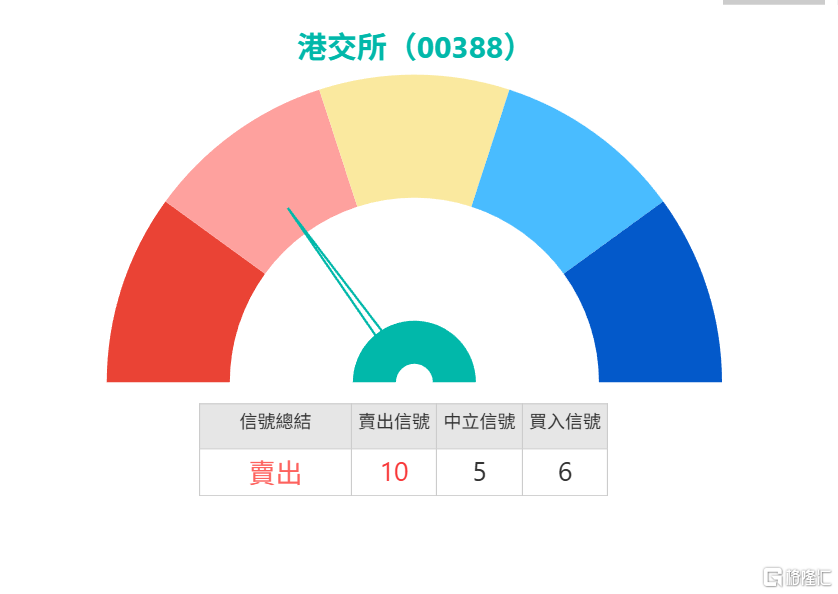
Core Viewpoint - Hong Kong Exchanges and Clearing Limited (HKEX) has shown strong financial performance with a significant increase in revenue and profit, while the stock price is currently facing downward pressure from technical indicators [1][2]. Financial Performance - For the first half of 2025, HKEX reported revenue of HKD 14.076 billion, a year-on-year increase of 33% [1]. - The profit attributable to shareholders reached HKD 8.519 billion, reflecting a 39% year-on-year growth, marking a record high for the company [1]. Market Sentiment - There are currently 230 companies in the IPO application queue, indicating a positive outlook for the new stock market [1]. - The stock price of HKEX was reported at HKD 455.4, down 1.60% on the previous trading day, and further down to HKD 454.2 in early trading today, a decrease of 0.26% [1]. Technical Analysis - Technical indicators suggest a "sell" signal with a strength of 10, indicating a potential downward trend in the medium to long term [1]. - Multiple oscillators are showing "buy" signals, with the RSI at 69, indicating a neutral market direction in the short term [1]. Support and Resistance Levels - The first support level for HKEX is at HKD 440, with a lower support at HKD 429. The first resistance level is at HKD 470, with a higher resistance at HKD 480 [2]. - The system estimates a 55% probability of price increase, with a recent volatility of 8.5% over the past five days, suggesting some speculative opportunities in the market [2]. Derivative Products Performance - On August 22, 2025, HKEX saw a 1.65% increase, with various structured products like warrants and bull/bear certificates showing significant leverage effects, amplifying returns [4]. - Specific warrants such as the Barclays call warrant (16781) have a leverage of 12.4 times, while UBS call warrant (16698) has a leverage of 11.6 times, indicating high potential for upward movement [7]. Investment Options - For bullish investors, the Barclays call warrant (16781) and UBS call warrant (16698) are recommended due to their high leverage and relatively low premiums [7]. - For bearish strategies, the Credit Suisse put warrant (19716) offers a leverage of 5.8 times, making it a viable option for those anticipating a downward adjustment in HKEX's stock price [8].