
CHINA TELECOM(00728)

Search documents
中国电信“2025数智科技生态大会”即将开幕
Jing Ji Wang· 2025-12-01 07:46
在本届大会主论坛上,中国电信将聚焦智能云体系构建,邀请知名专家探讨数智科技发展、举办多 场发布及合作仪式,携手生态伙伴开展全方位、多领域合作,共同推动数智科技生态繁荣。大会还将举 办AI+数字生活生态合作、AI+绿色智算生态合作、AI智能体+数据要素生态合作等12场分论坛,通过开 展深度交流与对话,充分对接产业合作需求,深化算力、平台、数据、模型、应用多维度协作,推动全 产业链协同共进,打造开放共赢的合作交流平台。 为把握新一轮科技革命和产业变革发展趋势、为数字经济高质量发展注入AI动能,本次数智科技 生态展将重磅打造总面积4万平方米的四大展馆,设置中国电信主展区、算力生态合作展区、平台生态 合作展区、安全生态合作展区、数据和模型生态合作展区、AI应用生态合作展区、AI终端和AI芯片生 态合作七大展区,全方位展示中国电信算力和算力服务、MaaS平台和DaaS平台基础设施建设成果,大 模型、智能体、场景化解决方案在个人、家庭、行业等多场景下的AI应用案例和AI应用产品。通过沉 浸式展示和立体式互动,观众将能看到AI不再是停留在简单的数字技术转化,而是通过AI科技创新与 各领域产业创新深度融合,不断为个人、家庭、 ...
中国电信(00728) - 截至2025年11月30日止股份发行人的证券变动月报表
2025-12-01 04:01
股份發行人及根據《上市規則》第十九B章上市的香港預託證券發行人的證券變動月報表 截至月份: 2025年11月30日 狀態: 新提交 I. 法定/註冊股本變動 | 1. 股份分類 | 普通股 | 股份類別 | H | | 於香港聯交所上市 (註1) | | 是 | | | --- | --- | --- | --- | --- | --- | --- | --- | --- | | 證券代號 (如上市) | 00728 | 說明 | H股 | | | | | | | | | 法定/註冊股份數目 | | | 面值 | | 法定/註冊股本 | | | 上月底結存 | | | 13,877,410,000 | RMB | | 1 RMB | | 13,877,410,000 | | 增加 / 減少 (-) | | | 0 | | | RMB | | 0 | | 本月底結存 | | | 13,877,410,000 | RMB | | 1 RMB | | 13,877,410,000 | | 2. 股份分類 | 普通股 | 股份類別 | A | | 於香港聯交所上市 (註1) | | 否 | | | --- | --- ...
智通港股通持股解析|12月1日



智通财经网· 2025-12-01 00:32
智通财经APP获悉,根据2025年11月28日披露数据,中国电信(00728)、绿色动力环保(01330)、大 眾公用(01635)位居港股通持股比例前3位,分别为72.72%、69.20%、68.60%。此外,万国黄金集团 (03939)、阿里巴巴-W(09988)、快手-W(01024)在最近有统计数据的5个交易日内,持股额增 幅最大,分别为+119.66亿元、+108.43亿元、+12.76亿元;盈富基金(02800)、中芯国际(00981)、恆 生中国企业(02828)在最近有统计数据的5个交易日内,持股额减幅最大,分别为-26.36亿元、-15.15 亿元、-8.09亿元。 具体数据如下(交易所数据根据T+2日结算): 1、港股通最新持股比例排行(前20名) | 公司名称 | 持股额变动 | 持股数变动 | | --- | --- | --- | | 万国黄金集团(03939) | +119.66亿元 | +37582.04万股 | | 阿里巴巴-W(09988) | +108.43亿元 | +7157.37万股 | | 快手-W(01024) | +12.76亿元 | +1881.69万股 | | ...
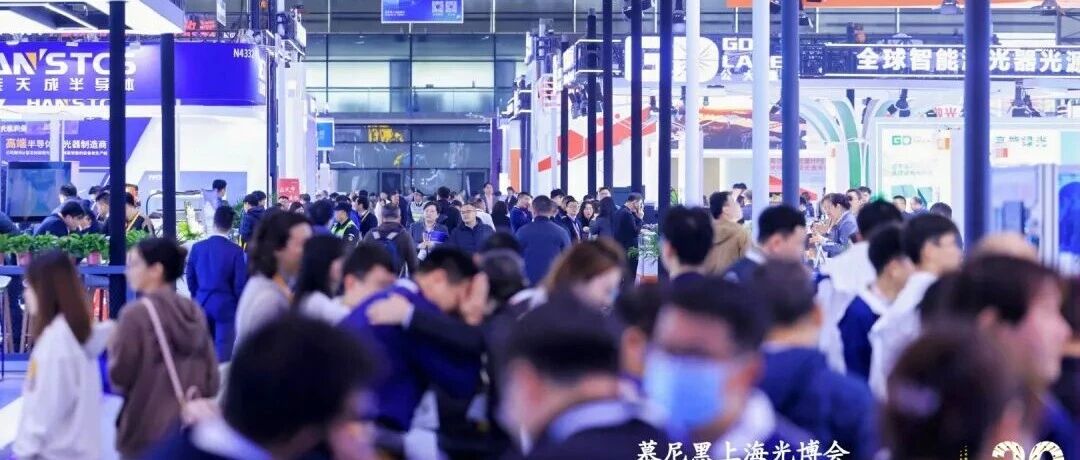
1200+ 全球头部企业齐聚上海!激光光学 × 半导体全链路协同的顶级峰会仅剩最后三席
半导体行业观察· 2025-11-29 02:49
Core Insights - The article highlights the significance of the Munich Shanghai Optical Expo as a pivotal event for the global optoelectronics and semiconductor industry, featuring over 1,200 leading companies and attracting hundreds of thousands of professional attendees, emphasizing the theme of "technological iteration + ecological integration" [2] Group 1: Policy Alignment - The forum aligns closely with the "14th Five-Year Plan," focusing on the critical role of laser technology in supporting 6G/5G-A, targeting key areas such as compound semiconductors, EDA tools, and optical communication chips, and aims to create a collaborative ecosystem through "policy - technology - capital" synergy [2][4] Group 2: Technical Focus - The forum emphasizes a comprehensive technology logic covering the entire supply chain from "materials - tools - chips - devices - components - applications," showcasing hard-core achievements from leading companies in critical areas like compound semiconductor mass production processes and AI-enabled optical chip design [3] Group 3: Demand-Supply Coupling - The forum effectively links the supply side, represented by leading technology firms like Silan Micro and Xizhi Technology, with the demand side, including major telecom operators and cloud service providers, creating a high-efficiency closed loop of "technology output - demand feedback - cooperation landing" [4] Group 4: Key Participants - Major telecom operators such as China Mobile, China Unicom, and China Telecom are participating to address 6G network architecture and 5G-A deployment needs, while leading cloud service providers like Alibaba Cloud and Tencent Cloud are seeking solutions for high-speed data transmission and green data center construction [6] Group 5: Final Opportunities - The article emphasizes the urgency of securing the last three sponsorship seats for the forum, highlighting the scarcity of resources and the potential for significant market engagement, with a focus on connecting with decision-makers from major telecom and cloud service companies [7][9]



打造智慧工厂的“好点子”来了! 中国电信全栈工业能力亮相2025世界智能制造大会
Yang Zi Wan Bao Wang· 2025-11-28 05:11
Core Insights - The 10th World Intelligent Manufacturing Conference showcased the first 15 leading intelligent factories, emphasizing the shift of industrial internet from concept validation to large-scale deployment, marking a significant phase in the digital transformation of manufacturing [1] - The conference introduced key innovations such as the 2025 Intelligent Manufacturing Blue Paper and the Global Intelligent Manufacturing Cooperation Development Initiative, establishing itself as a benchmark for intelligent manufacturing [1] Group 1: Intelligent Manufacturing Solutions - China Telecom presented an integrated intelligent cloud service system, combining computing power, platforms, data, models, and applications, showcasing a complete digital transformation loop from "park brain" to "production line nerve" [1] - The "Cloud-based Control Platform" enables deep interconnectivity and data integration across various devices, significantly reducing reliance on human labor by 27% in practical applications [2] - The "Luban CNC AI + MES" system improved production efficiency by 15% and reduced defect rates by 10%, demonstrating the effectiveness of AI in optimizing production processes [2] Group 2: Smart Park Management - The "Star Eye and Wise Ear" smart wearable system enhances safety and operational collaboration through high-precision positioning and AI recognition, creating a real-time interactive environment [3] - The "Bai Ze Platform" serves as a digital operations manager, transforming maintenance from reactive to proactive through AI diagnostics and real-time data analysis [3] - Digital twin technology provides precise mapping of physical and digital spaces, enabling comprehensive monitoring and decision support for production optimization [3] Group 3: Integration of IT and OT - China Telecom's "Smart PLC" represents a revolutionary shift in control logic, allowing for flexible deployment and optimization of production lines through cloud-based solutions [5] - The industrial gateway facilitates real-time data analysis and process optimization at the network edge, enhancing operational efficiency [5] - The "Industrial Knowledge Platform" and "Digital Transformation Magic Box" offer tailored solutions for small and medium enterprises, lowering the barriers to digital transformation [5] Group 4: Energy Management and Sustainability - China Telecom's energy management solutions are pivotal in achieving energy efficiency and carbon reduction, with systems achieving annual energy savings of 5%-10% [6] - The "Tianyi Carbon Management Platform" integrates various functionalities to support enterprises in carbon asset management and near-zero carbon operations [6] - The company provides comprehensive support for manufacturing enterprises, from top-level design to implementation, contributing to the transformation of Chinese manufacturing [6]
748万元!中国电信伊春分公司七号院合同能源管理技术服务项目公开招标
Xin Lang Cai Jing· 2025-11-28 04:41
Core Viewpoint - The China Telecom Group has announced a tender for an energy management service project in Yichun City, Heilongjiang Province, with an estimated procurement amount of 7.48 million yuan and a service duration of 10 years [1]. Project Overview and Tender Content - The project involves providing an integrated thermal energy solution for the No. 7 Courtyard in Yichun City, which includes the construction and operation of a centralized heating system to ensure stable and efficient thermal energy supply [1]. - The estimated procurement amount is 7.48 million yuan (excluding tax), covering all necessary costs for construction, operation, and maintenance [1]. - The contract will be signed as a single contract [2]. - The service period will commence from the date of contract signing and will last for 10 years [2]. - The construction period requires the provision of heating services within 5 days after the contract is signed [2]. - The service location is specified as the No. 7 Courtyard in Yichun City [3]. Tender Requirements - The project does not divide into bid packages and sets a maximum bid limit, with the maximum bid limit for heating supply construction set at 2.7 million yuan and an annual operation and maintenance fee of 478,000 yuan [4]. - Bidders must be independent legal entities or registered organizations in China, with good bank credit [5]. - Joint bids are not accepted, but agents can bid if they meet specific requirements, including having authorization from the manufacturer [5]. - Bidders must not have any disqualifying conditions, such as being suspended from bidding or having a history of fraud or significant quality issues in the past three to five years [7]. Qualification Review and Document Acquisition - The qualification review will be conducted after the bid submission, and any bids that do not pass the review will be rejected [10]. - The tender documents can be obtained from November 27, 2025, to December 2, 2025, without any associated fees [10]. - The deadline for bid submission is set for December 19, 2025, at 09:00 [11]. Contact Information - The tender is managed by China Telecom Group Co., Ltd. Yichun Branch, with the bidding agency being Dingxin Project Management Consulting Co., Ltd. [14].

智通港股通持股解析|11月28日
智通财经网· 2025-11-28 00:37
Core Insights - The top three companies by Hong Kong Stock Connect holding ratios are China Telecom (72.69%), Gree Power Environmental (69.23%), and Haotian International Construction Investment (68.93%) [1][2] - The companies with the largest increase in holding amounts over the last five trading days are WanGuo Gold Group (+12.079 billion), Alibaba-W (+11.504 billion), and Tencent Holdings (+2.873 billion) [1][2] - The companies with the largest decrease in holding amounts over the last five trading days are SMIC (-1.455 billion), Innovent Biologics (-0.665 billion), and New China Life Insurance (-0.523 billion) [2] Group 1: Hong Kong Stock Connect Holding Ratios - China Telecom (00728) has a holding of 10.09 billion shares, representing 72.69% [1] - Gree Power Environmental (01330) has a holding of 0.28 billion shares, representing 69.23% [1] - Haotian International Construction Investment (01341) has a holding of 7.48 billion shares, representing 68.93% [1] - Other notable companies include China Shenhua (67.29%) and Tianjin Chuangye Environmental Protection (66.32%) [1] Group 2: Recent Increases in Holdings - WanGuo Gold Group (03939) saw an increase of +12.079 billion, with a change of +37.936 million shares [1] - Alibaba-W (09988) increased by +11.504 billion, with a change of +7.638 million shares [1] - Tencent Holdings (00700) increased by +2.873 billion, with a change of +0.469 million shares [1] Group 3: Recent Decreases in Holdings - SMIC (00981) experienced a decrease of -1.455 billion, with a change of -2.128 million shares [2] - Innovent Biologics (01801) decreased by -0.665 billion, with a change of -0.691 million shares [2] - New China Life Insurance (01336) saw a decrease of -0.523 billion, with a change of -1.111 million shares [2]


中国电信:2025年AI智能体安全治理白皮书
Sou Hu Cai Jing· 2025-11-27 08:27
Core Insights - The article discusses the transition of AI agents from "conversational intelligence" to "decision-making intelligence," highlighting their capabilities as "digital collaborative partners" with environmental awareness, autonomous planning, and task execution. However, this advancement brings unprecedented security challenges [1][2]. Summary by Sections AI Agent Security Risks - The white paper identifies unique systemic risks associated with AI agents, such as attackers using hidden commands to induce the agent to download malware or employing long messages to trigger privacy breaches. These cases indicate that traditional boundary defenses are ineffective [1]. - Risks span four layers: - **Perception Layer**: Vulnerable to multi-modal input deception and protocol abuse. - **Decision Layer**: Prone to errors due to hallucinations and semantic ambiguities leading to cascading mistakes. - **Memory Layer**: Risks include persistent poisoning and cross-session privilege escalation. - **Execution Layer**: Potential for privilege loss to turn into an attack vector [1][2]. AI Agent Security Governance - To address these challenges, the white paper proposes a dynamic defense system covering the entire lifecycle of AI agents, emphasizing three governance goals: "safe, controllable, and trustworthy." It outlines layered technical countermeasures such as sandbox isolation for tool invocation, dual verification for decisions, encryption and access control for memory content, and real-time blocking of execution behaviors [2]. - The report includes practical case studies from the Starry Sky AI platform, MCP protocol security scanning tools, and automated evaluation of edge AI agents, demonstrating the feasibility and effectiveness of the governance solutions [2]. Call to Action - The white paper serves not only as a technical guide but also as an action plan for building a trustworthy AI ecosystem. It calls for collaboration among government, industry, and enterprises to enhance top-level design, strengthen technical capabilities, and implement differentiated protection strategies for AI agents based on their autonomy levels, ensuring that technological development remains on a secure path [2].

独家:中国电信前8月云收入贡献最大的10家省公司曝光北方占2家
Xin Lang Cai Jing· 2025-11-27 07:40
Core Insights - China Telecom's Tianyi Cloud has achieved over 70 billion yuan in revenue in the first eight months of this year, showing positive year-on-year growth, yet the revenue contributions from provincial companies remain largely unknown [1][3] Group 1: Revenue Contribution - The top 10 provincial companies contributing the most to China Telecom's cloud business revenue include Guangdong Telecom, Shanghai Telecom, Jiangsu Telecom, Zhejiang Telecom, Sichuan Telecom, Anhui Telecom, Hunan Telecom, Hebei Telecom, Beijing Telecom, and Fujian Telecom [3] - Among these, 8 are southern provincial companies, while only 2 are northern, namely Hebei Telecom and Beijing Telecom [3] Group 2: Market Potential - The majority of these top provincial companies are located in economically developed regions with strong demands for digital transformation in sectors such as high-tech, finance, and the internet, providing a broad market space for cloud business development [3] - These provincial companies are generally large provincial subsidiaries with solid development foundations, equipped with high-speed broadband networks and data centers that ensure efficient cloud service operations [3] Group 3: Competitive Position - China Telecom's Tianyi Cloud has shown a strong growth trend and has become a leading player in the domestic cloud service market, particularly excelling in areas such as government cloud and dedicated cloud services [3]
智通港股通持股解析|11月27日
智通财经网· 2025-11-27 00:36
Core Insights - The top three companies by Hong Kong Stock Connect shareholding ratios are China Telecom (72.63%), Power Assets Holdings (70.19%), and GCL-Poly Energy Holdings (69.17%) [1] - The companies with the largest increase in shareholding amounts over the last five trading days are Universal Gold Group (+12.088 billion), Alibaba Group Holding Limited (+6.346 billion), and Tencent Holdings (+3.004 billion) [1][2] - The companies with the largest decrease in shareholding amounts over the last five trading days are SMIC (-1.278 billion), Ganfeng Lithium (-0.558 billion), and Innovent Biologics (-0.518 billion) [2] Hong Kong Stock Connect Shareholding Ratios - China Telecom (00728): 10.081 billion shares, 72.63% [1] - Power Assets Holdings (01635): 0.375 billion shares, 70.19% [1] - GCL-Poly Energy Holdings (01330): 0.280 billion shares, 69.17% [1] - Other notable companies include: - Hengtian International Investment (01341): 74.74 billion shares, 68.90% [1] - China Shenhua Energy (01088): 2.276 billion shares, 67.38% [1] Recent Increases in Shareholding - Universal Gold Group (03939): +12.088 billion, +37.96584 million shares [2] - Alibaba Group Holding Limited (09988): +6.346 billion, +4.09920 million shares [2] - Tencent Holdings (00700): +3.004 billion, +0.48492 million shares [2] - Other companies with significant increases include: - Yinhua Fund (02800): +2.182 billion, +8.36760 million shares [2] - Kuaishou Technology (01024): +1.750 billion, +2.54847 million shares [2] Recent Decreases in Shareholding - SMIC (00981): -1.278 billion, -1.85636 million shares [2] - Ganfeng Lithium (01772): -0.558 billion, -1.13178 million shares [2] - Innovent Biologics (01801): -0.518 billion, -0.54621 million shares [2] - Other companies with notable decreases include: - WuXi Biologics (02269): -0.513 billion, -1.60715 million shares [2] - New China Life Insurance (01336): -0.435 billion, -0.92361 million shares [2]