
PSBC(01658)

Search documents
邮储银行、平安银行挂牌转让个人不良贷款,规模高达21亿元
Zhong Guo Ji Jin Bao· 2025-11-24 16:24
Core Insights - Postal Savings Bank and Ping An Bank have announced the transfer of personal non-performing loans totaling 2.1 billion yuan [2][6] - The non-performing loans are primarily credit card overdrafts, with a significant portion classified as loss loans [2][6] Group 1: Loan Transfer Details - Postal Savings Bank is transferring 81,985 loans involving 81,093 borrowers, with an outstanding principal of 988 million yuan and interest of 309 million yuan, totaling 1.3 billion yuan [2][4] - The weighted average overdue days for Postal Savings Bank's loans is approximately 1,804 days (about 5 years), with a borrower average age of 43.78 years [6] - Ping An Bank's transfers include two projects: the 70th project with 33,631 loans totaling 477 million yuan and the 71st project with 27,522 loans totaling 328 million yuan [6] Group 2: Industry Trends - The banking sector is accelerating the clearance of non-performing assets, with over 20 announcements of personal non-performing loan transfers in November alone [7] - Banks are increasing efforts to dispose of non-performing assets in the fourth quarter to meet regulatory requirements and optimize financial statements [7] - The rising non-performing loan rates in retail banking, particularly in credit card loans, indicate increasing risk exposure [7]




多家银行挂牌信用卡不良资产
中国基金报· 2025-11-24 16:14
Core Viewpoint - Postal Savings Bank and Ping An Bank have announced the transfer of personal non-performing loans totaling 2.1 billion yuan, indicating a trend of accelerated asset clearance in the banking sector as they address rising non-performing loan ratios [2][7]. Group 1: Loan Transfer Details - Postal Savings Bank is transferring its first batch of personal non-performing loans for 2025, which includes 81,985 loans and 81,093 borrowers, all classified as loss-type credit loans. The total outstanding principal is 988 million yuan, with outstanding interest of 309 million yuan, leading to a total of 1.297 billion yuan in outstanding principal and interest [4][6]. - The average overdue days for Postal Savings Bank's non-performing loans is 1,804.28 days (approximately 5 years), with an average borrower age of 43.78 years. Most loans (78,728) have not been litigated, indicating a low litigation status [6]. - Ping An Bank has also announced two batches of personal non-performing loans, with the first batch (70th) comprising 33,631 loans and a total outstanding amount of 477 million yuan, while the second batch (71st) includes 27,522 loans with an outstanding amount of 328 million yuan. The average overdue days for these batches are 846.34 days (approximately 2.32 years) and 2,042.84 days (approximately 5.6 years), respectively [6]. Group 2: Industry Trends - As the fourth quarter progresses, banks are accelerating the clearance of non-performing assets, with over 20 announcements related to personal non-performing loans in the credit card sector reported this month alone [7]. - For instance, Minsheng Bank has announced the transfer of its 6th and 8th batches of personal non-performing loans, with a total outstanding amount exceeding 26 billion yuan. The 6th batch has an outstanding amount of 5.142 billion yuan, while the 8th batch totals 21.697 billion yuan [7]. - The banking industry typically increases efforts to dispose of non-performing assets in the third and fourth quarters to meet regulatory requirements for provision coverage and capital adequacy ratios, as well as to optimize financial statements [7].


邮储银行调整非信用卡在线人工客服时段
Bei Jing Shang Bao· 2025-11-24 11:29
针对调整原因,北京商报记者致电邮储银行客服,对方回应称,此次调整仅针对非信用卡相关业务的在 线人工客服,核心目的是通过智能客服"小邮"提升常见问题解答效率,为用户提供更便捷的服务体验。 若有疑问或紧急业务,仍可随时拨打邮储银行7×24小时客服热线95580咨询人工座席,人工座席不受此 次在线客服时间调整影响。 北京商报讯(记者 孟凡霞 周义力)11月24日,邮储银行发布公告称,该行将于2025年12月3日23:00起 调整官方网站、个人网上银行、企业网银、手机银行、邮储企业银行、微信银行、客户服务微信公众 号、分行微信公众号渠道非信用卡在线客服人工服务时段,调整后服务时间为每日7:00—23:00。 据悉,此次调整前,邮储银行官网等渠道的非信用卡在线人工客服为7×24小时。针对时段外的用户需 求,公告明确,用户可随时通过智能客服"小邮"获取即时响应,或致电中国邮政储蓄银行客服热线 95580进行咨询。 ...
经济热力站|满配智能化 邮储银行北京分行把鸿蒙装进银行网点
Feng Huang Wang Cai Jing· 2025-11-24 07:07
Core Insights - Postal Savings Bank of China (PSBC) Beijing Branch has showcased its digital financial services through the HarmonyOS at the "京彩不设限·经济热力站" event [1] - The branch is the first HarmonyOS ecological bank of PSBC, collaborating with Huawei and Shenzhen Zhengtong Electronics to integrate traditional and innovative banking services [1] Group 1: Digital Financial Services - The bank utilizes the native HarmonyOS PSBC app for business appointment initiation, allowing customer managers to receive notifications via a wristband, enhancing service efficiency [1] - The integration of various terminals, including VIP customer alerts, queue calling, and ticketing, improves the convenience and intelligence of financial services [1] Group 2: Intelligent Products - The branch is equipped with multiple intelligent products, including a multilingual AI translation screen that supports eight languages, facilitating communication with foreign clients [1]
邮储银行江阳区支行:寓教于乐播撒金融种子 情暖江阳践行普惠初心
Xin Lang Cai Jing· 2025-11-24 06:04
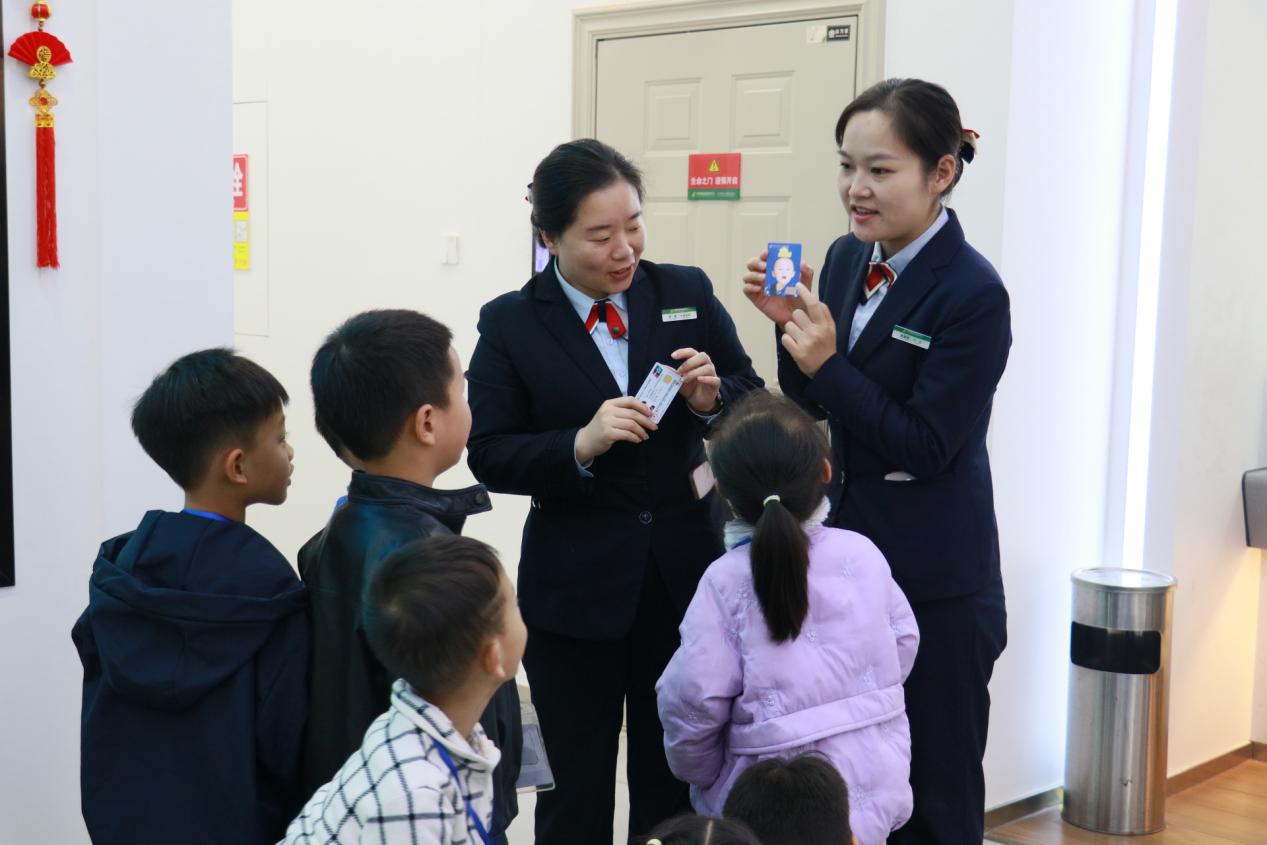
Core Insights - The article highlights the successful organization of a series of engaging activities by Postal Savings Bank's Jiangyang District branch during the first autumn holiday for middle and primary school students in Luzhou, aimed at promoting financial literacy among youth [1][5]. Group 1: Event Overview - The activities took place from November 12 to 14, creating a 5-day holiday experience for students [1]. - Various interactive and educational activities were designed to enrich the holiday experience for children and their families [1]. Group 2: Financial Literacy Initiatives - An interactive experience called "Little Banker" was conducted, where children learned about currency, bank cards, and the importance of saving through hands-on activities [1]. - The children engaged in simulated banking operations, fostering practical financial knowledge [1]. Group 3: Community Engagement and Impact - The wealth center of the Jiangyang District branch transformed into a fun arena with games that enhanced children's coordination and teamwork skills [3]. - The event served as a demonstration of the bank's commitment to social responsibility and community service, receiving positive feedback from parents [5]. - The bank plans to continue organizing similar inclusive and enjoyable public welfare activities to strengthen community ties and provide heartfelt service [5].
彝韵迎新年 金融暖彝乡|邮储银行马边县支行彝族年主题宣教活动
Xin Lang Cai Jing· 2025-11-24 06:04
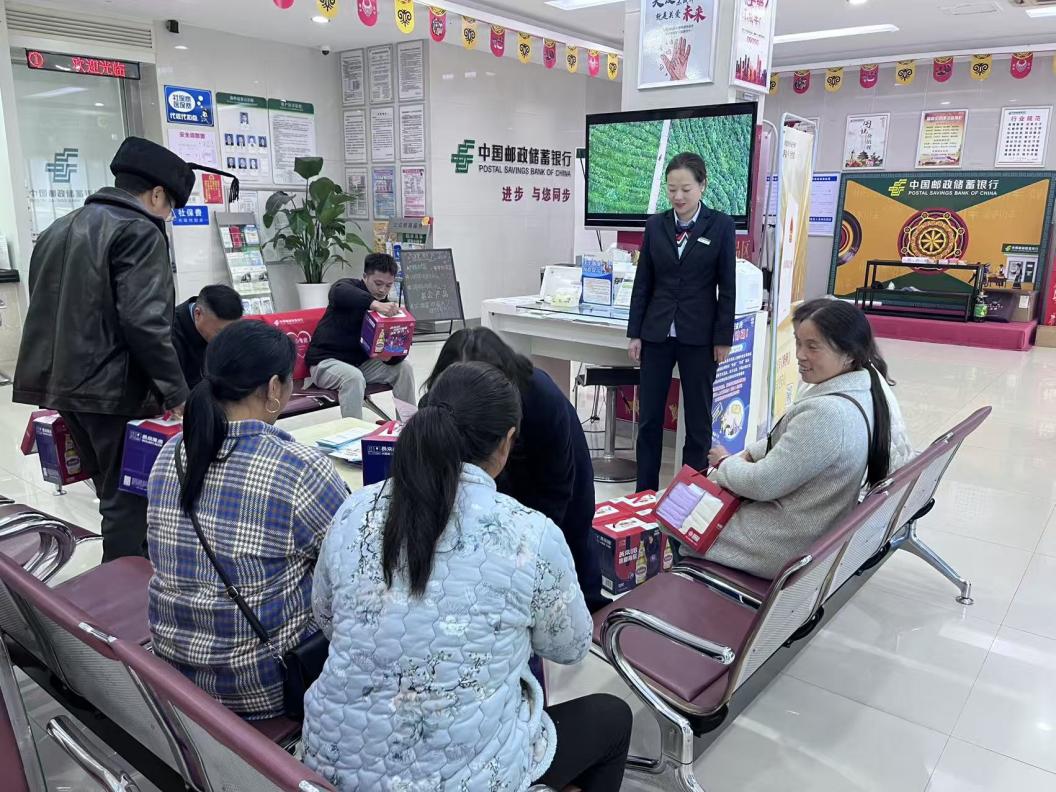
转自:推广 彝历新年临近,烟峰镇洋溢着喜庆氛围。近日,邮储银行马边县支行以彝族年为契机,开展特色宣教活动,将彝族文化传承与金融知识普及相结合,为彝乡 群众送上节日祝福与金融"干货"。 此次彝族年主题宣传活动,是邮储银行马边县支行将民族文化传承与金融服务创新相结合的生动实践,既让大家感受了民族文化魅力,又提升了金融素养与 风险防范意识。未来,邮储银行马边县支行将持续深耕普惠金融领域,不断创新服务形式、延伸服务触角,让金融活水更好地滋润民族地区,为乡村振兴和 民族团结贡献更多邮储力量。 来源:推广 在邮储银行马边县支行网点,工作人员精心布置彝族文化展示区,通过彝绣挂饰、传统器物展示及讲解,向客户普及彝族年习俗与非遗文化。同时,结合群 众生活场景,用通俗语言拆解电信诈骗、非法集资套路,讲解人民币防伪、数字人民币应用等知识,手把手指导老年客户使用手机银行,助力跨越数字鸿 沟。 随后,宣讲团队走进烟峰镇村委会,以彝汉双语宣讲的形式,重点解读养老领域非法集资防范技巧、银行卡信息保护、征信管理等内容,现场设置咨询台答 疑解惑,切实解决群众金融需求。 ...
邮美天府 好礼焕新:邮储银行四川分行绘就城市与生活双升级图景
Xin Lang Cai Jing· 2025-11-24 03:33
转自:推广 THE WARRE 四川省分行 SICHUAN BRANCH K e 音 中国邮政储蓄很行 POSTAL SAVINGS BANK OF CHINA 四川省分行 SICHUAN BRANCH -11 都是我们的发生的重要 【 】 UB unummonu 0000000 V 8,800 2 HAMG 24 01/5 中国邮政储蓄银行 POSTAL SAVINGS BANK OF CHINA F 中国邮政储蓄银行 | 四川省分行 電 POSTAL SAVINGS BANK OF CHINA SICHUAN BRANCH 煥新生活 "肃"치 相伴 广告 来源:推广 ...

邮政储蓄银行将调整官方网站等渠道非信用卡在线客服人工服务时段
Jin Tou Wang· 2025-11-24 03:27
Core Points - China Postal Savings Bank announced an adjustment to its online customer service hours, effective December 3, 2025, from 23:00 [1] - The new service hours will be from 7:00 to 23:00 daily, covering various online platforms including the official website, personal online banking, corporate online banking, mobile banking, and WeChat banking [1] - Outside of these hours, customers can still access instant responses through the intelligent customer service or contact the bank's customer service hotline for assistance [1] Company Summary - The adjustment aims to enhance customer service efficiency and accessibility for users of China Postal Savings Bank's various digital platforms [1] - The bank expresses gratitude for customer understanding and support during this transition [1] - The initiative reflects the bank's commitment to providing high-quality and convenient financial services [1]

探索“文化+金融”服务新路径:邮储银行达州市渠县支行书法文化特色网点启幕
Xin Lang Cai Jing· 2025-11-24 02:59
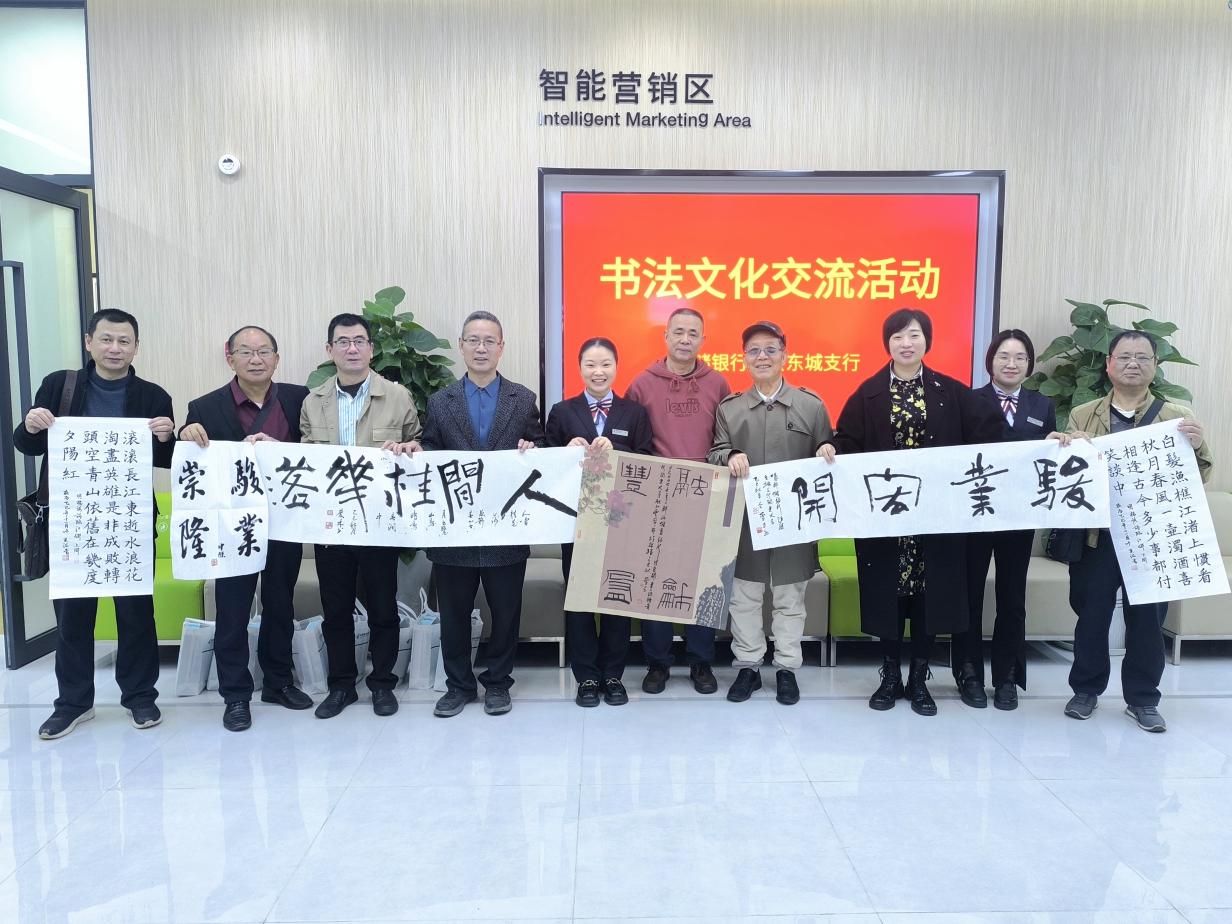
Core Viewpoint - China Postal Savings Bank's Quxian branch integrates traditional Chinese culture with innovative financial services by creating a calligraphy-themed outlet and hosting a calligraphy exchange event, exploring a new "culture + finance" customer service model [1][5]. Group 1: Event Overview - The event invited numerous calligraphy enthusiasts and experts to engage in technique discussions, impromptu creations, and appreciation of works, focusing on classic poetry and good wishes, thereby passing on cultural heritage [2]. - Various styles of calligraphy works were showcased, attracting customers who were conducting business to stop and appreciate the art [2]. Group 2: Cultural Integration in Banking - The Quxian branch features a strong cultural atmosphere with calligraphy works displayed on walls and a dedicated calligraphy experience area equipped with writing materials, allowing customers to enjoy the art of writing while conducting their banking activities [4]. - The branch's representative stated that promoting traditional culture is a social responsibility, and the "culture + finance" model aims to enhance both cultural dissemination and financial services [4]. Group 3: Future Directions - The event serves as an important platform for the bank to innovate its customer service model, aiming to break the stereotype of traditional financial services and better meet diverse customer needs by integrating financial services into cultural contexts [5]. - The bank plans to enhance customer satisfaction and sense of gain by making financial services more precise and considerate while continuing to pass on traditional culture [5].
邮储银行11月21日获融资买入1.39亿元,融资余额9.18亿元
Xin Lang Cai Jing· 2025-11-24 02:35
Core Insights - Postal Savings Bank of China (PSBC) experienced a decline of 1.69% in stock price on November 21, with a trading volume of 1.244 billion yuan [1] - The bank's financing buy-in amounted to 139 million yuan, while financing repayment was 144 million yuan, resulting in a net financing outflow of 5.079 million yuan [1] - As of November 21, the total margin trading balance for PSBC was 922 million yuan, indicating a low financing balance at 0.24% of the market capitalization, below the 30th percentile of the past year [1] Financing and Margin Trading - On November 21, PSBC's financing buy-in was 139 million yuan, with a current financing balance of 918 million yuan [1] - The bank's margin trading balance is significantly low compared to historical levels, indicating potential underutilization of financing options [1] - In terms of short selling, PSBC had a repayment of 312,900 shares and a short sale of 18,200 shares, with a short selling amount of 105,700 yuan [1] Company Overview - PSBC, established on March 6, 2007, and listed on December 10, 2019, provides a range of banking and financial services in China [2] - The bank's main business segments include personal banking (65.15% of revenue), corporate banking (22.71%), and funding operations (12.10%) [2] - As of September 30, 2025, PSBC reported a net profit of 76.562 billion yuan, reflecting a year-on-year growth of 0.98% [2] Shareholder and Dividend Information - Since its A-share listing, PSBC has distributed a total of 137.796 billion yuan in dividends, with 77.395 billion yuan in the last three years [3] - As of September 30, 2025, the number of shareholders decreased by 13.09% to 142,600, while the average circulating shares per person increased by 15.29% [2][3] - Major shareholders include Hong Kong Central Clearing Limited and various ETFs, with notable reductions in their holdings compared to previous periods [3]